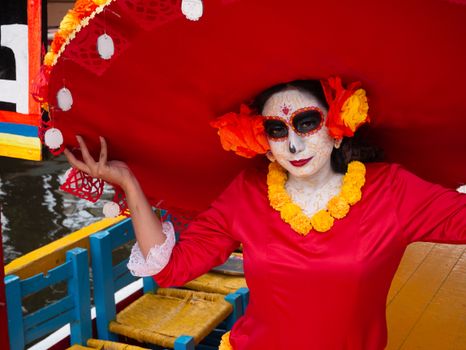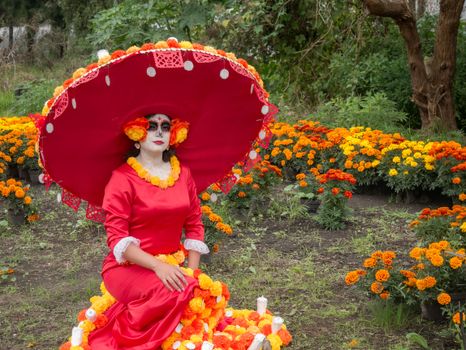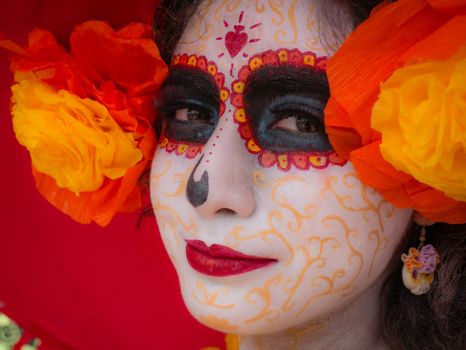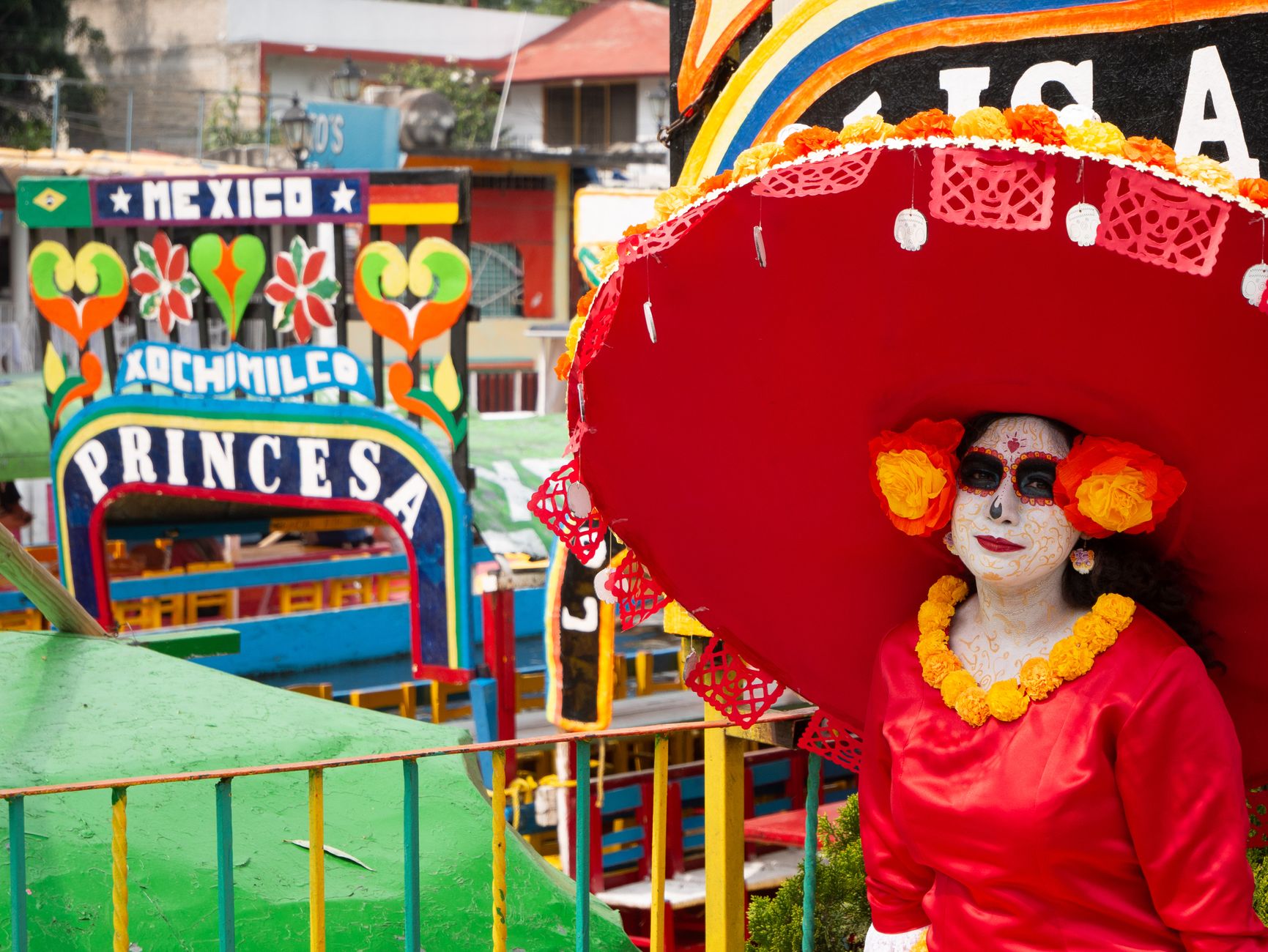
The air was thick with the scent of marigolds and copal incense, a symphony of mariachi music swelled around me, and everywhere I looked, smiling faces painted as elegant calaveras danced in the twilight. It was Día de Muertos in Oaxaca, Mexico, and I felt utterly alive, surrounded by a celebration of life and remembrance that transched anything I'd ever experienced. That trip wasn't just a vacation; it was a profound, soul-stirring immersion into the heart of a culture, a vivid reminder of why I started Tripsora – to share these transformative moments with you.
If you, like me, believe travel is about more than just checking off landmarks, if you crave connection, understanding, and experiences that linger long after you've unpacked your bags, then mark your calendars for October 2025. This month is a treasure trove of incredible religious festivals around the globe, many of which warmly welcome foreign visitors. Forget the guidebooks for a moment; these are journeys into the very soul of a destination.
Ready to discover where your spirit will lead you next? Let's dive into the most captivating religious festivals open to foreigners in October 2025.
1. The Luminous Spectacle: Diwali – India & Beyond
(Dates likely late October 2025, exact dates for 2025 TBD but often falls in the second half of October)
My first Diwali experience was in Varanasi, India, and it was nothing short of magical. The city, already a sensory overload, transformed into a dazzling wonderland. Millions of tiny clay lamps (diyas) flickered along the ghats of the Ganges, reflecting in the sacred river like scattered stars. Fireworks exploded overhead, painting the night sky in brilliant hues, and the aroma of sweets and incense filled every alleyway. It felt like the entire world was celebrating.
What it is:
Diwali, the "Festival of Lights," is one of the most important Hindu, Jain, and Sikh festivals, symbolizing the triumph of light over darkness, good over evil, and knowledge over ignorance. It's a five-day celebration marked by elaborate prayers, family gatherings, gift exchanges, feasting, fireworks, and the lighting of lamps and candles. Lakshmi, the goddess of wealth and prosperity, is often central to the celebrations.
Where to Experience It:
* India: Varanasi offers a deeply spiritual and ancient experience. Jaipur and Udaipur provide a royal, majestic backdrop with grand decorations. Mumbai and Delhi explode with urban energy and massive firework displays.
* Nepal: Kathmandu's temples come alive with lights and offerings.
* Singapore & Malaysia: Experience vibrant Indian communities celebrating with open houses and street decorations, especially in Little India.
My Anecdote:
I remember being invited into a local family's home in Varanasi. They shared homemade ladoos (sweet treats) with me, taught me how to light a diya, and explained the significance of each ritual. It wasn't just seeing the festival; it was being part of it. The warmth and generosity of strangers, despite language barriers, made that Diwali truly unforgettable.
Practical Tips for Travelers:
* Book EVERYTHING early: Flights, trains, and especially accommodation get booked up months in advance. Prices surge.
* Dress respectfully: Traditional Indian attire (like a kurta or salwar kameez) is not only comfortable but also shows respect and helps you blend in.
* Embrace the chaos: Indian festivals are vibrant, noisy, and often crowded. Go with the flow, be patient, and soak it all in.
* Sample the sweets: Diwali is a feast for the taste buds. Don't shy away from trying local delicacies.
* Safety: Be mindful of crowds and fireworks. Keep your belongings secure.
* Budget: While many events are free, be prepared for increased costs for food, transport, and souvenirs.
Instagram-Worthy Moment:
A selfie with a sky full of fireworks, a close-up of a beautifully intricate rangoli (floor art), or a shot of hundreds of diyas floating on a river. Use #Diwali2025 #FestivalOfLights #IndiaTravel.
2. A Celebration of Life: Día de Muertos – Mexico
(Dates: November 1st & 2nd, 2025 – often celebrated from late October)
The first time I saw a calavera (skull) sugar cookie and realized it wasn't morbid but a sweet, artistic representation of life's cycle, my perception of death changed forever. Día de Muertos in Mexico is a profound, joyful, and visually stunning festival that defies expectations. It's not about fear; it's about remembrance, love, and the belief that our departed loved ones return to visit us.
What it is:
Día de Muertos (Day of the Dead) is an ancient Mesoamerican tradition blended with Catholic beliefs, where families welcome back the souls of their deceased relatives for a brief reunion. It's a vibrant, colorful celebration involving elaborate altars (ofrendas) laden with favorite foods, drinks, marigolds, candles, and photos of the departed. Parades, music, special foods, and cemetery vigils are all part of the tradition.
Where to Experience It:
* Oaxaca: Renowned for its authentic and elaborate celebrations, including comparsas (street parades with music and costumes) and vibrant cemetery vigils.
* Mexico City: Hosts a massive, spectacular parade (inspired by the James Bond film Spectre) and numerous public ofrendas.
* Pátzcuaro, Michoacán: Famous for its deeply traditional celebrations, especially the canoe procession to the island of Janitzio, where indigenous communities honor their dead.
* San Miguel de Allende: Offers beautiful ofrendas, parades, and a more artistic vibe.
My Anecdote:
In Oaxaca, I spent an evening at a local cemetery, not in sorrow, but in quiet awe. Families sat on graves, sharing food, telling stories, and playing music, bathed in the soft glow of candlelight and the sweet scent of marigolds. It was a beautiful, intimate scene, a testament to enduring love, and a privilege to witness. I even got my face painted with a beautiful calavera design by a local artist – a truly immersive experience!
Practical Tips for Travelers:
* Respect is key: This is a deeply personal and spiritual festival for locals. Ask permission before photographing people or private altars.
* Participate thoughtfully: Get your face painted, try pan de muerto (bread of the dead), and visit public ofrendas.
* Book early (again!): Especially in popular destinations like Oaxaca, accommodation and flights will be scarce and expensive.
* Learn basic Spanish: Even a few phrases will enhance your experience and show respect.
* Dress comfortably: You'll be doing a lot of walking, often in crowded areas.
* Budget: While many events are free, costs for food, transport, and souvenirs will be higher.
Instagram-Worthy Moment:
A vibrant selfie with your face painted as a calavera, a stunning ofrenda bursting with color, or the ethereal glow of a candlelit cemetery. Use #DíaDeMuertos #DayOfTheDead #MexicoTravel #Oaxaca.
3. The Divine Feminine: Durga Puja & Navaratri – India & Nepal
(Dates likely late September into early October 2025, exact dates for 2025 TBD but often overlaps with early October)
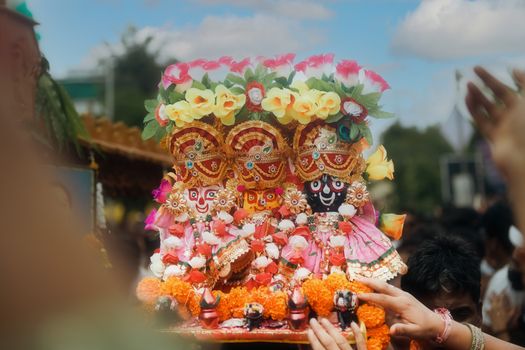
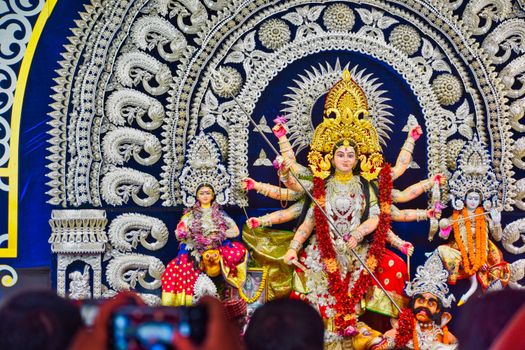
Before the grand celebrations of Diwali, many parts of India and Nepal erupt into the joyous fervor of Durga Puja and Navaratri. My visit to Kolkata during Durga Puja was an explosion of artistry and devotion. Imagine entire neighborhoods transforming into art galleries, with magnificent temporary temples (pandals) housing breathtaking idols of Goddess Durga. It's a spectacle that combines spiritual reverence with incredible creative energy.
What it is:
These festivals celebrate the divine feminine, particularly Goddess Durga's victory over the demon Mahishasura, symbolizing the triumph of good over evil.
* Navaratri (Nine Nights): Celebrated across India, particularly vibrant in Gujarat with Garba and Dandiya Raas dances, and in South India with Golu displays of dolls. Each of the nine nights is dedicated to a different form of the Goddess.
* Durga Puja: Predominantly celebrated in West Bengal (especially Kolkata) and Bangladesh, it's a massive cultural and religious event, recognized by UNESCO. It involves elaborate pandals, intricate idols, cultural performances, feasting, and community gatherings.
Where to Experience It:
* Kolkata, India: The epicenter of Durga Puja. The city transforms into an open-air art exhibition with thousands of unique pandals.
* Gujarat, India: For Navaratri, especially the city of Vadodara, known for its energetic Garba and Dandiya Raas folk dances.
* Varanasi, India: Also celebrates Navaratri with rituals and processions.
* Kathmandu, Nepal: Celebrates Dashain, a Nepali festival related to Durga Puja, with kite flying, family gatherings, and blessings.
My Anecdote:
Pandal hopping in Kolkata was an adventure! Each pandal was a marvel, some designed like ancient temples, others with modern, abstract themes. I joined a crowd watching a traditional dhunuchi naach (dance with incense burners), feeling the rhythmic beat of the drums reverberate through me. The energy was electric, a collective outpouring of joy and devotion.
Practical Tips for Travelers:
* Crowds are intense: Kolkata during Durga Puja is incredibly crowded. Be prepared for slow movement and long queues at popular pandals.
* Comfortable shoes: You'll be walking a lot!
* Dress modestly: While the atmosphere is festive, respect local customs.
* Foodie Paradise: This is a great time to sample Bengali cuisine. Look for special festival menus.
* Stay Hydrated: October can still be warm and humid.
* Local Guides: Consider hiring a local guide for pandal hopping in Kolkata; they can navigate the crowds and explain the significance.
Instagram-Worthy Moment:
A stunning shot of a magnificent Durga idol, a candid photo of people dancing Garba, or a wide shot of a beautifully lit pandal. Use #DurgaPuja #Navaratri #Kolkata #FestivalIndia.
4. A Beacon of Light: Thadingyut Festival of Lights – Myanmar
(Dates likely early-mid October 2025, exact dates for 2025 TBD based on the lunar calendar)
Myanmar, often called the "Golden Land," holds a special place in my heart. The serene beauty of its temples and the gentle spirit of its people are captivating. My experience during Thadingyut, the Festival of Lights, added another layer of magic. It's a quieter, more contemplative celebration than some, but equally profound.
What it is:
Thadingyut marks the end of Buddhist Lent (Vassa), a three-month period when monks remain in their monasteries. It commemorates the Buddha's descent from heaven after preaching to his mother, and lights are lit to welcome him. It's a time for showing gratitude, seeking forgiveness, and visiting pagodas.
Where to Experience It:
* Yangon: The Shwedagon Pagoda glows with thousands of lights and candles, creating an ethereal atmosphere.
* Bagan: While less concentrated, the sight of pagodas silhouetted against a sky illuminated by lanterns is breathtaking. Some hot air balloon festivals might coincide.
* Inle Lake: Unique celebrations with boat processions and traditional performances.
* Throughout Myanmar: Every town and village participates, with houses and streets adorned with lanterns.
My Anecdote:
I remember being on a small boat on Inle Lake as paper lanterns were released into the night sky, their gentle glow mingling with the stars. The silence was broken only by the soft chanting of monks and the lapping of water. It was a moment of pure tranquility and spiritual connection, a reminder of the simple beauty of devotion. I also witnessed children lighting small candles outside their homes, their faces alight with innocent joy.
Practical Tips for Travelers:
* Visa requirements: Myanmar requires a visa for most foreign visitors. Apply well in advance.
* Dress modestly: Especially when visiting pagodas. Shoulders and knees should be covered. Remove shoes before entering religious sites.
* Respect local customs: Observe silence in pagodas, always ask permission before taking photos of people.
* Local transportation: Navigating during festivals can be slower. Plan extra time.
* Accommodation: Book ahead, particularly in popular areas like Bagan or Inle Lake.
* Currency: Myanmar Kyat (MMK). Have small denominations for offerings and local purchases.
Instagram-Worthy Moment:
A wide shot of the Shwedagon Pagoda illuminated against the night sky, a close-up of intricate paper lanterns, or the serene scene of lanterns floating on Inle Lake. Use #Thadingyut #MyanmarTravel #FestivalOfLightsMyanmar #BuddhistFestival.
5. The Festival of Booths: Sukkot – Israel
(Dates likely mid-October 2025, exact dates for 2025 TBD based on the Hebrew calendar)
Exploring Jerusalem during Sukkot provided a fascinating glimpse into Jewish traditions. Walking through neighborhoods, I saw temporary booths, or sukkahs, popping up on balconies, in courtyards, and even on rooftops. These fragile, leafy structures, open to the sky, felt like secret havens, each one a testament to faith and community. It was a beautiful contrast to the ancient stone of the city.
What it is:
Sukkot, also known as the "Festival of Booths" or "Feast of Tabernacles," is a biblical Jewish holiday celebrating the harvest and commemorating the 40 years the Israelites wandered in the desert, living in temporary shelters (sukkahs). Families eat meals, and sometimes even sleep, in these sukkahs for seven days, reflecting on their ancestors' journey and the temporary nature of life.
Where to Experience It:
* Jerusalem: The Old City and ultra-Orthodox neighborhoods are particularly vibrant, with sukkahs adorning every available space. The Western Wall plaza is also a focal point for prayers.
* Tel Aviv: A more modern take, with sukkahs appearing in parks and on apartment balconies.
* Throughout Israel: Jewish communities nationwide observe the festival.
My Anecdote:
I was walking near the Western Wall in Jerusalem and saw families gathered in their sukkahs, sharing food and laughter. One family, seeing my curious gaze, waved me over. Though I didn't join them for a meal, their hospitality and willingness to share a brief explanation of their tradition was incredibly touching. It highlighted the universal human need for community and connection.
Practical Tips for Travelers:
* Respect Shabbat and holidays: During Sukkot, many businesses, public transport, and services will be closed or limited, especially on the first and last days of the festival. Plan accordingly.
* Dress modestly: Particularly in religious neighborhoods and when visiting holy sites.
* Learn about the traditions: Understanding the significance of the sukkah and the arba minim (four species) will deepen your appreciation.
* Guided tours: Consider a guided tour to gain insight into the festival's history and practices.
* Food: Special festival foods are prepared. Look for opportunities to try them.
* Photography: Be respectful when photographing people, especially in ultra-Orthodox areas. Avoid taking photos on Shabbat or holy days.
Instagram-Worthy Moment:
A beautifully decorated sukkah against an urban or ancient backdrop, a close-up of the arba minim, or a panoramic view of Jerusalem's Old City during the festival. Use #Sukkot #IsraelTravel #JewishFestival #Jerusalem.
General Tips for Transformative Festival Travel in 2025
Navigating a foreign country during a major religious festival can be exhilarating, but it also requires a bit more planning and cultural sensitivity. Here's my go-to advice:
- Book Everything Early (Seriously!): Flights, trains, buses, and especially accommodation get snapped up months in advance. Prices will also be higher. Start looking now for October 2025!
- Research, Research, Research: Understand the festival's significance, local customs, appropriate dress codes, and any specific etiquette. A little knowledge goes a long way in showing respect and enhancing your experience.
- Pack Appropriately: Think modest clothing (shoulders and knees covered for most religious sites), comfortable walking shoes, and layers. A light scarf or shawl is always a good idea for women.
- Embrace Flexibility & Patience: Festivals are often crowded, noisy, and can lead to unexpected delays. Go with the flow, keep an open mind, and enjoy the vibrant chaos.
- Stay Safe and Aware: Crowds can be targets for pickpockets. Keep your valuables secure. Be mindful of your surroundings, especially at night.
- Learn Basic Phrases: "Hello," "thank you," "please," and "excuse me" in the local language can open doors and show respect.
- Try Local Foods: Festivals are a culinary delight! Don't be afraid to sample street food and special festival dishes. Just ensure it looks fresh and hygienic.
- Photography Etiquette: Always ask permission before taking photos of individuals, especially during religious rituals. Sometimes it's best to put the camera down and simply be present.
- Travel Insurance is a Must: For any international trip, but especially when traveling during peak festival times, ensure you have comprehensive travel insurance.
- Stay Connected: A local SIM card or eSIM will be invaluable for navigation, communication, and sharing your incredible experiences in real-time.
Ready to Witness History, Culture, and Faith?
These festivals aren't just events; they're living, breathing expressions of human spirit, resilience, and devotion. They offer a rare opportunity to step outside your comfort zone and connect with cultures on a deeply personal level. The sights, sounds, smells, and emotions you'll experience will stay with you long after your journey ends, transforming your perspective and enriching your soul.
October 2025 is calling. Which vibrant celebration will you choose to be a part of? Will you light a diya in India, honor ancestors in Mexico, or witness the serene glow of Myanmar? Whatever you choose, prepare for a journey that transcends tourism and becomes a truly unforgettable pilgrimage of the heart.
Have you experienced a religious festival abroad? Share your stories and tips in the comments below! And don't forget to share this guide with your travel buddies who are looking for their next big adventure!
---