The First Light Advantage: Why You Need to Hike in the Dark
My headlamp cast a trembling circle of white light on the frozen basalt gravel. At 13,000 feet, the mountain air tasted like crushed pine needles and ice, biting the back of my throat with every raspy breath. My calves were screaming, my thumbs were numb inside my thermal gloves, and the thermos of cardamom coffee shoved in my side pocket had gone lukewarm two hours ago.
Then, the sky cracked open.
It started as a pencil-thin line of electric violet along the eastern horizon, instantly turning the sea of clouds below us into glowing lavender cotton. Ten minutes later, a silent explosion of fiery orange ignited the sky, illuminating jagged mountain spires stretching across the continent. There were no tour buses, no selfie-stick crowds, and no drone hums—just the sound of wind over high-altitude stone and the absolute magic of watching the Earth wake up from above the cloud line.
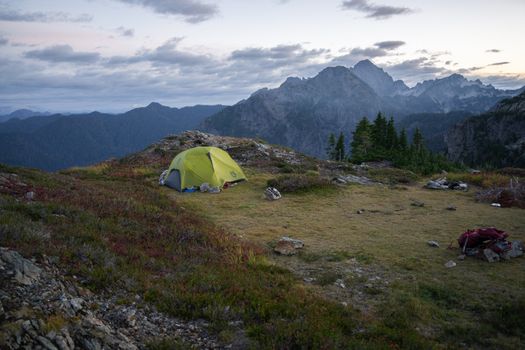
Day hiking gets you great photos, but overnight trekking gets you the universe. Staying on the mountain overnight places you right at the summit before the daylight valley crowds even finish their first cup of hotel coffee. Here are five world-class overnight hikes to sunrise viewpoints you can—and should—tackle right now.
---
1. Volcán Acatenango, Guatemala: Camping Beside an Erupting Volcano
```
[ Volcán de Fuego ] <-- Erupting red lava into dark blue dawn
/\
/ \ [ Acatenango Basecamp ]
/ \ <=== (Where you sleep at 3,750m)
```
If you want a sunrise that feels like the creation of the universe, this is it. Standing at 3,976 meters (13,044 ft), Acatenango sits directly opposite Volcán de Fuego, one of the world’s most consistently active stratovolcanoes. You hike up through farmland, cloud forests, and alpine cinder cone slopes on Day 1, pitch camp on the ridgeline, and watch Fuego shoot red-hot lava into the night sky.
At 4:00 AM, you scramble the final, brutal hour through sliding volcanic scree to the true summit just as the sun peeks over the horizon, casting a giant triangular shadow of Acatenango across the Pacific coast.
Trail Details & Tactics
* Distance: 18 km (11.2 miles) round-trip
* Elevation Gain: 1,600 meters (5,250 ft)
* Difficulty: Strenuous
* Sunrise Highlight: The 6:00 AM light turns Fuego’s ash plumes into glowing rose-gold clouds while molten rock glistens in the dark shadows.
> Pro-Tip: Pack a pair of ski goggles for the 4:00 AM summit push. The wind at the crater rim whips microscopic volcanic ash directly into your eyes, turning an otherwise life-changing dawn into a painful ordeal without eye protection.
---
2. Mueller Hut, Aoraki / Mount Cook, New Zealand: Glacial Alpenglow
Perched on a high alpine shelf in Mount Cook National Park, the crimson-painted Mueller Hut offers front-row seats to New Zealand's highest peaks. The trail demands respect: you’ll haul your overnight kit up 2,200 stair steps (the infamous Sealy Tarns track) before navigating a steep, unmaintained boulder field up to the alpine zone.
Sleeping in the 28-bunk hut puts you in the middle of a glaciated wonderland. As dawn breaks over the Southern Alps, the ice cliffs of Mount Sefton glow fiery orange, and the thunder of distant ice avalanches echoes across the valley below.
```
/\ Aoraki / Mt. Cook (3,724m)
/ \
/ \ [ Mueller Hut ] (1,800m)
~~~~/~~~~~~\~~~~~~|====================| <-- Mueller Glacier
```
Trail Details & Tactics
* Distance: 10.4 km (6.5 miles) round-trip
* Elevation Gain: 1,000 meters (3,280 ft)
* Difficulty: Moderate to Challenging
* Sunrise Highlight: The morning light strikes the 3,000-meter face of Aoraki / Mount Cook, painting the ice walls in vibrant shades of magenta and peach.
> Pro-Tip: Reserve your hut bunk months in advance via the Department of Conservation (DOC) portal. If the hut is full, you can pitch a alpine tent on the rock platforms nearby—just tie your guylines to big boulders because sub-alpine winds here will tear regular tent pegs right out of the dirt.
---
3. Laguna de los Tres (Mount Fitz Roy), Argentina: The Flaming Granite Spires
There is no mountain silhouette on Earth more famous than Patagonia’s Mount Fitz Roy. While many visitors rush up and back on an exhausting 22-kilometer day hike from El Chaltén, true dawn seekers camp overnight at Campamento Poincenot inside the national park.
Waking up at 4:30 AM in the freezing beech forest, you strap on your headlamp for the final 400-meter vertical climb up a steep moraine wall. Reaching the shores of the icy Laguna de los Tres at 5:45 AM, you stand in total silence as the first rays of sunlight hit the vertical sheer granite walls of Fitz Roy, turning the grey rock into a brilliant flame-red spectacle.
```
/\
/ \ Mount Fitz Roy (3,405m)
/ \
/ \ <-- Sunrise light turns granite red
/________\
[ Laguna de los Tres ]
\ /
\ / [ Campamento Poincenot ]
\/ (Sleep here to beat the day-trippers)
```
Trail Details & Tactics
* Distance: 25 km (15.5 miles) round-trip from El Chaltén
* Elevation Gain: 1,020 meters (3,346 ft)
* Difficulty: Moderate (Last hour is very steep)
* Sunrise Highlight: The legendary "Fiery Granite" effect—for roughly 15 minutes, the sheer wall of Fitz Roy turns dark neon orange while the lake below stays deep indigo.
> Pro-Tip: Boil water the night before and store it in an insulated Nalgene inside your sleeping bag. It acts as a heater while you sleep, and gives you non-frozen water ready for coffee at 4:30 AM without waiting for your stove to melt ice.
---
4. Refugio Lagazuoi, Dolomites, Italy: Sleeping Above the Cloud Inversion
If you want world-class sunrise views without sacrificing high-end mountain hospitality, the Dolomite High Route (Alta Via 1) is calling. Refugio Lagazuoi sits at an astounding 2,752 meters (9,028 ft) right on the edge of a cliff face above the Falzarego Pass.
You can hike up via the historical World War I tunnels (Galleria Lagazuoi)—a dark, fascinating scramble through iron-forged military passages built into the mountain core. After spending the night enjoying hot polenta, local venison ragù, and cold South Tyrolean lagers, you step out onto the wooden balcony at dawn to watch the limestone peaks of the Pelmo, Civetta, and Marmolada float above a vast ocean of cloud valley inversions.
Trail Details & Tactics
* Distance: 7.5 km (4.6 miles) up via the tunnel route
* Elevation Gain: 680 meters (2,230 ft)
* Difficulty: Moderate
* Sunrise Highlight: Soft pink pastel alpenglow across the jagged limestone walls of the Cortina Basin, often framed by soft, low-lying cloud inversions.
> Pro-Tip: Skip the main cable car trail for the ascent and climb up through the Galleria Lagazuoi. You must bring a climbing helmet and a bright headlamp, as you'll be hiking through pitch-black historic wartime tunnels carved directly into the mountain bedrock.
---
5. Mount Rinjani Crater Rim, Lombok, Indonesia: Dawn Over the Emerald Sea
Rising high above the tropical island of Lombok, Mount Rinjani (3,726 meters) is one of Southeast Asia's most challenging volcanic treks. The overnight trail takes you through lush rainforest, tall savannah grass, and volcanic ash up to the Plawangan Sembalun crater rim at 2,639 meters.
Camping on the rim gives you panoramic views of the turquoise crater lake (Segara Anak) and the active baby volcano erupting softly inside it (Barujari). For those chasing the ultimate summit sunrise, a midnight wake-up call leads you up the agonizing, sliding gravel rim to the peak. At dawn, the sun rises behind Mount Agun in neighboring Bali, casting a massive, geometric triangular shadow across the sea and island below.
```
/\ Rinjani Summit (3,726m)
/ \
/ \
[ Crater Rim ]/ \
(Basecamp) / \
____________/ \___________
\ /
\ [ Segara Anak ] /
\ (Turquoise Lake) /
\____________________/
```
Trail Details & Tactics
* Distance: 28 km (17.3 miles) multi-day loop
* Elevation Gain: 2,600+ meters total gain
* Difficulty: Extremely Strenuous
* Sunrise Highlight: The distinct, razor-sharp shadow of Mount Rinjani projected onto the cloud deck across the ocean toward Bali.
> Pro-Tip: Hire an accredited local guide and porter team from Sembalun. Not only is it legally required to support the local Sasak mountain community, but the porters carry heavy water supplies and fresh food, making this intense volcanic trek manageable.
---
Master Comparison & Logistics Guide
Planning your sunrise expedition requires careful budgeting, gear selection, and timing. Use this breakdown to match your budget and skill level:
| Mountain & Location | Best Season | Difficulty | Est. Permit / Cost ($USD) | Target Sunrise Time |
| :--- | :--- | :--- | :--- | :--- |
| Volcán Acatenango<br>(Guatemala) | Nov – April | Strenuous | $50 – $90 (Guided) | 5:45 AM – 6:15 AM |
| Mueller Hut<br>(New Zealand) | Nov – April | Moderate/Hard | $30 (Hut booking) | 5:30 AM – 6:00 AM |
| Laguna de los Tres<br>(Argentina) | Oct – March | Moderate | Free Entry | 5:45 AM – 6:20 AM |
| Refugio Lagazuoi<br>(Italy) | June – Sept | Moderate | $90 – $130 (Inc. Meals) | 6:00 AM – 6:30 AM |
| Mount Rinjani<br>(Indonesia) | April – Oct | Extreme | $220 – $350 (Full Tour) | 5:30 AM – 6:00 AM |
---
Essential Gear for Overnight Sunrise Treks
When you climb into high elevations at 4:00 AM, standard day-hiking gear won't keep you warm or safe. The temperature at high-altitude viewpoints drops dramatically right before dawn—a phenomenon known as radiation cooling.
```
[ HEAD ] - Merino wool beanie + 300+ Lumen Headlamp (Red Light Mode)
[ CORE ] - Thermal base layer + Down jacket (800-fill) + Windproof shell
[ HANDS ] - Wind-resistant fleece gloves
[ LEGS ] - Trekking pants over thermal tights
[ FEET ] - Wool socks + Broken-in waterproof boots
```
The 4 Dawn-Chaser Essentials:
1. Red-Light Headlamp: White light ruins your night vision and blinds other hikers on steep switchbacks. Use red-light mode until you need full visibility on complex terrain.
2. Insulated Seat Pad: Sitting on frozen rock while waiting 45 minutes for the sun to rise will leech warmth right out of your core. A lightweight closed-cell foam pad weighs almost nothing and saves your heat.
3. Thermal Flask: Cold mountain air drains camera batteries and freezes water bladders. Keep your drinking water in insulated flasks, and stash camera batteries inside your internal jacket pocket against your body heat.
4. Trekking Poles: Descending 1,000+ meters of loose rock, volcanic scree, or frozen stairs after sunrise is brutal on tired knees. Dual trekking poles cut joint impact by up to 25%.
---
Final Thoughts: The Art of Chasing First Light
There is a brief moment, right as the sun clears the edge of the world, when every tired muscle, cold toe, and midnight alarm vanishes. Standing high on a ridge above the clouds, watching the darkness yield to golden light, you realize that the hardest views to earn are always the ones that stay with you forever.
Pack your bag, check your headlamp batteries, and set the alarm early. The sunrise is waiting.
---