Secret Aurora Spots: Unveiling the Northern Lights' Best-Kept Secrets (They Don't Want You to Know!)
I remember my first Northern Lights chase. It was Iceland, a few years back, and I was buzzing with anticipation. We booked a bus tour, piled in with 50 other excited tourists, and drove to a designated "viewing spot." When the lights finally flickered, a faint green ribbon against the inky sky, it was beautiful, yes. But it was also... noisy. Camera flashes popped, conversations buzzed, and the sheer number of people diluted the magic. I felt like I was at a concert, not witnessing one of nature's most ethereal displays.
That experience sparked a mission. What if the real magic wasn't on the well-trodden paths? What if the locals, the ones who live under these celestial dances year after year, knew something we didn't? So, I started asking. I bought rounds of coffee, shared stories in dimly lit pubs, and drove down countless unpaved roads. And you know what? They do know. They know the quiet coves, the secluded forest clearings, the specific hilltops with zero light pollution and panoramic views. These aren't just "better" spots; they're transformative.
Welcome, fellow aurora chaser, to the ultimate guide to experiencing the Northern Lights like a local – in solitude, wonder, and breathtaking silence. I'm about to spill some secrets that might make a few Arctic residents grumble, but trust me, it's worth it.
The Aurora Whisperer's Golden Rule: Embrace the Rental Car (and the Darkness)
Before we dive into specific locations, let's establish the cardinal rule: if you want to find these hidden gems, you need freedom. That means a rental car. Public transport won't cut it, and tour buses are designed for convenience, not discovery. Opt for a 4x4 if you're venturing into snowy or unpaved territories.
The other crucial element? Darkness. Local spots are often chosen for their complete lack of artificial light. This means driving away from towns, even small ones. Patience, a good map (offline!), and a sense of adventure are your best friends.
1. Iceland's Snæfellsnes Peninsula: Beyond the Golden Circle's Glow
Everyone flocks to the Golden Circle or the South Coast for Iceland's aurora. And while they're beautiful, the light pollution from Reykjavik and the sheer volume of people can be distracting. My Icelandic friend, Guðrún, an artist living near Grundarfjörður, finally shared her secret after a particularly strong espresso.
The Spot: Kirkjufell's Lesser-Known Neighbor - Bjarnarfoss Waterfall
Yes, Kirkjufell mountain is iconic, and it's a stunning backdrop for the aurora. But it's also packed. Guðrún suggested a spot just a short drive away, near the Bjarnarfoss waterfall. "Most tourists stop at the main viewing platform," she told me, "but if you drive a little further, past the turn-off, there's a small gravel track. Park there and walk towards the coast. You get the same dramatic cliffs, the roar of the waterfall (which adds to the primal feel), but with almost no one else."
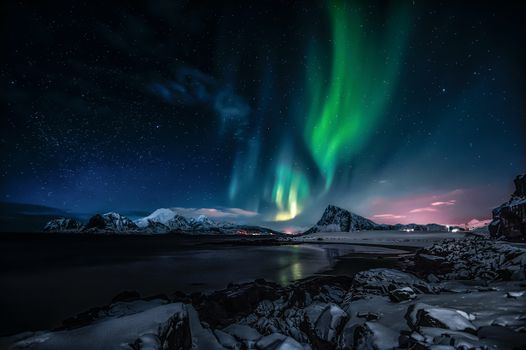
I tried it. One crisp November night, after a day exploring the peninsula, the sky exploded. The aurora danced over the rugged coastline, reflecting faintly in the churning waters near the falls. The only sounds were the wind, the waterfall, and my own gasp of awe. It felt like I had the entire show to myself.
- How to get there: From Grundarfjörður, head west on Route 54. Just before you reach the turn-off for Bjarnarfoss (which will be marked), look for a subtle gravel track on your left (if coming from Grundarfjörður). It's easy to miss in the dark. If you hit the main Bjarnarfoss parking, you've gone too far. Park carefully and walk towards the coast.
- Why it's better: Minimal light pollution from towns, dramatic natural features (waterfall, cliffs) as foreground, and most importantly – solitude.
- Insider Tip: Pack a thermos of hot chocolate and some traditional Icelandic kleina (donuts). The cold can be intense, but the warmth and local treat make the wait magical.
2. Norway's Kvaløya Island: Tromsø's Wild Backyard
Tromsø is the undisputed "Gateway to the Arctic" and a Northern Lights hotspot. But again, tours abound. My guide, a Sami elder named Mikael who runs a small dog-sledding operation on Kvaløya, scoffed at the idea of watching the aurora from a crowded beach. "The lights need space to breathe," he'd say, "and so do you."
The Spot: Ersfjordbotn's Hidden Cove
Ersfjordbotn is a popular fjord just outside Tromsø, known for its stunning beauty. But Mikael pointed me towards a less-traveled section. "Drive past the main village of Ersfjordbotn," he instructed, "and keep going on the coastal road, past the 'Ersfjordbotn Camping' sign. About 5-7 minutes further, there's a small, unmarked pull-off on the right, just before a sharp bend. There's a slight dip in the terrain, leading to a small, rocky cove. It's a bit of a scramble down, but the view is unobstructed, facing north-east over the fjord."
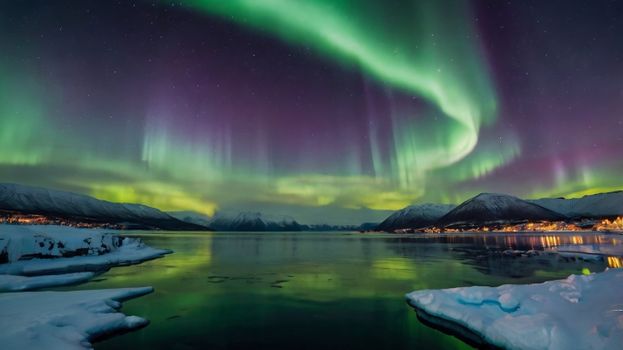
I followed his directions. The scramble was a bit tricky in the snow, but the payoff was immediate. The fjord stretched out, dark and silent, framed by towering, snow-capped mountains. When the aurora flared, it filled the entire sky, painting the mountains in hues of green and violet. The only sound was the gentle lapping of the waves against the shore. It was breathtakingly intimate.
- How to get there: From Tromsø, take Route 862 towards Kvaløya. Follow signs for Ersfjordbotn. Drive through the main village. Continue on the same road (it narrows) for about 5-7 minutes past the camping sign. Look for a small, unmarked pull-off on the right side of the road, just before a sharp left bend. Park carefully and look for a path leading down to the water.
- Why it's better: Deep fjord views, mountain backdrops, significantly less light pollution than closer to Tromsø, and a sense of discovery.
- Insider Tip: Wear sturdy, waterproof boots with good grip for the short hike down to the cove. A headlamp is essential for the walk back, but remember to turn it off completely while viewing the lights.
3. Finnish Lapland: Deep in the Silent Taiga
Rovaniemi and Levi are popular, but the true magic of Finnish Lapland lies in its vast, silent forests. I met a reindeer herder named Ahti near Inari, deep in the north, who spoke of the aurora as a living spirit. "She prefers the quiet places," he told me, "where the trees can whisper her secrets."
The Spot: Ahti's Lake Shore Clearing near Lake Inari
Ahti's secret spot isn't a named place but rather a type of location: a forest clearing on the shore of one of the thousands of lakes that dot Lapland, far from any habitation. His specific spot was off a logging road, about 45 minutes drive from Inari, near a small, frozen lake. "Find a lake that isn't connected to a main road," he advised. "The more remote, the better. Look for a clearing where the trees don't block the view, especially to the north."
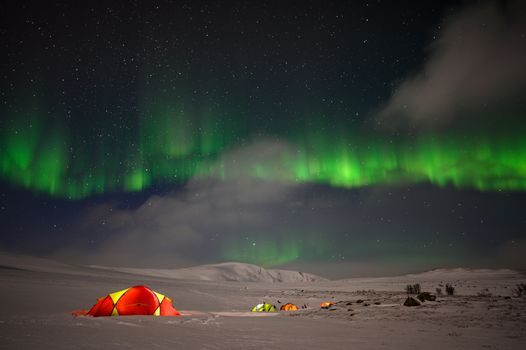
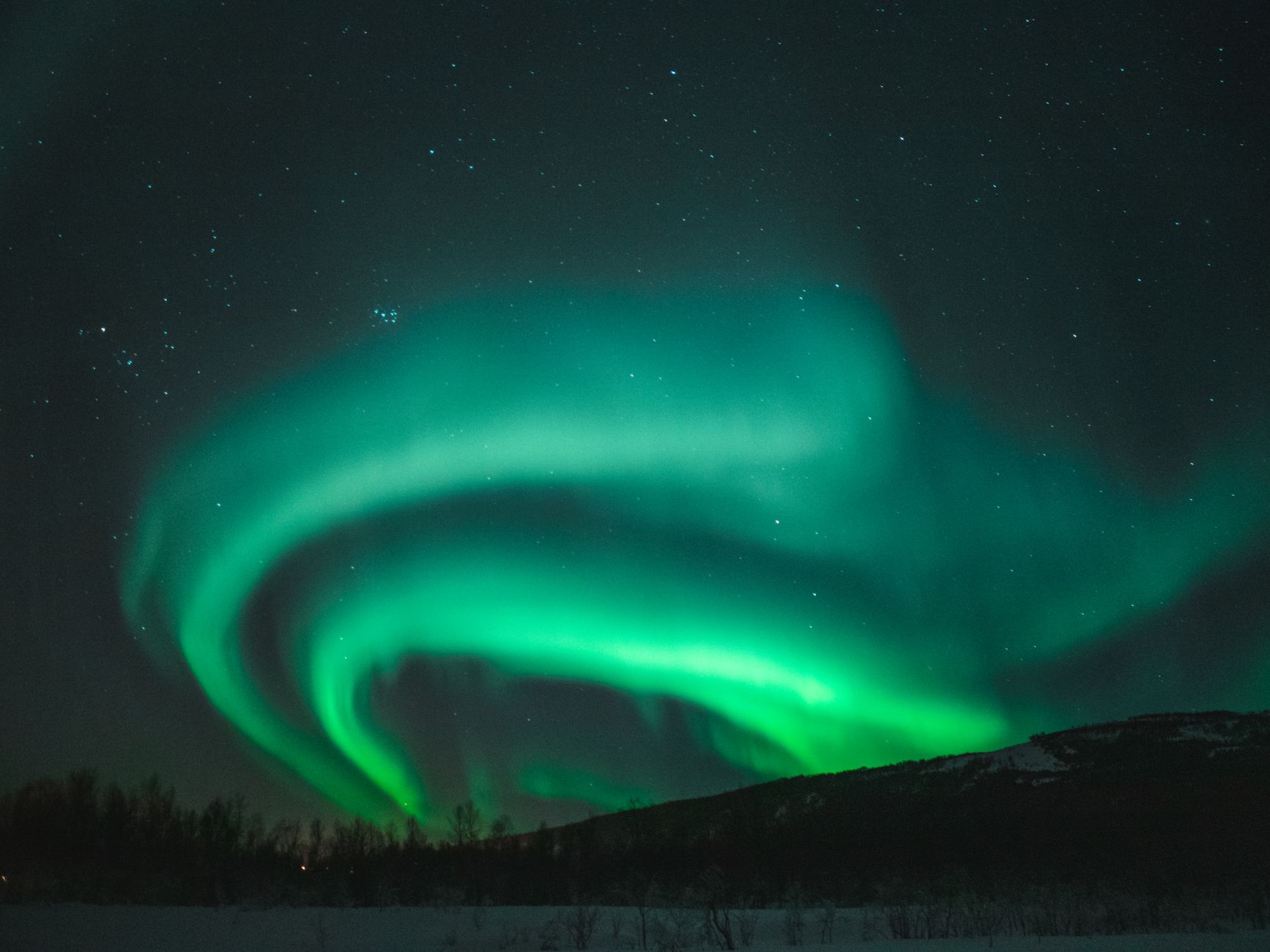
The night I went, the temperature plummeted to -30°C. But the air was utterly still, and the sky was a canvas of inky black. The aurora began as a faint glow, then erupted into vibrant curtains that shimmered and danced, reflecting perfectly on the frozen surface of the lake. The silence was profound, broken only by the crunch of my boots on the snow and the rapid fire of my camera shutter. It was a spiritual experience.
- How to get there: This requires more adventurous navigation. From Inari, head north on E75. After about 15-20 minutes, look for small, unmarked logging roads branching off to the left or right. Take one that leads deeper into the forest. Use an offline map app (like Maps.me) to identify smaller lakes that aren't easily accessible. Drive until you find a suitable clearing or pull-off near a lake with an open view to the north. This is where a 4x4 is crucial.
- Why it's better: Absolute zero light pollution, stunning reflections on frozen lakes, the profound silence of the taiga forest.
- Insider Tip: This is serious Arctic wilderness. Tell someone where you're going. Have a fully charged phone, extra layers, a survival blanket, and a shovel in your car. A thermos with hot berry juice (glögi) is a must.
4. Swedish Lapland: Abisko's Backcountry Beauty
Abisko National Park is famous for its "Blue Hole," a patch of sky often clear even when surrounding areas are cloudy. This attracts many tourists. But just beyond the main park boundaries, the wilderness stretches, offering even more secluded beauty. My guide, a former park ranger named Sven, believed the true magic was found by earning it.
The Spot: The Torneträsk Lake Shore, away from the STF Abisko Turiststation
Sven explained that while the Sky Station is popular, the light from the station itself, however minimal, can still affect the immediate surroundings. "Drive east or west along the shores of Lake Torneträsk," he suggested, "away from the main tourist station. There are numerous small pull-offs and clearings right by the lake. The lake itself is so vast, it acts as a giant mirror for the lights, and the open expanse gives you an uninterrupted view."
I chose a pull-off about 20 minutes west of the STF Abisko Turiststation. The wind whipped off the massive lake, but the sky was clear as glass. When the aurora appeared, it was a colossal spectacle, stretching from horizon to horizon, its greens and pinks shimmering over the frozen expanse of Torneträsk. The scale was overwhelming, and the solitude made it feel like a private performance.
- How to get there: From Abisko, take E10 either east or west. Drive for 15-30 minutes, looking for small, unmarked pull-offs or areas where you can safely park off the road right by the lake. Ensure you're far enough from any streetlights or buildings.
- Why it's better: Vast open views over one of Europe's largest lakes, excellent reflective potential, and away from the concentrated tourist activity.
- Insider Tip: The wind can be brutal off Lake Torneträsk. Dress in extreme layers, including windproof outer shells, thermal face masks, and heavy-duty mittens. Hand warmers are your friend!
5. Canada's Yukon: The Embrace of the Boreal Forest
Whitehorse is the hub for Yukon aurora chasing, but the true wilderness experience lies deeper. I spent a week with a First Nations family near a small community, learning about their deep connection to the land. "The lights are our ancestors dancing," Elder Mary told me. "They dance for those who listen to the land."
The Spot: Lake Laberge's Quiet Shores
Lake Laberge is a massive, beautiful lake north of Whitehorse, but most visitors stick to the main access points. Elder Mary, however, pointed me to a less-used section. "Take the Lake Laberge Road," she advised, "but don't go to the main recreation sites. Keep driving north past them. You'll find smaller, unpaved tracks leading to the lake. Look for a spot where the trees open up, giving you a clear view across the water."
The night I ventured there, the air was crisp, and the scent of pine filled the air. The aurora began subtly, a faint glow above the dark outline of the distant treeline. Then, it intensified, a vibrant green wave undulating across the vast sky, reflecting on the still, dark waters of the lake. The only sound was the occasional hoot of an owl. It felt ancient, powerful, and deeply spiritual.
- How to get there: From Whitehorse, take the Klondike Highway (Hwy 2) north. Turn right onto Lake Laberge Road. Follow this road, passing the main public access points. Keep an eye out for smaller, unpaved tracks leading off to the left towards the lake. These are often unmarked. A 4x4 is highly recommended, especially in winter.
- Why it's better: Immense wilderness feel, excellent reflections on the lake, and a sense of true Canadian solitude.
- Insider Tip: Be aware of wildlife, especially moose, which can be active at night. Drive slowly and keep an eye out. Bring bear spray if it's not deep winter (bears hibernate, but it's good practice to be aware). A good quality flashlight is essential.
Practical Tips for the Aurora Seeker (Beyond the Secret Spots)
Finding these hidden gems is only half the battle. Here's what else you need to ensure your aurora hunt is successful and memorable:
- Aurora Forecast Apps: Download "My Aurora Forecast & Alerts" or "Aurora Forecast" (or similar local apps) for real-time KP-index (geomagnetic activity) and cloud cover predictions. The higher the KP, the better the show.
- Weather, Weather, Weather: Clear skies are non-negotiable. Even high KP numbers are useless if it's cloudy. Check local weather forecasts religiously.
- Dress for the Arctic: Layers, layers, layers! Thermal base layers (wool or synthetic, no cotton), fleece mid-layers, and a waterproof, windproof outer shell. Warm hat, thermal gloves/mittens, wool socks, and insulated, waterproof boots are non-negotiable. Hand and toe warmers are lifesavers.
- Photography Essentials:
- Tripod: Absolutely essential for long exposures.
- Wide-angle lens: To capture the vastness of the sky.
- DSLR or Mirrorless camera: With manual settings.
- Spare batteries: Cold drains batteries fast. Keep spares in an inside pocket to keep them warm.
- Remote shutter release: To avoid camera shake.
- Headlamp with red light option: Red light preserves night vision better than white.
- Patience is a Virtue: The aurora is fickle. You might wait hours, or it might appear instantly. Be prepared for the long haul. Bring snacks, hot drinks, and good company (or enjoy the solitude).
- Respect the Locals & the Environment: These are cherished spots. Leave no trace. Pack out everything you pack in. Be mindful of noise. If you see someone already there, give them space.
- No Guarantees: Even with perfect planning, nature dictates the show. Sometimes the lights just don't appear. Enjoy the journey, the starry skies, and the profound silence of the Arctic wilderness regardless.
Conclusion: Your Aurora Adventure Awaits
Chasing the Northern Lights away from the crowds is more than just a photography opportunity; it's an immersive, almost spiritual experience. It’s about connecting with nature on a primal level, feeling the vastness of the universe, and witnessing a spectacle that few truly experience in solitude.
These "secret" spots aren't just coordinates on a map; they're invitations to a different kind of travel – one built on curiosity, respect, and a willingness to venture beyond the obvious. So, rent that car, pack those layers, and prepare to discover the aurora as it was meant to be seen: in breathtaking, unforgettable silence.
Have you discovered a hidden aurora gem? Share your stories (or keep them secret, we understand!) in the comments below. And if this guide inspires your next Arctic adventure, don't forget to tag #TripsoraLights on your Instagram shots!
---