The Death of the Megamuseum (And Why You Should Care)
I stepped off the Métro at Palais Royal–Musée du Louvre, and the smell hit me instantly: a mix of damp stone, expensive espresso, and the unmistakable scent of three thousand tourists breathing the same recycled air. I looked at the line snaking around the glass pyramid—a shimmering heat-map of frustration—and I kept walking.
Don’t get me wrong; I respect the Louvre. But let’s be honest: art isn't meant to be consumed like a clearance sale at a department store. You can’t have a spiritual moment with a Delacroix when a selfie stick is hovering three inches from your left eye.
This spring, the "Slow Travel" movement has finally hit the museum world. High-net-worth travelers and art aficionados are ditching the blockbusters for "Boutique Sanctuaries"—spaces where the architecture is as vital as the canvas, and where you can actually hear your own thoughts.
Here are the museums better than the Louvre with no lines that are trending this spring.
---
1. The Musée de l’Orangerie, Paris: The "Sistine Chapel of Impressionism"
If the Louvre is a shout, the Orangerie is a whisper. Located at the far end of the Tuileries Garden, this museum was specifically designed to house Claude Monet’s Water Lilies (Nymphéas).
Why it’s better:
While the Louvre forces you to hike miles of linoleum, the Orangerie offers two oval rooms that wrap you in 360 degrees of ethereal light. In spring, the natural light filtering through the glass ceiling mimics the exact conditions Monet painted under at Giverny.
The Insider Experience:
Ignore the downstairs gallery for the first twenty minutes. Head straight to the Nymphéas rooms at 9:00 AM. Sit on the central bench. The silence is so thick you can almost hear the ripple of the painted water.
- Pro-Tip: Book the "First Slot" ticket online, but enter through the side gate on the Place de la Concorde side to bypass the main Tuileries joggers.
---
2. The Sir John Soane’s Museum, London: The Architect’s Fever Dream
Forget the British Museum’s echoing halls. Tucked away in Lincoln's Inn Fields is the former home of Sir John Soane, the architect of the Bank of England. It is a labyrinth of shadows, mirrors, and hidden panels.
Why it’s trending:
"Maximalism" is back in a big way for Spring 2024, and Soane’s house is the OG of the aesthetic. It feels less like a museum and more like the private study of a mad genius.
The Insider Experience:
The "Picture Room" features walls that literally fold out like a pop-up book to reveal more paintings. Ask a docent to show you the hidden Hogarths. It’s a tactile, analog thrill that no digital immersive exhibit can match.
- Pro-Tip: Visit on the first Tuesday of the month for their "Candlelit Evening." No electric lights, just the flicker of wax on 3,000-year-old Egyptian sarcophagi.
---
3. Museo Sorolla, Madrid: The House of Light
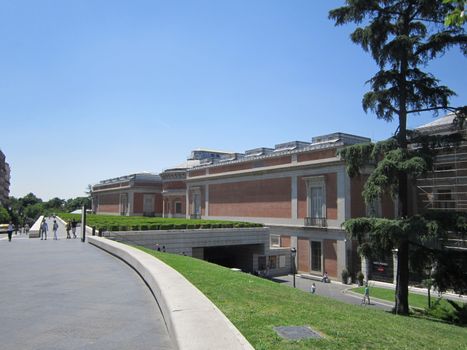
While the Prado is currently swamped with crowds for its latest temporary exhibitions, the Museo Sorolla remains Madrid’s best-kept secret. This was the home and studio of Joaquín Sorolla, the "Painter of Light."
Why it’s better:
In spring, the museum’s Andalusian-style gardens are in full bloom. The scent of orange blossoms and the sound of the bubbling Moorish fountains create a sensory prelude to the art inside. Sorolla’s canvases—filled with white sails, sun-drenched beaches, and flowing dresses—are the visual embodiment of spring.
The Insider Experience:
The studio still has his original brushes and palettes laid out. It feels as if he just stepped out for a glass of sherry.
- Pro-Tip: The garden is free to enter. Grab a notebook, sit by the tiles, and sketch. You’ll have more "Instagrammable" content here than anywhere in the Royal Palace.
---
4. The Bourse de Commerce – Pinault Collection, Paris: The Concrete Cylinder
If you want to see where the real fashion editors and art directors go when they’re in Paris, this is it. Housed in the former grain exchange, billionaire François Pinault tapped architect Tadao Ando to insert a massive concrete cylinder into the historic rotunda.
Why it’s better:
It’s the ultimate juxtaposition of 18th-century frescoes and brutalist minimalism. Unlike the Louvre, the Bourse rotates its collection frequently, meaning you’re seeing the "now" of the art world.
The Insider Experience:
Walk the upper walkway of the concrete cylinder. You get a bird's-eye view of the contemporary installations below and a close-up of the 19th-century panoramic mural above. It’s a literal bridge between centuries.
- Pro-Tip: Lunch at Halle aux Grains on the top floor. The menu is based entirely on seeds and grains, and the views of Saint-Eustache are unparalleled.
---
5. Galleria Borghese, Rome: The Controlled Masterpiece
The Vatican Museums are a marathon; the Galleria Borghese is a sprint of pure excellence. Because they strictly limit entry to 360 people every two hours, there are never lines inside.
Why it’s better:
You can stand inches away from Bernini’s Apollo and Daphne. You can see the thumb of Pluto pressing into Proserpina’s marble thigh—a detail that looks like soft flesh rather than stone. In the Louvre, you’d be fighting twenty people for that view.
The Insider Experience:
The villa is located in the heart of the Villa Borghese park. After your slot, rent a rowboat on the nearby lake. It’s the quintessential Roman spring afternoon.
- Pro-Tip: Tickets sell out weeks in advance. If you missed out, check the "Last Minute" window at the box office exactly 30 minutes after a time slot starts; they often release no-show tickets.
---
6. The Louisiana Museum of Modern Art, Denmark: Art on the Edge
Located 35 minutes north of Copenhagen, the Louisiana is often cited by architects as the most beautiful museum in the world. It’s not just a building; it’s a dialogue with the Øresund Strait.
Why it’s trending:
The "Coastal Quiet" trend is dominating travel itineraries. The Louisiana offers a mix of Giacometti sculptures overlooking a reflection pond and a sculpture park that leads down to the sea.
The Insider Experience:
The museum is designed as a circular path. Don't rush. The transition from the cozy, low-ceilinged original villa to the soaring glass corridors is a masterclass in spatial psychology.
- Pro-Tip: Take the "Coast Line" train from Copenhagen Central. The journey itself, through beech forests and past seaside villas, is part of the therapy.
---
Quick Facts & Logistics
| Museum | Location | Est. Cost | Best Time to Visit | Vibe |
| :--- | :--- | :--- | :--- | :--- |
| Musée de l'Orangerie | Paris, FR | €12.50 | 9:00 AM, Tuesday | Zen, Impressionist, Airy |
| Sir John Soane’s | London, UK | Free | 10:00 AM, Weekdays | Eccentric, Historical, Moody |
| Museo Sorolla | Madrid, ES | €3.00 | 2:00 PM (Siesta time) | Sunny, Floral, Intimate |
| Bourse de Commerce | Paris, FR | €14.00 | Late Thursday (Open late) | Ultra-Modern, Chic, Bold |
| Galleria Borghese | Rome, IT | €15.00 | Sunset Slot (5:00 PM) | Baroque, Luxurious, Elite |
| Louisiana Museum | Humlebæk, DK | 145 DKK | Wednesday Evening | Coastal, Nordic, Serene |
---
The Verdict: Why Spring is the Season of the Boutique Museum
Spring is a season of rebirth, and your travel itinerary should reflect that. Why spend your precious PTO standing on a hot pavement in a line that moves at the speed of a glacier?
The museums listed above offer something the Louvre simply cannot: Intimacy. They allow you to see the brushstrokes, to hear the floorboards creak, and to feel the specific "genius loci" (spirit of the place) that inspired the artists.
This spring, don't just check a box. Experience the art. The lines are non-existent, the coffee is better, and the memories will be yours alone—not shared with a thousand strangers in a grainy iPhone photo.