The sun was just beginning to peek over the horizon, painting the sky in fiery oranges and soft purples. I had hiked for an hour in the pre-dawn chill, tripod slung over my shoulder, heart pounding with anticipation. This was it – the "secret" viewpoint overlooking a famous European lake, promised to be utterly deserted at this hour. My vision: a serene, misty panorama, perfectly framed, ready for that viral Instagram moment.
I arrived, breathless, to find… a busload of fellow photographers, all jostling for the exact same spot, their phone flashlights cutting through the gloom, voices chattering in a dozen languages. My heart sank faster than a poorly packed backpack. So much for "secret." So much for "zero crowds." I managed a few mediocre shots before retreating, defeated, to find a coffee and ponder the elusive nature of true hidden gems in our hyper-connected world.
Sound familiar? In an age where every picturesque corner seems to be instantly 'discovered' and subsequently swarmed, finding genuinely photogenic spots that aren't overrun feels like searching for a unicorn. But what if I told you the unicorns still exist? What if there are places, truly trending among savvy travellers, that offer breathtaking beauty and incredible photo opportunities, all without the elbow-to-elbow chaos?
Welcome to the Tripsora guide to the real hidden gems. These aren't just pretty places; they're experiences. They require a little effort, perhaps a touch more planning, but the payoff? Unforgettable memories, pristine photos, and the profound satisfaction of discovering something truly special. I've personally explored these corners of the world, and I'm thrilled to share my secrets for capturing their magic, crowd-free. Get ready to bookmark, share, and start packing – your next viral-worthy, solitary adventure awaits!
1. Gjipe Beach Canyon, Albania – The Secret Riviera Escape
Forget the crowded beaches of the French Riviera or even the more popular spots in Greece. Albania's coastline is a revelation, and Gjipe Beach is its crown jewel, especially if you crave dramatic scenery and a sense of adventure. Tucked away at the end of a rugged canyon, this beach isn't just beautiful; it's an experience.
My Gjipe Story:
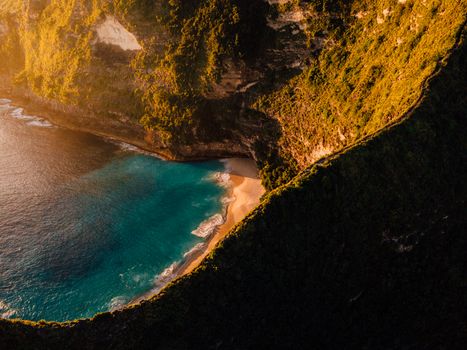
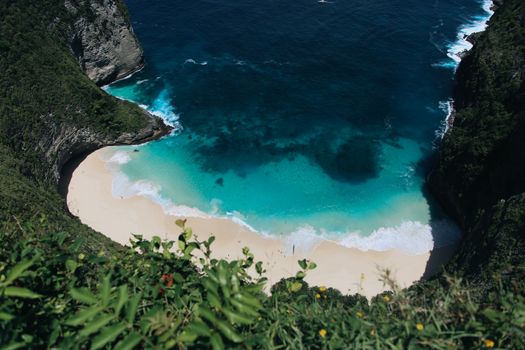
My first glimpse of Gjipe was from above, after a bumpy drive down a dirt track and a 30-minute scramble along a winding path. The turquoise Ionian Sea sparkled against the towering limestone cliffs, and the beach itself was a pristine crescent of white pebbles, almost entirely empty. I felt like I'd stumbled into a scene from a forgotten adventure movie. We spent the day exploring sea caves, swimming in crystal-clear waters, and simply basking in the profound quiet. The only 'crowd' was a handful of campers who had set up tents further down the beach. As the sun dipped, casting long shadows across the canyon, I took some of my favourite landscape shots – moody, dramatic, and utterly devoid of human interruption.
Why it's Trending & Crowd-Free:
Albania is having its moment, but Gjipe still requires effort to reach. You can't just drive up; it's either a walk down a steep track or a boat trip. This natural barrier keeps the masses away, making it a haven for those who seek out unique, off-the-beaten-path experiences. The canyon itself is a geological wonder, perfect for dramatic wide-angle shots.
Practical Tips for Your Visit:
* Getting There: From the coastal road (SH8), look for signs for "Gjipe Plazh." You'll turn onto an unpaved road. You can park at the top and hike down (about 30-40 minutes, wear sturdy shoes!), or for a small fee, some locals offer rides in 4x4s down part of the way. Alternatively, you can hire a boat from nearby Himarë or Dhërmi.
* Best Time to Go: Early morning is magical for soft light and guaranteed solitude. Late afternoon for stunning sunset hues. Avoid peak summer weekends for absolute peace, though even then, it's manageable.
* What to Bring: Water, snacks (limited facilities), sunscreen, a wide-brimmed hat, sturdy walking shoes, and your camera gear. A drone would capture incredible aerials of the canyon.
* Photo Ops: The panoramic view from the top of the canyon path, the beach itself with the towering cliffs, the sea caves (especially at low tide), and the vibrant turquoise water. Look for interesting rock formations!
Estimated Cost:
Free (parking/hike), boat trips vary (€10-20).
2. Bardenas Reales, Spain – Europe's Wild West Desert
When you think of Spain, you probably picture bustling cities, sunny beaches, or historic architecture. But tucked away in Navarre, northern Spain, lies Bardenas Reales, a semi-desert natural park that looks like it's been plucked straight out of Arizona or a sci-fi movie. This UNESCO Biosphere Reserve is a truly unique geological marvel, characterized by its barren badlands, deep ravines, and dramatic, wind-sculpted rock formations.
My Bardenas Adventure:
I rented a small car in Pamplona and drove south, watching the lush green landscape slowly transform into something otherworldly. The moment I entered Bardenas, it felt like I'd driven onto another planet. Miles of dusty tracks wound through towering clay formations, some resembling giant mushrooms, others resembling abstract sculptures. I spent an entire day driving the main loop, stopping frequently to hike short trails and just absorb the profound silence. There were moments I didn't see another soul for an hour, just the wind whispering through the dry earth. The highlight was Castil de Tierra, an iconic conical hill with a balancing rock on top – a photographer's dream, especially at golden hour.
Why it's Trending & Crowd-Free:
While known to Spanish nature enthusiasts, Bardenas Reales is still largely off the international tourist radar. Its remote location and the need for a car to properly explore deter casual visitors. It's a trending spot for landscape photographers and adventurers seeking unique European scenery without the crowds of national parks in the US.
Practical Tips for Your Visit:
* Getting There: The easiest way is by car. Fly into Pamplona (PNA) or Zaragoza (ZAZ) and rent a car. The park is well-signposted from nearby towns like Tudela.
* Best Way to Explore: A car is essential. There's a well-maintained circular track (about 34km) through the Bardena Blanca region, which is suitable for most vehicles. You can also cycle parts of it.
* Best Time to Go: Spring and autumn offer pleasant temperatures. Summers can be scorching, and winters can be cold. Early morning or late afternoon for the best light (golden hour is spectacular).
* What to Bring: Lots of water, sun protection (hat, sunscreen), sturdy shoes for short hikes, and your wide-angle lens.
* Photo Ops: Castil de Tierra is the star, but also look for abstract patterns in the eroded landscape, the vast open spaces, and the dramatic skies.
Estimated Cost:
Free entry to the park. Car rental costs apply.
3. Yakushima Island, Japan – Ancient Forests and Mystical Mists
Japan is a land of contrasts, and while most flock to Tokyo's neon glow or Kyoto's ancient temples, true magic lies further afield. Yakushima, a UNESCO World Heritage site off the southern coast of Kyushu, is an island of ancient cedar forests, moss-covered valleys, and an almost otherworldly atmosphere. It's the inspiration for Studio Ghibli's "Princess Mononoke," and when you step into its depths, you'll understand why.
My Yakushima Immersion:
The journey to Yakushima itself felt like an adventure – a ferry ride from Kagoshima, followed by a local bus to my guesthouse. The next morning, I set out for the Jomon Sugi trail, a challenging but rewarding hike to the island's oldest and largest cedar tree. The air was thick with the scent of damp earth and ancient wood. Moss-covered roots snaked across the forest floor, streams gurgled, and mist swirled through the canopy, creating an ethereal, almost spiritual experience. Despite the popularity of the Jomon Sugi, the sheer length of the hike (10-12 hours round trip) naturally filters out the casual tourist. For hours, I walked in near-solitude, feeling like a tiny explorer in a vast, timeless world. The photos I captured, especially of the Shiratani Unsuikyo (Moss Forest), are some of my most cherished – deep greens, soft light, and a profound sense of peace.
Why it's Trending & Crowd-Free:
Yakushima is increasingly on the radar for nature lovers and hikers, but its remote location and the commitment required for its iconic trails (like Jomon Sugi) ensure that it remains a serene escape. It's a trending spot for those seeking "off-the-beaten-path Japan" and a deep connection with nature.
Practical Tips for Your Visit:
* Getting There: Fly from Osaka (ITM) or Fukuoka (FUK) to Yakushima Airport (KUM), or take a ferry (fast hydrofoil or slower car ferry) from Kagoshima.
* Permits & Guides: While not always mandatory, a guide is recommended for longer hikes like Jomon Sugi, and sometimes permits are required for certain areas. Check official websites.
* Best Season: Spring (April-May) and autumn (October-November) offer pleasant hiking weather. Summers are hot and humid, and typhoon season can bring heavy rain.
* What to Bring: Rain gear (it rains a lot!), sturdy waterproof hiking boots, layers of clothing, plenty of water, and snacks. A wide-angle lens and a macro lens for the moss are highly recommended.
* Photo Ops: The moss forest (Shiratani Unsuikyo), ancient cedar trees (especially Jomon Sugi from the viewing platform), waterfalls (Senpiro-no-Taki, Oko-no-Taki), and the misty mountain landscapes.
Estimated Cost:
Ferry (~¥5,000-10,000 one way), bus pass (~¥2,000-3,000/day), accommodation (~¥5,000-15,000/night).
4. Costa Nova, Portugal – Striped Houses and Salty Air
Portugal offers so much more than Lisbon and Porto. Just a short hop from the charming canal city of Aveiro lies Costa Nova, a vibrant fishing village renowned for its iconic, brightly striped houses called palheiros. These traditional wooden fishermen's dwellings, once used to store fishing gear, are now adorable holiday homes and a photographer's dream.
My Costa Nova Charm Offensive:
I arrived in Costa Nova on a crisp autumn morning, just as the first rays of sun were hitting the colourful stripes of the palheiros. The air smelled of salt and the sea, and a few local fishermen were mending nets near their boats. I walked along the promenade, mesmerized by the sheer variety of stripes – vertical, horizontal, every colour imaginable. There were only a handful of other early risers, mostly locals walking their dogs. It felt like stepping into a postcard that no one else had discovered yet. I spent hours capturing the playful geometry of the houses against the clear blue sky, the vibrant colours popping in the soft morning light. Later, I enjoyed a delicious fresh seafood lunch at a local restaurant, watching the waves crash on the deserted beach.
Why it's Trending & Crowd-Free:
Costa Nova's charm is undeniable, and it's gaining traction on social media for its unique aesthetic. However, its slightly off-the-main-tourist-route location (requiring a short bus or taxi ride from Aveiro) and the fact that most tourists visit Aveiro itself, mean that Costa Nova often remains blissfully uncrowded, especially if you visit strategically.
Practical Tips for Your Visit:
* Getting There: Take a local bus from Aveiro's city centre (about 20-30 minutes) or a taxi/Uber. Aveiro is easily reachable by train from Porto or Lisbon.
* Best Time to Go: Early morning (before 9 AM) is key for crowd-free photos and beautiful soft light. Off-season (late autumn to early spring) offers more solitude. Avoid peak summer afternoons if possible.
* What to Bring: Your camera (a wide-angle lens is great for capturing the full houses), comfortable walking shoes, and an appetite for fresh seafood!
* Photo Ops: The striped palheiros are the main attraction – experiment with different angles, close-ups of the textures, and wide shots with the beach or sky. The beach itself is also very photogenic.
Estimated Cost:
Bus from Aveiro (~€2-3), seafood lunch (~€15-25).
5. Sumba Island, Indonesia – Untamed Beauty and Cultural Riches
When most people think of Indonesia, Bali comes to mind. But just an hour's flight east, Sumba Island offers a completely different, raw, and utterly captivating experience. Known for its rolling savannahs, pristine beaches, traditional villages with towering thatched roofs, and unique Pasola horse-riding festivals, Sumba is a true frontier for adventurous travellers.
My Sumba Immersion:
Landing in Tambolaka, West Sumba, felt like stepping back in time. The air was warm, the landscape vast and undeveloped. My local guide, a friendly Sumbanese man named Dedi, introduced me to the island's magic. We explored traditional villages where ancient megalithic tombs stood proudly, watched local women weave intricate textiles, and saw wild horses galloping along deserted beaches at sunset. The highlight was Weekuri Lagoon, a stunning saltwater lagoon separated from the ocean by a narrow rock wall – a natural infinity pool of turquoise and emerald. I swam there in complete solitude, the only sound the gentle lapping of waves. The photos I captured of the unique architecture, the warm smiles of the villagers, and the breathtaking natural landscapes are unlike anything I've shot elsewhere. It was an experience of genuine connection and unspoiled beauty.
Why it's Trending & Crowd-Free:
Sumba is gaining recognition among ethical travellers and surf enthusiasts for its incredible waves and untouched beauty. However, its infrastructure is still developing, and it lacks the mass tourism facilities of Bali, which ensures it remains a haven for those seeking authentic cultural experiences and pristine nature without the crowds.
Practical Tips for Your Visit:
* Getting There: Fly from Denpasar (Bali) to Tambolaka (TMC) in West Sumba or Waingapu (WGP) in East Sumba. Flights are daily but book in advance.
* Getting Around: Hiring a local guide and driver is highly recommended. Roads can be rough, and local knowledge is invaluable for navigating and understanding cultural nuances.
* Best Time to Go: The dry season (April to October) offers sunny weather and calmer seas.
* What to Bring: Sunscreen, hat, insect repellent, light clothing, sturdy sandals/shoes, a sarong (for visiting villages), and a respect for local customs. A wide-angle lens for landscapes and a portrait lens for people shots.
* Photo Ops: Weekuri Lagoon, Lapopu Waterfall, Walakiri Beach (for sunset and dancing trees), traditional villages (like Ratenggaro or Praijing) with their unique architecture, and the iconic Sumbanese horses. Always ask permission before photographing people.
Estimated Cost:
Flights (~$50-100 one way), guide/driver (~$50-70/day), accommodation (~$30-100/night).
6. Meteora, Greece – Monasteries in the Sky (with a Twist)
Meteora, with its ancient monasteries perched atop colossal rock pillars, is undoubtedly one of Greece's most iconic and photogenic sites. "Zero crowds" might seem impossible here, but I promise you, with a little strategic planning and a willingness to explore beyond the bus tours, you can find incredible, solitary viewpoints that will make your photos truly stand out.
My Meteora Secret:
My first visit to Meteora was overwhelming – tour buses, selfie sticks, and throngs of people at every main viewpoint. I loved the monasteries, but I craved that sense of awe and solitude. So, on my second trip, I did my research. I rented a scooter and woke up before dawn. Instead of heading to the well-known sunset spots, I found a lesser-known hiking trail that snaked between the rocks, offering unique perspectives. I hiked for about 45 minutes, scrambling over rocks, until I reached a small, flat plateau. As the sun rose, painting the monasteries in golden light, I was completely alone. The silence was profound, broken only by the chirping of birds. I spent an hour taking photos from every angle, capturing the monasteries emerging from the mist like ancient sentinels. Later, I visited the monasteries themselves, but the real magic, and the best photos, came from those hidden trails.
Why it's Trending & Crowd-Free (with effort):
Meteora is always trending, but its unique geological formations and numerous hiking trails mean that there are always hidden nooks and crannies to discover. It's trending for those seeking unique angles and active exploration, allowing for crowd-free experiences even at a popular destination.
Practical Tips for Your Visit:
* Getting There: Take a train from Athens to Kalambaka, the town at the base of Meteora. From Kalambaka, you can rent a scooter, take a taxi, or join a small group tour.
* Best Time to Go: Early morning (sunrise) or late afternoon (sunset) are crucial for the best light and fewer crowds. Consider visiting in shoulder seasons (April-May, Sept-Oct) to avoid peak summer heat and crowds.
* Exploring Beyond the Main Road: This is key! Research hiking trails that connect the monasteries or lead to panoramic viewpoints. Ask locals for advice on lesser-known spots. A scooter gives you the most flexibility.
* What to Bring: Sturdy hiking shoes, water, sun protection, and a good camera with a wide-angle lens for the vast landscapes and a zoom lens for detailed shots of the monasteries.
* Photo Ops: Sunrise/sunset views from hidden viewpoints (like the one near Psaropetra or specific trails leading to the Roussanou monastery), unique angles of the monasteries from hiking paths, and the dramatic rock formations themselves.
Estimated Cost:
Train from Athens (~€20-30 one way), scooter rental (~€20-30/day), monastery entrance (€3/monastery).
7. The Faroe Islands, Denmark – Dramatic Cliffs and Ethereal Light (Strategic Planning)
Okay, the Faroe Islands are definitely "trending" and have been for a while, but hear me out on "zero crowds." This archipelago of 18 volcanic islands in the North Atlantic is a photographer's paradise, offering some of the most dramatic, untouched landscapes on Earth. While popular spots can get busy, the sheer vastness and unpredictable weather often create moments of profound solitude, especially if you plan your visits strategically.
My Faroese Solitude:
I visited the Faroes in late autumn, a time when the weather is notoriously fickle but the light is incredibly dramatic. One morning, I set out for the iconic village of Gasadalur, home to the Mulafossur waterfall plunging into the ocean. I expected crowds, but a sudden squall of rain and wind swept through just as I arrived. Most tourists retreated to their cars. I, however, layered up and waited. Within 20 minutes, the rain stopped, the clouds parted, and a rainbow arched over the waterfall. For a glorious half-hour, I was the only person there, capturing the raw power of the waterfall against the vibrant green cliffs, the wind whipping my hair. It was exhilarating. Similarly, on a hike to Lake Sørvágsvatn (the "floating lake"), I encountered only a handful of other hikers, and for long stretches, it was just me and the sheep, surrounded by epic, windswept beauty.
Why it's Trending & Crowd-Free (with effort):
The Faroe Islands are a bucket-list destination for landscape photographers and nature lovers. While the main spots see visitors, the dramatic weather, challenging hikes, and the sheer number of stunning locations mean that true solitude is always possible. It's trending for its unparalleled natural beauty, but its remote location and rugged conditions naturally thin out the crowds.
Practical Tips for Your Visit:
* Getting There: Fly to Vágar Airport (FAE) from Copenhagen (CPH) or other Nordic cities.
* Getting Around: Rent a car – it's essential for flexibility. Roads are excellent, but be mindful of sheep on the roads.
* Best Time to Go: Summer (June-August) has the longest daylight hours but also the most visitors. Shoulder seasons (April-May, Sept-Oct) offer dramatic light, fewer crowds, but more unpredictable weather. Embrace the weather!
* What to Bring: Layers, waterproof and windproof outerwear, sturdy hiking boots, and a tripod for long exposures. A drone is fantastic here, but be aware of regulations.
* Photo Ops: Mulafossur waterfall, Lake Sørvágsvatn (especially the optical illusion view), the village of Tjørnuvík, Kallur Lighthouse on Kalsoy Island (requires a ferry and hike), and countless dramatic cliff views and fjords.
Estimated Cost:
Flights (can be expensive), car rental (~€50-80/day), accommodation (~€80-150/night), some hiking fees apply (€5-20).
Your Next Unforgettable, Crowd-Free Adventure Awaits!
There you have it – seven truly photogenic spots that are trending for all the right reasons, yet still offer the elusive promise of zero crowds. These are the places where you can breathe deeply, connect with the landscape, and capture images that tell a story of genuine discovery, not just a replicated postcard.
Remember, the key to finding these crowd-free moments often lies in strategic planning: go in the shoulder season, wake up before dawn, choose the path less travelled, and embrace the local culture. Travel responsibly, respect the environment, and always ask permission before photographing people.
So, ditch the FOMO-inducing, overcrowded 'hot spots' and embrace the thrill of true exploration. Which of these incredible destinations will be your next unforgettable, Instagram-worthy adventure?
Share your thoughts in the comments below! Have you discovered a truly crowd-free photogenic gem? Tell us about it! And don't forget to tag @Tripsora when you post your stunning, solitary shots from these incredible places. Happy travels!
---