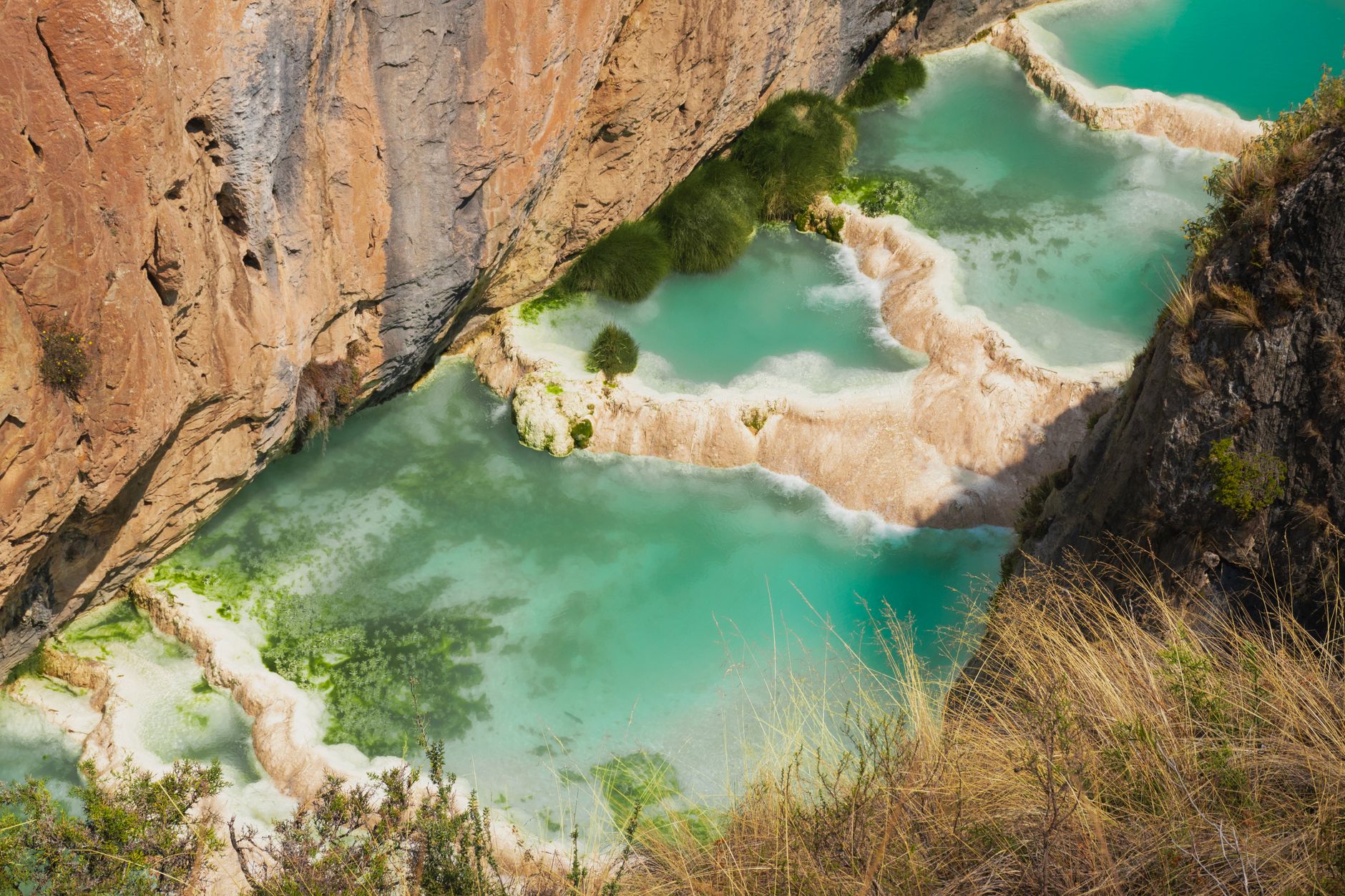
Unmasking the Unseen: 7 Truly Photogenic Spots Influencers Don't Want You To Know (Because They Can't Get A Clean Shot!)
Alright, fellow wanderlusters, let's get real for a minute. How many times have you scrolled through your feed, eyes wide with wonder at a "secret waterfall" or a "hidden beach," only to arrive there yourself and find it swarming with tripods, selfie sticks, and people queuing for their turn at the "perfect" shot? Yeah, me too. More times than I care to admit.
I remember one particularly frustrating morning in Bali. I’d woken up at 3 AM, navigated winding roads in the dark, all for a sunrise shot at a supposedly untouched temple. What I found was a literal line-up of photographers, each meticulously setting up their gear, jostling for position, and barking at anyone who dared to walk into their frame. The magic? Utterly gone. The "serenity" I'd envisioned? Replaced by the click-clack of shutters and frustrated sighs. That day, I vowed to dig deeper. To go further. To find the places where the true magic still lives, untouched by the relentless pursuit of the perfect, perfectly staged, influencer-approved shot.
And guess what? They exist. These are the places that require a little more effort, a bit more grit, and a genuine desire for discovery over curated content. They're not always easy to get to, and they certainly don't have trendy avocado toast cafes nearby. But oh, the rewards! The photos you'll capture won't just be pretty; they'll tell a story of genuine adventure, of untouched beauty, and of a world still waiting to be truly explored.
So, put down your perfectly styled picnic basket, ditch the ring light, and prepare to discover seven truly photogenic spots with absolutely zero crowds that even the most seasoned Instagram influencers haven't (or can't easily) get to. Because sometimes, the best views are earned, not bought with sponsored posts.
1. The Green Heart of Vietnam: Pu Luong Nature Reserve
Forget the crowded rice terraces of Sapa or the tourist boats of Halong Bay. If you want to witness Vietnam's unparalleled natural beauty in serene solitude, point your compass towards the Pu Luong Nature Reserve. Tucked away in Thanh Hoa province, this emerald haven is a tapestry of terraced rice fields, limestone karsts, traditional villages, and cascading waterfalls. It's where authenticity thrives, and the only traffic you'll encounter is likely a water buffalo ambling home.
My Experience:
My first morning in Pu Luong was like stepping into a dreamscape. Waking up in a stilt house homestay, the air was crisp, and a gentle mist still clung to the peaks. Below, the terraced fields glowed an impossibly vibrant green, reflecting the soft morning light. The only sounds were the distant clucking of chickens and the occasional call of a local farmer. I spent hours simply walking, watching the local Thái and Mường people tend their fields, and sipping shockingly good Vietnamese coffee from a tiny, nameless roadside stall. It felt like the Vietnam of old, preserved and cherished.
Why it's Photogenic & Crowd-Free:
The sheer scale of the terraced fields, especially during planting (May/June) or harvest (Sept/Oct), is breathtaking. The limestone karsts provide dramatic backdrops, and the traditional stilt houses offer incredible cultural photo opportunities. Influencers often skip Pu Luong because it's not "easy." There are no luxury resorts (yet), no established "Instagram spots" with designated photo ops. It requires a motorbike or a local guide, and the experience is more about immersion than exhibition.
Practical Tips:
* Getting There: The easiest way is to rent a motorbike from Mai Chau (a beautiful valley itself, about 1.5 hours away) or arrange a private transfer. Local buses are available but can be less reliable.
* Where to Stay: Opt for an eco-lodge or, for a truly authentic experience, a homestay in one of the local villages like Ban Hieu or Ban Don. Prices range from $15-$50/night for a homestay, up to $100+ for eco-lodges.
* Must-Do: Trekking through the rice fields, visiting the Hieu Waterfall (and swimming in its natural pools!), exploring the local villages, and trying the fresh bamboo-cooked rice.
* Photo Ops: Golden hour shots of the terraces, wide-angle landscapes capturing the karsts, intimate portraits of villagers (always ask permission!), and detail shots of the traditional architecture.
2. Slovenia's Alpine Fairytale: Velika Planina
When people think of Slovenia, Lake Bled often comes to mind. And while Bled is undeniably beautiful, its shores are often teeming with tourists. For a truly unique alpine experience that feels straight out of a storybook, ascend to Velika Planina. This high mountain plateau is home to one of Europe's largest surviving shepherd settlements, characterized by its distinctive, mushroom-shaped wooden huts.
My Experience:
I visited Velika Planina on a crisp summer morning. The cable car ride up offered increasingly panoramic views, but nothing prepared me for the sight at the top. Rolling green pastures, dotted with hundreds of grazing cows (their bells clinking melodically), and those utterly charming, conical-roofed shepherd huts. I spent the day hiking, breathing in the fresh mountain air, and chatting (mostly through gestures and smiles) with a shepherd who offered me a taste of his homemade trnič cheese. It was an idyll of peace, a place where time seemed to slow down. The absence of crowds meant I could photograph the huts, the cows, and the endless vistas without a single person in my frame.
Why it's Photogenic & Crowd-Free:
The unique architecture of the shepherd huts against the backdrop of the Kamnik-Savinja Alps is incredibly picturesque. The expansive meadows, wildflowers, and grazing animals create a pastoral perfection. It's less known internationally than Bled, and while popular with Slovenian hikers, it rarely feels crowded due to its vastness and the effort required to reach it. Influencers might find it too "rustic" or lacking easily accessible "props" for their content.
Practical Tips:
* Getting There: Take a cable car from Kamniška Bistrica (about 45 minutes drive from Ljubljana). A return ticket costs around €17-€20. You can also hike up, but it's a significant climb.
* Where to Stay: There are a few renovated shepherd huts available for overnight stays, offering a truly unique experience (book well in advance!). Otherwise, stay in Kamnik or Ljubljana.
* Must-Do: Hike between the shepherd settlements (Preskar's Museum Hut is a must-see), try local dairy products, and simply soak in the tranquility.
* Photo Ops: The iconic shepherd huts, panoramic views of the Alps, macro shots of wildflowers, and the grazing cows with their bells.
3. Japan's Hidden Gorge: Iya Valley, Shikoku
Japan is a country often associated with neon lights, bustling cities, and serene temples. But deep within the remote mountains of Shikoku, Japan's least-visited main island, lies the Iya Valley – a place of dramatic gorges, ancient vine bridges, and traditional thatched-roof farmhouses that feel centuries removed from modern Japan.
My Experience:
Navigating the winding, narrow roads of Iya Valley was an adventure in itself. The highlight was undoubtedly crossing the Kazurabashi vine bridge – a thrilling, swaying experience hundreds of feet above the emerald river. But it was the quiet moments that truly captivated me: stumbling upon a tiny, remote village where smoke curled from thatched roofs, sipping tea with an elderly resident who shared stories of the valley, and simply listening to the rush of the river below. The air was thick with history and a profound sense of peace. There were very few other tourists, allowing for unobstructed views and a deep connection to the landscape.
Why it's Photogenic & Crowd-Free:
The deep, forested gorges are incredibly dramatic, especially with the ancient vine bridges (rebuilt regularly for safety, but still authentic in feel) spanning them. The traditional farmhouses and the remote, untouched feel offer a glimpse into a Japan rarely seen. Its remoteness and challenging terrain (narrow roads, limited public transport) naturally deter mass tourism and, consequently, many influencers who prioritize accessibility and ease of content creation.
Practical Tips:
* Getting There: A rental car is highly recommended for exploring the valley's scattered sights. You can take a train to Oboke Station and then use local buses, but schedules are infrequent.
* Where to Stay: Traditional ryokans or guesthouses are available in various parts of the valley. Prices can range from $50-$200+ depending on the luxury and amenities.
* Must-Do: Cross the Kazurabashi vine bridge, take a boat ride through the Oboke Gorge, visit the Manneken Pis statue (a quirky photo op!), and explore the smaller, more remote villages.
* Photo Ops: Long exposure shots of the rivers and waterfalls, dramatic wide-angle views of the gorges, detail shots of the vine bridges, and the charming thatched-roof houses.
4. Martian Landscapes on Earth: White Pocket, Arizona, USA
If you've seen photos of "The Wave" in Arizona and dreamt of capturing similar otherworldly geology, but without the lottery system and crowds, then White Pocket is your answer. Located within the vast Vermilion Cliffs National Monument, White Pocket is a geological marvel of swirling, psychedelic sandstone formations that look like they belong on another planet.
My Experience:
Getting to White Pocket was an epic journey in itself – a true test of my 4x4 driving skills (or rather, my hired guide's!). We navigated deep sand and rocky trails for hours, with absolutely no cell service. But the moment we arrived, all the effort melted away. The silence was profound, broken only by the wind. Before me lay a landscape of contorted, vibrant rock, painted in hues of white, pink, orange, and red, swirled into incredible patterns. I spent an entire day exploring, feeling like an astronaut on an alien world, and didn't see another soul until sunset when a handful of serious photographers arrived. It was an experience of pure, unadulterated awe.
Why it's Photogenic & Crowd-Free:
The bizarre, colorful, and unique geological formations are unlike anything else on Earth. Every angle offers a new composition, a new abstract masterpiece. It's incredibly difficult to access, requiring a high-clearance 4x4 vehicle and advanced off-road driving skills (or a guided tour). This natural barrier ensures very few visitors, keeping it pristine and crowd-free. Influencers rarely come here because it's logistically challenging, lacks amenities, and isn't easily "staged" for a quick photo shoot.
Practical Tips:
* Getting There: Absolutely requires a high-clearance 4x4 vehicle and significant off-road driving experience, or a guided tour from Kanab, Utah, or Page, Arizona. Do not attempt in a regular car. Roads are unmaintained sand tracks.
* Permits: No permits are required to visit White Pocket itself, unlike The Wave, but check the Bureau of Land Management (BLM) website for any updates.
* Where to Stay: There are no facilities at White Pocket. Most people visit as a day trip or camp primitively nearby (pack everything in, pack everything out).
* Must-Do: Explore the various rock formations, watch the colors change at sunrise and sunset, and simply marvel at the raw beauty.
* Photo Ops: Abstract compositions, wide-angle shots to capture the scale, macro shots of the intricate rock patterns, and long exposures of the stars if you stay overnight.
5. Portugal's Untamed Wilderness: Peneda-Gerês National Park
While Portugal's Algarve coast and Lisbon's charming streets hog the limelight, the country's only national park, Peneda-Gerês, remains a wild, rugged, and gloriously untamed secret in the north. This sprawling wilderness is a mosaic of ancient granite villages, cascading waterfalls, oak forests, and wild horses (Garranos) roaming free.
My Experience:
My journey through Gerês felt like stepping into an ancient land. I drove narrow, winding roads, past granite houses adorned with religious symbols, and through forests where sunlight dappled through ancient trees. The highlight was undoubtedly spotting a herd of Garrano horses, their manes flowing in the wind, grazing peacefully on a remote hillside. Later, I hiked to a hidden waterfall, its waters plunging into a crystal-clear pool, and had it entirely to myself for a refreshing swim. The warmth of the local people in the tiny villages, offering me homemade bread and cheese, was an unexpected bonus.
Why it's Photogenic & Crowd-Free:
The raw, dramatic landscapes are incredibly diverse: towering mountains, deep valleys, lush forests, and serene rivers. The ancient, preserved villages like Lindoso and Soajo, with their unique espigueiros (granite corn cribs), offer incredible cultural photo opportunities. It's not on the typical tourist circuit, and its vastness and somewhat challenging terrain (best explored by car, with plenty of hiking) mean it rarely feels crowded. Influencers might find the lack of "glamorous" backdrops or easy access to high-end amenities less appealing.
Practical Tips:
* Getting There: A rental car is essential for exploring the park effectively. It's about a 1.5-hour drive from Porto.
* Where to Stay: Charming guesthouses and rural accommodations are available in the villages within and around the park. Prices vary, but you can find great value from €40-€100/night.
* Must-Do: Hike trails like the Trilho de S. Bento, visit the villages of Lindoso and Soajo (with their espigueiros), seek out the wild Garrano horses, and swim in the natural pools beneath waterfalls (e.g., Cascata do Tahiti, though this one can get popular).
* Photo Ops: Wildlife photography (horses, deer), ancient village architecture, long exposures of waterfalls, and expansive landscape shots from mountain viewpoints.
6. Quebec's Majestic Fjord: Fjord du Saguenay National Park, Canada
When most people think of Canada's natural beauty, the Rocky Mountains usually come to mind. But on the eastern side of the country, in Quebec, lies a geological wonder that offers equally stunning, yet vastly different, scenery: the Fjord du Saguenay National Park. Here, dramatic cliffs rise hundreds of meters from deep, dark waters, home to beluga whales and seals, all framed by dense boreal forests.
My Experience:
I’d heard whispers of this fjord, but nothing prepared me for its scale. Driving along its edges, the sheer drop-offs were breathtaking. My most memorable experience was kayaking deep into the fjord from Baie Éternité. The water was glassy, reflecting the towering cliffs like a mirror. The silence was profound, punctuated only by the dip of my paddle and the occasional splash of a passing seal. Later, from a viewpoint near Tadoussac, I actually spotted a pod of beluga whales – their ghostly white forms breaching the surface. It was a powerful, humbling encounter with nature, and thankfully, devoid of crowds.
Why it's Photogenic & Crowd-Free:
The fjord itself is a dramatic, awe-inspiring subject, especially with its sheer cliffs and deep blue waters. The opportunity for marine wildlife photography (whales, seals) is unique. It's a vast park, and while popular with Quebecois, it's largely off the radar for international tourists who often flock to the Rockies or coastal Maritimes. Its sheer size means even during peak season, it's easy to find solitude.
Practical Tips:
* Getting There: A car is essential for exploring the various access points and viewpoints. It's about a 2-3 hour drive from Quebec City.
* Where to Stay: Charming villages like Tadoussac, Sainte-Rose-du-Nord, and L'Anse-Saint-Jean offer accommodation from cozy B&Bs to small hotels. Camping within the park is also an option. Prices range from $70-$200+/night.
* Must-Do: Hike one of the many trails (e.g., Sentier de la Statue from Baie Éternité), go kayaking or stand-up paddleboarding in the fjord, take a whale-watching tour from Tadoussac (for belugas, fin whales, and minke whales), and visit the quaint villages.
* Photo Ops: Wide-angle shots of the fjord from various viewpoints, telephoto lens for marine wildlife, reflections on the water during calm mornings, and charming village scenes.
7. The Undiscovered Coastline of Albania: Karaburun-Sazan National Marine Park
Move over, Greek Isles and Croatian coast. For truly pristine beaches, dramatic cliffs, and turquoise waters without a single sun lounger in sight, head to Albania's Karaburun-Sazan National Marine Park. This protected area encompasses the Karaburun Peninsula and Sazan Island, offering a rugged, untouched coastline that feels like a forgotten paradise.
My Experience:
My journey here felt like an expedition. From Vlorë, I hired a local boatman – a grizzled old sailor with a twinkle in his eye – to take me along the Karaburun Peninsula. We passed towering cliffs, sea caves, and a succession of hidden coves, each more beautiful than the last. We anchored at a secluded beach, accessible only by boat, where the sand was white and the water impossibly clear. I spent hours swimming, snorkeling, and exploring, feeling like a true discoverer. The only company I had was the occasional seagull. The total absence of infrastructure (no shops, no cafes, no crowds) was its greatest charm.
Why it's Photogenic & Crowd-Free:
The dramatic limestone cliffs plunging into the Ionian Sea, the pristine, often deserted beaches, and the incredibly clear, vibrant turquoise waters are a photographer's dream. It's a marine protected area, and much of the peninsula is still a former military zone, limiting access and development. This means no beach clubs, no mass tourism, and definitely no influencers staging elaborate photoshoots. It's raw, wild beauty.
Practical Tips:
* Getting There: The easiest way to explore is by hiring a private boat or joining a small group tour from Vlorë. Costs for a private boat can range from €80-€150 for a half-day, depending on negotiation and the boatman.
* Where to Stay: Stay in Vlorë, which has a range of hotels and guesthouses. Prices are generally very affordable, from €30-€80/night.
* Must-Do: Visit the Cave of Haxhi Ali, swim at secluded beaches like Grama Bay (accessible by boat or a challenging hike), snorkel in the clear waters, and simply enjoy the solitude.
* Photo Ops: Wide-angle shots of the dramatic cliffs and turquoise coves, underwater photography, panoramic shots from the boat, and capturing the pristine, untouched nature.
Why Influencers Don't Go (And Why That's Great for You!)
You might be wondering why these truly stunning places aren't blowing up your feed. It's simple:
1. Logistical Challenges: Many require significant effort to reach – 4x4 vehicles, long hikes, local guides, or boat charters. They're not "drive up, snap, leave" locations.
2. Lack of Infrastructure: No trendy cafes, no perfectly positioned swings over cliffs, no branded backdrops. These places are about raw nature, not curated aesthetics.
3. No Easy "Outfit Changes": Let's be honest, staging multiple outfits for multiple shots is harder when you're hiking for hours or battling rough terrain.
4. It's About the Experience, Not Just the Shot: These destinations demand immersion, patience, and a genuine love for exploration. They reward the curious, not just the camera-ready.
How To Find Your Own Secret Spots
The world is still full of wonders waiting to be discovered. Here’s how you can find your own crowd-free gems:
- Go Beyond the First Page: When researching, dig deeper than the first 10 Google results. Look at local travel blogs, forums, and niche interest groups.
- Use Satellite Maps: Google Maps' satellite view can reveal hidden trails, secluded coves, or unique geological formations.
- Ask Locals: Once you're in a region, engage with locals. Ask them where they go to relax, where they find beauty. Their recommendations are gold.
- Embrace the Effort: The best views often require a hike, a bumpy ride, or an early morning start. Be willing to put in the work.
- Travel Off-Season or Off-Peak: Even popular spots can be crowd-free if you visit during shoulder seasons or at sunrise/sunset.
Your Adventure Awaits
The world is vast, and authentic beauty still thrives in its quieter corners. These seven spots are just a starting point, a testament to the fact that genuine, awe-inspiring travel experiences, free from the clamor of crowds and the pressure of performance, are still very much within reach.
So, pack your bags, charge your camera (but leave the ring light at home), and set out to discover the magic that lies beyond the perfectly curated feeds. These places aren't just for taking pictures; they're for making memories that truly last.
Which of these hidden gems are you adding to your bucket list? Or do you have your own secret, crowd-free spot you're willing to share (we promise not to tell the influencers!)? Let us know in the comments below!
Don't forget to tag us @Tripsora and use #TripsoraUnseen when you explore these incredible destinations! Let's inspire authentic travel, together.
---