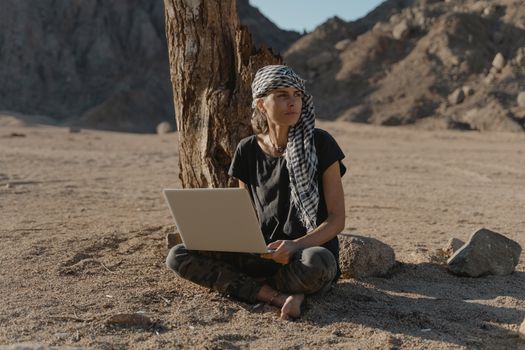
The scent of strong espresso mingled with the salty Mediterranean air as I typed away, a historic piazza bustling around me. My "office" for the day was a charming café in a small Italian town, and my biggest worry was whether to order another cornetto. It hit me then, a wave of gratitude and disbelief: I was not only working remotely, but this very town, through a special regional program, had contributed a significant grant to help me settle here. It wasn't a direct salary, no, but it felt incredibly close – a tangible investment in my presence, my skills, and my desire to integrate. This wasn't just travel; it was living, working, and thriving, with a little financial nudge from a country eager to welcome remote talent.
Fast forward to November 2025, and this dream scenario is more accessible than ever. The global shift to remote work has prompted numerous countries to roll out the red carpet for digital nomads, not just with welcoming visas, but with genuine financial incentives. Forget just finding a place to work; we’re talking about destinations that actively pay you – through grants, significant tax breaks, or by making your existing income stretch further than you ever imagined – to bring your laptop and your talents to their shores.
If your soul yearns for adventure, your wallet craves a little extra padding, and your LinkedIn profile is ready for a serious upgrade, then November 2025 is your moment. Let's dive into the incredible countries that are ready to invest in your remote work journey.
The Myth vs. The Reality: How Countries "Pay" You to Work Remotely
Before we dive into specific destinations, let's clarify what "getting paid" truly means in this context. It's rarely a direct paycheck from a government agency. Instead, it manifests in several powerful ways:
- Direct Relocation Grants & Incentives: These are the closest to getting "paid." Specific regions or towns, often grappling with population decline, offer cash grants, housing subsidies, or business start-up funds to attract new residents, including remote workers. These are highly sought after and often have specific requirements (e.g., committing to a certain period, having a family).
- Significant Tax Incentives: This is arguably the most common and impactful form of "payment." Many countries offer reduced income tax rates, tax exemptions, or special tax regimes for digital nomads or new residents for a set number of years. This means more of your hard-earned income stays in your pocket, effectively increasing your net earnings.
- Subsidized Living & Business Perks: Think free co-working spaces, discounted public transport, assistance with finding accommodation, or streamlined business registration processes. While not direct cash, these save you significant money and hassle.
- Extremely Low Cost of Living: While not a direct payment, living in a country where your current income allows you to live like royalty is a powerful incentive. Your money stretches so much further that it feels like you're earning more, freeing up funds for experiences, savings, or investments.
Our focus for November 2025 will be on countries offering a compelling mix of these incentives, making your remote work journey not just possible, but financially rewarding.
Europe's Golden Ticket: Tax Incentives & Regional Grants
Europe has been a pioneer in attracting digital nomads, and for November 2025, several countries are stepping up their game with powerful financial incentives.
1. Greece: The Tax Haven of the Aegean
Why it "Pays You":
Greece introduced a fantastic tax incentive for new residents, including digital nomads, offering a 50% tax exemption on their income for seven years! Yes, you read that right. If you move your tax residency to Greece and haven't been a tax resident in Greece for the previous five years, you can benefit from paying tax on only half of your income. This is a massive financial boost, putting thousands back in your pocket annually.
- My Takeaway: I've seen friends who've made the leap to Athens or the sun-drenched islands like Crete and Rhodes rave about this. Imagine keeping half your income while enjoying ancient history, delicious food, and endless sunshine! It’s not just about the tax break; it’s about a vibrant culture, incredible food (hello, souvlaki and feta!), and a relaxed pace of life. Even the cost of living, while rising in popular spots, remains relatively affordable compared to Western Europe.
- The Vibe: Picture yourself working from a balcony overlooking the Acropolis in Athens, or a seaside taverna on a quiet island. The Greek Digital Nomad Visa makes the entry process smooth, and the community is growing.
- Practical Details for Nov 2025:
- Visa: The Greek Digital Nomad Visa is well-established. You'll need proof of stable income (around €3,500/month for a single applicant, plus 20% for a spouse, 15% for each child).
- Tax Incentive: Apply for the special tax regime upon becoming a tax resident. It's crucial to consult a local tax advisor.
- Cost of Living: A one-bedroom apartment in Athens can range from €400-€700 outside the city center, more in popular neighborhoods. Food and transport are generally affordable.
- Instagram Moment: A selfie with a backdrop of whitewashed villages and the impossibly blue Aegean Sea, laptop open on a traditional wooden table.
2. Spain: Beyond the Beaches, Beyond the Taxes
Why it "Pays You":
Spain's Digital Nomad Visa, launched in early 2023, is a game-changer. While not a direct grant, it comes with a significant tax incentive: eligible digital nomads can opt for a special tax regime, allowing them to pay a flat 24% income tax rate on their Spanish-sourced income (up to €600,000) for their first five years of residency, instead of the higher progressive rates that can reach over 40-45%. This is a substantial saving, especially for high earners.
- My Takeaway: I met a UX designer in Valencia who moved from London. She told me the tax savings alone were enough to cover her rent for several months of the year, allowing her to explore more of Spain. "It feels like the government is giving me a bonus just for being here and working," she laughed, sipping her horchata. Beyond the tax benefits, Spain offers an unparalleled lifestyle – incredible food, vibrant culture, diverse landscapes, and a lively social scene.
- The Vibe: From the artistic flair of Barcelona to the historic charm of Seville, the bustling energy of Madrid, or the relaxed Mediterranean pace of Valencia, Spain has a city for every mood. The tapas culture, late-night dinners, and siestas become part of your daily rhythm.
- Practical Details for Nov 2025:
- Visa: The Spanish Digital Nomad Visa requires proof of stable income (around €2,646/month for a single applicant, plus additional for dependents) and proof of remote work.
- Tax Incentive: Apply for the special tax regime (often called the "Beckham Law" for clarity, though it's a new version) within six months of registering with social security.
- Cost of Living: Varies wildly. Madrid and Barcelona are pricier (rent for a 1-bed: €800-€1,200+), while cities like Valencia, Seville, or Malaga offer excellent value (€600-€900).
- Instagram Moment: A photo of your laptop on a sun-drenched terrace overlooking a bustling plaza, a plate of paella or tapas in the foreground.
3. Italy: Grants for the Good Life (in Specific Regions)
Why it "Pays You":
While Italy is still refining its national Digital Nomad Visa (expected to be fully operational and streamlined by Nov 2025), several regions and towns have long-standing programs offering direct cash grants or incentives to attract new residents, often specifically targeting remote workers or those willing to start a business. These are often in southern Italy or smaller, depopulated villages.
- My Takeaway: My personal anecdote from the intro was inspired by the real programs in places like Calabria and Sardinia. While these can be niche and competitive, the rewards are substantial. Imagine receiving €28,000 to move to a charming village in Calabria, or significant funds to buy and renovate a historic home in Sicily. These aren't handouts; they're investments in revitalizing communities, and you get to be part of that story. The upcoming national DN visa will likely simplify entry, making these regional grants even more accessible.
- The Vibe: Italy is, well, Italy! History, art, unparalleled food, stunning landscapes from the Dolomites to the Amalfi Coast. Settling into a smaller town means becoming part of a close-knit community, learning Italian, and truly experiencing la dolce vita.
- Practical Details for Nov 2025:
- Visa: Keep an eye on the official launch and details of the national Italian Digital Nomad Visa. For regional grants, you may need to apply for a long-stay visa or even permanent residency depending on the program's requirements.
- Regional Grants: Research specific programs like those in Calabria (e.g., "Active Residency Income" for up to €28,000), Sardinia (grants for buying a home), or individual towns offering incentives to buy property for €1 (with renovation commitments). These often require a commitment to live there for several years.
- Cost of Living: Generally lower in the south and rural areas (€400-€700 for a 1-bed) compared to major cities like Rome or Milan (€800-€1,500+).
- Instagram Moment: A picturesque shot of a cobbled street in a medieval village, with your laptop perched on a rustic table outside a local trattoria, a glass of local wine nearby.
Island Life & Low Taxes: Mediterranean & Beyond
For those who dream of waking up to ocean breezes and working with a view of turquoise waters, these destinations offer attractive remote work visas with financial benefits.
4. Malta: The Nomad Residence Permit with Tax Advantages
Why it "Pays You":
Malta's Nomad Residence Permit is a fantastic option for remote workers. While it doesn't offer direct grants, it provides a very attractive tax regime where income earned from outside Malta is generally not taxed in Malta, provided it is not remitted to Malta. If you do remit income, it's subject to a flat 15% rate if you opt for the special tax status. This can mean significant savings depending on your financial setup.
- My Takeaway: I spoke to a software developer who moved to Sliema, Malta. He loved the vibrant expat community, the incredible diving, and the ease of travel around Europe. "The tax situation was a huge bonus," he told me. "It really helps me save more and invest back into my business." The island's strategic location, English as an official language, and beautiful climate make it a compelling choice.
- The Vibe: A bustling island nation with a rich history, stunning coastlines, and a cosmopolitan atmosphere. Enjoy exploring ancient temples, swimming in crystal-clear lagoons, and a lively nightlife.
- Practical Details for Nov 2025:
- Visa: The Nomad Residence Permit requires proof of remote work and a minimum gross monthly income of €2,700 for a single applicant (additional for dependents).
- Tax Incentive: Consult with a Maltese tax advisor to understand how to best leverage the tax regime for your specific income situation.
- Cost of Living: Moderate. A 1-bedroom apartment in a popular area like Sliema or St. Julian's can be €700-€1,200. Groceries and transport are reasonable.
- Instagram Moment: A drone shot of the Blue Lagoon, with your laptop casually placed on a beach towel, showing off the ultimate work-life balance.
5. Croatia: Adriatic Charm and Tax Exemption (for some)
Why it "Pays You":
Croatia offers a temporary stay for digital nomads, which, under certain conditions, can lead to tax exemption on foreign-sourced income. If your income is earned from a foreign employer and not from a Croatian source, you are generally exempt from income tax in Croatia. This makes an already affordable and stunning country even more attractive.
- My Takeaway: I heard from a travel writer who spent six months in Split. She loved the blend of ancient history and modern amenities. "The fact that my income wasn't taxed here meant I could really splurge on experiences," she shared, recalling boat trips to nearby islands and exploring Plitvice Lakes National Park. Croatia offers a beautiful coastline, national parks, and a growing digital nomad community.
- The Vibe: From the historic walled city of Dubrovnik to the bustling port of Split and the natural beauty of the Istrian peninsula, Croatia is a jewel of the Adriatic. Enjoy fresh seafood, charming towns, and a relaxed pace of life.
- Practical Details for Nov 2025:
- Visa: The Croatian Digital Nomad permit is for a temporary stay of up to one year, with the possibility of renewal after a six-month break. You'll need proof of remote work and sufficient funds (around €2,500/month for a single applicant).
- Tax Incentive: Crucially, the tax exemption applies if your income is not from a Croatian source. Always confirm your specific tax situation with a local expert.
- Cost of Living: Generally affordable, especially outside Dubrovnik. A 1-bedroom apartment in Split or Zagreb can be €500-€800.
- Instagram Moment: A shot of your laptop on a cafe terrace overlooking the Adriatic Sea, with a glass of local wine and a plate of fresh seafood.
The Affordability Advantage: Making Your Money Work Harder
Sometimes, the "payment" isn't a direct grant or tax break, but the sheer power of your existing income in a country with a significantly lower cost of living. Your money stretches so far, it feels like you're getting paid to be there.
6. Colombia: Vibrant Culture and Unbeatable Value
Why it "Pays You":
Colombia launched its Digital Nomad Visa in late 2023, making it easier than ever to live and work in this incredibly diverse and vibrant country. While there are no direct tax breaks for remote workers (yet), the exceptionally low cost of living means your income goes significantly further, effectively boosting your disposable income.
- My Takeaway: My friend, a graphic designer, spent a year in Medellín. She was astounded by how much she could afford – a beautiful apartment in a trendy neighborhood, daily fresh fruit from local markets, dance classes, and weekend trips to coffee farms – all on a modest remote salary. "It felt like I was earning double what I was in the US, just because my money had so much more purchasing power," she recounted. The warmth of the Colombian people, the lively salsa scene, and the stunning natural beauty from mountains to Caribbean beaches are undeniable draws.
- The Vibe: From the eternal spring of Medellín to the historic charm of Cartagena and the bustling energy of Bogotá, Colombia offers a rich tapestry of experiences. Immerse yourself in salsa, incredible coffee, and lush landscapes.
- Practical Details for Nov 2025:
- Visa: The Colombian Digital Nomad Visa requires proof of remote work and a minimum monthly income of three times the Colombian minimum wage (around $770-$1,000 USD, check current rates).
- Cost of Living: Extremely affordable. A nice 1-bedroom apartment in Medellín can be €300-€600. Food, transport, and entertainment are also very budget-friendly.
- Instagram Moment: A colorful shot of you working from a co-working space in El Poblado, Medellín, with a fresh jugo natural and a backdrop of green mountains.
Your Action Plan for November 2025: Get Ready to Get Paid!
The dream of getting paid to work remotely is within your grasp for November 2025. But turning that dream into a reality requires a strategic approach.
- Deep Dive into Specific Programs: Once you've narrowed down your top 2-3 countries, research their specific digital nomad visa requirements, income thresholds, and especially the exact details of any grants, tax incentives, or relocation programs. These can change, so always check official government websites or consult with local legal/tax experts.
- Budget Like a Pro: Even with incentives, you'll need initial funds. Calculate visa fees, travel insurance, flights, initial accommodation, and a buffer for unexpected expenses. Remember, income requirements are minimums; living comfortably often requires more.
- Secure Your Remote Job: Ensure your current employer supports remote work abroad, or start scouting for new remote opportunities that offer the flexibility you need. A stable income is paramount for visa applications.
- Tax & Legal Consultation: This is non-negotiable. Before making any big moves, consult with a tax advisor specializing in international taxation and a local immigration lawyer in your target country. They can help you navigate the complexities and ensure you maximize your benefits while staying compliant.
- Join Digital Nomad Communities: Platforms like Nomad List, Facebook groups dedicated to digital nomads in specific cities (e.g., "Digital Nomads Athens"), and co-working spaces are invaluable resources for real-time advice, networking, and finding accommodation.
- Embrace the Adventure: Remember, these programs are about more than just money. They're about experiencing new cultures, learning new languages, expanding your horizons, and connecting with people from around the world. Be open, be flexible, and be ready for an incredible journey.
Conclusion: Your Next Chapter Awaits
November 2025 isn't just another month; it's a launchpad for your most exciting chapter yet. The world is opening its doors, and its purse strings, to remote workers like never before. Imagine the stories you'll tell, the sunsets you'll witness, and the personal growth you'll achieve – all while doing the work you love, with a little extra financial encouragement from your host country.
Stop dreaming and start planning. Research, consult, pack your bags, and prepare to embark on an adventure where your laptop is your passport and your skills are your currency. The world is waiting to pay you to explore it.
Which country are you eyeing for your paid remote work adventure in November 2025? Share your thoughts in the comments below, and don't forget to share this guide with your fellow wanderlusters!
---