The Hook: A Tale of Two Beaches
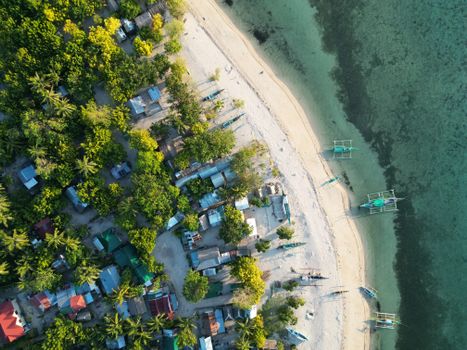
I stepped off the outrigger boat at Station 1 on Boracay, and my bare feet sank into sand that felt like chilled powdered sugar. The air didn't smell like diesel fumes or cheap sunscreen anymore. Instead, it carried the crisp, salty tang of the Sibuyan Sea mixed with the sweet, citrusy aroma of native calamansi lime being squeezed at a nearby wooden shack.
Ten years ago, this same stretch of sand was a nightmare. I remember walking here in 2015, dodging green, slimy algae blooms fueled by raw sewage, while neon-lit fire dancers competed with pounding bass lines from illegal beachfront clubs. It was a textbook case of an island paradise systematically destroying itself for short-term profit.
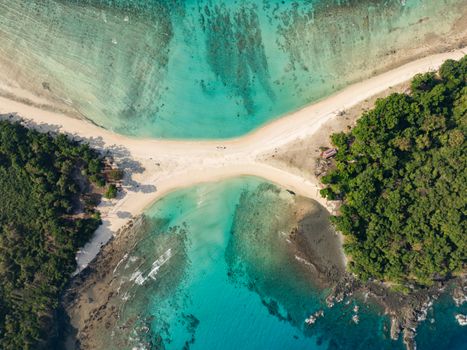
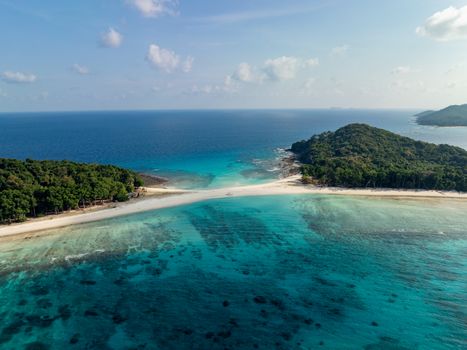
Today, the scene is unrecognizable. The beach is quiet. The water is a brilliant, transparent turquoise. There are no lounge chairs choking the shoreline, no hawkers shouting in your face, and no plastic cups tumbling into the surf.
Boracay’s transformation wasn't a miracle; it was a choice. It is part of a growing movement of islands recovering from overtourism with better policies according to recent data. From the mid-Atlantic to the Pacific, local governments are finally realizing that unlimited growth is a suicide pact for fragile ecosystems. They are implementing strict carrying capacities, doubling entry fees, banning mega-cruise ships, and shifting toward regenerative travel models.
Here is how five of the world's most vulnerable islands are saving themselves—and how you can experience their rebirth.
---
1. Boracay, Philippines: The Radical Six-Month Reboot
```
"We had to close the island to save it. It was a bitter pill, but the patient is finally thriving."
— Local Conservation Officer, Aklan Province
```
The Crisis
By 2017, Boracay was hosting over two million visitors annually on a landmass of just ten square kilometers. The island’s infrastructure collapsed. Untreated wastewater pumped directly into the sea, turning the world-famous white sand into a breeding ground for toxic coliform bacteria.
The Policy Shift
In April 2018, the Philippine government took the unprecedented step of closing the island entirely to tourists for six months. During this period, illegal structures built within the 30-meter beach easement were demolished, a state-of-the-art sewage system was installed, and roads were widened.
When Boracay reopened, it came with a strict set of new rules:
* A hard visitor cap: Only 19,215 tourists are allowed on the island at any given time.
* No booking, no entry: Travelers must present a pre-booked reservation at a government-accredited, eco-compliant hotel at the jetty port.
* The beach ban: Smoking, drinking alcohol, dining, and setting up umbrellas or lounge chairs on the beachfront are strictly prohibited.
* Single-use plastic ban: Hotels and businesses face heavy fines or closure for using single-use plastics.
The Data-Backed Recovery
According to water quality monitoring reports from the Department of Environment and Natural Resources (DENR), coliform bacteria levels dropped from millions of most probable numbers (MPN) per 100ml during the crisis to safe, swimmable levels under 100 MPN post-reopening. Local marine biologists have also documented the return of juvenile blacktip reef sharks to the shallow waters of White Beach—a phenomenon unseen for decades.
Pro-Tip for the Conscious Traveler
Skip the crowded sunset sailing boats at Station 2. Instead, hire a licensed electric trike (e-trike) to take you to Diniwid Beach at 4:30 PM. Walk up the narrow cliffside path to the viewing platform. You’ll get a panoramic view of the coastline without the crowds, and you can enjoy a fresh calamansi muffin from Real Coffee & Tea Cafe—a legendary local establishment that survived the shutdown.
---
2. Fernando de Noronha, Brazil: The Gold Standard of Carrying Capacity
The Crisis
This volcanic archipelago, located 350 kilometers off Brazil’s northeast coast, is home to the world’s highest concentration of resident spinner dolphins. However, as social media spotlighted its dramatic basalt spires and emerald bays, visitor numbers surged, threatening the nesting grounds of green sea turtles and putting immense strain on the island’s limited freshwater resources.
The Policy Shift
Rather than waiting for disaster, the State of Pernambuco implemented a highly regulated entry system designed to make tourism self-funding and self-limiting.
* Daily Visitor Cap: No more than roughly 460 visitors are permitted on the main island per day.
* The Environmental Preservation Tax (TPA): Every traveler must pay a progressive daily tax (roughly $18 USD per day). The longer you stay, the higher the daily rate becomes, discouraging long-term, low-yield stays.
* National Marine Park Voucher: To access the best beaches (like Sancho and Atalaia), visitors must purchase an additional park pass and book specific timeslots for trails.
The Data-Backed Recovery
Data from the Chico Mendes Institute for Biodiversity Conservation (ICMBio) shows that because of these strict limits, the nesting success of green sea turtles on Leão Beach has remained above 90% for five consecutive years. Additionally, coral reef health index scores in the protected bays have stabilized, defying the global trend of rapid reef degradation.
Pro-Tip for the Conscious Traveler
To hike the famous Atalaia Tide Pool trail, you must secure a permit at the ICMBio headquarters. Do not wait. Queue up at exactly 8:00 AM three days before your desired hike date. Only a limited number of slots are allocated daily, and hikers must wear reef-safe sunscreen and are prohibited from wearing shoes or using selfie sticks in the fragile natural pools.
---
3. Mallorca, Spain: Taming the Mediterranean Cruise Giant
The Crisis
Mallorca has long been the poster child for European turismo de borrachera (drunken tourism). In peak summer, the historic streets of Palma were choked with up to 25,000 cruise passengers per day, while the island's picturesque limestone coves (calas) became gridlocked with rental cars and discarded plastic waste.
The Policy Shift
Following massive local protests, the Balearic Islands government enacted a series of aggressive policies to transition from quantity to quality:
* The Cruise Ship Limit: Palma became the first Spanish port to limit cruise arrivals to a maximum of three ships per day, with only one allowed to be a mega-ship (over 5,000 passengers).
* The Tourism Bed Cap: A moratorium was placed on new tourist accommodation licenses, effectively capping the number of available hotel and vacation rental beds across the island.
* The "Responsible Tourism" Law: In notorious party zones like Magaluf, the government banned organized pub crawls, happy hours, and the sale of alcohol in supermarkets between 9:30 PM and 8:00 AM.
The Data-Backed Recovery
Recent data published by the Balearic Islands Statistics Institute (IBESTAT) indicated a 12% reduction in peak-season crowd density in Palma’s historic center. Crucially, tourist spending per capita increased by 8.4%, proving that fewer tourists paying higher rates can generate more economic value than unrestrained mass arrivals.
Pro-Tip for the Conscious Traveler
If you want to experience the dramatic limestone cliffs of Cala s'Almunia without the crowds, do not drive down to the cove. Park your rental car at the designated Ses Salines public parking lot by 7:30 AM. Walk the 20-minute pine-scented path down to the water. Bring a traditional Mallorcan ensaimada pastry from Forn de Sant Joan in Palma for breakfast, and leave the cove by 11:00 AM when the tour buses arrive.
---
4. The Galápagos Islands, Ecuador: Raising the Barrier to Entry
The Crisis
The birthplace of Darwin’s theory of evolution is incredibly fragile. The introduction of invasive species, microplastics in the marine reserve, and the sheer volume of land-based tourists in towns like Puerto Ayora threatened to disrupt the delicate balance of endemic species that have no natural fear of humans.
The Policy Shift
Ecuadorian authorities realized that cheap, unregulated land-based tourism was growing faster than high-end, highly regulated liveaboard cruises. In response, they implemented a drastic financial barrier:
* Doubling the National Park Entry Fee: In August 2024, the park entry fee for international tourists was doubled from $100 to $200 USD. This revenue is directly funneled into conservation, biosecurity, and local infrastructure.
* Strict Biosecurity Controls: Every piece of luggage is scanned at mainland airports (Quito or Guayaquil) via the Galapagos Biosecurity Agency (ABG) to prevent the introduction of organic matter, seeds, or insects.
* Mandatory Guides: You cannot set foot on any official national park trail without a licensed, certified Galápagos National Park naturalist guide.
The Data-Backed Recovery
According to the Charles Darwin Foundation, the doubled entry fee has successfully stabilized visitor growth curve projections, preventing the island's infrastructure from reaching a tipping point. The funds have directly financed the eradication of invasive rats on Floreana Island, allowing native bird species like the Galápagos petrel to nest safely once again.
Pro-Tip for the Conscious Traveler
Opt for a land-based stay on Isabela Island rather than Santa Cruz. Book a room at a locally owned guesthouse (casa de huéspedes) to ensure your money directly supports the local community. For dinner, walk to the open-air kiosks on Calle de los Kioskos in Puerto Ayora and order the local brujo (scorpionfish) grilled over charcoal with garlic and plantains. It is fresh, sustainable, and directly supports local artisanal fishermen.
---
5. Oahu, Hawaii: The Shift to Indigenous-Led Regenerative Tourism
```
"We don't want visitors to just take pictures of our island. We want them to help us care for it."
— Native Hawaiian Cultural Practitioner
```
The Crisis
Pre-pandemic, Hawaii was buckling under the weight of 10 million annual visitors. On Oahu, legendary spots like Hanauma Bay were suffering from severe coral bleaching caused by toxic sunscreens and physical damage from thousands of snorkelers stepping on the reef daily.
The Policy Shift
The Hawaii Tourism Authority (HTA) underwent a radical philosophical shift, moving away from marketing and toward destination management. They launched the Mālama Hawaii Program, which encourages visitors to give back during their stay.
* Mandatory Reservations: Popular sites like Hanauma Bay Nature Preserve and Diamond Head (Leahi) State Monument now require online reservations with strict daily limits.
* The Non-Resident Premium: Entry and parking fees for non-residents have been significantly increased, with the funds used to maintain state parks and restore native habitats.
* Hanauma Bay Rest Days: The bay is closed to the public every Monday and Tuesday to give the marine life and reef a break from human interaction.
The Data-Backed Recovery
A study conducted by the University of Hawaii’s Institute of Marine Biology revealed that during the weekly closures of Hanauma Bay, fish behavior shifted dramatically. Key herbivorous fish species returned to shallower waters to feed, and water clarity improved by over 30% on days when humans were absent.
Pro-Tip for the Conscious Traveler
To secure a slot for Hanauma Bay, log onto the official reservation portal at exactly 7:00 AM Hawaii Standard Time (HST) precisely two days prior to your planned visit. Slots sell out within three to five minutes. Before you enter the water, buy a bottle of local, truly reef-safe sunscreen (look for active ingredients like non-nano zinc oxide only—not just "reef-friendly" labels, which are unregulated).
---
Quick Facts & Logistics: Planning Your Conscious Escape
| Island | Key Policy | Entry Cost / Fees | Best Time to Visit (Low Crowd) | How to Get There |
| :--- | :--- | :--- | :--- | :--- |
| Boracay, Philippines | 19k visitor cap, strict beach rules, eco-hotel mandate | Low ($) | September to November (shoulder season) | Fly to Caticlan (MPH), take a 15-minute registered boat to Cagban Jetty |
| Fernando de Noronha, Brazil | 460 daily visitor cap, progressive environmental tax | High ($$$) | April to August (rainy but lush, fewer crowds) | Fly from Recife (REC) or Natal (NAT) on Azul or Voepass |
| Mallorca, Spain | Cruise ship limits, tourist bed caps, party zone restrictions | Moderate ($$) | October to April (pleasant weather, zero cruise crowds) | Fly to Palma de Mallorca (PMI) or take a ferry from Barcelona |
| Galápagos Islands, Ecuador | Doubled entry fee ($200), mandatory naturalist guides | Very High ($$$$) | May to June or November (transition weather, high wildlife activity) | Fly from Quito (UIO) or Guayaquil (GYE) to Baltra (GPS) or San Cristóbal (SCY) |
| Oahu, Hawaii | Mandatory state park reservations, Mālama volunteer programs | Moderate ($$) | September to November (post-summer lull) | Fly to Daniel K. Inouye International Airport (HNL) in Honolulu |
---
The Verdict: The Future of Travel Belongs to the Patient
The data is clear: the islands recovering from overtourism are doing so because they chose to value their natural assets over raw arrival numbers. As travelers, our role must change from consumers to guests.
When you visit these recovering sanctuaries, pack your patience. Embrace the higher fees, the complex reservation systems, and the strict local rules. These aren't barriers designed to keep you out; they are the very things keeping these destinations alive for generations to come.
---