The Teen Whisperer's Guide to Uncovering Local Secrets (They'll Actually Love)
The year was 2018. We were in Rome, standing in front of the Colosseum, a monument of ancient grandeur, a testament to human history. My then 15-year-old son, however, was less impressed. "Can we just go? It's hot, and I'm hungry," he mumbled, glued to his phone, occasionally glancing up to confirm it was, indeed, "just a big old ruin." My heart sank faster than a gelato cone on a summer day. I'd envisioned wonder, awe, a shared moment of historical appreciation. Instead, I got a shrug and a demand for Wi-Fi.
Sound familiar? If you've ever traveled with a teenager, you know the struggle is real. They're often too cool for school, too cynical for wonder, and too connected to their digital world to appreciate a world without a strong signal. And let us not even begin with the universal teenage declaration: "I hate everything." Especially if it looks remotely "touristy."
But here's the secret I've learned after years of trial-and-error, countless eye-rolls, and a few truly spectacular breakthroughs: traveling with teenagers who think they hate everything, especially what locals don't want tourists to know, isn't just possible – it can be the most rewarding, authentic, and genuinely enriching travel experience you'll ever have. It forces you, the parent-traveler, to dig deeper, to move beyond the guidebooks, and to seek out the real heart of a destination. It turns you into an explorer, a detective, a teen whisperer of hidden gems.
This isn't about dragging them to another museum they'll scroll through on their phone. It's about empowering them to discover the pulse of a place, to taste the untold stories, to capture the un-Instagrammed moments that even the locals cherish. Are you ready to ditch the tourist traps and unlock a world of genuine connection? Let's dive in.
1. The Teen Whisperer's First Commandment: Involve Them (Seriously, Don't Just Pretend)
The fastest way to get a teenager to hate something is to tell them they have to do it. The fastest way to get them invested? Let them own a piece of it. This isn't about giving them veto power over your entire itinerary, but it is about genuine collaboration.
Practical Tips for Genuine Involvement:
- The "One Thing" Rule: Each teen gets to pick one major activity, meal, or even a full day's itinerary. No matter how wild or obscure, within reason and budget, you commit to it. My daughter, a budding photographer, once insisted on a street art tour in Berlin's East Side Gallery and Kreuzberg district. We spent three hours wandering, discovering incredible murals, and she took some of her best photos ever. It was active, visual, and totally her vibe.
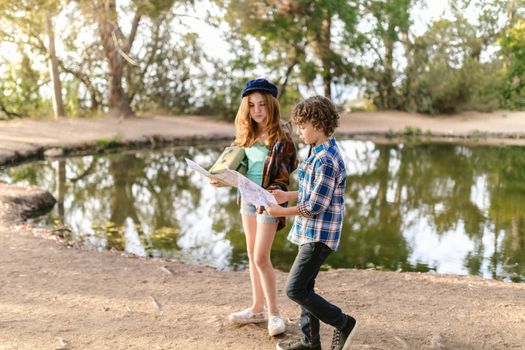
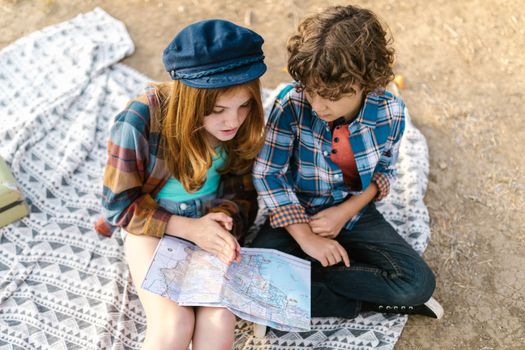
- Mission Control: Give them a specific "mission." It could be finding the best gelato shop (a tough job, but someone's got to do it!), documenting local street fashion, or even being the designated navigator using public transport. In Lisbon, my son was in charge of mastering the tram system. He felt important, engaged, and we saw parts of the city we never would have found on a hop-on-hop-off bus.
- Pre-Trip Research Party: Instead of just handing them a stack of brochures, make it interactive. "Hey, I saw this cool video about a cooking class in Florence, what do you think? Or maybe a vespa tour?" Use YouTube, TikTok, and Instagram to show them snippets of real local life, not just glossy travel ads. They respond to authenticity.
Personal Anecdote:
Before a trip to Kyoto, I presented my son with three options: a traditional tea ceremony, a samurai sword lesson, or a sushi-making class. He scoffed at the first two, but his eyes lit up at the sushi. We found a fantastic class near Nishiki Market for about €70 per person. He meticulously crafted his nigiri, learned about different types of fish, and devoured his creations with genuine pride. It wasn't just a meal; it was an experience he still talks about.
2. Ditching the Tourist Traps: Your Secret Weapon for Authenticity
Tourist traps are like sirens, luring unsuspecting travelers with promises of convenience and "must-see" status, only to deliver overpriced, inauthentic, and crowded experiences. Teens, with their finely tuned BS detectors, sniff these out faster than you can say "souvenir shop."
Strategies for Finding the Local Pulse:
- Ask the Right People (and the Right Questions): Don't ask your hotel concierge for restaurant recommendations – they'll often send you to places that give them commission. Instead, ask a barista at a local coffee shop, a shopkeeper in a non-touristy area, or even a server at a small family-run restaurant. Phrase it like, "Where do you go for the best [local dish] after work?" or "If you had a free afternoon, what's a cool, non-touristy thing you'd do around here?"
- Google Maps is Your Friend: Use Google Maps not just for navigation, but for discovery. Zoom in on neighborhoods away from major landmarks. Search for "restaurants near me" and filter by "highest rated" or "most reviews," then look for reviews written in the local language (Google Translate is handy here). This often uncovers neighborhood gems.
- Embrace Local Blogs & Forums: Before you go, search for "local's guide to [city]" or "[city] hidden gems blog." Look for blogs written by residents, not just travel agencies. Facebook groups for expats in your destination can also be goldmines for authentic recommendations.
- Walk, Walk, Walk: Get off the main thoroughfares. Wander down side streets, explore residential areas. That tiny bakery with a line of locals, the bustling market, the unassuming park where kids are playing – these are the true veins of a city.
Personal Anecdote:
In Paris, after a disappointing, overpriced meal near Notre Dame, we decided to take a chance. We wandered into Le Marais, ducked down a cobbled street, and found a tiny crêperie called "Breizh Café." It was packed with locals, the air filled with laughter and the smell of buckwheat. Our teens devoured savory galettes and sweet crêpes for a fraction of the price of our earlier "tourist" meal. It felt like we'd stumbled upon a secret, and the food was divine.
3. The "Hate Everything" Antidote: Experiences Over Sightseeing
Teens often don't want to look at things; they want to do things. Shift your focus from passive observation to active engagement. This is where the magic happens.
Engaging Experiences Teens Will Actually Love:
- Culinary Adventures: Food is a universal language.
- Cooking Classes: As mentioned with Kyoto, these are fantastic. Many cities offer classes in local cuisine (e.g., pasta in Rome, paella in Barcelona, pho in Hanoi). Expect to pay €50-€100 per person.
- Street Food Tours: Often cheaper, more informal, and a great way to try diverse local flavors. In Bangkok, a street food tour through Chinatown was a highlight, introducing us to everything from crispy pork belly to mango sticky rice for about €30-€50 per person.
- Local Markets: More than just food, markets offer a sensory explosion. Let them pick out weird fruits, haggle (gently!) for a souvenir, or simply soak in the vibrant atmosphere. La Boqueria in Barcelona or Borough Market in London are great, but seek out smaller, local ones too.
- Active & Adventurous:
- Urban Exploration Games: Many cities now offer app-based scavenger hunts or escape room-style games that guide you through neighborhoods, solving puzzles while discovering landmarks.
- Kayaking/Paddleboarding: If there's water, consider it. Kayaking under the bridges of Amsterdam or along the coast of Lisbon offers a unique perspective.
- Bike Tours: A fantastic way to cover ground and get a feel for a city, often with a local guide who shares fascinating tidbits.
- Creative & Cultural Immersion:
- Graffiti Workshops: In cities known for street art (like Berlin or Melbourne), some artists offer workshops where teens can learn techniques and even create their own piece.
- Photography Walks: Give them a camera (or their phone) and a challenge: "Capture the essence of local life." This encourages observation and discovery.
- Local Music/Sports: Check local listings for small concerts, open mic nights, or even a local football match. It's an authentic way to experience the culture.
Personal Anecdote:
In Barcelona, my daughter was "over" Sagrada Familia after 10 minutes (despite its grandeur). Later that day, we stumbled upon a small, independent skate park in the Poble Sec neighborhood. She spent an hour just watching the local skaters, mesmerized by their skill and the vibrant community. It wasn't on any tourist map, but it was pure, unadulterated local culture, and she loved it.
4. Budgeting for Authenticity (and Sanity)
The good news? Authentic travel is often cheaper than tourist-trap travel. Ditching the overpriced attractions and chain restaurants not only saves money but also enhances your experience.
Smart Budgeting for Local Experiences:
- Eat Where Locals Eat: As a rule of thumb, if a restaurant has pictures of food on the menu, it's probably a tourist trap. Look for bustling, unassuming eateries a few blocks from major sights. Street food, local bakeries, and market stalls offer incredible value. A €5 falafel in Paris will often be more satisfying than a €30 mediocre meal in a tourist square.
- Public Transport is Your Friend: Not only is it cost-effective, but using buses, trams, and subways is a fantastic way to observe local life and get a feel for the city's rhythm. Purchase multi-day passes if available; they often save money and hassle.
- Free Local Events: Research local festivals, free concerts in parks, farmers' markets, or even just popular local hangouts. Many cities offer free walking tours (tip your guide generously!) that delve into lesser-known areas and local history.
- The "Splurge" Strategy: Allocate a small budget for one big activity your teen chooses. This gives them something to look forward to and feel ownership over, without breaking the bank on every single experience.
Personal Anecdote:
Our trip to Amsterdam included a day where we skipped the Rijksmuseum (my son's choice, much to my art-loving chagrin) and instead rented bikes. We cycled through Vondelpark, stopped for a picnic with groceries from a local supermarket, and then explored the Jordaan district, popping into tiny antique shops and brown cafes. It cost us less than €50 for the day (bikes + food) and was a relaxed, authentic experience that everyone enjoyed far more than another crowded museum.
5. The Digital Detox (Sort Of): Embracing the Camera
You can't pry their phones out of their hands entirely, but you can redirect that digital energy. Teens are visual creatures, and their social media feeds are central to their identity. Leverage this.
Turning Screen Time into Discovery:
- The "Real [City]" Photo Challenge: Give them a mission to capture the "real" side of your destination. Challenge them to find photos that don't look like typical tourist postcards. Think candid shots of locals, interesting street art, unique architectural details, or vibrant market scenes.
- Disposable Camera Fun: For a nostalgic twist, give them a cheap disposable camera. The limited shots and delayed gratification can be surprisingly engaging, forcing them to be more intentional with their photography. Plus, the retro aesthetic is very "in" right now.
- "Behind the Scenes" Vlogging: If they're into video, encourage them to create a short "day in the life of a local" style vlog. This will push them to seek out authentic moments and interact with their surroundings.
- Instagram-Worthy, But Authentic: Help them find those truly unique, visually stunning spots that aren't just the Eiffel Tower. Think a hidden courtyard in Florence, a colorful street in Notting Hill, or a stunning viewpoint only accessible by a local hike.
Personal Anecdote:
My daughter, usually glued to her phone, became a different person with her camera in Seville. I challenged her to find the most beautiful tiled courtyards. We spent an afternoon wandering the Santa Cruz quarter, peeking into open doorways, and she discovered breathtaking patios that were completely off the main tourist circuit. She ended up with an incredible photo series and a newfound appreciation for local architecture.
6. The Art of the Chill Day (Crucial for Teen Sanity)
Over-scheduling is the enemy of teen travel. They need downtime, space to decompress, and the freedom to do absolutely nothing. Pushing them from one attraction to the next without a break is a surefire way to trigger the "I hate everything" meltdown.
Incorporating Downtime Effectively:
- Schedule Half-Days: Instead of packing every single moment, plan one major activity in the morning, then leave the afternoon open for exploration, relaxation, or whatever strikes their fancy.
- Embrace the "Lounge": Sometimes, the best thing to do is find a cool cafe, a park bench, or even just let them chill in the hotel room for a few hours. This allows them to recharge and process the day's experiences.
- Spontaneity is Key: Leave room for unexpected discoveries. If you stumble upon a cool local market or a charming bookstore, don't feel pressured to stick to your rigid itinerary.
- Give Them an Evening Off: Let them order room service and watch a movie one night, or just let them lead the way to a casual dinner spot of their choosing.
Personal Anecdote:
On a trip to Rome (after the Colosseum incident!), I learned my lesson. We had a day where the only "plan" was to explore the Trastevere neighborhood. We ended up just sitting by the Tiber River for an hour, watching the world go by, then found a tiny pizzeria where my son discovered his love for supplì (fried rice balls). It was unstructured, low-pressure, and incredibly memorable because it felt organic and unforced.
Conclusion: From Eye-Rolls to Unforgettable Memories
Traveling with teenagers who "hate everything locals don't want tourists to know" isn't a curse; it's an opportunity. It challenges us to be better travelers, to dig deeper, to seek out the authentic heart of a destination. By involving them, prioritizing experiences over passive sightseeing, embracing local culture, and allowing for precious downtime, you'll transform those eye-rolls into genuine smiles, those complaints into curiosity, and those "I hate everything" declarations into "That was actually pretty cool."
These aren't just trips; they're lessons in cultural immersion, independence, and the joy of discovery. They're the stories your teens will tell their friends, the photos they'll actually post, and the memories you'll all cherish for a lifetime.
So, next time you're planning a trip with your Gen Z crew, remember: ditch the guidebooks, empower your teens, and go forth to discover the vibrant, authentic world that awaits beyond the tourist traps.
What are YOUR best tips for traveling with teenagers and finding local gems? Share your stories and advice in the comments below! Let's inspire each other to create truly unforgettable family adventures.
---