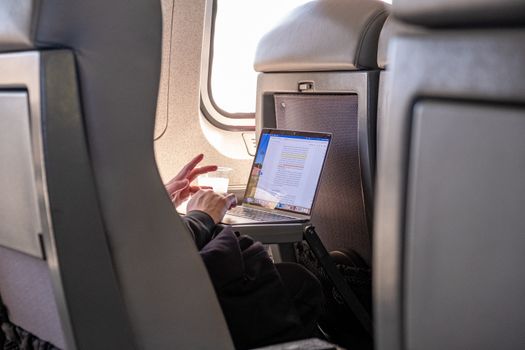
The aroma of freshly baked croissants, the distant murmur of a foreign language, the promise of a cobblestone street just waiting to be explored... Ah, the romantic ideal of working while traveling. You picture yourself, laptop open, coffee steaming, effortlessly churning out brilliance from a sun-drenched cafe in Rome or a tranquil patio in Kyoto.
I used to picture that too. And then reality would hit.
My first attempt at being a "productive traveler" was a comedic disaster in Barcelona. I’d wake up, excited to work, only to find the "charming" cafe I'd picked out was a noisy tourist trap by 9 AM. My internet would cut out every 15 minutes, my power adapter would mysteriously vanish, and by lunchtime, I’d be so drained from battling distractions, I’d ditch my laptop for sangria – which, while delicious, wasn't exactly helping me hit my deadlines. I was constantly playing catch-up, feeling guilty, and missing out on genuine local experiences because I was either scrambling to finish work or too exhausted to enjoy anything.
It was during a particularly frustrating morning in Lisbon, desperately searching for a quiet corner to focus, that I had an epiphany. I watched an elderly woman calmly sip her espresso at a tiny, unassuming pastelaria, reading a newspaper. A few blocks away, a young man sat plugged into an outlet at a community library, completely absorbed in his screen. These weren't tourists. These were locals. And they seemed to have cracked the code.
They weren't fighting the city; they were flowing with it. They knew the rhythms, the hidden spots, the unspoken rules. They had a natural, intuitive productivity that tourists, myself included, often completely missed. That day, I stopped trying to force my "home" productivity routine onto my travels and started observing. I started asking. I started living like a local, even if just for a few hours a day. And that, my friends, is when everything changed.
This isn't about working harder; it’s about working smarter, leveraging local wisdom to transform your travel productivity. These are the secrets locals inherently know, the ones they might not even realize they're keeping from us tourists, but which will revolutionize your ability to stay focused, inspired, and truly present, wherever your adventures take you.
---
1. The "Un-Tourist" Morning Ritual: Hacking the Golden Hours
The Tourist Trap:
Most tourists wake up, hit the hotel breakfast buffet, then rush out to the main attractions, arriving just as the crowds swell and the energy shifts from serene to chaotic. If you try to work during these hours, you're competing with peak noise, peak traffic, and peak distraction.
The Local Secret:
Locals understand the magic of the early morning. They're often up before the sun, getting a head start on their day when the city is quiet, the air is fresh, and the light is soft and inspiring. This isn't just about avoiding crowds; it's about tapping into a pervasive sense of calm and focus that dissipates as the day progresses.
How to Adopt It:
* Embrace the Dawn: Set your alarm for 6:00 AM or 6:30 AM, even if you’re not usually an early bird. Use these first two to three hours for your most demanding, "deep work" tasks. The silence is golden, the internet is faster (fewer users), and your brain is often at its freshest. I once wrote an entire article before 9 AM, sipping a strong Italian espresso at a tiny bar in Florence, just as the first shopkeepers were rolling up their shutters. It was incredibly productive and deeply atmospheric.
* Seek Out Local Breakfast Spots: Skip the hotel buffet. Instead, find a small, family-run bakery or a traditional "bar" (in Italy/Spain) or "boulangerie" (in France) that caters to locals. These places open early, are significantly quieter, and offer a more authentic, less frantic start to your day. You'll get a real coffee (often for €1-€2, not €5), a fresh pastry, and a glimpse into genuine local life. Look for places where you see people quickly grabbing a coffee and a newspaper, rather than settling in for a long, leisurely meal.
* Morning Walks for Clarity: Before you dive into work, take a 15-20 minute walk around your immediate neighborhood. Observe the waking city. This isn't sightseeing; it's grounding. It clears your head, gets your blood flowing, and connects you to your surroundings, making your subsequent work more intentional and less isolating.
---
2. The Art of the "Hidden Nook": Finding Your Productive Sanctuary
The Tourist Trap:
You default to popular, Instagram-famous cafes, which are often noisy, have unreliable Wi-Fi, and are designed for quick turnover, not deep work. Or you try to work in your hotel room, which can feel isolating and uninspiring.
The Local Secret:
Locals know that true productivity often requires escaping the main thoroughfares. They have a mental map of quiet corners, overlooked libraries, and community spaces that offer reliable peace and internet, away from the tourist bustle. These aren't always advertised; they're discovered through living in a place.
How to Adopt It:
* Beyond the Obvious Cafes: While a good cafe is a staple, expand your search.
* Libraries (Bibliotecas): Many public libraries, especially in Europe, are beautiful, quiet, and offer free, fast Wi-Fi. Some even have dedicated study areas. Look for "Biblioteca Pública" signs. In places like Paris or Berlin, their grand architecture alone can be inspiring.
* University Common Areas: If you're near a university, some common areas or cafes might be accessible to the public and offer a student-focused, quiet environment. They often have robust Wi-Fi.
* Hotel Lobbies (The Savvy Nomad's Secret): Upscale hotel lobbies, particularly those away from major tourist hubs, can be surprisingly quiet during the day. Many offer comfortable seating, good Wi-Fi, and often a discreet corner where you can work for a few hours without being disturbed. Buy a coffee from their bar to be a polite patron.
* Co-working Spaces: Don't just think "digital nomad hub." Many cities have local co-working spaces catering to local freelancers and small businesses. They often offer daily passes (e.g., €15-€30 for a day) and provide a professional, focused environment, reliable internet, and the chance to meet locals. Search for "coworking [city name] day pass." I found an incredible one in Medellín that had a rooftop garden – talk about inspiring!
* Parks with a Purpose: While not ideal for Wi-Fi dependent tasks, a quiet bench in a less-trafficked park can be perfect for writing, brainstorming, or offline work. Look for benches away from playgrounds or main paths. The natural surroundings can significantly boost creativity.
---
3. Mastering Local Transport & Timing: Your Productivity Express Lane
The Tourist Trap:
Relying on taxis or ride-shares for every journey, getting stuck in peak-hour traffic, or spending valuable time deciphering complex public transport maps when you could be working.
The Local Secret:
Locals are masters of efficiency when it comes to getting around. They know the peak hours to avoid, the fastest routes, the most cost-effective options, and how to use commute time productively.
How to Adopt It:
* Optimize Your Commute:
* Off-Peak Travel: If you need to move between neighborhoods for work or appointments, schedule your travel outside of typical rush hours (e.g., 7-9 AM and 5-7 PM). This reduces stress, saves time, and often makes public transport a more pleasant experience.
* Local Transit Apps: Download the local public transport app (e.g., Citymapper for major cities, Moovit, or specific city apps) immediately upon arrival. They offer real-time information, route planning, and fare details far more accurately than Google Maps sometimes can for intricate local systems.
* Productive Commutes: If you’re on a bus, train, or metro, use that time wisely. It’s perfect for reading articles, listening to podcasts, replying to non-urgent emails (if you have data), or even just brainstorming with a notebook. I’ve drafted entire blog post outlines during a 30-minute tram ride in Amsterdam.
* Walk or Cycle: For shorter distances, walking or renting a local bike (many cities have public bike-sharing schemes like Velib in Paris or Bicing in Barcelona) isn't just exercise; it's a way to clear your head, observe your surroundings, and often get to your destination faster than navigating traffic. Plus, it’s a free brain-boost!
---
4. Fueling Your Focus: Eating Like a Local, Working Like a Pro
The Tourist Trap:
Grabbing expensive, often unhealthy, meals from tourist-centric restaurants, leading to energy crashes, budget drain, and lost time waiting for food.
The Local Secret:
Locals prioritize fresh, affordable, and nutritious food. They know where to find the best markets, the most authentic lunch specials, and how to fuel themselves efficiently throughout the day without breaking the bank or sacrificing their energy levels.
How to Adopt It:
* Embrace Local Markets & Grocery Stores: This is perhaps the biggest local secret. Instead of eating out three times a day, visit a local "Mercado" (market) or "Supermercado" (supermarket).
* Fresh Produce: Stock up on fruits, vegetables, nuts, and local cheeses. These make for excellent, healthy, and cheap snacks that sustain your energy without the post-meal slump.
* DIY Lunches: Buy fresh bread, cured meats, and cheese to make your own delicious and productive lunch. You can enjoy it in a park, back at your workspace, or even on a bench overlooking a beautiful view, saving time and money. I once bought fresh tomatoes, mozzarella, and basil at a Roman market for €5 and had a gourmet lunch that would have cost €20+ at a restaurant.
* Seek Out "Menu del Día" / Lunch Specials: In many countries (especially Spain, Portugal, Latin America), restaurants offer a "Menu del Día" or "Plat du Jour" – a fixed-price, multi-course lunch menu. These are designed for local workers, are incredibly affordable (often €10-€15 for 2-3 courses), and are served quickly. It’s a fantastic way to experience local cuisine without the time commitment or cost of a full dinner. Ask your Airbnb host or a local shopkeeper for recommendations.
* Hydration is Key: Locals always have water. Invest in a good reusable water bottle and refill it frequently. Dehydration subtly saps your energy and focus. Many cities have public water fountains, or you can ask cafes to refill your bottle.
---
5. The Digital Nomad's Local Toolkit: Connectivity & Security
The Tourist Trap:
Relying solely on unreliable public Wi-Fi, getting caught without data, or risking your online security.
The Local Secret:
Locals use reliable, secure, and cost-effective methods to stay connected. They know the best local providers, the most stable connections, and prioritize digital security.
How to Adopt It:
* Local SIM Cards are Non-Negotiable: This is your lifeline. Upon arrival, head to a local mobile provider store (e.g., Vodafone, Orange, Movistar, T-Mobile, AIS, etc.) and purchase a local SIM card with a generous data plan. This ensures you always have reliable internet, can make local calls, and use navigation apps without stress. Prices vary, but you can often get 10-20GB of data for €20-€30 in Europe, or even less in Southeast Asia. For even more flexibility, consider an eSIM like Airalo or Nomad, which allows you to switch carriers digitally.
* Portable Wi-Fi Hotspot: For ultimate peace of mind and security, consider investing in a portable Wi-Fi hotspot device. You can insert a local SIM into it, and it creates your own secure Wi-Fi network wherever you go. This is invaluable if you're working on sensitive information or frequently find yourself in areas with spotty public Wi-Fi.
* VPN (Virtual Private Network): This isn't just for bypassing geo-restrictions; it's crucial for security. A VPN encrypts your internet connection, protecting your data when you’re using public Wi-Fi (even in cafes). It’s a small investment for huge peace of mind.
* Power Banks & Adapters: Always carry a fully charged power bank (or two!) and the correct universal travel adapter. There’s nothing more productivity-killing than a dead laptop or phone when you're in the middle of a task and nowhere near an outlet.
* Offline Work Habits: Prepare for inevitable connectivity glitches. Download important documents, use offline modes for Google Docs, Trello, or other apps, and save web pages you need to reference. This allows you to continue working even if your Wi-Fi suddenly decides to take a siesta.
---
6. Embracing the Local Rhythm: When to Work, When to Wander
The Tourist Trap:
Trying to maintain a rigid 9-5 schedule, feeling guilty when you take a break, or pushing through burnout because you feel like you should be working. This often leads to missing out on unique local experiences.
The Local Secret:
Locals have an inherent understanding of their city's pulse. They know when the best time is to work, when to relax, and when to engage with the vibrant culture. They build their days around these rhythms, creating a natural work-life harmony.
How to Adopt It:
* Leverage Local Lulls: In many Mediterranean or Latin American countries, the early afternoon often brings a "siesta" or a general slowdown. Shops might close, the heat might become intense, and the streets quiet down. Instead of fighting it, embrace it! This can be a perfect time for a productive work sprint in a quiet, air-conditioned space, or conversely, a mindful break. I learned in Seville that trying to do anything meaningful between 2 PM and 5 PM was futile; instead, I'd use that time for focused work, then emerge re-energized for the evening's vibrant social scene.
* Flex Your Schedule Around Experiences: Don't miss out on a once-in-a-lifetime opportunity because of a rigid work schedule. If there's a local festival, a unique market, or an interesting cultural event happening during your "work hours," adapt. Work earlier, work later, or front-load your tasks. The inspiration you gain from these experiences will often fuel your productivity far more than an extra hour at your laptop.
* Deep Work Blocks & Mindful Breaks: Schedule dedicated "deep work" blocks where you eliminate all distractions and focus intensely. Then, schedule mindful breaks. Instead of scrolling social media, use your breaks to step outside, observe the street life, listen to the sounds, or simply enjoy a local snack. These short, intentional breaks refresh your mind and prevent burnout.
* Engage with Locals (The Ultimate Productivity Hack): This isn't directly about output, but it fuels inspiration. Strike up conversations with baristas, shopkeepers, or fellow co-workers. Ask them about their city, their favorite spots, or what they do. This not only enriches your experience but can lead to discovering even more "hidden nooks" or productivity tips you wouldn't find online.
---
The Real Secret to Productive Travel?
It's not about replicating your home office on the road. It's about shedding the tourist mindset and adopting the fluidity, resourcefulness, and inherent wisdom of the locals. It's about observing, adapting, and integrating your work into the natural pulse of your temporary home.
By starting your day like a local, finding your workspace like a local, moving like a local, eating like a local, and connecting like a local, you unlock a level of productivity that feels effortless and authentic. You'll not only hit your deadlines but also truly experience the magic of each destination, making your travels richer, more fulfilling, and surprisingly, more productive than ever before.
So, next time you're on the road, take a moment. Look around. What are the locals doing? How are they navigating their day? Therein lies the true secret to unlocking your productive travel potential. Now go forth, explore, and get things done!
What are your secret local productivity hacks? Share them in the comments below! And if these tips helped you, don't keep them to yourself – share this post with your fellow digital nomads and remote work adventurers!