The Real Deal: How to Live Like a Local in Any Country (Even the Ones They Don't Want Tourists to Know About)
I still remember the smell of fresh bread wafting from an unmarked alleyway in Rome. It was my third trip to the Eternal City, and I was determined to escape the selfie sticks and overpriced gelato. While my friends queued for hours at the Colosseum, I found myself utterly lost, phone battery dead, wandering the labyrinthine streets of Trastevere, far from the main squares.
Frustration turned to curiosity as I stumbled upon a tiny, unassuming bakery, its door slightly ajar. Inside, an elderly woman dusted flour from her apron, humming an old Italian tune. She saw my bewildered face, smiled, and offered me a warm, crusty pizza bianca – not the kind you find in tourist traps, but a simple, perfect flatbread drizzled with olive oil and salt. It cost me €1.50, and it was, without a doubt, the most authentic, delicious thing I’d eaten all trip.
That moment wasn't just about a snack; it was a revelation. It was the taste of real Rome, a glimpse into a local’s daily life, a secret shared without words. It sparked a passion in me: how to consistently find these hidden pockets of authenticity, these moments of genuine connection, wherever I travel. This isn't just about saving money (though you will!); it's about enriching your soul, broadening your perspective, and truly understanding a place beyond its postcards.
If you’re tired of crowded landmarks, overpriced souvenirs, and feeling like an outsider, then buckle up. This isn't your average travel guide. This is your blueprint for living like a local, even in the places "they" don't want you to know about.
---
1. The Mindset Shift: Beyond the Brochure & Into the Unscripted
Before you even pack your bags, the most crucial step is to recalibrate your mindset. Ditch the rigid itinerary, the FOMO-driven checklist, and the expectation of perfection. Living like a local means embracing the unplanned, the imperfect, and the utterly mundane.
Practical Tips for Your Mental Prep:
* Embrace Serendipity: Leave room in your day for spontaneous detours. If a charming alley catches your eye, follow it. If a local strikes up a conversation, engage. Some of my best travel memories came from getting delightfully lost.
* Let Go of "Must-Sees": While iconic landmarks have their place, prioritize experiences over sights. Would you rather see another cathedral, or spend an afternoon learning to make pasta with a local nonna?
* Cultivate Curiosity: Ask questions. Observe everything. Why do people queue here? What are they celebrating? What’s that intriguing smell? Your curiosity is your greatest tool for discovery.
* Be Patient: Things might not always go as planned. Buses might be late, communication might be tricky, and you might make a few cultural faux pas. Breathe, laugh it off, and remember it's all part of the adventure.
My Story:
On a trip to Kyoto, I initially felt the pressure to visit every temple. But after a few days, temple fatigue set in. I swapped my guidebook for a random bus ride, ending up in a quiet residential area. I spent an hour just watching children play in a park, then discovered a tiny, bustling ramen shop where I was the only non-Japanese customer. It wasn't "Instagram-famous," but it was real, delicious, and utterly peaceful. That day taught me the true value of simply being in a place.
---
2. Language & Connection: Your Golden Key to Local Life
You don't need to be fluent, but making an effort with the local language is the single most powerful way to unlock authentic experiences. Even a few basic phrases can transform interactions from transactional to genuinely human.
Actionable Advice for Language & Connection:
* Learn the Essentials: Before you go, master "hello," "please," "thank you," "excuse me," "yes," "no," "how much?" and "where is...?" (and "toilet!"). Duolingo, Babbel, or Pimsleur are great starting points.
* Download Offline Translators: Google Translate’s offline packs and camera translation feature are lifesavers for deciphering menus or signs.
* Don't Be Afraid to Try: Locals appreciate the effort, even if your pronunciation is terrible. A smile and a few broken words often open doors to warmth and helpfulness.
* Engage with Service Staff: Your barista, shopkeeper, or server often has invaluable insights. A simple "How are you?" in their language can lead to recommendations for their favorite local spot.
* Use Non-Verbal Cues: A warm smile, eye contact (if culturally appropriate), and open body language can convey friendliness and approachability even when words fail.
My Story:
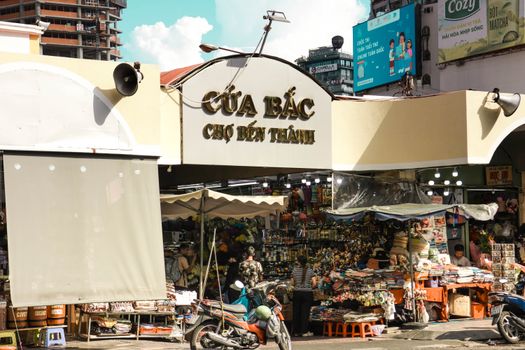
In a small village in Vietnam, I was struggling to order food. A woman at the next table noticed my predicament. With a combination of pointing, charades, and my halting "Cảm ơn" (thank you), she not only helped me order the most incredible bún chả but also invited me to share a cup of tea with her family later that evening. That connection, fostered by a shared meal and a little linguistic effort, was far more memorable than any five-star restaurant. It taught me that genuine hospitality often lies in the simplest gestures.
---
3. Where to Sleep, Eat, & Play: Emulating Local Habits
To live like a local, you need to immerse yourself in their daily rhythms. This means choosing accommodation, food, and activities that mirror their routines, not a tourist's.
Accommodation – Ditch the Chain Hotels:
* Airbnb/Local Guesthouses: Opt for rooms or entire homes in residential neighborhoods. This instantly puts you in a local setting, away from tourist hubs. You’ll wake up to the sounds of local life, not tour buses.
* Homestays: For deeper immersion, especially in rural areas, a homestay offers unparalleled cultural exchange. You’ll eat, sleep, and live with a local family.
* Hostels (Private Rooms): Many hostels offer private rooms, and their common areas are great for meeting other travelers and getting tips from local staff.
Food – Eat Where the Locals Eat:
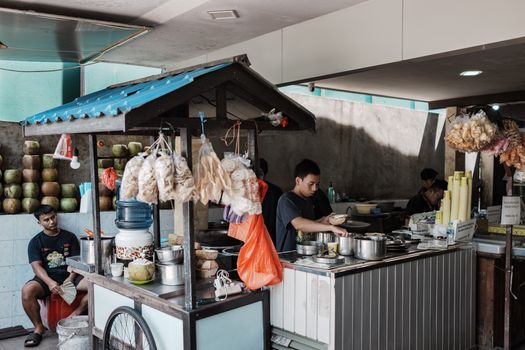
* Local Markets: This is my absolute favorite. Head to the local produce or wet market early in the morning. Not only is the food fresher and cheaper, but it's a vibrant hub of local activity. Grab ingredients for a picnic or try some street food. In Marrakech, I spent hours just watching the vendors, soaking in the energy.
* Small, Unassuming Eateries: Look for places with handwritten menus, no English signs, and a crowd of locals. Ask your Airbnb host or guesthouse owner for their favorite "hole-in-the-wall" spot. In Lisbon, I found an incredible tasca serving fresh seafood for a fraction of the price of waterfront restaurants, simply by asking a local shopkeeper.
* Cooking Classes: This is an incredible way to learn about local ingredients and culinary traditions. Many Airbnb Experiences or local tour operators offer classes led by home cooks.
* Avoid Tourist Menus: If a restaurant has pictures of food on the menu or a host outside trying to lure you in, it's usually a tourist trap.
Activities – Do as They Do:
* Public Transport: Skip the taxis and hop on buses, trams, or subways. It's cheaper, often faster, and you'll observe daily life unfold around you. In Tokyo, the Yamanote Line became my daily commute, offering glimpses into salaryman life.
* Parks & Public Spaces: Spend an afternoon in a local park, watch people, read a book. In Barcelona, I loved watching families gather in Parc de la Ciutadella, far from the Sagrada Familia crowds.
* Local Events: Check local newspapers (online, translated if needed) or community boards for festivals, concerts, or sporting events. Even attending a local church service or community gathering can be a profound experience.
* Walk, Walk, Walk: Your feet are your best friends. Wander aimlessly. Discover hidden courtyards, street art, and charming boutiques that guidebooks never mention.
---
4. The Art of Observation & Blending In: Become a Cultural Chameleon
Blending in isn't about disappearing; it's about showing respect and understanding. By observing local customs and mirroring appropriate behavior, you reduce cultural friction and open yourself up to more genuine interactions.
Tips for Blending In:
* Dress Appropriately: Research local dress codes, especially for religious sites or conservative areas. While you don't need to adopt full local attire, avoiding overly revealing clothing or loud tourist gear can make a big difference. In many parts of Asia, shoulders and knees should be covered. In Europe, smart casual is often the norm.
* Observe Social Cues: How do people greet each other? What's the acceptable volume for conversation in public? Do they make direct eye contact or avoid it? Are public displays of affection common?
* Understand Mealtime Etiquette: Do they share food? Is it rude to leave food on your plate, or to finish everything? Do you tip, and how much? A quick Google search before your trip can save you embarrassment.
* Walk with Purpose: Tourists often look lost or overwhelmed. Even if you are, try to walk with a sense of direction. It makes you less of a target and more like someone who belongs.
* Put Your Phone Away: While navigating, your phone is essential. But when you're simply observing or interacting, put it away. Be present. Nothing screams "tourist" more than someone constantly glued to their screen.
My Story:
In Istanbul, I quickly noticed that locals didn't walk around with open maps or perpetually take photos of every building. They moved with a certain flow. By observing and adjusting my pace, my posture, and even how I carried my bag, I felt less like a visitor and more like an explorer. It helped me feel more comfortable approaching locals for directions or recommendations, as I wasn't radiating "lost tourist" vibes.
---
5. Unearthing the "Hidden Gems": Your Secret Weapon Arsenal
This is the holy grail for any traveler seeking authenticity: finding those truly unique, untouched spots. It's not about stumbling upon them by pure luck (though that helps!), but by employing deliberate strategies.
Your Secret Weapon Arsenal:
* Ask the Right People (The Right Way): Instead of "What's good here?", ask "Where do you go for [coffee/dinner/a quiet walk]?" or "What's your favorite local spot that tourists don't know about?" Ask your Airbnb host, a friendly shopkeeper, a barista, or even a taxi driver. These are the people with insider knowledge.
* Follow Local Social Media & Blogs: Before your trip, search for local hashtags on Instagram (e.g., #KyotoLocal, #RomeFoodie), Facebook groups for expats or locals, or local city blogs (use Google Translate). They often highlight new openings, local events, and favorite haunts.
* Wander Off the Main Drag: Seriously, just turn down that unassuming side street. Many incredible discoveries are made just a block or two away from the main tourist arteries.
* Visit Neighborhoods, Not Just City Centers: Every city has distinct neighborhoods, each with its own vibe and local businesses. Spend a day exploring one residential area rather than hopping between major attractions.
* Use Google Maps Creatively: Instead of searching for "restaurants," zoom into a residential area and look for places with few or no reviews, or reviews primarily in the local language. Cross-reference with photos – do they look authentic?
* Seek Out Community Centers/Libraries: These can be unexpected hubs for local information, events, and even language exchange meetups.
* Join a Local Interest Group: If you have a hobby like hiking, photography, or cooking, search for local groups on Meetup.com or Facebook. This is an incredible way to connect with like-minded locals.
My Story:
In Barcelona, I desperately wanted to find a truly local paella spot, away from the tourist traps along La Rambla. I asked my Airbnb host, a sweet older woman named Elena, where she ate paella. She laughed, told me "no one eats paella every day," but then whispered the name of a tiny place in the Gràcia neighborhood, a 20-minute metro ride away. It was packed with Spanish families, the paella was divine, and it felt like I'd been let in on a family secret. The bill, for a massive pan of seafood paella and wine, was surprisingly modest.
---
6. Responsible & Respectful Exploration: Be a Good Guest
Living like a local isn't just about what you do, but how you impact the place you visit. Being a responsible and respectful traveler ensures your presence is a positive one, and helps preserve the authenticity you crave for future generations.
Guidelines for Responsible Travel:
* Support Local Businesses: Choose locally owned restaurants, shops, and guesthouses. Your money directly benefits the community, rather than multinational corporations.
* Minimize Your Footprint: Reduce waste, conserve water and energy, and respect natural environments. Pack a reusable water bottle and shopping bag.
* Understand Local Taboos: Research cultural sensitivities. Is it rude to point? Is it appropriate to haggle? Are there specific customs for visiting religious sites? A little research goes a long way.
* Be Mindful of Photography: Always ask permission before taking photos of people, especially children. Some cultures find it disrespectful.
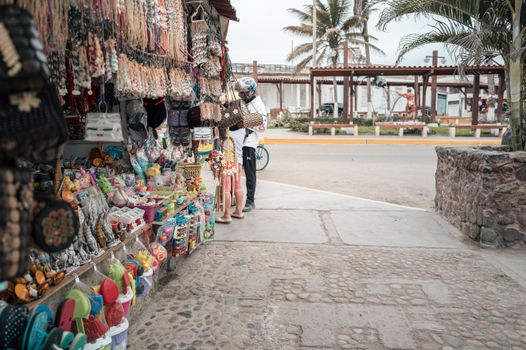
* Bargain Respectfully (If Applicable): In cultures where bargaining is common, do so with a smile and good humor. Don't be aggressive or disrespectful. Remember, a few cents might mean more to the vendor than it does to you.
* Learn About Over-Tourism: Be aware of places struggling with excessive tourism. Sometimes, the most "local" thing you can do is avoid a popular spot during peak times or choose an alternative, less-visited location.
My Story:
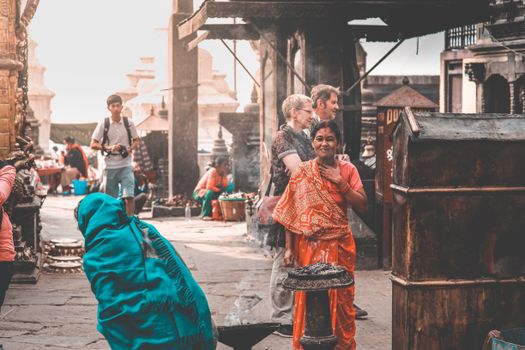
In Thailand, I learned the importance of showing respect for the monarchy and Buddhist traditions. I saw tourists pointing their feet at Buddha statues (a huge no-no) or touching monks without permission. By simply observing and following local cues – like removing my shoes before entering temples and dressing modestly – I felt a deeper connection to the culture and avoided inadvertently causing offense. It’s about being a guest, not a consumer.
---
7. Embracing the Unplanned & Imperfect: The True Joy of Discovery
Finally, understand that living like a local means embracing the beautiful messiness of real life. It’s not about ticking off boxes; it’s about collecting experiences, stories, and connections.
The Beauty of the Unplanned:
* Flexibility is Key: Your best-laid plans might go awry. A local festival might pop up, a new friend might invite you somewhere, or a shop might be unexpectedly closed. Roll with it.
* Learn from Mistakes: You will make mistakes. You might order something you don't like, get on the wrong bus, or say the wrong thing. These are not failures; they are learning opportunities and often lead to the funniest anecdotes later.
* Savor the Mundane: The true magic of local life often lies in the everyday: the morning coffee ritual, the bustling market scene, the evening stroll. These are the moments that truly immerse you.
* Document Your Uniqueness: Your Instagram feed will be far more interesting with photos of a hidden street art mural, a candid shot of a local craftsman, or a plate of obscure but delicious street food than another picture of a famous landmark. Share your unique discoveries!
My Story:
During a trip through rural Portugal, my rental car broke down on a dusty road, miles from the nearest town. Panic set in. But then, a farmer on a tractor stopped, offered me a ride to his village, and his wife, despite the language barrier, insisted I stay for dinner while he called a mechanic. It was an unplanned, inconvenient disaster that turned into one of the most heartwarming, authentic encounters of my life. I ate homemade bread, drank local wine, and felt like part of their family for an evening. That's the real reward of local travel.
---
Your Adventure Awaits: Beyond the Tourist Trail
Living like a local isn't a destination; it's a journey, a continuous process of learning, adapting, and connecting. It requires an open mind, a curious spirit, and a willingness to step outside your comfort zone. But the rewards are immeasurable: deeper understanding, richer memories, and a profound appreciation for the diverse tapestry of human experience.
So, are you ready to trade the well-trodden path for the thrilling unknown? Are you ready to uncover the secrets that locals cherish and truly make a place your own? Start by picking one tip from this guide for your next trip. Ask that local, venture down that alley, or try that unassuming eatery.
Now, tell us:
What's the most "local" experience you've ever had? Share your hidden gems and insider tips in the comments below! Let's inspire each other to travel deeper, connect more authentically, and uncover the world's best-kept secrets.
---