The aroma of freshly baked bread wafted from a tiny hole-in-the-wall bakery, mingling with the rhythmic clang of a blacksmith’s hammer from a nearby workshop. I was in a small, ancient town in Sicily, not on a guided tour, but following a local friend I’d met just days before. He was taking me to a community cooking class, an event so authentically local, so deeply embedded in the town’s daily life, that it wasn't advertised anywhere a tourist might find it. We spent the afternoon kneading dough, laughing with grandmothers, and learning recipes passed down through generations, all for the price of sharing ingredients. It was a moment of pure, unadulterated connection – the kind of travel magic that happens when you step off the beaten path and into the heart of a local community.
As a seasoned solo traveler, I’ve had countless experiences that have taught me one crucial truth: the best memories aren't made from ticking off landmarks, but from connecting with people and participating in local life. But how do you, as a lone wolf in a foreign land, get invited into these intimate, often unadvertised, local group activities that locals genuinely don't want overrun by tourists? It’s not about sneaking in; it’s about respectful engagement, genuine curiosity, and knowing where and how to look.
Forget the overcrowded bus tours and generic souvenir shops. This is your insider guide to unlocking the soul of a destination by joining local groups, making friends, and creating stories that go far beyond any Instagram filter.
1. The Mindset Shift: From Spectator to Participant
Before we dive into the practicalities, let's talk about the most important tool in your solo travel arsenal: your mindset. To truly connect with locals and join their activities, you need to shift from being a passive observer to an active, respectful participant.
Embrace Curiosity, Ditch Entitlement:
Locals aren't there to entertain you; they're living their lives. Approach every interaction with genuine curiosity about their culture, traditions, and daily routines. Ask open-ended questions, listen more than you speak, and be prepared to learn. The moment you show genuine interest, doors that were previously closed will start to creak open.
Learn a Few Phrases:
Even a few words in the local language – "hello," "please," "thank you," "excuse me," "I’m learning" – can make an enormous difference. It shows respect and effort, and often melts away any initial apprehension. In that Sicilian town, my clumsy "grazie" and "scusi" were met with warm smiles and an eagerness to help me understand.
Dress Appropriately & Observe:
Pay attention to how locals dress and behave, especially when attending religious or cultural events. Blending in, even subtly, signals respect and helps you feel more comfortable. This isn't about losing yourself; it's about showing you value their customs.
Be Open to the Unexpected:
Some of the best experiences come from spontaneous invitations. Be open to changing your plans, saying "yes" to an impromptu coffee, or joining a casual gathering. These are often the true "hidden gems."
2. Digital Gateways: Unlocking Local Communities Online
In the age of hyper-connectivity, the internet isn't just for booking flights; it's a powerful tool for finding local community groups. These are the digital breadcrumbs that lead to real-world connections.
Meetup.com: Your Global Community Hub
Don't underestimate Meetup.com. While it's popular among expats, many locals use it to find groups related to their hobbies and interests.
* How to Use It: Search for your destination city and keywords like "hiking," "photography," "language exchange," "cooking," "board games," "book club," or even "urban gardening." Filter by "upcoming events" and "groups."
* My Experience: In Lisbon, Portugal, I joined a "Sustainable Living & Urban Gardening" group through Meetup. We spent a Sunday morning tending to a community garden, then shared a potluck lunch. Not a single other tourist in sight, just friendly locals passionate about their city and the environment. I learned about local produce, shared stories, and even got tips on where to find the best pastéis de nata outside the tourist zones. It was free, fulfilling, and provided countless Instagram-worthy moments of community spirit.
Facebook Groups: The Unofficial Town Square
Facebook Groups are goldmines for local events and connections. Many cities have incredibly active communities.
* How to Use It: Search for "[City Name] Locals," "[City Name] Foodies," "[City Name] Hikers," "Digital Nomads [City Name]," or specific hobby groups. Join a few, introduce yourself politely as a solo traveler looking for authentic experiences, and ask for recommendations or if anyone knows of local gatherings.
* My Experience: When I was in Penang, Malaysia, I joined the "Penang Foodies" group. Someone posted about a secret hawker stall only open on Tuesdays and Fridays, tucked away behind a hardware store. It was a local secret, buzzing with families and workers, serving the best char kway teow of my life. I only knew about it because a local shared it in the group, and I made a point to go on a "quiet" day to avoid adding to any potential tourist influx.
Reddit & Local Forums: Niche & Specific
Reddit's city-specific subreddits (e.g., r/Amsterdam, r/NYC) are fantastic for asking specific questions and finding niche events. Local online forums, while less common now, can also exist for smaller towns.
* How to Use It: Post a polite, specific question: "Solo traveler from [Your Country] looking for a local cooking class or a unique cultural experience this weekend. Any recommendations that aren't typical tourist traps?" Be clear about your intentions and respect local customs.
* Tip: Look for posts about local festivals, markets, or community projects. These often lead to unadvertised group activities.
3. Physical Footprints: Where Locals Gather (Offline)
Beyond the digital realm, there are physical spaces where locals naturally congregate. These are your real-world entry points into community life.
Community Centers & Libraries: The Unsung Heroes
Often overlooked by tourists, community centers (sometimes called "cultural centers" or "Volkshochschule" in Germany) and local libraries are vibrant hubs for local activities.
* How to Use It: Pop in and check their bulletin boards. Look for flyers about language classes, craft workshops, local club meetings, or community events. Many offer drop-in sessions for a small fee or even for free.
* My Experience: In Berlin, Germany, I found a local Volkshochschule that had drop-in German conversation classes for just a few euros. I met students, artists, and retirees, all eager to practice their English while helping me with my German. It was a relaxed, judgment-free environment, and I got invited to a local biergarten afterwards, a truly local experience away from the main tourist areas.
Specialty Shops: More Than Just Retail
Independent bookstores, art supply stores, local cafes, craft breweries, and even small, traditional markets often double as community gathering spots.
* How to Use It: Look for bulletin boards, event flyers, or simply strike up a conversation with the owner. They often know about local happenings.
* My Experience: A small, family-run tea shop in Hoi An, Vietnam, had a handwritten sign-up sheet for a calligraphy workshop. It was taught by a local artist, very intimate, and I was the only non-Vietnamese person there. We learned traditional techniques, shared tea, and the artist even drew a personalized character for each of us. It was an unforgettable cultural exchange, far more meaningful than any mass-produced souvenir.
Local Markets & Festivals: Sensory Overload & Social Hubs
Beyond tourist-centric markets, seek out farmers' markets or neighborhood festivals. These are vibrant social spaces.
* How to Use It: Go with an open mind. Buy something, ask vendors about their produce or crafts, and inquire about local customs or upcoming events. Show genuine interest.
* Tip: Look for posters advertising local music nights, dance performances, or cooking demonstrations.
4. The Art of the Approach: How to Join In Respectfully
Finding these hidden gems is one thing; successfully integrating into them is another. Your approach matters.
Be Prepared, Be Polite:
If a group activity requires an RSVP, do it. If it's a small gathering, message the organizer beforehand to introduce yourself and express your interest. Don't just show up unannounced unless it's clearly an open, public event.
Offer Value (If Appropriate):
Can you contribute? Perhaps you have a skill to share, or can offer to help with setup/cleanup. In a cooking class, offering to wash dishes after can be a small gesture of goodwill. In a language exchange, be genuinely helpful with your native language.
Be a Good Listener & Observer:
When you first join, take a moment to observe the group dynamics. Listen to conversations, understand the flow, and don't dominate. Ask questions that show you're engaged and curious, not just trying to inject yourself.
Manage Expectations:
Not every attempt will lead to a deep connection or an immediate invitation to a local's home, and that's perfectly okay. The goal is the experience itself – the chance to observe, learn, and participate. Every interaction is a step towards deeper immersion.
Safety First:
Always use common sense. When meeting strangers, choose public places. Let a friend or family member know where you're going and who you're meeting. Trust your gut feeling; if something feels off, politely excuse yourself.
5. Unconventional Avenues: Beyond the Obvious
Some of the most rewarding local experiences come from thinking outside the box.
Volunteering for a Day: Give Back, Connect Deeply
Many cities have local charities, environmental groups, or community projects that welcome short-term volunteers.
* How to Use It: Search for "[City Name] volunteer opportunities" or "community service [City Name]." Look for groups focused on environmental clean-ups, animal welfare, or social support.
* My Experience: While backpacking through Costa Rica, I joined a local beach clean-up organized by a small eco-tourism initiative. I spent a morning collecting plastic with locals, sharing stories, and learning about their efforts to protect their coastline. Afterwards, we all shared a delicious, home-cooked lunch, and I got invited to a community BBQ that evening. It was hands-on, meaningful, and led to genuine friendships. Plus, those candid shots of teamwork against a stunning natural backdrop? Pure Instagram gold.
Language Exchange Meetups: Your Cultural Passport
Even if you speak some of the local language, these are fantastic for meeting locals eager to practice English and share their culture.
* How to Use It: Look on Meetup, Facebook Groups, or inquire at local universities or language schools.
* Tip: Be prepared to chat about your home country and culture. It's a two-way street!
Sports Clubs & Drop-in Classes: Sweat, Smile, Socialize
Yoga studios, dance classes, martial arts dojos, or local running clubs often welcome drop-ins. It's a fantastic way to bond over a shared activity.
* How to Use It: Search online for "[Activity] classes [City Name]" or ask at your accommodation for recommendations.
* My Experience: In Medellín, Colombia, I found a salsa school that had "practice nights" open to anyone for a small fee. I was a beginner, but the locals were incredibly patient and encouraging. I met people of all ages, learned some basic moves, and truly felt part of the city's vibrant rhythm. The energy was electric, the music infectious, and the connections made on the dance floor were priceless.
Local Festivals & Celebrations: Beyond the Mainstream
Beyond the major, heavily advertised festivals, research smaller, neighborhood-specific celebrations, religious holidays (if appropriate to join respectfully), or local music nights.
* How to Use It: Ask locals, check community boards, or use the online resources mentioned earlier.
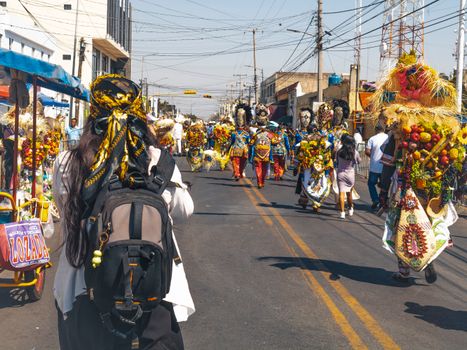
* Tip: These events are often free, incredibly colorful, and offer unparalleled photo opportunities. Just remember to be respectful and ask before photographing people.
6. The Payoff: Why It's Worth Every Effort
Stepping out of your comfort zone and seeking these authentic local experiences isn't always easy, but the rewards are immeasurable.
- Authentic Memories, Not Just Photos: You'll collect stories that are unique to you, not just snapshots of famous landmarks.
- Deeper Understanding: You'll gain a nuanced understanding of the local culture, beyond what any guidebook can teach.
- Unforgettable Connections: You might forge friendships that last a lifetime, or at least share memorable moments with fascinating people.
- Learn a Skill: Whether it's cooking a local dish, weaving a craft, or picking up a few phrases, you'll come away with new knowledge.
- Boost Your Confidence: Successfully navigating these experiences as a solo traveler will leave you feeling empowered and more resilient.
- Budget-Friendly Travel: Many local activities are free or significantly cheaper than tourist-oriented tours.
Conclusion: Your Adventure Awaits, Authentically
The world is a tapestry woven with countless vibrant communities, each with its own rhythm, traditions, and hidden treasures. As a solo traveler, you have the unique opportunity to peel back the layers of tourism and truly immerse yourself in these local worlds. It requires a bit of courage, a lot of curiosity, and a willingness to step outside your comfort zone, but the payoff is an enriching, unforgettable journey that transcends mere sightseeing.
So, on your next solo adventure, ditch the tourist bubble. Use these tips to find those secret cooking classes, join that local hiking group, or volunteer for a cause. Connect with the people who call these places home, share their laughter, and discover the true heart of your destination. The locals might not want all tourists to know these secrets, but they'll welcome a respectful, curious solo traveler with open arms.
What's your favorite way to connect with locals as a solo traveler? Share your tips and stories in the comments below! Let's inspire each other to travel deeper.
---