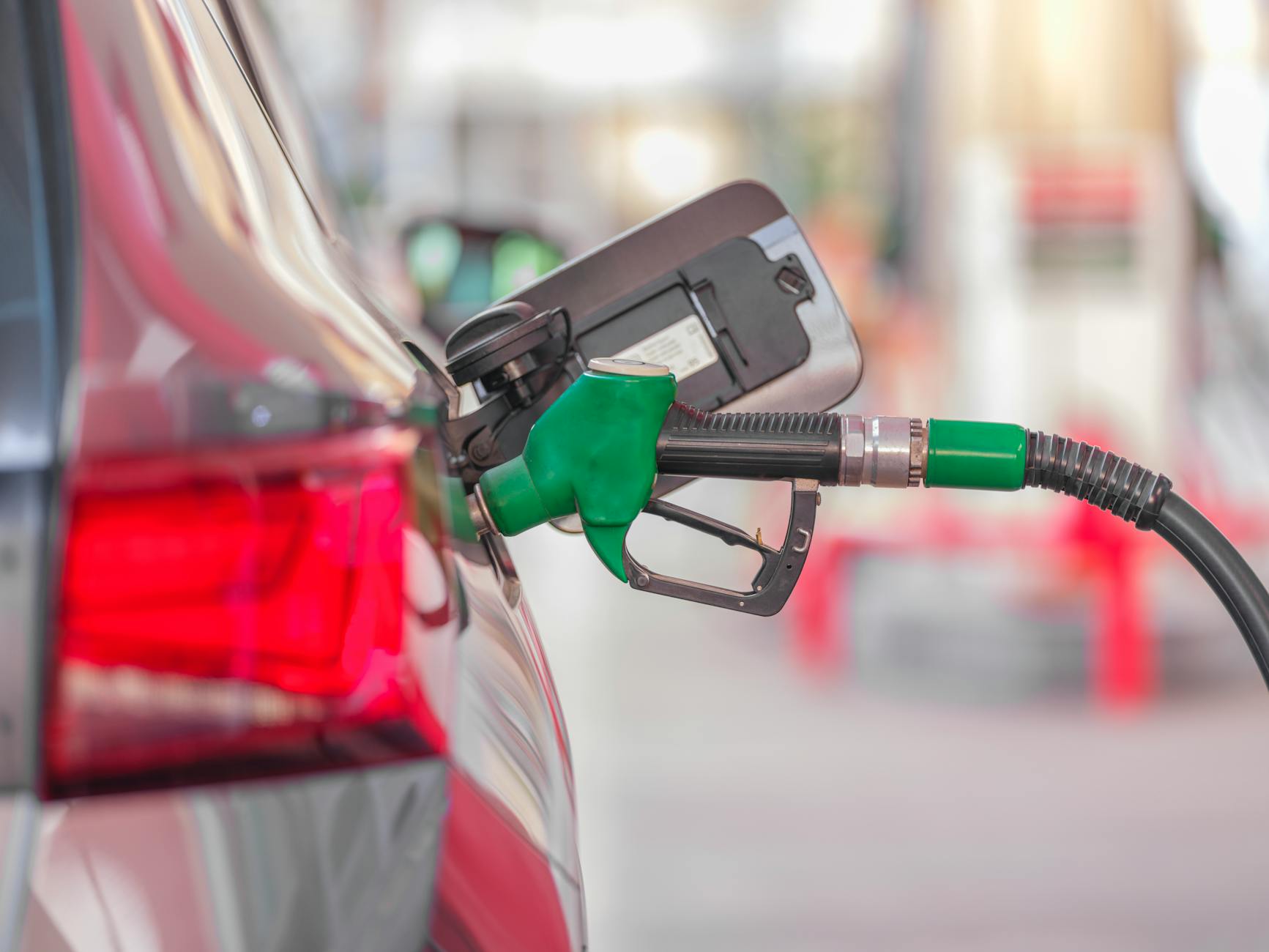
Fuel Your Freedom: How to Find the Cheapest Gas Stations Worldwide Before They Become Mainstream
The sun was just beginning to dip below the horizon, painting the vast Patagonian sky in hues of fiery orange and deep purple. My trusty old Land Rover, 'Rocinante,' was chugging along a dusty, unpaved road somewhere between El Chaltén and Perito Moreno Glacier in Argentina. The fuel gauge, however, was stubbornly flirting with 'E'. Panic, a cold, unwelcome guest, started to creep in. We were miles from any major town, cell service was a myth, and the last gas station sign felt like a lifetime ago.
Just as my co-pilot (and partner in crime), Leo, was about to suggest we start siphoning from our emergency water supply, we spotted it. Not a gleaming, branded station, but a humble, almost ramshackle setup outside a tiny general store. A lone, elderly man was hand-pumping fuel from a large drum into a rusty old dispenser. Skepticism warred with desperation. We pulled over.
Turns out, this wasn't just gas; it was liquid gold at a price so ridiculously low, it made the official stations look like luxury boutiques. It was local, unofficial, and utterly off-the-grid. We filled up, shared a mate with the proprietor, and drove away feeling like we'd just uncovered a secret treasure. That moment cemented a core philosophy for our travels: the best deals, the most authentic experiences, and often, the cheapest fuel, are rarely found on the main highway or in the shiny, well-advertised spots. They're found by looking deeper, asking around, and embracing the adventure of the unknown.
Welcome, fellow road warriors and budget explorers, to the ultimate guide to finding the cheapest gas stations worldwide – the ones before they hit the mainstream apps, the ones the locals know, the ones that truly fuel your freedom without emptying your wallet.
1. The Mindset of a Fuel Hunter: Beyond Just Filling Up
Finding cheap gas isn't just a chore; it's an art form, a treasure hunt, a strategic game. To truly excel, you need to cultivate a specific mindset:
- Curiosity Over Convenience: The easiest option is rarely the cheapest. Be curious. Why is that station a few blocks off the main road always busy? Why do all the local taxis fill up there?
- Patience is Your Co-Pilot: Sometimes, the best deals aren't immediately apparent. Don't panic and fill up at the first station you see if you suspect better options are just around the corner, or in the next town.
- Embrace Local Immersion: The best intelligence comes from the ground. Engage with locals. They are your ultimate, untapped resource.
- Think Like a Local, Not a Tourist: Tourists often stick to the well-worn paths and established brands. Locals know the shortcuts, the independent spots, the places that offer better value.
- The "Discovery" Thrill: Treat each cheap gas find as a small victory, a badge of honor. It makes the whole process enjoyable and rewarding.
This mindset shift is crucial. It transforms a mundane task into an exciting part of your travel adventure.
2. Digital Detectives: Leveraging Technology (Before Everyone Else Does)
While our Patagonian experience was analog, technology is an indispensable tool. However, the trick is to use it in ways that uncover pre-mainstream deals, not just the ones already listed on popular apps.
- Gas Price Comparison Apps (with a Twist): Apps like GasBuddy (North America), PetrolPrices.com (UK), or local equivalents in Europe (e.g., ADAC Spritpreise in Germany, Prix Carburants in France) are great starting points. But here's the trick:
- Look for New Listings/Low Ratings: Sometimes, a brand new, independent station might appear on these apps with very few ratings or reviews. These are often the ones trying to attract customers with aggressive pricing before they build a reputation.
- Cross-Reference with Google Maps Satellite View: If an app shows a surprisingly cheap station, zoom in on Google Maps satellite view. Does it look like a large, established brand, or a smaller, perhaps older, independent spot? The latter is often your target.
- Use them as a Baseline, Not the Absolute Truth: Apps are often updated by users. A truly "under-the-radar" deal might not even be listed yet, or its price might be outdated. Use them to understand the general price range, then hunt for outliers.
- Local Online Forums & Social Media: This is where the real insider knowledge lives.
- Reddit & Facebook Groups: Search for local subreddits (e.g., r/Travel[CountryName], r/RoadTrips, or even city-specific groups). People often post about the cheapest gas in their area. For example, I once found a tip in a "backpackers in Vietnam" Facebook group about a chain of small, family-run stations in the Mekong Delta that consistently undercut the major brands by a significant margin.
- Local Expat Forums: Expats often live in a place long enough to discover these hidden gems and are usually happy to share.
- Use Google Translate: Don't limit yourself to English-speaking forums. Use a translator to search local forums in the native language for terms like "cheapest gas," "fuel prices," "petrol discounts."
- Google Maps & Waze Beyond the Obvious:
- "Gas Stations Near Me" is too basic. Instead, search for "petrol station," "diesel," or even "service station" and then meticulously scan the map. Often, smaller, independent stations don't have prominent branding on the map but appear as generic fuel pump icons.
- Street View Safari: If you spot a potential candidate, "drive" down the street using Google Street View. You can often see the price boards and assess the station's size and branding (or lack thereof).
- "Local Guides" & Reviews: Pay attention to reviews from "Local Guides" on Google Maps. They often have deeper insights into local businesses, including gas stations. Look for comments that mention "good prices" or "local favorite."
- VPN for Geo-Specific Searches: In some countries, gas prices might be regulated or displayed differently based on your IP address. While less common for gas itself, a VPN can sometimes help you access local-only websites or forums that might have better information.
3. The Art of Local Immersion: Human Intelligence & Observation
This is where the true "pre-mainstream" magic happens. No app can replace human connection and keen observation.
- Talk to Locals – Your Unofficial Fuel Scouts:
- Taxi Drivers & Ride-Share Drivers: These are your absolute best resource. They spend all day driving and know exactly where to get the cheapest fuel. In Budapest, a Bolt driver once directed me to a tiny, unmarked station tucked behind a supermarket, saving me about 15% compared to the main road stations.
- Hostel Staff, Hotel Concierges, Airbnb Hosts: Ask them directly. "Where do you fill up your car?" is a powerful question.
- Shopkeepers & Cafe Owners: Strike up a conversation. Locals are often proud to share insider tips with friendly travelers.
- Truckers: If you see a truck stop, don't be shy. Truckers are always looking for the best fuel deals and often know about wholesale-type operations or independent stations.
- Observe Local Patterns:
- Where do the Locals Go? This is the golden rule. If you see a line of local cars (especially older, less flashy ones) at a particular station, investigate. They're not waiting for fun; they're waiting for a deal.
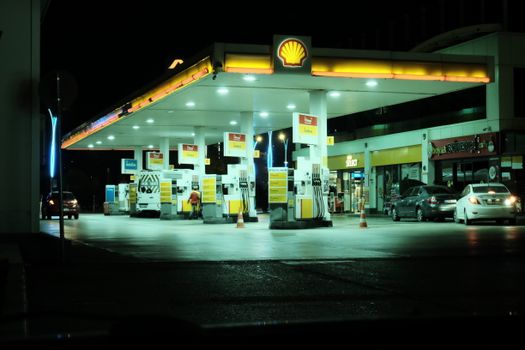
- Look for Independent Stations: Big, branded stations (Shell, BP, Total, etc.) often have higher overheads and less competitive pricing. Look for smaller, unbranded, or local brand stations. In many parts of Eastern Europe or Southeast Asia, these "mom-and-pop" stations are your best bet.
- Beyond the Official Pump: In some developing countries (like parts of Myanmar, Laos, or even rural Mexico), you'll find roadside vendors selling fuel in plastic bottles or jerry cans. Exercise extreme caution here. While often cheaper, quality can be dubious and could damage your engine. However, some areas have established small-scale, legitimate independent pumps that aren't part of any major network. Use your judgment and ask locals about their reputation.
- Price Boards & Signage: Keep your eyes peeled for large, clearly displayed price boards. Sometimes, the cheapest gas is simply the one that's advertising its low price most aggressively. Compare prices as you drive through a town or city.
- Walk Before You Drive (If Possible): If you're staying in a town for a day or two, take a walk or bike ride around. You might stumble upon a small, independent station that isn't visible from the main road or listed on any app. This happened to us in a small town in rural Spain, where a tiny co-op offered diesel at a significantly lower price than the highway stations.
4. Timing, Tactics & The Tank Strategy
Smart fueling isn't just about where; it's also about when and how.
- Best Days & Times to Buy:
- Weekdays vs. Weekends: In many countries, gas prices tend to creep up towards the weekend and drop slightly on weekdays, particularly on Mondays or Tuesdays, after the weekend rush. Plan your fills accordingly.
- Morning vs. Evening: Some anecdotal evidence suggests prices might be slightly lower in the morning before demand picks up, or late at night. However, this varies widely. The key is consistency – if you notice a pattern in a specific region, exploit it.
- Border Crossing Bonanza: This is one of the most powerful fuel-saving hacks, especially in Europe.
- Research Before You Cross: Before crossing an international border, research gas prices in both countries. Sites like GlobalPetrolPrices.com can give you a rough idea, but local forums are better for real-time data.
- Fill Up in the Cheaper Country: My rule of thumb: If you're crossing from Poland (cheaper) into Germany (more expensive), fill up completely in Poland. If going from Germany to Austria (often cheaper), fill up just enough to get to Austria, then top off there. This strategy has saved us hundreds of euros on multi-country European road trips. The same applies to US states (e.g., fueling in South Carolina before entering North Carolina, or Texas before New Mexico).
- The "Half-Tank" Rule: Don't wait until your tank is nearly empty, but also don't fill it to the brim if you know there's a cheaper option just ahead.
- Minimum Viable Fuel: Always have enough fuel to comfortably reach the next potential cheap gas spot, plus a buffer. This gives you flexibility and prevents desperate overpaying.
- Top-Off Strategically: If you find a fantastic deal, fill up! But if you're just passing through and know another opportunity awaits, a half-tank might be sufficient.
- Loyalty Programs & Discount Cards (Even Short-Term):
- Supermarket Gas Stations: In many countries (especially Europe and Australia), supermarkets often have their own gas stations (e.g., Tesco, Carrefour, E.Leclerc, Woolworths). These are frequently the cheapest options, as they use fuel as a loss leader to get you into their stores. Look for these!
- Local Loyalty Cards: Some independent stations might offer their own loyalty cards. If you're staying in an area for a while, it might be worth getting one, even if it's just for a few percentage points off.
- Rental Car Company Partners: Check if your rental car company has any partnerships that offer fuel discounts.
- Payment Methods – Debit vs. Credit vs. Cash:
- Avoid Foreign Transaction Fees: Use a credit card with no foreign transaction fees. These fees can quickly eat into your savings.
- Exchange Rates: Pay in local currency. If offered to pay in your home currency, decline – the station's exchange rate will almost always be worse.
- Cash Discounts: In some places (especially smaller, independent stations or developing countries), cash might get you a slight discount. Always ask!
5. Specific Geographies & Case Studies: Real-World Fuel Hunting
Let's put these theories into practice with some real-world examples from our travels:
- Eastern Europe vs. Western Europe: Our drive from Berlin, Germany, through Poland, Slovakia, Hungary, and then into Croatia was a masterclass in border-crossing fuel strategy. Poland consistently offered the cheapest fuel. We'd top off completely before crossing into Slovakia, where prices were slightly higher, then again before Hungary. The difference per liter could be as much as €0.20-€0.30, which adds up to significant savings over multiple fills. We learned to look for independent Polish brands like ORLEN or even smaller, unbranded stations just a few kilometers over the German border.
- Mexico's Pemex & Beyond: For years, Mexico's gas stations were almost exclusively Pemex, the state-owned company. Prices were uniform. But with deregulation, independent stations are popping up, and competition is increasing. We found that in smaller towns, particularly those a bit off the main tourist routes in regions like Oaxaca or Chiapas, local stations (often still branded Pemex but independently operated) would sometimes offer slightly lower prices or accept cash for a small discount. The key here was asking locals – a street vendor in San Cristobal de las Casas pointed us to a particular station that was known for "good service and honest prices," which often translated to better value.
- Southeast Asia's Roadside Vendors: In places like Vietnam or Cambodia, particularly in rural areas, official gas stations can be sparse. Here, the "pre-mainstream" solution often involves small shops or even homes selling fuel from glass bottles or jerry cans. We encountered this frequently in the Mekong Delta. While we were initially hesitant, a local motorbike mechanic assured us which vendors were trustworthy. We'd look for those with a consistent stream of local motorbike traffic, a sign of reliability. Prices were often significantly lower than the few official stations, though quality was always a slight gamble. This is where a small, trusted local contact is invaluable.
- The USA's Interstate vs. Town Strategy: Even in a country with abundant gas stations, the "pre-mainstream" approach works. Interstates often have higher prices due to convenience. Pull off into a nearby town, even a small one, and you'll almost always find cheaper gas. We saved consistently on our cross-country US road trip by never filling up directly on the interstate, instead taking a 5-10 minute detour into the nearest town. GasBuddy was useful here, but often the cheapest stations were the independent ones a few blocks away from the main drag that weren't as prominently featured.
6. Beyond the Pump: Maximizing Fuel Efficiency
Finding cheap gas is only half the battle. Making that gas last longer is the other. These tips are mainstream, but crucial for maximizing your savings:
- Maintain Your Vehicle:
- Tire Pressure: Properly inflated tires can improve fuel efficiency by up to 3%. Check them regularly!
- Air Filter: A clean air filter ensures your engine breathes easily, improving performance and fuel economy.
- Regular Servicing: A well-maintained engine runs more efficiently.
- Drive Smart:
- Smooth Acceleration & Braking: Aggressive driving wastes fuel. Accelerate gently and anticipate stops to avoid harsh braking.
- Maintain a Steady Speed: Use cruise control on highways. Driving at 60 mph is generally more fuel-efficient than 75 mph.
- Avoid Excessive Idling: If you're going to be stopped for more than 30 seconds, turn off your engine.
- Lighten Your Load: Remove unnecessary weight from your vehicle (e.g., roof racks when not in use, heavy items you don't need). Every extra pound reduces fuel efficiency.
- Plan Your Routes: Efficient route planning minimizes unnecessary mileage, traffic jams, and steep hills, all of which consume more fuel.
Conclusion: Fuel Your Freedom, One Smart Fill-Up at a Time
The thrill of the open road, the freedom to explore, the joy of discovering hidden gems – these are the reasons we travel. Don't let the cost of fuel dampen your spirit or limit your adventures. By adopting the mindset of a fuel hunter, leveraging technology wisely, engaging with locals, and employing smart fueling tactics, you can unlock incredible savings that allow you to travel further, stay longer, and experience more.
Remember that moment in Patagonia? It wasn't just about saving money; it was about the connection, the discovery, the feeling of truly being in the place, beyond the tourist facade. That's the real reward of finding gas stations before they become mainstream.
So, next time you're planning a road trip, don't just search for "gas stations near me." Be a digital detective, a local observer, a strategic planner. Ask around, look around, and embrace the adventure. Your wallet (and your spirit of discovery) will thank you.
What's your best cheap gas find story? Share your tips and triumphs in the comments below! Let's build a global community of savvy fuel hunters! Don't forget to tag #TripsoraFuelHacks and #CheapestGasEver on your next amazing find!
---