Michelin for Under $30: Your Ultimate Guide to Eating Like Royalty (Without the Royal Bill)
The year was 2017. I was backpacking through Southeast Asia, living on a shoestring budget, and dreaming of culinary adventures far beyond my ramen-and-street-pad-thai reality. One scorching afternoon in Singapore, scrolling through my phone, I stumbled upon an article that would change my travel food game forever: "The World's Cheapest Michelin-Starred Meal." My jaw dropped. Hawker Chan, a humble hawker stall, had just been awarded a Michelin star for its Soya Sauce Chicken Rice & Noodle, and the price? A mind-boggling S$2.50 – less than $2 US dollars!
My heart pounded. Could it be true? Could I, a budget traveler, actually experience Michelin-recognized food without selling a kidney? Skepticism warred with an insatiable curiosity. I navigated the labyrinthine streets to the bustling Chinatown Complex Food Centre, stood in a ridiculously long queue under the humid Singaporean sun, and finally, there it was: a plate of glistening chicken, perfectly seasoned rice, and a rich, savory sauce. That first bite was pure magic. Tender, succulent chicken, perfectly cooked rice, and that incredible, umami-rich sauce. It was simple, profound, and utterly delicious. And it cost me less than my morning coffee.
That moment wasn't just a meal; it was an epiphany. It shattered my preconceived notions of what Michelin dining meant. It taught me that world-class cuisine isn't exclusively found in white-tablecloth establishments with intimidating sommeliers and astronomical prices. It can be found in a bustling food court, a cozy bistro, or a bustling market stall.
Since then, "Michelin on a Budget" has become my personal travel mantra. I’ve scoured guides, interrogated locals, and stumbled upon countless hidden gems, all while keeping my wallet happily intact. And today, I'm sharing all my secrets with you. Get ready to unlock the culinary adventure of a lifetime, because eating at Michelin-recognized restaurants for under $30 isn't a pipe dream – it's a delicious reality you need to experience before you die.
1. The Michelin Star Myth Buster: It's Not Just About Three Stars
Let's get one thing straight: when most people think "Michelin," they conjure images of three-star temples of gastronomy – places where the tasting menu costs more than your flight and the bread service is an art installation. While these places are incredible experiences, they are not the only, or even the most common, way Michelin recognizes culinary excellence.
The Michelin Guide is far more diverse and inclusive than you might imagine. Beyond the coveted stars (one, two, or three, denoting "worth a stop," "worth a detour," and "worth a special journey," respectively), there are two other crucial distinctions that are your golden tickets to affordable gourmet:
- Bib Gourmand: This is your absolute best friend. Introduced in 1997, the Bib Gourmand designation highlights restaurants that offer "exceptionally good food at moderate prices." The exact price ceiling varies by country, but it generally means you can enjoy a full two-course meal (or three, depending on the region) with wine or dessert for a reasonable price. In many cities, this falls comfortably under our $30 target. Think of it as Michelin's nod to delicious, accessible everyday dining.
- The Michelin Plate (L'Assiette Michelin): This symbol simply means "good cooking," recognizing restaurants that serve quality food. While it doesn't carry the same prestige as a star or Bib Gourmand, it's still a strong indicator of a reliable, enjoyable meal, and often, these places are also very reasonably priced.
My Takeaway:
Don't get fixated on stars alone. The Bib Gourmand category is where the magic happens for budget travelers. It’s where you’ll find incredible food, often with a local flair, without the sticker shock. Think charming trattorias in Italy, bustling bistros in France, or innovative tapas bars in Spain – all delivering Michelin-level quality at prices that make your wallet sing.
2. Decoding the Michelin Guides: Your Secret Weapon to Finding Value
The official Michelin Guide website and app are not just pretty interfaces; they are powerful search engines designed to help you find exactly what you're looking for. This is where you become a culinary detective.
- Filter, Filter, Filter!
- By Designation: Start by filtering for "Bib Gourmand." This immediately narrows down your search to restaurants known for value. You can also add "Michelin Plate" for more options.
- By Price: Most Michelin platforms allow you to filter by price range. Look for options that indicate meals under a certain threshold (e.g., under €30, under $25).
- By Cuisine: Have a craving? Filter by specific cuisines. You might be surprised to find a Michelin-recognized noodle shop or taco joint!
- By Location: Crucially, use the map function. Zoom in on the neighborhoods you plan to visit. Often, the most affordable gems are tucked away on side streets or in less touristy areas.
- Read the Reviews (Briefly): The Michelin Guide's own descriptions are concise but incredibly helpful. They often highlight signature dishes, the restaurant's ambiance, and what makes it special. Pay attention to keywords like "local favorite," "bustling atmosphere," or "excellent value."
- Beyond the App: Local Blogs & Forums: Once you've identified a few potential spots, do a quick cross-reference. Search for "[Restaurant Name] review blog" or "[City] cheap Michelin food forum." Local food bloggers and Reddit threads often provide invaluable insights into menu specifics, portion sizes, and real-world prices that might not be immediately obvious on the official site. This is how I discovered a tiny, family-run Bib Gourmand in Lisbon that served the most incredible traditional Portuguese stew for about €15.
Hot Tip:
Keep an eye out for cities renowned for their affordable Michelin scene. Places like Singapore, Hong Kong, Bangkok, Taipei, and even major European cities like Lyon, Madrid, and Lisbon, have a much higher concentration of Bib Gourmand and street food stars than, say, Paris or New York, where the average price point tends to be higher.
3. Strategic Dining: Lunch, Set Menus & A La Carte Secrets
This is where you become a strategic diner, maximizing your Michelin experience without overspending. The key is understanding how restaurants structure their offerings.
- The Lunchtime Advantage: This is perhaps the single most effective hack. Many high-end restaurants, including those with stars, offer significantly cheaper lunch menus than their dinner counterparts. Often, the lunch menu features similar dishes, prepared with the same care and ingredients, but at a fraction of the price. A three-course lunch menu at a one-star restaurant might be €30-€40, while dinner could easily be €80-€100+. For Bib Gourmand places, lunch can often bring you well under the $30 mark.
- Personal Anecdote: In San Sebastián, Spain, I once enjoyed a two-course lunch with wine at a Bib Gourmand Basque restaurant for €22. The dinner menu started at €45. Same chef, same kitchen, same incredible flavors, just a different time of day.
- Set Menus vs. A La Carte:
- Set Menus (Menu del Día, Prix Fixe): These are often your best bet for value. They typically include an appetizer, main course, and sometimes dessert or coffee, often for a fixed price. When available, prioritize these, especially at lunchtime.
- A La Carte: If a set menu isn't available or doesn't appeal, go à la carte but be smart. Focus on one main dish that truly excites you. Skip the appetizers and desserts if they push you over budget. A single, perfectly executed Bib Gourmand main course can be an incredibly satisfying experience for well under $30.
- Drink Smart: Alcoholic beverages, especially wine, can quickly inflate your bill.
- Water is Your Friend: Don't be shy about asking for tap water.
- Single Glass of Wine: If you want to experience a pairing, opt for a single glass of house wine rather than a full bottle or a wine pairing menu.
- Local Beers/Ciders: In many regions, local beers or ciders offer excellent value and pair wonderfully with the local cuisine.
Pro Tip:
Always check the restaurant's website for their current menus and prices before you go. Some places only post sample menus, but many will have their full lunch and dinner offerings with prices, allowing you to plan your budget precisely.
4. Street Food Stars & Hidden Gems: The Ultimate Budget Hack
This is where the "under $30" challenge becomes not just achievable, but ridiculously easy, and often the most authentic and exciting. The Michelin Guide has increasingly recognized the incredible quality found in street food and casual eateries, particularly in Asia.
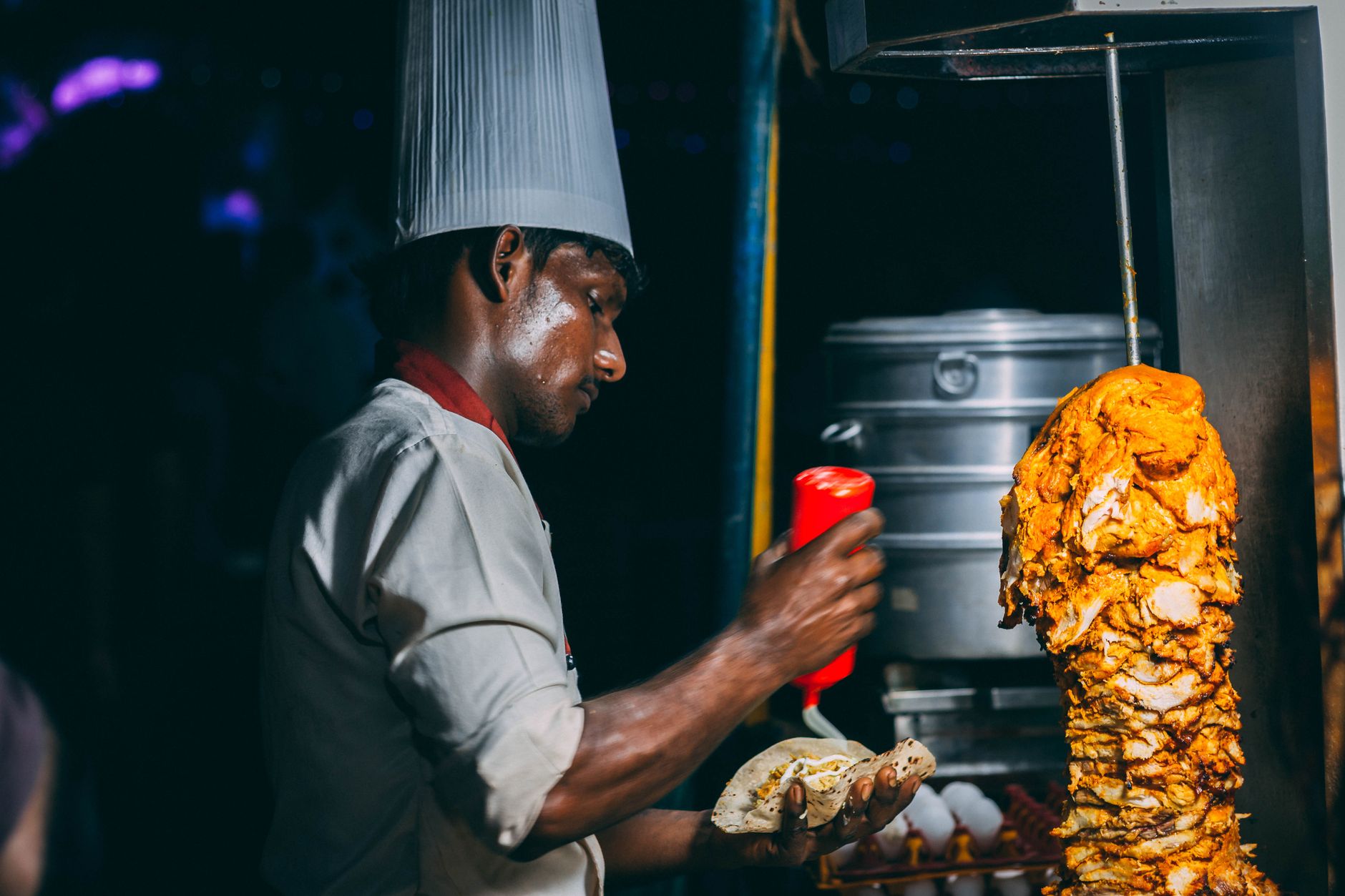
- Singapore: The Hawker Centre Haven: This city is a goldmine. As I mentioned with Hawker Chan, Singapore boasts numerous Michelin-starred and Bib Gourmand hawker stalls. You can literally eat multiple Michelin-recognized meals in a day for less than $10 total.
- Examples:
- Hawker Chan (Liao Fan Hong Kong Soya Sauce Chicken Rice & Noodle): Soya Sauce Chicken Rice for S$2.50-$5.00 (approx. $1.80-$3.70 USD).
- Hill Street Tai Hwa Pork Noodle: Bak Chor Mee (minced pork noodles) for S$6-$10 (approx. $4.50-$7.50 USD). A one-star experience!
- Tiong Bahru Hainanese Boneless Chicken Rice: Bib Gourmand, delicious chicken rice for S$3-$5 (approx. $2.20-$3.70 USD).
- Experience: The vibrancy, the smells, the communal tables – it's an immersive cultural and culinary experience.
- Hong Kong: Dim Sum & Roast Meats: Another city where Michelin stars grace incredibly affordable establishments.
- Examples:
- Tim Ho Wan (Sham Shui Po or other locations): Known as "the world's cheapest Michelin-starred restaurant" before Hawker Chan, famous for its baked BBQ pork buns. Expect to pay HK$50-HK$100 (approx. $6.50-$13 USD) for a full dim sum feast.
- Kam's Roast Goose: One Michelin star for its succulent roast goose. A plate of roast goose with rice can be around HK$60-HK$80 (approx. $7.70-$10.30 USD).
- Bangkok: Street Food Paradise: While Michelin has been slower to award stars to traditional street food stalls here, many Bib Gourmand and Michelin Plate recognitions are for incredibly affordable, open-air eateries.
- Example: Jay Fai (Raan Jay Fai): While more expensive than typical street food (a famous crab omelette can be 1000 baht, ~$30 USD, pushing our limit for one dish), it's a one-star street food experience. However, many other dishes are more affordable. More importantly, countless Bib Gourmand noodle shops and local restaurants offer incredible value. Look for places like Ba Hao (Bib Gourmand) for innovative Chinese dishes or Go-Ang Kaomunkai Pratunam (Michelin Plate) for Hainanese chicken rice, both easily under $10.
- Taipei: Night Markets & Beef Noodles: Taiwan's capital is another incredible destination for cheap Michelin eats.
- Example: Fuhang Doujiang (Bib Gourmand): Famous for traditional Taiwanese breakfast. You can get a hearty meal of thick flatbread, fried dough sticks, and soy milk for under $5.
- Liu Shan Dong Beef Noodles (Bib Gourmand): A bowl of their renowned beef noodles for around NT$150-NT$200 (approx. $5-$7 USD).
- Beyond Asia: Don't forget that even in Europe and the Americas, Bib Gourmand restaurants often include casual, high-quality eateries like pizza joints, burger spots, or small tapas bars that can easily fit your budget.
My Experience:
The sheer joy of eating Michelin-recognized food from a plastic stool on a bustling street, surrounded by locals, is an experience unlike any other. It’s authentic, vibrant, and incredibly delicious. It's not just about the food; it's about the atmosphere and the cultural immersion.
5. Beyond the Plate: Maximizing Your Experience (Without Breaking the Bank)
Eating at a Michelin-recognized spot isn't just about the food; it's about the entire experience. Here’s how to make the most of it, even on a budget:
- Go Early or Late: To avoid peak crowds and potentially get a better table at popular Bib Gourmand spots (especially those that don't take reservations), aim for slightly off-peak times. Lunch service right when it opens, or a late dinner after the initial rush, can make for a more relaxed experience.
- Dress Code (Relaxed Edition): For Bib Gourmand and street food spots, there's usually no formal dress code. Smart casual is almost always sufficient. For a one-star restaurant's lunch menu, a nice shirt/blouse and clean trousers/skirt are usually fine. You're not going to the Met Gala; you're going for a delicious meal.
- Focus on the Signature Dish: If you're really trying to stay under $30, don't feel pressured to order multiple courses. Research the restaurant's most famous or highly recommended dish and make that your focus. One perfectly executed dish can be more memorable than three mediocre ones.
- Embrace the Ambiance: While you might not be in a plush, hushed dining room, appreciate the unique atmosphere of your chosen eatery. Whether it's the lively chatter of a Parisian bistro, the sizzling woks of a Singaporean hawker stall, or the rustic charm of a Tuscan trattoria, soak it all in. This is part of the experience.
- Share (If Appropriate): At some casual Bib Gourmand places (especially those with larger portions or tapas-style offerings), sharing a few dishes can be a great way to sample more of the menu and keep costs down. Always check if this is acceptable or common practice.
6. My Top 3 "Under $30" Michelin Moments You Need to Try
To give you a real taste of what's possible, here are three unforgettable Michelin-recognized meals I’ve had, all comfortably under our $30 target:
- Singapore – Hill Street Tai Hwa Pork Noodle (One Michelin Star):
- The Meal: Bak Chor Mee (minced pork noodles) with vinegar, perfectly cooked al dente noodles, tender pork slices, minced pork, pork balls, and a crispy sole fish. The broth on the side was rich and comforting.
- The Cost: S$8 (approx. $6 USD).
- The Vibe: A bustling hawker stall in a clean, modern food court. The line was long but moved efficiently. The chef, an older gentleman, meticulously prepared each bowl. Eating it on a communal table, surrounded by locals, felt incredibly authentic. The complexity of flavors in such a simple dish was astounding. It had heat, tang, umami, and texture – a symphony in a bowl.
- Lisbon, Portugal – Solar dos Presuntos (Bib Gourmand):
- The Meal: A generous portion of "Arroz de Tamboril com Gambas" (Monkfish and Prawn Rice Stew). A rich, flavorful tomato-based rice stew with succulent pieces of monkfish and plump prawns, served piping hot in a traditional clay pot. I also had a glass of crisp local white wine.
- The Cost: €18 for the stew, €3.50 for the wine (approx. $23 USD total).
- The Vibe: A lively, traditional Portuguese restaurant, popular with locals and known for its seafood. The service was warm and efficient, the atmosphere buzzy. It felt like a true local institution, serving heartwarming, delicious food that transported me straight to the heart of Portuguese cuisine. The portion was so large I could barely finish it!
- Kyoto, Japan – Menbakaichidai (Michelin Plate):
- The Meal: Their famous "Fire Ramen." A bowl of ramen where boiling hot oil is poured over the green onions, creating a spectacular burst of flames right in front of you. The ramen itself was a rich, savory broth with perfectly chewy noodles, tender chashu pork, and a smoky aroma.
- The Cost: ¥1,350 (approx. $9 USD).
- The Vibe: A small, intimate ramen shop where the experience is as much a part of the meal as the food. The staff was incredibly friendly, guiding everyone through the fire show (with safety instructions!). It was thrilling, delicious, and utterly unique – truly an Instagram-worthy moment!
The World is Your Oyster (and It's Under $30!)
Eating at Michelin-recognized restaurants for under $30 isn't just a possibility; it's a vibrant, delicious, and deeply rewarding way to explore a destination's culinary heart. It challenges the notion that gourmet dining must be exclusive and expensive, proving that exceptional quality and unforgettable flavors are accessible to everyone.
So, next time you're planning a trip, don't just look for the cheapest flight – look for the cheapest Michelin meal! Dive into the guides, ask locals, embrace the street food scene, and always, always keep an eye out for those glorious Bib Gourmand symbols.
Your palate (and your wallet) will thank you.
Now, it's your turn! Have you discovered an incredible Michelin-recognized gem for under $30? Share your stories and recommendations in the comments below! And don't forget to bookmark this guide for your next delicious adventure.
---