The Call of the Wild: How to Explore Trending Fragile Ecosystems as a Truly Responsible Tourist
I remember standing on a black sand beach in Iceland, the raw power of the Atlantic crashing before me, the towering basalt columns rising like ancient sentinels. It was breathtaking, a landscape so utterly alien and beautiful it felt like another planet. But then, I saw it: a plastic water bottle, half-buried in the volcanic sand, a stark, jarring contrast to the pristine wilderness around it.
That moment, years ago, was a wake-up call. I’d always considered myself an adventurous, respectful traveler. But seeing that single piece of litter made me realize that even the most well-intentioned visitors can, inadvertently, leave a mark. And in today's world, where social media makes every hidden gem a trending hotspot, our collective impact on the planet's most fragile ecosystems is more profound than ever.
From the vibrant coral reefs of the Maldives to the ancient rainforests of Costa Rica, the majestic peaks of Patagonia, and the ethereal glaciers of Greenland, these are the places captivating our imaginations. They’re trending, they’re beautiful, and they’re incredibly vulnerable. So, how do we answer the call of the wild without contributing to its demise? How do we become responsible tourists, not just visitors, but guardians of these precious places?
Welcome to your comprehensive guide. Let’s dive in.
1. Understanding the Delicate Balance: Why Fragile Ecosystems Need You
Before we pack our bags, let’s get real about what we’re visiting. Fragile ecosystems are natural environments where the delicate balance of life is easily disrupted. This could be due to unique biodiversity, extreme climates, slow regeneration rates, or specific geological formations. Think:
- Coral Reefs: Like the Great Barrier Reef or those in Raja Ampat. Home to a quarter of all marine life, incredibly sensitive to temperature changes, pollution, and physical damage.
- Rainforests: The Amazon, Borneo, Costa Rica's cloud forests. Biodiversity hotspots, crucial for global climate regulation, threatened by deforestation, mining, and human encroachment.
- Polar Regions: Antarctica, Arctic. Unique wildlife adapted to extreme cold, highly vulnerable to climate change and human disturbance.
- High-Altitude Mountains: Himalayas, Andes, Patagonia. Home to unique flora and fauna, slow-growing plants, and sensitive to erosion from increased foot traffic.
- Deserts & Oases: Sahara, Atacama. Scarce water resources, specialized life forms, easily damaged by off-roading and waste.
Why are they trending?
Social media, travel shows, and the human desire for unique, "unspoiled" experiences. The paradox is that the very act of visiting these places, especially in large numbers, contributes to their fragility. My trip to the Galapagos, a truly unique archipelago, highlighted this perfectly. Every single step was carefully managed, every interaction with wildlife strictly controlled – a testament to how seriously they take conservation because they understand their global significance.
Your role:
To minimize your footprint, support local conservation, and inspire others to do the same.
2. Pre-Trip Preparation: Research, Respect, and Pack Smart
Responsible tourism starts long before you even leave your home. It’s about being informed, intentional, and prepared.
A. Choose Your Operators Wisely: The Eco-Conscious Quest
This is paramount. Not all tour companies are created equal. Look for operators who:
- Are Certified: Seek out certifications like Green Globe, Ecotourism Australia, or local equivalents that signify genuine commitment to environmental protection and community benefit.
- Employ Local Guides: This ensures money stays in the local economy and leverages invaluable indigenous knowledge. My guide in the Peruvian Amazon, a man whose family had lived there for generations, taught me more about the rainforest in three days than I'd learned in a lifetime. His passion was palpable.
- Have Small Group Sizes: Larger groups often mean larger impacts. Smaller groups allow for more intimate, less disruptive experiences.
- Practice Leave No Trace Principles: Ask about their waste management, water conservation, and wildlife interaction policies.
- Support Conservation: Do they contribute to local conservation projects or wildlife sanctuaries?
Tripsora Tip:
Don't be afraid to ask direct questions about their sustainability practices before booking. If they can't answer, that's a red flag.
B. Pack with Purpose: Eco-Friendly Essentials
Your luggage can be a statement of your values.
- Reusable Water Bottle & Filter: Plastic waste is a huge problem. Invest in a good quality reusable bottle and, if safe drinking water is an issue, a water filter or purification tablets. I swear by my Lifestraw bottle – it's saved me countless plastic bottles in places like Vietnam and Nepal.
- Reef-Safe Sunscreen: If you're heading to the coast or anywhere near water, this is non-negotiable. Chemical sunscreens (oxybenzone, octinoxate) bleach coral reefs. Look for mineral-based sunscreens with zinc oxide and titanium dioxide.
- Biodegradable Toiletries: Shampoo bars, solid soaps, and eco-friendly insect repellent minimize chemical runoff into sensitive environments.
- Reusable Bags: For shopping and carrying out any rubbish you might generate.
- Appropriate Clothing: Light, quick-drying fabrics. Layers are key for varying temperatures. Avoid bright, reflective clothing that might disturb wildlife.
- Binoculars & Camera with Zoom Lens: Observe wildlife from a respectful distance without needing to get too close.
C. Research Local Customs & Ecosystem Specifics
Every destination has its unique nuances. Learn about:
- Cultural Etiquette: Dress codes, greetings, photography rules, respectful interactions with locals.
- Local Regulations: Are there specific rules for waste disposal, trail usage, or wildlife viewing? In many national parks, even picking up a single stone can be prohibited.
- Ecosystem Vulnerabilities: Understand what makes this specific place fragile. Is it soil erosion? Water scarcity? Disturbance to nesting birds? Knowing helps you act accordingly.
3. On-Location Etiquette: Leave No Trace and Beyond
You've arrived! Now it's time to put your responsible intentions into action. The "Leave No Trace" principles are your guiding stars, but let's expand on them.
A. Stick to the Path: Preserve the Land
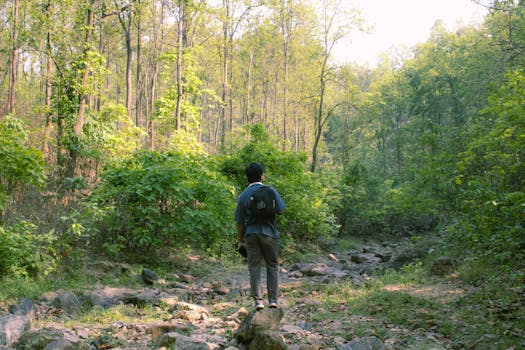
- Stay on Marked Trails: This is crucial. Going off-trail can compact soil, damage fragile vegetation, and disturb wildlife habitats. In places like the Peruvian Andes, even a few misplaced steps can contribute to significant erosion over time.
- Walk on Durable Surfaces: Where trails aren't marked (rare in fragile ecosystems), walk on rock, gravel, or dry grasses. Avoid cryptobiotic soil crusts (often found in deserts) – they look like dark, lumpy soil but are vital, slow-growing organisms.
- Respect Fences and Barriers: They're there for a reason – to protect you and the environment.
B. Waste Not, Want Not: Pack It In, Pack It Out
- Minimize Waste: Aim for zero waste. Don't bring unnecessary packaging.
- Properly Dispose of Waste: Carry a small bag for your trash (even fruit peels can take years to decompose and attract wildlife). If there are no bins, pack it out with you until you find an appropriate disposal facility. This includes tissues, sanitary products, and even food scraps.
- Human Waste: In remote areas, learn how to properly bury human waste away from water sources, trails, and campsites. Your tour operator should brief you on this.
C. Observe Wildlife from a Distance: Their Home, Not Yours
- Never Touch, Feed, or Chase Wildlife: This is arguably the most critical rule. Feeding animals disrupts their natural diet and can make them dependent on humans, leading to aggression or disease. Touching can transfer pathogens or stress them. Chasing is harassment.
- Use Binoculars/Zoom Lens: Get those amazing shots without invading their space.
- Keep Quiet: Loud noises can scare animals and disrupt their natural behaviors.
- Respect Nesting/Breeding Areas: Be extra cautious and give these areas a wide berth. I once saw a tourist try to get a selfie with a sea turtle laying eggs in Costa Rica. It was heartbreaking to witness the animal's distress. Responsible guides will enforce strict rules around these encounters.
D. Minimize Campfire Impacts & Water Use
- Campfire Alternatives: In many fragile areas, campfires are prohibited or highly discouraged due to fire risk and fuel collection impact. Use a stove for cooking.
- Water Conservation: Water is a precious resource globally, especially in dry regions or small islands. Take shorter showers, turn off taps, and report leaks.
4. Supporting Local Communities & Economies: Beyond the Souvenir
Your money has power. Directing it responsibly can empower local communities and create a vested interest in conservation.
A. Buy Local, Ethically Sourced:
- Support Local Artisans & Businesses: Skip the mass-produced tourist trinkets. Look for authentic, handmade crafts. This directly supports families and preserves cultural heritage. Ask about the materials – are they sustainable? Is it fair trade?
- Eat Local Cuisine: Dine at family-run restaurants and street food stalls (if safe). This introduces you to the culture and keeps money flowing within the community. My most memorable meals are always from tiny, local eateries, not international chains.
B. Hire Local Guides & Services:
- Empower Locals: Local guides provide invaluable insights, often speak multiple languages, and ensure your experience is authentic. They are also often the first line of defense for conservation efforts.
- Fair Wages: Be aware of fair wage practices. Don't haggle aggressively with people providing services if it means they earn less than a living wage.
C. Think Beyond Voluntourism:
- True Impact: While voluntourism can be well-intentioned, some programs can do more harm than good (e.g., orphanages that separate families, unqualified volunteers building structures).
- Research Thoroughly: If you want to volunteer, ensure it's with a reputable organization that genuinely benefits the community and environment, and that your skills are actually needed. Often, donating to a trusted local charity is more effective.
Tripsora Insight:
On a recent trip to a remote village in Southeast Asia, I learned that simply buying a few handmade scarves from a woman's stall directly funded her children's schooling for the month. These small acts have massive ripple effects.
5. Digital Responsibility: Share Wisely, Inspire Positively
The "Instagram effect" is real. While sharing your incredible experiences can inspire others, it also carries a significant responsibility.
A. Geo-Tagging Caution:
- Avoid Over-Tourism: Think twice before geo-tagging extremely fragile or secluded locations. A beautiful, untouched spot can become overrun and damaged within weeks if it goes viral. Consider tagging a broader region or waiting until you've left the area.
- Protect Wildlife: Never geo-tag exact locations of sensitive wildlife habitats or nesting sites.
B. Promote Responsible Practices:
- Be an Educator: Use your platform to share how you traveled responsibly. Show your reusable water bottle, your reef-safe sunscreen, your respectful distance from wildlife.
- Highlight Conservation Efforts: Tag and promote the local organizations or tour operators who are doing good work.
- Authenticity Over Staged Shots: Avoid photos that encourage irresponsible behavior (e.g., standing on fragile rock formations, touching wildlife, littering for a "dramatic" shot).
C. Research Before You Click:
- Animal Tourism: Be critical of animal attractions. Is it truly ethical? Are the animals exploited for entertainment (e.g., elephant riding, tiger petting)? Research before you contribute.
My own social media habits have evolved significantly. I now prioritize stories about the people I meet and the lessons I learn about conservation, rather than just the "perfect" picture. I consciously avoid showing anything that could encourage others to act irresponsibly or reveal a sensitive location.
6. Post-Trip Reflection & Continued Advocacy: The Journey Continues
Your responsible tourism journey doesn't end when you unpack your bags.
A. Share Your Experience Responsibly:
- Inspire Others: Talk to friends and family about your responsible choices and the impact it made.
- Write Reviews: Leave positive reviews for eco-conscious operators and call out those who aren't.
B. Support Conservation from Home:
- Donate: Support reputable conservation organizations working in the regions you visited.
- Learn More: Continue educating yourself about environmental issues and sustainable living.
C. Integrate Sustainable Practices into Daily Life:
- Reduce, Reuse, Recycle: Extend your travel habits to your everyday life.
- Conscious Consumption: Think about the environmental and social impact of the products you buy.
- Advocate: Speak up for environmental protection in your local community and beyond.
Your Adventure, Our Planet: A Call to Action
The world's fragile ecosystems are calling to us, offering unparalleled beauty and experiences that can change our perspectives forever. But they are not indestructible. They are delicate, precious, and dependent on our mindfulness.
By choosing to be a responsible tourist, you're not just taking a trip; you're becoming an ambassador for the planet. You're ensuring that the vibrant coral reefs continue to teem with life, the ancient rainforests continue to breathe, and the majestic wildlife continues to thrive.
So, go forth and explore! Seek out those trending, breathtaking destinations. But do it with intention, with respect, and with a deep understanding that your adventure can, and should, contribute to their preservation. Let your journey be a testament to the power of responsible travel.
Ready to plan your next eco-conscious adventure? Share your top tips for responsible tourism in the comments below, or tell us about a fragile ecosystem you've visited and how you protected it! Let's inspire each other to travel better.