How to Be a Responsible Tourist in Fragile Ecosystems That Changed My Life Forever
The turquoise water sparkled, reflecting the vibrant orange of a Galapagos marine iguana basking on a volcanic rock. It was breathtaking. But it was the subtle shift in my perspective, the quiet understanding of my responsibility as a visitor in this fragile paradise, that truly left its mark. My trip to the Galapagos wasn't just a vacation; it was a transformative experience, a lesson in responsible tourism that forever altered how I travel.
1. Understanding Fragile Ecosystems: More Than Just Pretty Pictures
Before you even book your flight, understanding the fragility of the ecosystem is crucial. These aren't just picturesque landscapes; they are intricate webs of life, delicately balanced and easily disrupted. Research the specific location you're visiting. The Galapagos, for example, boasts unique endemic species found nowhere else on Earth, incredibly vulnerable to human impact. Similarly, the Amazon rainforest's biodiversity is astonishingly rich, yet deforestation and pollution are constant threats. Understanding these threats allows you to make informed choices.
2. Choosing Responsible Tour Operators: Do Your Due Diligence
This is arguably the most important step. Don't just pick the cheapest tour; choose operators committed to sustainability and conservation. Look for certifications like the Global Sustainable Tourism Council (GSTC) or similar accreditations. Read reviews carefully, paying attention to comments about environmental practices. I chose "Galapagos Conservation Trust" for my trip, and their commitment to minimizing environmental impact was evident from the moment I arrived. They prioritized small group sizes, used electric vehicles where possible, and educated tourists about responsible behavior. Expect to pay a premium – it's an investment in preserving these incredible places.
3. Minimizing Your Environmental Footprint: Leave No Trace
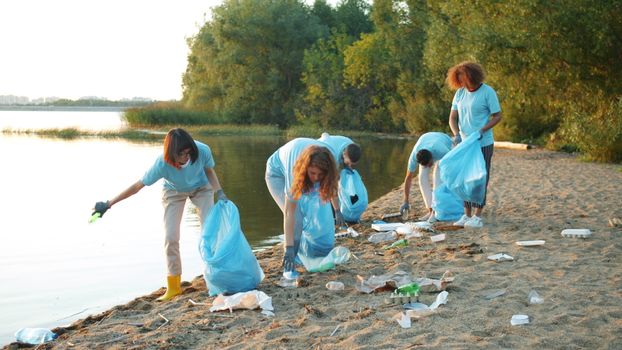
This is where the rubber meets the road. The "Leave No Trace" principles are your guiding stars. Pack out everything you pack in – even orange peels! Avoid single-use plastics. Respect wildlife by maintaining a safe distance and never feeding animals. In the Amazon, I learned the importance of staying on designated trails to avoid disturbing the delicate rainforest floor. Even small actions, like using reusable water bottles and choosing eco-friendly sunscreen, can make a significant difference. Remember, every little bit counts. The cost of a reusable water bottle is a small price to pay for preserving the environment.
4. Supporting Local Communities: Beyond the Tourist Traps
Responsible tourism isn't just about protecting the environment; it's about supporting local communities. Choose locally owned accommodations and restaurants, purchase handicrafts directly from artisans, and learn about the local culture respectfully. In the Amazon, I stayed in an eco-lodge run by a local indigenous community, experiencing their culture firsthand and directly contributing to their economic well-being. This created a far more authentic and rewarding experience than any generic hotel chain could offer. The cost might be slightly higher, but the impact is immeasurable.
5. Educating Yourself and Others: Become an Advocate
Before your trip, educate yourself about the destination's specific environmental challenges and conservation efforts. Share your knowledge with fellow travelers. Spread the word about responsible tourism practices. Use social media to highlight the beauty of these places and the importance of protecting them. My photos from the Galapagos sparked many conversations among my friends and family, encouraging them to consider more responsible travel options. The power of storytelling can be incredibly impactful.
6. Respecting Local Cultures and Traditions: Cultural Sensitivity is Key
Remember, you are a guest in another culture. Learn basic phrases in the local language, be mindful of local customs and traditions, and dress appropriately. In the Galapagos, I observed the local guides’ respectful interactions with the wildlife and the community. Emulating their behavior is a powerful way to contribute to responsible tourism. Cultural sensitivity is not just polite; it's essential for building respectful relationships with the communities you visit.
7. Choosing Sustainable Souvenirs: Meaningful Memories Over Material Possessions
Resist the urge to buy souvenirs that exploit wildlife or contribute to unsustainable practices. Instead, opt for locally made handicrafts from sustainable sources. The best souvenir I brought back from the Amazon was a hand-carved wooden bird from a local artisan – a reminder of the experience, not a contribution to environmental damage. Consider purchasing carbon offsets to compensate for your travel's environmental impact.
Conclusion: A Journey of Responsibility
My journey through the Galapagos Islands and the Amazon rainforest profoundly altered my perspective on travel. It wasn't just about ticking off destinations on a bucket list; it was about engaging in a meaningful exchange with the environment and the communities that call these fragile ecosystems home. Being a responsible tourist isn't just a trend; it's a moral imperative. By making conscious choices, we can ensure these incredible places remain vibrant and thriving for generations to come. Let's travel responsibly – let's protect our planet. Share your experiences and inspire others to do the same!