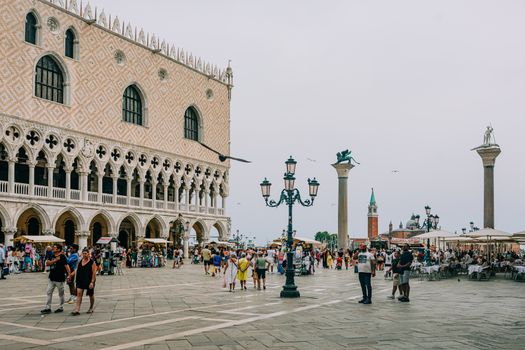
We’ve all been there. Standing in a crowded piazza, squinting at a menu with pictures of sad-looking food, wondering why this "authentic" experience feels so… inauthentic. Or perhaps you’ve forked over an exorbitant sum for a trinket that lost its charm the moment you left the shop. My own moment of truth came in Venice, years ago. I was fresh off the plane, starry-eyed, and utterly charmed by a street vendor selling "hand-blown Murano glass" necklaces. The price was steep, but the story he wove about his family's ancient craft was even steeper. I bought it, thrilled with my unique souvenir. Later that day, I saw the exact same necklace, machine-made, in a souvenir shop window for a tenth of the price. My heart sank faster than a gondola in a storm.
That sting of disappointment, that feeling of being a naive mark, stuck with me. But it also ignited a fire. I vowed never to be caught in a tourist trap again. Over countless trips, hundreds of cities, and more missteps than I care to admit, I’ve honed a sixth sense for spotting them. And today, for you, my fellow Tripsora adventurers, I’m spilling the beans. These are the pro hacks, the insider knowledge that allows you to dive deep into local culture, save your money, and have truly unforgettable experiences – the kind of secrets that Instagram influencers, often sponsored by the very establishments you want to avoid, might not be so keen to share.
Let’s turn you into a savvy, trap-dodging travel pro.
1. The Art of Digital Deduction: Your Pre-Trip Reconnaissance
Before your boots even hit foreign soil, your mission begins. The internet is your most powerful weapon against tourist traps, but only if you know how to wield it. Forget relying solely on glossy travel guides or sponsored "top 10" lists.
Pro Tips for Digital Deduction:
- Go Beyond Google Maps: Street View & Satellite Savvy: Don't just look at the map; explore it. Use Street View to virtually walk the streets around your intended attractions. What do the restaurants look like? Are they bustling with locals or empty save for a few confused tourists? Do they have elaborate, multi-language menus plastered outside? That's often a red flag. Switch to satellite view to spot hidden courtyards, local markets tucked behind main streets, or less obvious entrances. I once found an incredible, family-run trattoria in Rome, just two blocks from the Pantheon, by noticing a tiny, unassuming alleyway on satellite view that Google Street View confirmed was packed with locals at lunchtime. It had no outdoor seating, just a small door, and the best cacio e pepe of my life for €9.
- Dive into Local Forums & Niche Blogs: Mainstream travel blogs are great, but for true local insights, you need to go deeper. Reddit's city-specific subreddits (e.g., r/Rome, r/Paris) are goldmines. Search for "local favorites," "hidden gems," "best [cuisine] [neighborhood]," or "avoid tourist traps [city]." You'll find genuine recommendations from people who live there. Similarly, seek out blogs written by expats or long-term residents. Their perspectives are invaluable. I discovered a fantastic, tiny jazz club in Montmartre, Paris, through an expat blog – a place I'd never have found otherwise, full of locals and incredible music, not a selfie stick in sight.
- The "Near Me Now" Test (with Caution): Once you're on the ground, use Google Maps' "restaurants near me" or "attractions near me" but filter by rating (4.5 stars and above) and read the reviews carefully. Look for keywords like "local," "authentic," "hidden gem," and critically, "no tourists." If a place has thousands of reviews, many in English, it's likely already on the tourist radar. Aim for places with fewer, but highly positive, reviews, especially those written in the local language (Google Translate is your friend!).
2. Befriend the Locals: Your Human GPS to Authenticity
No app or blog can replace the wisdom of a local. But you need to know who to ask and how to ask. Not every local is your best guide, and some might even unknowingly steer you towards tourist traps they're used to recommending.
Pro Tips for Local Connections:
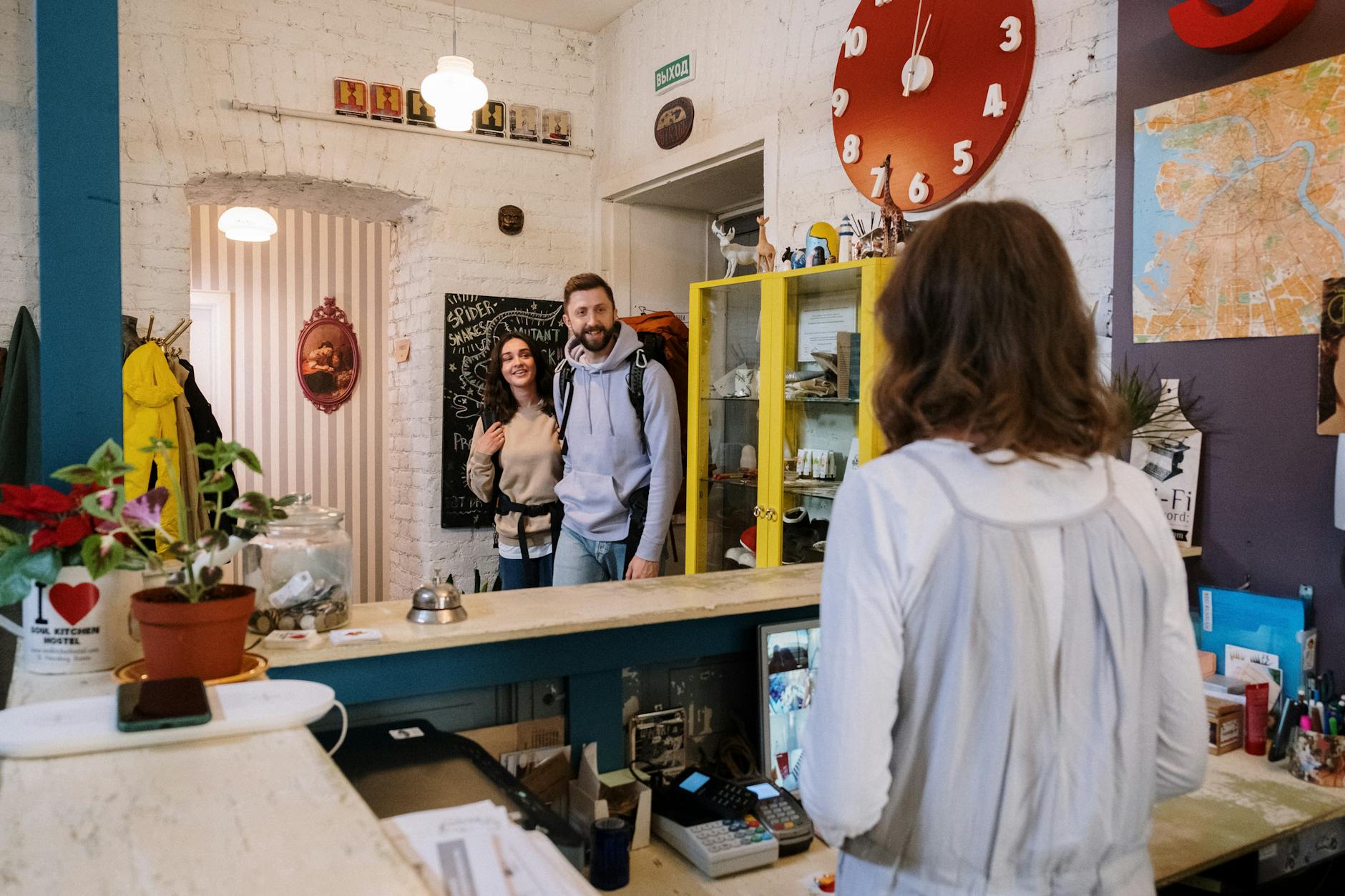
- Bypass the Concierge (Sometimes): Hotel concierges are often incentivized to recommend certain establishments. Instead, ask the barista at your morning coffee shop, the owner of a small boutique, or even your taxi driver (but be discerning – some might also have kickback arrangements). Ask open-ended questions like, "Where do you go for the best pasta after a long day?" or "If your cousin was visiting, where would you take them for a real local experience?"
- Learn a Few Key Phrases: A simple "Bonjour," "Gracias," "Excusez-moi," or "Parlez-vous anglais?" goes a long way. Showing respect for the local language opens doors and makes people more inclined to help you. Even a clumsy attempt is appreciated.
- Observe and Follow: This is my favorite trick. Find a busy local market or a non-descript street. Look for where locals are queuing for food, where they're having their coffee, or which small, unpretentious restaurant is bustling during lunch. Trust me, locals know where the good stuff is. In Barcelona, I stumbled upon an incredible bocadillo place by simply following a stream of construction workers on their lunch break. It was a hole-in-the-wall with no English menu, but the best sandwich I've ever had for €3.50.
- Engage in Small Talk: Don't just ask for directions. Strike up a brief conversation. "That's a beautiful scarf, where did you find it?" "This coffee is excellent, is this your favorite spot?" Genuine interest can lead to genuine recommendations.
3. The Price is Right: Spotting Overpriced Gimmicks
Tourist traps thrive on inflated prices, knowing that many travelers are willing to pay for convenience or a perceived "authentic" experience. Your job is to recognize when you're being overcharged.
Pro Tips for Price Awareness:
- The "Two Blocks Away" Rule: This is a golden rule. The closer you are to a major landmark (Eiffel Tower, Colosseum, Times Square), the higher the prices will be for everything – food, drinks, souvenirs. Walk two, three, even five blocks away. That €6 espresso near the Colosseum becomes a €1.50 local delight a short walk down a side street. A souvenir keychain that's €10 directly outside the Sagrada Familia can be found for €3 at a market a few streets away.
- Look for Local Currency Pricing: If a menu or shop only displays prices in USD or has a separate "tourist menu" with higher prices, run! Authentic local spots will always display prices in their local currency, usually prominently.
- Avoid "Free" Anything: Be wary of anyone offering you something "for free" – a bracelet, a flower, a CD. These are almost always scams designed to pressure you into paying afterwards. A common one in Paris is the "friendship bracelet" scam, where someone ties a bracelet on your wrist and then demands money. Politely but firmly say no and keep walking.
- Negotiate Where Appropriate (and Know When Not To): In some cultures (e.g., markets in Southeast Asia, North Africa, parts of the Middle East), negotiation is expected and part of the cultural exchange. Start at 50% of the asking price and work your way up. However, in most Western European or North American settings, haggling over a fixed price is considered rude. Know the local customs.
4. Eating Like a Local: Culinary Adventures Beyond the "Menu Turistico"
Food is often the first and most painful tourist trap. Those restaurants with laminated menus in six languages and pictures of every dish? Steer clear.
Pro Tips for Authentic Eats:
- No Pictures, No Problem: Truly great local restaurants don't need pictures on their menus. They rely on reputation and quality. A menu written solely in the local language (or with a small, discreet English translation if you ask) is a good sign.
- Look for the Locals (Again!): Is the place packed with families, couples, or business people speaking the local language? That's your spot. If it's empty or full of people clutching guidebooks, keep walking.
- Off the Main Square/Street: Just like with souvenirs, restaurants on the main squares or bustling tourist arteries are almost always overpriced and mediocre. Venture down a side alley, around a corner.
- Lunch Specials & Set Menus: Many local restaurants offer incredible value with fixed-price lunch menus (menú del día in Spain, plat du jour in France). These are designed for locals and offer fresh, seasonal food at a fraction of dinner prices. I once had a three-course meal with wine in Madrid for €12, a deal you'd never find on a main thoroughfare.
- Trust Your Nose: Sometimes, the best indicator is simply the aroma wafting from a doorway. If it smells delicious and authentic, it probably is.
- Check Opening Hours: Many authentic local spots have specific, often shorter, opening hours for lunch and dinner, unlike tourist traps that are open all day to catch any passing customer.
5. Beyond the Instagram Hotspots: Finding Your Own Unique Story
Influencers flood our feeds with perfectly curated shots of the same iconic landmarks. While these are often beautiful, chasing every "Instagrammable" spot can lead you straight into crowds, queues, and overpriced experiences.
Pro Tips for Unique Experiences:
- Explore Local Neighborhoods: Dedicate a day to simply wandering a residential neighborhood away from the main tourist drag. You'll find local parks, smaller cafes, independent shops, and a genuine slice of daily life. In Kyoto, instead of just Gion, I spent a magical afternoon exploring the Nishijin textile district, stumbling upon tiny temples and artisan workshops – a truly serene experience.
- Visit During Off-Peak Hours or Seasons: If you absolutely must see a major attraction, go at opening time or just before closing. Better yet, consider visiting during the shoulder season (spring/fall) or even the off-season for a completely different vibe and fewer crowds. The Colosseum at 8 AM versus 1 PM is like night and day.
- Seek Out Alternative Attractions: Every city has its famous museums, but what about its lesser-known gems? Look for local art galleries, specialized museums (e.g., a museum of puppets, or a typography museum), botanical gardens, or public libraries. These often offer a more intimate and insightful experience.
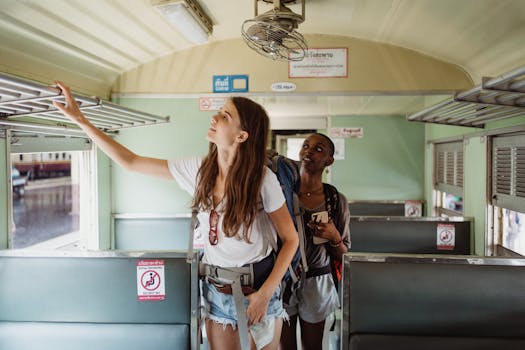
- Embrace Public Transport: Riding local buses, trams, or subways is not just cheaper, it's an immersive experience. You get to see parts of the city you wouldn't otherwise, and observe local commuters going about their day. Just make sure to validate your ticket!
- Find Your "Third Place": Look for a local park bench, a quiet cafe, or a library where you can just be. Watch the world go by, read a book, journal. These moments of quiet observation often yield the most profound insights into a culture.
6. The Scam-Proof Mindset: Staying Savvy on the Go
Tourist scams are designed to disorient and distract you. The best defense is awareness and a healthy dose of skepticism.
Pro Tips for Avoiding Scams:
- Trust Your Gut (Always!): If something feels off, it probably is. If someone approaches you too enthusiastically, is overly friendly, or tries to engage you in a way that feels unnatural, be cautious.
- Be Wary of Unsolicited Help: Someone offering to "help" you with your bags, directions, or buying tickets at a machine might have ulterior motives. Politely decline.
- Research Common Scams for Your Destination: Before you go, do a quick Google search for "common tourist scams [city/country]." Knowing what to look out for (e.g., taxi meter scams, fake petition scams, dropped ring scam) makes you less vulnerable.
- Guard Your Belongings: Use a cross-body bag or a money belt. Be especially vigilant in crowded areas, public transport, and tourist hotspots. Pickpockets are pros.
- Say "No" Firmly and Keep Walking: Don't engage with persistent hawkers or scammers. A firm "No, thank you" and continuing to walk is often the best strategy. Making eye contact or stopping to explain can invite more trouble.
7. Embrace the Unexpected: Sometimes Traps Lead to Tales
While the goal is to avoid tourist traps, sometimes you'll inevitably stumble into one. And that's okay. Travel is about embracing the unexpected, good and bad. That overpriced coffee might come with an unforgettable view, or that slightly dodgy souvenir shop might lead to a hilarious story later.
My "Murano glass" necklace? It became a reminder to always dig deeper, to question, and to seek authenticity. It’s a badge of honor, a lesson learned that has since saved me countless euros and led me to truly extraordinary experiences.
Pro Tip:
Don't let the fear of a trap overshadow the joy of discovery. Be prepared, be savvy, but also be open. Sometimes, the most memorable moments are born from the unplanned, imperfect detours.
Your Journey to Authentic Travel Starts Now!
Avoiding tourist traps isn't about being cynical; it's about being smart, respectful, and hungry for genuine connection. It's about empowering yourself to have experiences that resonate deeply, rather than just ticking off boxes. These are the secrets that empower you to travel like a local, discover hidden gems, and create stories that are truly your own – stories far richer than any influencer's perfectly filtered feed.
So, next time you plan a trip, remember these hacks. Do your homework, connect with locals, be price-savvy, eat authentically, explore beyond the obvious, and stay safe. The world is waiting for you to uncover its true magic.
What's your best tip for avoiding tourist traps, or your funniest "trap" story? Share it in the comments below! And don't forget to share this guide with your fellow adventurers – let's make every trip an authentic masterpiece!