The old woman at the market, her face a roadmap of centuries, smiled warmly as I admired her hand-woven rug. "You like our town, yes?" she asked in broken English, her eyes twinkling. "But you stay in the new hotel, yes? Not the old ones, in the mountain?" She gestured vaguely towards the ancient cliffs that cradled the village, a hint of protectiveness in her tone. I just smiled, knowing full well I was booked into one of those "old ones" – a stunning cave hotel, carved into the very rock she seemed to guard. It was a secret, whispered among discerning travelers, a place locals cherished and, perhaps, wished remained exclusive.
That encounter sparked a realization: some of the world's most breathtaking accommodations aren't found in glossy brochures or on the first page of a Google search. They're hidden, preserved, almost guarded by the communities that birthed them. These are the hotels that defy convention, built into the very fabric of nature – inside ancient caves, high in whispering trees, or sculpted from crystalline ice. They offer more than just a room; they offer an immersion, a story, a connection to the planet that few experiences can match. And yes, locals often hold them close, fearing that widespread tourism might dilute their magic. But as responsible, curious travelers, we can seek them out, experience their wonder, and contribute to their preservation.
Are you ready to peel back the layers and discover the hotels locals don't want you to know about? Buckle up, because we're going on an adventure into the extraordinary.
1. Beneath the Surface: The Mystical World of Cave Hotels
Imagine sleeping in a room that's been millions of years in the making, where the walls breathe history and the silence is so profound, you can almost hear the earth dreaming. Cave hotels are an architectural marvel, blending ancient geological formations with modern luxury. They offer a naturally cool retreat from scorching heat and a cozy, insulated haven from the cold, all while immersing you in an otherworldly atmosphere.
My Personal Dive:
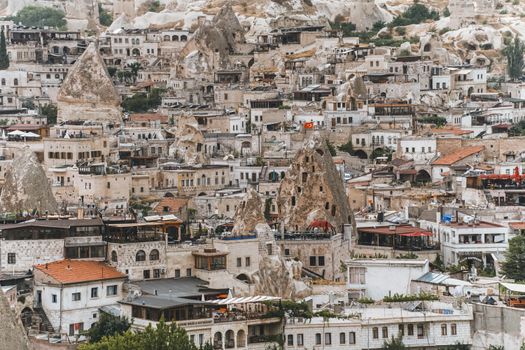
My first cave hotel experience was in Cappadocia, Turkey, a region famous for its "fairy chimneys" and unique rock formations. I stayed at the Sultan Cave Suites in Göreme, a place that feels less like a hotel and more like a living museum. My room, carved directly into the soft volcanic rock, was surprisingly spacious and beautifully decorated with traditional Turkish rugs and antique furniture. The lack of direct sunlight was initially disorienting, but soon, the soft glow of lamps and the absolute quiet became incredibly soothing. Waking up to the sight of hot air balloons dotting the sunrise from the hotel's panoramic terrace (a massive Instagram hotspot, I might add!) was a moment etched forever in my memory. The average price for a night here can range from $150-$400, depending on the season and room type.
But Cappadocia isn't the only place to find these subterranean wonders. Matera, Italy, a UNESCO World Heritage site, boasts the ancient Sassi – a complex of cave dwellings inhabited since the Paleolithic era. Staying at Sextantio Le Grotte della Civita isn't just about luxury; it's about stepping back in time. Each room is a restored cave, minimalist yet deeply atmospheric, offering a profound sense of connection to history. Prices here typically range from $250-$500 per night.
Why Locals Cherish Them:
For centuries, these caves were homes, shelters, and places of worship. They represent resilience, heritage, and a deep connection to the land. The fear is that commercialization could strip away their authenticity, turning sacred spaces into mere tourist traps.
Practical Tips for Cave Dwellers:
* Embrace the Dark: Some rooms will have minimal natural light. It's part of the charm!
* Good Footwear: Many cave hotels are built on uneven terrain; comfortable shoes are a must.
* Check for Humidity: While naturally cool, some caves can feel a bit damp. Pack accordingly.
* Book Ahead: These unique spots are highly sought after, especially during peak season.
2. Sky-High Dreams: The Enchanting World of Treehouse Hotels
Remember that childhood dream of a secret treehouse hideaway? Now, imagine that hideaway equipped with all the luxuries of a five-star hotel, perched high amidst a verdant canopy, offering unparalleled views and a symphony of nature as your soundtrack. Treehouse hotels embody a sense of whimsical escape, reconnecting us with the wild while providing an utterly unique perspective on the world.
My Canopy Chronicle:
My journey into the treetops took me to Treehotel in Harads, Sweden. This isn't just one treehouse; it's a collection of architectural wonders, each a distinct masterpiece. I opted for the "Mirrorcube," a virtually invisible box reflecting its surroundings, making me feel like a secret observer in the forest. Waking up to the sun filtering through the leaves, with birds chirping just outside my window, felt like living in a nature documentary. The sheer ingenuity of these structures – from the "Bird's Nest" that blends seamlessly into the branches to the "UFO" that looks like it just landed – is mind-boggling. A night here can set you back anywhere from $500 to $1000+, but the experience is priceless.
Another unforgettable treehouse escape was at Pacuare River Lodge in Costa Rica. Accessible only by whitewater raft, this eco-lodge is nestled deep within the rainforest. My tree-canopy suite had an open-air shower and a private deck overlooking the Pacuare River, where I spotted monkeys, sloths, and countless exotic birds. It was an immersive, off-grid experience that truly put me in touch with nature. Expect to pay around $400-$800 per night for an all-inclusive stay, including the thrilling river journey.
Why Locals Guard Them:
Treehouse hotels often sit within sensitive ecosystems. Locals, especially indigenous communities, understand the delicate balance of their forests. They worry about deforestation, disturbance of wildlife, and the commercial exploitation of sacred natural spaces. Responsible treehouse lodges work with local communities, ensuring minimal impact and promoting conservation.
Practical Tips for Treehouse Trekkers:
* Pack Light: Many treehouses require a bit of a climb or walk to access.
* Embrace Nature's Sounds: Expect to hear birds, insects, and other wildlife – it's part of the charm!
* Bug Repellent: Especially in tropical locations, this is a must.
* Check Accessibility: If you have mobility issues, confirm the specific treehouse's access before booking.
3. Frozen Fantasy: The Ethereal Beauty of Ice & Snow Hotels
As someone who once thought "camping" meant a slightly uncomfortable mattress, the idea of sleeping in a hotel made entirely of ice seemed utterly bonkers. But then I experienced it, and it redefined everything I thought I knew about comfort and beauty. Ice and snow hotels are transient works of art, sculpted anew each winter, offering an experience that is as fleeting as it is unforgettable.
My Arctic Awakening:
My journey to the land of ice led me to the original Icehotel in Jukkasjärvi, Sweden. Stepping into the Icehotel is like entering a dreamscape. Everything – the walls, the beds, the bar, even the glasses – is crafted from pristine Torne River ice and snow. My "Art Suite," uniquely designed by an artist, featured intricate ice sculptures that glowed with an ethereal blue light.
Sleeping on a bed of ice, atop a wooden base, covered with a thick mattress, reindeer skins, and a supremely warm thermal sleeping bag, was surprisingly comfortable. I wore thermal base layers, a fleece, and a hat, and I slept soundly. The temperature inside hovers around -5°C (23°F), but the sleeping bags are rated for much colder. The highlight was definitely the Icebar, sipping hot lingonberry juice (or a cocktail in an ice glass!) and marveling at the artistry. A night in an ice room can range from $300 to $1000+, depending on the suite. Remember, these are only open during the winter months (roughly December to April).
Across the Atlantic, Hotel de Glace in Quebec City, Canada, offers a similar, equally stunning experience. Each year, it showcases new themes and designs, complete with ice slides, chapels, and dazzling sculptures. It's a true winter wonderland that will make you feel like you've stepped into a fairytale. Prices typically range from $200-$500 per night.
Why Locals Prefer Secrecy:
These hotels are often built in pristine, fragile Arctic or sub-Arctic environments. Locals worry about the environmental footprint – energy consumption, waste management, and the impact on local wildlife. They also value the quiet solitude of their winters, which mass tourism could disrupt. Sustainable practices are key to their continued existence.
Practical Tips for Frozen Fancies:
* Layer Up! Thermal base layers, fleece, and wool socks are your best friends.
* Don't Overdress in Bed: You want your sleeping bag to trap your body heat, not your clothes.
* Short Stays: Most people only stay one night in an ice room, often combining it with a "warm" room stay.
* Embrace the Sauna: Most ice hotels offer a warm changing area and saunas – a perfect way to thaw out!
* Seasonal Only: Remember, these hotels only exist in winter. Plan accordingly!
4. Why Locals Keep Them Secret (and Why You Should Go Anyway)
The "locals don't want tourists to know" sentiment isn't born out of malice; it often stems from a deep-seated desire to protect something precious.
* Preserving Authenticity: Over-tourism can dilute the unique character of a place, turning genuine cultural experiences into manufactured ones.
* Environmental Impact: Fragile ecosystems (caves, forests, Arctic regions) can suffer from increased foot traffic, waste, and resource strain.
* Maintaining Peace: Locals often cherish the tranquility of their homes, and an influx of tourists can disrupt their daily lives and sense of community.
* Economic Disparity: Sometimes, tourism benefits external companies more than local residents, leading to resentment.
However, choosing not to visit these places entirely means missing out on incredible cultural exchange, supporting unique local businesses, and experiencing groundbreaking sustainable tourism models. The key is responsible and respectful travel.
My Take on Responsible Exploration:
When I visit these hidden gems, I make it my mission to:
1. Support Local: Choose hotels that employ locals, use local materials, and source food locally. Eat at local restaurants, buy from local artisans.
2. Minimize Impact: Follow "leave no trace" principles. Be mindful of water and energy consumption.
3. Respect Culture: Learn a few local phrases, understand local customs, and be an engaged, polite guest.
4. Educate Others: Share your experiences, but also share the importance of responsible tourism.
By being mindful travelers, we can ensure these incredible places thrive, benefiting both visitors and the communities that host them.
5. Planning Your Extraordinary Escape: Practical Tips & Booking Secrets
These aren't your average chain hotels. Booking and preparing for a stay in a cave, tree, or ice hotel requires a bit more foresight and planning.
Research is Key:
* Go Beyond Google's First Page: Look for niche travel blogs, specialized eco-tourism sites, and local tourism boards. Sometimes the best places aren't heavily advertised.
* Read Reviews Carefully: Look for mentions of sustainability efforts, local engagement, and authentic experiences, not just luxury.
Booking Secrets:
* Book Far in Advance: Especially for unique suites or peak seasons, these hotels can be booked out 6-12 months ahead.
* Direct Booking: Often, booking directly through the hotel's website can offer better rates, special packages, or access to rooms not available on third-party sites.
* Consider Off-Peak: If your schedule allows, traveling during shoulder seasons can mean fewer crowds and potentially lower prices.
Budgeting for the Extraordinary:
* Premium Experience: These unique accommodations often come with a premium price tag. Factor this into your overall travel budget.
* Hidden Costs: Consider transfer costs to remote locations, activity fees (e.g., hot air ballooning in Cappadocia, rafting in Costa Rica), and specialized gear rental (e.g., snowmobile suits for Arctic activities).
Packing for Your Adventure:
* Cave Hotel: Comfortable walking shoes, layers (for varying temperatures between rooms and outside), a small flashlight, and perhaps a good book to enjoy the quiet.
* Treehouse Hotel: Light, breathable layers, insect repellent, a good camera with a zoom lens for wildlife, and sturdy shoes for walks in nature. Binoculars are a great addition!
* Ice Hotel: Thermal base layers (top and bottom), a warm fleece or wool mid-layer, waterproof outer layers, wool socks, a warm hat, gloves, and a scarf. The hotel usually provides the sleeping bag.
* General: A portable power bank (outlets can be limited or inconvenient), a reusable water bottle, and a sense of adventure!
Engaging with the Experience:
* Disconnect: These places are designed for immersion. Try to limit screen time and truly soak in your surroundings.
* Talk to Locals: Learn about the history, culture, and nature from the people who know it best.
* Capture the Moment: These hotels are incredibly Instagram-worthy, but remember to put the camera down and simply be there.
Conclusion: Unlocking Your Next Unforgettable Story
The world is full of incredible places to stay, but few offer the transformative power of a night spent within the heart of a cave, among the whispering leaves of a forest, or beneath the shimmering artistry of an ice palace. These are not just hotels; they are gateways to understanding different cultures, respecting natural wonders, and creating memories that will last a lifetime.
Locals might wish these secrets remained hidden, but by approaching them with respect, curiosity, and a commitment to responsible travel, we can ensure their magic endures for generations to come. So, which extraordinary hideaway will call to your adventurous spirit first? Will it be the ancient embrace of a cave, the soaring serenity of a treehouse, or the crystalline wonder of an ice hotel?
The world's most unique stays are waiting. It's time to stop dreaming and start doing.
Which secret hideaway will you uncover first? Share your dreams in the comments below, and don't forget to tag #TripsoraSecrets when you embark on your own extraordinary adventure!
---