Hike to Hidden Worlds: Villages Locals Guard from Tourists
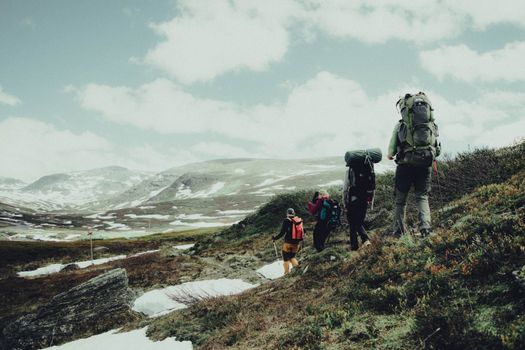
The air thinned with each upward step, carrying with it the scent of pine and damp earth. My boots crunched on loose scree, a rhythmic counterpoint to the distant clang of a cowbell. For days, I’d been following a faded map, a gift from an old shepherd with eyes that held centuries of mountain wisdom. He’d pointed vaguely towards the "place where the eagles nest and time stands still," a place he said few outsiders ever saw. My heart pounded not just from the altitude, but from the thrill of the chase – the pursuit of something truly undiscovered.
Then, as the trail crested a final ridge, it appeared. Nestled in a verdant bowl, a cluster of stone houses, their roofs thatched with ancient techniques, smoke curling lazily from chimneys. Children played in a sun-drenched courtyard, their laughter echoing against the silent peaks. It was a scene ripped from a forgotten century, a living postcard from a world untouched by the clamor of modern tourism. This wasn't on any guidebook, any popular blog, or even most local maps. This was a hidden village, a local's secret, and I had found it.
For years, my passion for travel has been less about checking off famous landmarks and more about peeling back layers, seeking the authentic heart of a destination. And often, that heart beats strongest in places locals have carefully, perhaps even fiercely, guarded from the tourist gaze. These aren't just pretty spots; they are cultural time capsules, bastions of tradition, and living museums of a way of life that is rapidly disappearing.
But seeking these places comes with a profound responsibility. It's about being a guest, not a conqueror. It's about appreciating, not exploiting. And it's about understanding why locals might want to keep their corner of paradise a secret. If you're ready to trade paved roads for worn footpaths, five-star hotels for humble homestays, and curated experiences for genuine encounters, then pack your bags. Because today, we’re talking about the hiking trails that lead to hidden villages locals don't want tourists to know – and how to visit them with respect and reverence.
The Irresistible Allure: Why Seek the Undiscovered?
In an age of hyper-connectivity and over-tourism, the concept of a truly "hidden" place feels almost mythical. Yet, they exist. These villages, often accessible only by arduous hikes, have preserved their unique identities precisely because of their isolation. What makes them so captivating?
- Authenticity Unfiltered: Forget souvenir shops and staged cultural performances. In these villages, life unfolds as it has for generations. You might witness ancient farming techniques, traditional crafts passed down through families, or ceremonies that predate recorded history. My first hidden village experience was in a remote corner of the Georgian Caucasus, where the villagers still spoke a dialect so old, linguists were studying it. I spent an afternoon watching a woman weave a rug on a loom that looked a thousand years old, her hands moving with a grace born of ancestral memory. That kind of authenticity is priceless.
- A Glimpse into the Past: These places often feel like living museums, untouched by the relentless march of modernity. Architecture, social structures, and daily rituals remain largely unchanged. It's a chance to step back in time and understand the enduring resilience of human culture.
- Genuine Human Connection: When you're one of a very few outsiders, interactions with locals become incredibly personal and meaningful. There's no expectation of commerce, just curiosity and hospitality. I remember sharing a simple meal of lentil soup and homemade bread with a family in a tiny hamlet high in the Moroccan Atlas. We spoke through gestures and a few shared words, but the warmth of their welcome transcended any language barrier.
- The Thrill of Discovery: Let's be honest, there's an undeniable romance in finding something few others have. It taps into our innate sense of adventure, rewarding effort with unparalleled beauty and unique experiences.
But this allure comes with a caveat. Locals often guard these places because they cherish their way of life, their peace, and their cultural integrity. Our presence, however well-intentioned, can disrupt that. The key is to approach these journeys with humility, respect, and a commitment to causing no harm.
The Art of the Hunt: How to Uncover These Secret Paths
So, how do you find a village that doesn't want to be found? It's not about Google searches or popular guidebooks. It requires a different kind of detective work, a slower pace, and a keen ear for whispers.
- Go Local, Go Deep: Start by seeking out information from people who truly know the region – not tourist guides, but local farmers, shopkeepers, or even elderly residents in smaller, peripheral towns. A casual chat over a cup of tea can sometimes yield the most valuable clues. Frame your questions with respect: "Are there any very old villages nearby that are still very traditional?" or "Where do people go when they want to truly escape?"
- Obscure Maps & Satellite Imagery: Forget Google Maps for the actual "secret" trails. Look for older, detailed topographical maps (often available in specialized mountaineering shops or online archives). Cross-reference these with satellite imagery. Look for faint lines, breaks in vegetation, or clusters of buildings in unexpected valleys. I once found a potential trail by noticing a patch of unusually green land in a high desert plateau on an old Soviet-era map, indicating a water source and likely habitation.
- Local Forums & Niche Communities: Online forums for mountaineering, rural development, or cultural preservation in specific regions can sometimes offer hints. People might discuss remote areas they've visited or local initiatives in isolated communities. Be discreet and don't directly ask for "secret villages." Instead, inquire about challenging treks or areas known for unique biodiversity.
- Learn a Few Key Phrases: A simple "hello," "thank you," "may I pass?" and "is it okay to take a photo?" in the local language can open doors and build trust. It shows you've made an effort and respect their culture.
- Embrace Serendipity: Sometimes, the best discoveries are made when you least expect them. A wrong turn, a spontaneous decision to follow a less-trodden path, or a chance encounter with a local can lead to the most profound experiences. My discovery in the Georgian Caucasus was precisely this – a conversation with an old man by a roadside spring, sketching a rough map in the dust with his walking stick.
The "hunt" itself becomes part of the adventure, teaching you patience, observation, and adaptability.
Responsible Exploration: Being a Guest, Not a Gimmick
This is perhaps the most critical section. Discovering these hidden gems carries a heavy ethical weight. Our goal isn't to "unhide" them for the masses, but to experience them respectfully and sustainably.
- Leave No Trace, Literally: This isn't just about packing out your trash. It means leaving the environment exactly as you found it, if not better. Don't disturb wildlife, don't pick plants, and stick to established (even if faint) paths.
- Respect Local Customs & Privacy: Research local etiquette before you go. Dress modestly, especially in religious or traditional areas. Always ask permission before taking photos of people, especially children. If someone says no, respect it without question. Remember, their home is not a tourist attraction.
- Support, Don't Exploit: If you can, support the local economy directly. Buy food or crafts from villagers (if available and appropriate), or offer to pay for a homestay if invited. But be mindful: some communities may not be equipped for or desire monetary transactions from outsiders. Sometimes, sharing a meal or offering a small, useful gift (like school supplies for children, if you've discreetly learned it's needed) is more appropriate than money.
- Be Mindful of Your Impact: Your presence, even as a single traveler, has an impact. Be quiet, observe more than you participate, and avoid drawing undue attention. The goal is to blend in as much as possible, to be an observer rather than a spectacle.
- Travel in Small Groups (or Solo): Large groups are inherently more disruptive. If you're seeking these experiences, go solo or with one or two trusted companions who share your commitment to respectful travel.
- Consider a Local Guide: For truly remote or culturally sensitive areas, hiring a local guide from a nearby town is invaluable. They can navigate, translate, and bridge cultural gaps, ensuring your visit is respectful and enriching for both sides. Expect to pay a fair wage; for a multi-day trek into a truly remote area, a local guide might cost anywhere from $50-$150 USD per day, depending on the region and their expertise. This investment is crucial for safety and cultural integrity.
Remember, the goal is not to "conquer" these places, but to connect with them, to learn, and to leave them as pristine and peaceful as you found them.
My Top (Carefully Chosen) "Hidden Gem" Trail Archetypes
I can't, in good conscience, give you the exact GPS coordinates to specific, vulnerable villages. That would betray the very premise of this article. Instead, I'll describe archetypes of the kinds of places you might find, drawing on my own experiences and research, offering a blueprint for your own responsible adventures.
1. The High-Altitude Andean Sanctuary: Echoes of Ancient Civilizations
- Location Archetype: Deep in the Andes, perhaps in Peru, Bolivia, or Ecuador, far from the Inca Trail or popular treks.
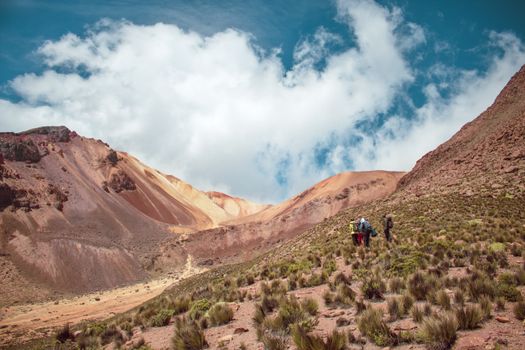
- The Trail: A challenging 3-4 day hike, starting from a small, accessible mountain town. The path is often unmarked, following ancient llama trails or faint shepherd's routes. Expect significant altitude gain (over 4,000m/13,000ft), rocky terrain, and potentially unpredictable weather (sun, hail, snow in a single day). Navigation skills are paramount, or hire a local guide from the nearest small town.
- The Village: Nestled in a remote valley, accessible only by foot or hardy pack animals. Houses are typically built of local stone and mud brick, with thatched roofs. The community might speak Quechua or Aymara, preserving pre-Columbian traditions. Villagers are often subsistence farmers, growing potatoes, quinoa, and raising llamas and alpacas. You might witness ancient textile weaving, intricate pottery, or traditional ceremonies tied to the land and mountain spirits.
- What Makes it Special: A profound connection to ancient Andean cosmology. The sense of stepping back thousands of years. The resilience and self-sufficiency of the community.
- Practical Tips: Acclimatize to altitude for several days before starting. Bring warm, layered clothing, sturdy hiking boots, and a good water filter. Offer small, practical gifts like coca leaves (a traditional offering) or school supplies (if appropriate). Be extremely respectful of their spiritual beliefs and sacred sites. Photography might be particularly sensitive here.
2. The Southeastern Asian Jungle Haven: A Tapestry of Hill Tribes
- Location Archetype: The remote highlands of Laos, Vietnam, or Myanmar, away from the well-trodden trekking routes around Sapa or Luang Prabang.
- The Trail: A humid, often muddy 2-3 day trek through dense jungle, rice paddies, and bamboo forests. Expect river crossings, steep ascents, and descents. The heat and humidity are relentless, and leeches can be a nuisance. Trails are maintained by locals and can be overgrown.
- The Village: A collection of stilt houses built from bamboo and wood, often on a ridge overlooking terraced rice fields. Each village might belong to a specific ethnic minority group (e.g., Akha, Lahu, Hmong), each with its own distinct language, dress, and customs. Life revolves around rice cultivation, traditional crafts like weaving or basketry, and strong community bonds.
- What Makes it Special: Incredible cultural diversity, vibrant traditional clothing, a deep connection to the land, and unparalleled hospitality once trust is established. The sound of children playing, the smell of woodsmoke, and the rhythmic pounding of rice are unforgettable.
- Practical Tips: Pack light, quick-drying clothing. Bring insect repellent (DEET is your friend!), a wide-brimmed hat, and plenty of water. A local guide is almost essential for navigation and cultural mediation. Be mindful of personal space and ask before entering homes. Learn basic greetings and "thank you."
3. The European Alpine Retreat: Guardians of Ancient Traditions
- Location Archetype: Tucked away in a lesser-known valley of the European Alps (e.g., Dolomites, Pyrenees, or even parts of the Balkans), far from ski resorts or popular hiking circuits.
- The Trail: A strenuous 1-2 day hike, often involving steep ascents on rocky paths, perhaps some scrambling, and exposure to mountain weather. Trails might be marked with faded paint or cairns, but can be confusing. Expect dramatic scenery – jagged peaks, alpine meadows, and perhaps ancient shepherd huts.
- The Village: A handful of sturdy stone or wooden chalets, often hundreds of years old, clinging to a mountainside. Life is often pastoral, centered around dairy farming, cheese making, or traditional carpentry. Villagers might speak an ancient dialect or a unique regional language. These communities often have strong communal traditions, perhaps sharing pastures or maintaining ancient water channels.
- What Makes it Special: The breathtaking juxtaposition of rugged nature and enduring human settlement. The taste of artisan cheese, the sound of cowbells, and the sense of deep history embedded in every stone.
- Practical Tips: Good mountaineering experience is recommended. Pack layers, waterproofs, and sturdy boots. Be prepared for sudden weather changes. Inquire about local produce or crafts to support the community. If you find a small guesthouse or family-run inn, consider staying there. Expect simple, hearty meals.
Preparing for the Unseen: Essential Gear & Mindset
Embarking on these journeys requires more than just a backpack; it demands a particular mindset.
Essential Gear:
- Navigation: A reliable GPS device (with offline maps), a physical map, and a compass. Learn how to use them. Your phone might lose signal.
- First Aid Kit: Comprehensive, including blister treatment, pain relievers, antiseptic wipes, bandages, and any personal medications.
- Water & Purification: Carry ample water and a reliable purification system (filter, tablets, or UV sterilizer).
- Appropriate Clothing: Layers, waterproof and windproof outer shells, sturdy hiking boots (broken in!), and extra socks.
- Shelter: A lightweight tent, sleeping bag, and pad if planning to camp.
- Food: High-energy snacks and sufficient food for the duration of the hike.
- Headlamp/Flashlight: With extra batteries.
- Power Bank: To charge electronics.
- Sun Protection: Hat, sunglasses, sunscreen.
- Cash: Small denominations of local currency for any purchases or offerings. Credit card machines are rare to non-existent.
- Small Gifts (Optional & Thoughtful): Pens, notebooks, or useful items for children or families, but only if you've discerned a need and it's culturally appropriate. Avoid candy or toys that create waste.
The Mindset:
- Flexibility & Patience: Things will not always go to plan. Trails might disappear, weather might change, or communication might be challenging. Embrace the unexpected.
- Resilience: These hikes are often physically demanding and mentally taxing. Be prepared for discomfort.
- Open-Mindedness: Suspend judgment. Embrace different ways of life, even if they challenge your own norms.
- Humility: You are a guest. Approach every interaction with respect and a willingness to learn.
- Self-Reliance: Be prepared to handle situations independently. Help might be hours or days away.
- Curiosity: Ask questions (respectfully), observe, and listen. The stories these places hold are profound.
The Unforgettable Encounters: Stories from the Trail
The true reward of these journeys isn't just the stunning photos (though you'll get those, believe me – think mist-shrouded peaks, pastel-colored homes, and faces etched with wisdom). It's the moments that etch themselves onto your soul.
I remember once, after a grueling day of hiking through a snow-dusted pass in a remote corner of the Balkans, stumbling into a tiny village as dusk fell. I was exhausted, cold, and running low on water. An elderly woman, her face a roadmap of wrinkles, saw me from her doorway. Without a word, she motioned me inside. She offered me a bowl of hot bean soup, still simmering on her wood-fired stove, and a piece of dense, homemade bread. We couldn't understand each other’s language, but her eyes conveyed a profound warmth and compassion. That simple meal, shared in silence in her humble home, was one of the most moving experiences of my life. It was a reminder that kindness transcends all barriers, and that true hospitality is born not of obligation, but of humanity.
Another time, in a village hidden deep in a rainforest, I was invited to witness a local festival. The air vibrated with the rhythm of drums, the scent of exotic spices, and the joyous laughter of people dancing in intricate traditional costumes. I was the only outsider, and for a few hours, I felt completely immersed, a silent observer of a sacred celebration. It wasn't an "attraction" for tourists; it was life, unfolding authentically.
These are the moments that truly enrich our travels, that expand our understanding of the world and our place within it. They are the stories you'll carry with you long after the blisters have healed and the dust has settled.
Go Forth, Explore, and Protect
The world is still full of wonders, places where the rhythm of life beats to an ancient drum, untouched by the relentless pace of modernity. The trails that lead to these hidden villages are not just paths through landscapes; they are journeys into the heart of human resilience, tradition, and community.
But with the privilege of discovery comes the profound responsibility to protect. Go forth with an open mind, a humble heart, and a commitment to leave no trace but your footprints, and take nothing but memories and a deeper understanding. Seek these hidden worlds not to conquer them, but to connect with them, to learn from them, and to ensure their secrets remain safe for generations to come.
Have you ever stumbled upon a truly hidden gem? Share your stories (without revealing specific locations, of course!) and your tips for responsible exploration in the comments below. Let's inspire each other to travel deeper, tread lighter, and respect the unspoken wishes of the locals who call these extraordinary places home.
---