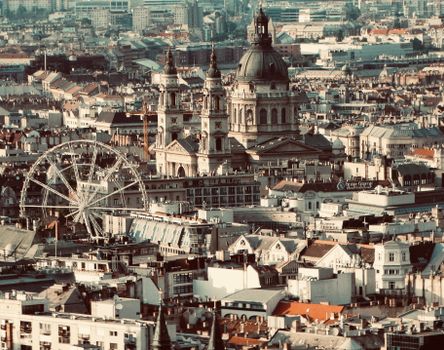
Some of the most expensive cities in the world also happen to be among the best for free culture. It may seem like a contradiction, but it follows a long tradition: national collections funded by the public and open to everyone. If you plan a city break around these institutions, you can see world-famous art, history and science without paying for entry, and spend your budget on the things that really do cost money, such as accommodation and food.
This guide looks at what free access means in several well-known cities, how to make the most of it, and how to avoid the common traps. Policies can change, so always verify current details on official websites before you travel.
A note on "free"
Free admission usually applies to permanent collections, not to every exhibition or activity. Temporary shows, guided tours, audio guides and special events can carry fees. Some museums request a donation. Others require advance booking of timed entry tickets even when entry costs nothing.
Keep that in mind as you read the examples below. They are meant to inspire your planning, not to replace checking the latest information.
London: a capital built on free national collections
London is famous for its large national museums that do not charge general admission. Many of the biggest names in art, history and science fall into this category, and they cluster in a handful of neighborhoods, which makes it easy to combine them.
What to expect.
- Major institutions such as the British Museum, the National Gallery, the Natural History Museum, the Science Museum, the V&A and Tate Modern have long offered free access to their main collections. Temporary exhibitions usually require tickets.
- South Kensington has several museums within walking distance of each other, so you can choose one or two and still have time for a stroll in the nearby parks.
- Bloomsbury, Trafalgar Square and the South Bank provide more clusters.
Tips.
- Choose just one or two collections per day. These places are huge, and trying to see everything leads to fatigue.
- Visit early in the day or on weekday afternoons to avoid the busiest school holidays and weekends.
- Check whether you need to reserve a free timed ticket.
- Consider a small donation. Many museums have donation points near the entrance.
- Pair museum visits with other free experiences, such as walking along the river, exploring royal parks and browsing markets.
London is expensive for accommodation and food, so making culture your free element helps balance the budget.
Washington, DC: the Smithsonian and the National Mall
In the United States capital, a large group of museums known as the Smithsonian institutions offers free admission, and many of them sit around the National Mall. Topics range from air and space to natural history, American history and art.
What to expect.
- A walkable cluster of museums and monuments, with plenty of green space.
- Some museums may require free timed passes at busy times, especially popular ones.
- The National Gallery of Art and other major public institutions also offer free entry to permanent collections.
- Memorials and monuments in the city are open to the public and are especially striking in the evening.
Tips.
- Plan for walking. Distances on the Mall are larger than they look on a map, so wear comfortable shoes and carry water.
- Check security procedures, since many museums have bag checks.
- Visit in spring or autumn for milder weather, as summers can be hot and humid.
- Look at the schedule for each museum, because opening hours and closures vary.
Edinburgh: history and art on the Royal Mile and beyond
Scotland's capital is expensive in peak summer and festival season, but it has several free national museums and galleries.
What to expect.
- The National Museum of Scotland has long offered free general admission, with collections that span natural history, world cultures, science and Scottish history.
- National galleries of art are also free for their permanent collections.
- The old town and its closes, courtyards and viewpoints are free to explore on foot.
- Parks, hills and hiking routes close to the city center provide views for no cost.
Tips.
- Combine a museum morning with an afternoon walk up a hill for city views.
- Be aware that August, with its festivals, can make the city very busy and accommodation costly. Spring and autumn are quieter.
- Wear layers, because the weather can change quickly.
Dublin: culture in the Georgian core
Dublin's compact center makes it easy to link several free cultural sites in a day.
What to expect.
- The National Museum of Ireland and the National Gallery of Ireland have been known to offer free admission to their main collections.
- Historic parks and squares, such as St Stephen's Green, are free to enjoy.
- Libraries, markets and traditional music sessions in pubs provide cultural experiences that cost little beyond a drink.
Tips.
- Check opening days, since some museums close on Mondays.
- Be prepared for rain with a light waterproof jacket.
- Support local businesses by choosing independent cafes and shops for breaks.
Paris and other European capitals: partial free access
Not every expensive city makes everything free, but many offer partial access.
- In several European capitals, major museums offer free entry on certain days of the month or in the evening. Rules change, so check carefully.
- Some cities provide free admission to permanent collections for children or young people from certain countries.
- Many cathedrals, churches and public gardens are free to enter, with fees for towers or special areas.
- City passes can be worth it only if you plan to visit many paid sights.
If you plan a visit to a city like Paris, Amsterdam or Berlin, look up official tourism sites and individual museums for current free-entry policies.
What to do around the free museums
Free museums are great, but a full day also needs other elements. These ideas work in almost any expensive city.
- Picnic lunches. Buy bread, cheese, fruit and drinks from a market or supermarket and eat in a park.
- Walking tours. Self-guided or tip-based tours show you the city from street level.
- Public transport rides. Ride a tram, ferry or scenic bus line for a low-cost sightseeing trip.
- Free viewpoints. Hills, bridges and public rooftops give skyline views.
- Neighborhood wandering. Explore areas that are not on the standard tourist circuit, such as local markets and residential streets.
- Public art. Murals, sculptures and architectural landmarks are everywhere.
Planning your visit step by step
- Choose your city and dates. Consider the season, as shoulder seasons are often calmer and cheaper.
- List the museums you want to see. Pick three to five priority sites rather than a long list.
- Check official websites for opening times, free admission rules, ticket reservations and any temporary closures.
- Group by area. Cluster visits by neighborhood to cut travel time.
- Balance your days. Alternate big museum days with lighter days for walking or relaxing.
- Book accommodation within easy reach of public transport.
- Set aside a small budget for donations, special exhibitions and coffee breaks.
- Leave flexibility. Allow time for rain, queues or spontaneous discoveries.
Traveling with children or in a group
Free museums are especially useful for families and groups, since entry costs multiply quickly when several people visit.
- Pick the right galleries. Natural history, science and transport museums tend to engage children, while art galleries work best in shorter visits with a simple game, such as finding a favorite color or animal in each room.
- Take breaks. Plan a snack or playground stop between museum visits. Many museums have family areas, cafes and quiet corners.
- Use cloakrooms. Strollers and bags can be a hassle, so check what storage is available.
- Set expectations. Agree before entering how long you will stay and which two or three things you most want to see.
- Check family resources. Some museums provide trails, activity packs or family events at no charge, which can transform a visit.
For groups, agree a meeting point inside the building in case people drift apart, and consider splitting up for part of the visit so that everyone sees what interests them most.
Making the most of a short stay
If you only have a weekend, be selective. Choose one major free collection for each half day, and fill the gaps with walking and viewpoints. Arrive at opening time, head straight to your priority galleries, and use the later hours for wandering. A short visit focused on a handful of objects you really want to see is often more satisfying than a rushed tour of everything.
Think too about the transport that surrounds your plans. Many of these cities have day passes for buses and trains, and walking between nearby institutions can save fares while showing you streets you would otherwise miss.
Etiquette and good habits
- Be quiet and respectful in galleries and around sacred objects.
- Do not touch exhibits unless explicitly invited to.
- Follow photography rules and avoid flash.
- Give way to others in busy spaces.
- Dress appropriately for churches and religious sites.
- Donate if you can, so that free access remains possible.
Common mistakes
- Trying to see an entire national museum in one visit.
- Arriving at peak hours without a reservation where one is needed.
- Forgetting that special exhibitions are separate.
- Leaving too little time to enjoy the surrounding neighborhood.
- Assuming that the free policy that applied years ago still applies today.
Frequently asked questions
Which expensive cities have free national museums?
London, Washington DC, Edinburgh and Dublin are good examples, though policies and details can change. Check the official website of each museum.
Do I still need a ticket if admission is free?
Sometimes. Certain museums require timed tickets or reservations on busy days. They are free, but you need to book.
Are special exhibitions free too?
Usually not. Temporary exhibitions often have separate charges.
How can I support free museums?
Donate, buy something in the shop, or join as a member if you visit often.
Summary
Free museums make expensive cities more accessible. London, Washington DC, Edinburgh and Dublin are among the places known for free access to major permanent collections, while many other capitals offer partial free days or free outdoor attractions. Plan realistically, choose a few museums per trip, book timed tickets where needed, and balance culture with walking, picnics and public art. Verify rules on official sites, donate if you can, and enjoy the best of a pricey city without paying for every entrance.