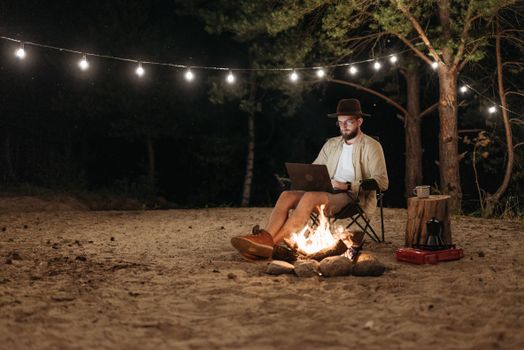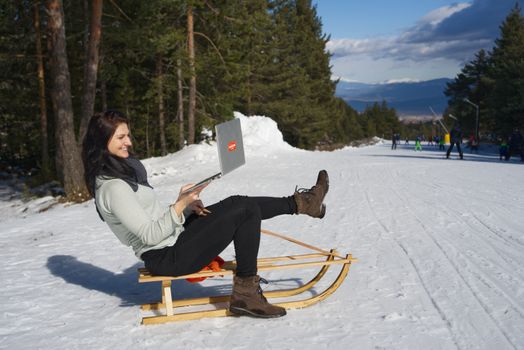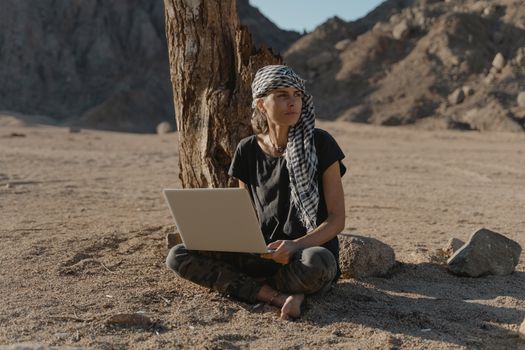
Remember that feeling of seeing a travel influencer sipping a coconut on a beach in Bali, laptop open, living the dream? Yeah, I do too. For years, I chased that exact fantasy, bouncing from one "digital nomad hotspot" to another. Don't get me wrong, those places are incredible, but they're also… well, mainstream. The crowds grew, the prices crept up, and that feeling of discovering something truly unique started to fade.
Then, a few years ago, a friend of mine, an incredibly savvy freelance graphic designer named Lena, dropped a bombshell on our weekly video call. "I'm moving to Italy," she announced, "and they're practically paying me to do it." My jaw hit the floor. "Paying you?!" I spluttered. Lena just grinned, "Yep. Turns out, some places are so keen to attract new residents, they're rolling out the red carpet – and sometimes, actual cash – for remote workers like us. I'm talking about countries before they hit the mainstream radar, where your remote income stretches further than you ever imagined, and the local government might even give you a leg up."
That conversation changed everything for me. It sparked a deep dive into what I now affectionately call the "Pay-to-Stay Phenomenon." This isn't about winning a lottery or some elaborate scam; it's about smart, strategic moves to live your best remote life in places that genuinely want you there. If you're tired of the same old, ready to discover truly authentic experiences, and want your remote work to feel like a perpetual bonus, then buckle up. This is your guide to the hidden gems that are ready to reward your adventurous spirit.
The "Why" and "How": Unlocking the Pay-to-Stay Phenomenon
So, what's the deal? Why would a country "pay" you to work remotely? It boils down to a few key factors:
- Combating Depopulation: Many charming, historic towns, particularly in Southern Europe, are facing dwindling populations as young people move to bigger cities. They're desperate to revitalize their communities, and remote workers bring new life, skills, and spending power.
- Economic Stimulus: Attracting digital nomads means more money flowing into local economies – from rent and groceries to artisanal crafts and local tours. It's a low-risk way to boost tourism and diversify local industries.
- Attracting Talent & Innovation: Remote workers often bring diverse skill sets, entrepreneurial spirit, and a global perspective that can enrich local communities and foster innovation.
- Post-Pandemic Realization: The world finally woke up to the power of remote work. Many countries quickly realized they could tap into this global workforce by offering appealing visas and incentives.
How do they "pay" you?
It's not always a direct cash handout (though sometimes it is!). The "payment" often comes in various forms:
- Direct Grants/Subsidies: Specific towns or regions might offer grants to help with relocation, home renovation, or even a monthly stipend for a set period.
- Significant Tax Breaks: Some countries offer highly attractive tax regimes for remote workers, allowing you to keep more of your hard-earned income.
- Extremely Low Cost of Living: Your existing remote salary goes exponentially further, essentially "paying" you through massive savings on rent, food, and activities.
- Specialized Digital Nomad Visas: While not direct payment, these visas simplify the legal hurdles, making it easier and more secure to live and work long-term, which is a huge incentive in itself.
Ready to explore some of these game-changing destinations? Let's dive into the specifics!
1. Georgia: The Caucasus's Remote Work Darling (and My Personal Favorite)
Okay, let's start with a country that, for years, felt like my best-kept secret: Georgia. Not the US state, but the stunning, ancient nation nestled between Europe and Asia. When I first heard about their "Remotely from Georgia" program, I was intrigued. A visa for remote workers earning over $2,000 USD/month, allowing you to stay for a year? Sign me up!
The "Pay" Factor:
While not a direct cash payment, Georgia's allure lies in its incredibly low cost of living, favorable tax regime (a flat 20% income tax for individuals, with an option for 1% if you register as a "small business" for certain professions, making it very appealing), and the sheer value you get for your money. My first month in Tbilisi felt like I'd unlocked a cheat code for life. I rented a gorgeous, modern apartment in the city center for less than what I paid for a shoebox studio in a tier-2 European city.
My Anecdote:
I remember my first week in Tbilisi. The labyrinthine streets of the Old Town, the smell of freshly baked khachapuri (cheese bread, a national treasure!), and the sound of distant church bells. I'd set up my laptop in a cozy café near Freedom Square, sipping strong Georgian coffee, and then spent my afternoons exploring ancient fortresses and sulfur baths. One evening, after a particularly productive day, I treated myself to a feast at a traditional restaurant – khinkali (dumplings), shashlik (kebabs), a bottle of exquisite local wine – all for under $20. It felt like I was living a luxury lifestyle on a backpacker's budget. The local hospitality is legendary; people are genuinely curious and welcoming. I even learned a few basic Georgian phrases, which always brought a smile to their faces.
Practical Details:
* Visa: The "Remotely from Georgia" program is quite straightforward. You apply online, provide proof of remote employment/income, and health insurance.
* Cost of Living: Expect to pay $300-$600 for a decent apartment in Tbilisi, and groceries/eating out are incredibly affordable. You can live comfortably on $800-$1500/month.
* Internet: Excellent internet speeds, especially in Tbilisi and Batumi.
* Locations: Tbilisi (vibrant capital), Batumi (Black Sea coast), Kutaisi (historic city).
2. Italy's Hidden Hamlets: Where History Pays Your Rent (Literally!)
This is where Lena's story comes in! Italy, with its breathtaking landscapes and rich history, has a unique problem: many of its charming, ancient villages are slowly emptying out. Young people leave for bigger cities, leaving behind beautiful, often dilapidated, homes. To combat this, some municipalities are offering incredible incentives to attract new residents – including remote workers.
The "Pay" Factor:
This is often the most direct form of "payment." Towns like Santo Stefano di Sessanio in Abruzzo, Presicce-Acquarica in Puglia, or Candela in Foggia have offered grants of up to €8,000-€30,000 for people to move there, buy a property, and commit to renovating it or staying for a certain period. Some even offer incredibly low-cost housing or tax breaks.
My Anecdote (Lena's Story):
Lena eventually settled in a tiny village in Sicily, which offered a small grant and extremely cheap, albeit rustic, housing. Her initial weeks were a whirlwind of navigating local bureaucracy (a common Italian adventure!) and learning basic Italian. She found a dilapidated but charming stone cottage for a song, and the grant money helped kickstart the renovations. "It's not for everyone," she'd told me, laughing, "You have to love slow living, embrace the quiet, and be prepared for things to move at a very 'Italian' pace. But waking up to the smell of lemon blossoms, walking to the local bakery for fresh bread, and having nonnas try to feed you constantly? It's pure magic. My creative output has never been higher, and my stress levels? Non-existent." She's now a beloved part of the community, teaching English to local kids in exchange for Italian lessons.
Practical Details:
* Visa: You'll need to secure a long-stay visa (e.g., elective residency visa or potentially a new digital nomad visa when it fully rolls out) and meet income requirements.
* Cost of Living: Beyond the initial investment, cost of living in these small towns is incredibly low. Groceries are cheap, and local produce is abundant.
* How to Find These Opportunities: Research specific "case verdi a 1 euro" (1 euro houses) or "incentivi per nuovi residenti" (incentives for new residents) programs in regions like Sicily, Calabria, Puglia, and Abruzzo. Be prepared for a lengthy application process and a commitment to the community.
* Internet: Can be spotty in very rural areas, but improving. Definitely check before committing.
3. Colombia: Where Your Dollar is a Superpower (and the Salsa Never Stops)
While Colombia doesn't offer direct grants, its new digital nomad visa combined with an incredibly low cost of living makes your remote income feel like a superpower. For those looking for vibrant culture, stunning landscapes, and a seriously good time, Colombia is a prime candidate before it becomes the next Mexico City or Lisbon.
The "Pay" Factor:
Your money stretches so far here. An income that feels comfortable in the US or Europe can afford you a truly luxurious lifestyle in Colombia. This translates to more savings, more experiences, and effectively, a higher quality of life for the same effort.
My Anecdote:
My first trip to Medellín was an eye-opener. Known as the "City of Eternal Spring," it's a bustling metropolis nestled in a valley, surrounded by lush green mountains. I rented a spacious, modern apartment in El Poblado with a balcony overlooking the city for about $600/month. The food was incredible – arepas, bandeja paisa, fresh tropical fruits – all for a fraction of what I'd pay elsewhere. I spent my days working from co-working spaces or charming cafes, and my evenings dancing salsa until the early hours. One weekend, I took a bus to Guatapé, a colorful lakeside town with a giant rock to climb, and the entire trip, including accommodation and food, cost me less than $100. The warmth of the Colombian people, their passion for life, and the infectious rhythm of the music made it impossible not to fall in love. It felt like I was constantly being "paid" in experiences and joy.
Practical Details:
* Visa: Colombia launched its Digital Nomad Visa in 2023, allowing stays for up to two years. You need to prove a minimum income (around 3x the minimum wage, currently about $700-800 USD/month, but higher is always better for approval).
* Cost of Living: Live very comfortably in Medellín or Bogotá for $1000-$1800/month. Cartagena can be a bit pricier. Outside the major cities, it's even cheaper.
* Internet: Generally excellent in major cities.
* Locations: Medellín (innovation, nightlife), Bogotá (culture, history), Cartagena (Caribbean charm), Salento (coffee region, nature).
4. Estonia & The Baltics: Efficiency, Innovation, and Undiscovered Charm
When you think "get paid to work remotely," the Baltics might not be the first place that springs to mind. But countries like Estonia are quietly leading the charge in offering a highly efficient, tech-forward environment where your remote income goes a long way, especially when compared to Western Europe.
The "Pay" Factor:
Estonia's e-Residency program, combined with its Digital Nomad Visa, makes it incredibly easy to establish and run a remote business with low administrative burden and favorable tax conditions. The "pay" here is in the seamless infrastructure, the high quality of life for a lower cost, and the innovative ecosystem that supports remote work.
My Anecdote:
My experience in Tallinn, Estonia, felt like stepping into a fairytale mixed with a futuristic tech hub. The Old Town, a UNESCO World Heritage site, is a maze of cobblestone streets, medieval walls, and charming cafes. Yet, just a few blocks away, you find sleek co-working spaces and a thriving startup scene. I was amazed by the efficiency of everything – public transport, government services (almost entirely online), and the blazing-fast internet. I rented a modern apartment just outside the Old Town for about $500/month. Evenings were spent exploring craft breweries, enjoying hearty Estonian cuisine, or taking long walks in the nearby forests. The crisp air, the quiet efficiency, and the feeling of being at the forefront of digital innovation were incredibly refreshing. It felt like I was investing in my future while enjoying a unique, understated European experience.
Practical Details:
* Visa: Estonia's Digital Nomad Visa (D-Visa) allows non-EU citizens to live and work remotely for up to a year, with options to extend. You need to prove a monthly income of at least €3,500.
* e-Residency: Not a visa, but allows you to establish an EU-based company and manage it remotely, ideal for freelancers and entrepreneurs.
* Cost of Living: Tallinn is more affordable than many Western European capitals. Expect to pay $450-$800 for a city-center apartment. Overall, living comfortably on $1200-$2000/month.
* Internet: Among the best in the world.
* Locations: Tallinn (capital, tech hub), Tartu (university town), Pärnu (coastal resort). Latvia (Riga) and Lithuania (Vilnius) also offer similar benefits and lower costs.
5. The Caribbean's Untapped Riches: Beyond the Tourist Traps
When people think "Caribbean," they often picture crowded cruise ports and expensive resorts. But a handful of lesser-known islands are offering enticing digital nomad visas and a slower, more authentic pace of life, often with significant tax advantages. These aren't about direct cash handouts, but about creating a lifestyle where your income goes further, and your mental well-being gets a serious boost.
The "Pay" Factor:
The "payment" here comes in the form of a serene, high-quality island life, often with tax incentives (some islands have no income tax for remote workers, or very low rates), and the sheer joy of living in paradise without the mainstream crowds. Your cost of living can be surprisingly manageable if you live like a local.
My Anecdote:
I decided to explore Anguilla after hearing about their "Anguilla Programme" for remote workers. It's not the cheapest destination, but it's pure, unadulterated luxury in terms of natural beauty and tranquility. Setting up my workspace on my villa's porch, overlooking Shoal Bay East's impossibly turquoise waters, felt surreal. My days were punctuated by morning swims, fresh seafood lunches from local shacks, and long walks on deserted beaches. The internet was reliable, and the local community was incredibly welcoming. I wasn't "paid" in cash, but the mental clarity, the stress reduction, and the sheer inspiration I gained from that environment felt like the most valuable currency. For those with a higher income seeking an idyllic, tax-friendly haven before it gets overrun, these islands are a dream. Other islands like Montserrat, St. Lucia, and Dominica also offer similar programs with varying costs and vibes.
Practical Details:
* Visa: Many islands have specific digital nomad visas. Anguilla's "Anguilla Programme" has a fee (e.g., $2,000 for an individual for up to 12 months) and income requirements. St. Lucia's "Live It" program, Dominica's "Work in Nature" program, and Montserrat's "Remote Worker Stamp" are other examples.
* Cost of Living: Varies wildly. Anguilla can be pricey for luxury, but local living can be more affordable. Dominica or Montserrat will be significantly cheaper. Expect to budget $1500-$4000/month depending on the island and your lifestyle.
* Internet: Generally good, especially in residential areas and resorts.
* Locations: Anguilla (luxury, tranquility), St. Lucia (lush, volcanic beauty), Dominica (nature, adventure), Montserrat (quiet, authentic).
Your Next Adventure Awaits: Don't Just Dream, Do It!
The world of remote work is constantly evolving, and with it, the opportunities to live and work in extraordinary places are expanding. These countries aren't just offering a change of scenery; they're offering a chance to redefine your relationship with work, travel, and even money. They're inviting you to become part of their story, to contribute your skills, and to experience life in a way that feels deeply authentic and rewarding.
These are the places that are still a bit off the beaten path, where you can truly immerse yourself in local culture without feeling like just another tourist. They offer the thrill of discovery, the warmth of genuine hospitality, and the satisfaction of knowing you're part of a movement that's shaping the future of global work.
So, are you ready to pack your bags and discover a country that's eager to welcome – and perhaps even "pay" – you to work remotely? The internet is your oyster, your skills are your passport, and the world is waiting. Do your research, embrace the adventure, and who knows? Your next remote office might just be in a historic Italian village, a bustling Georgian capital, or on a serene Caribbean beach, with a local government cheering you on.
Which of these hidden gems are you adding to your remote work wishlist? Share your thoughts and questions in the comments below, and let's inspire each other to explore the incredible possibilities of the pay-to-stay phenomenon! Don't just dream it, start planning it!
---