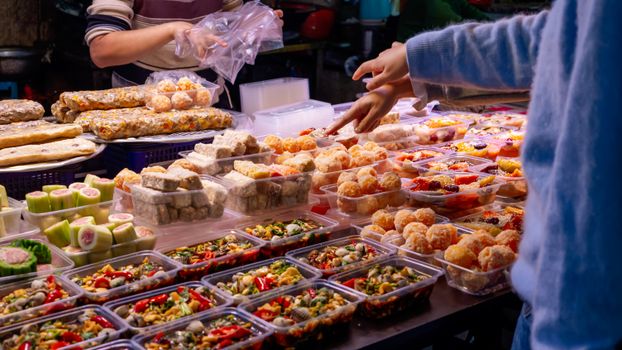
When people pack snacks for a trip, they often assume the worst outcome at customs will be a small fine or a moment of embarrassment. In practice, food rules at borders can be stricter than most travelers expect. The reasons are usually practical: agricultural and customs agencies are trying to keep animal diseases, crop pests and soil organisms from entering a country where they could cause serious damage. Many destinations apply detailed rules, and island nations and major farming countries are often the most cautious. This guide explains which categories of food are most often restricted, why those rules exist, and how to check the current requirements for your destination.
Why food rules exist
Biosecurity is the main concern behind almost every food rule. A cured sausage, a fresh apple or a wedge of soft cheese can carry bacteria, fungal spores, insects or animal pathogens that are harmless where they originated but damaging somewhere else. A disease that does not exist in one country can spread quickly through livestock or crops if it arrives there. For that reason, governments set rules to reduce risk, and they often tighten them after an outbreak elsewhere. Because the rules track disease situations, they can change faster than guidebooks are updated. A product allowed on one trip may be prohibited on the next.
The general principle is simple: declare what you carry, and let the officer decide. Many travelers are surprised to learn that a product being legal to buy at home does not mean it can be taken across a border.
Meat and poultry products
Meat is one of the most commonly restricted categories. This includes fresh, frozen, cured and dried meats, along with products such as jerky, salami, pâté and some ready meals. Rules often depend on the animal species, the country where the product was made and whether it was processed in a way that destroys pathogens. Some destinations allow commercially packaged, shelf-stable items while prohibiting anything homemade, unlabeled or vacuum-packed without a clear origin.
Travelers returning from farms, rural areas or markets abroad should be especially careful. Animal disease controls are typically strictest near livestock, and inspectors may ask detailed questions about where a product was bought. If you are uncertain whether an item is permitted, it is usually safer to leave it behind or to dispose of it in the designated bins before you reach the inspection point.
Dairy and cheese
Dairy rules vary widely. Hard, aged cheeses are often treated more leniently than soft or fresh cheeses, milk and yogurt, which can spoil quickly and may carry pathogens. Some countries accept small quantities for personal use, while others require a veterinary certificate or prohibit all dairy from certain regions. Because the categories are narrow and the exceptions are numerous, it is worth checking the official list rather than relying on general advice from friends or online forums.
Cheese is a common souvenir, so it is worth noting that the same wheel may be allowed in one destination and refused in another. Keeping the original packaging and label can help an officer identify what the product is, and that can make a quick check go more smoothly.
Fresh fruit, vegetables and plants
Fresh produce is frequently restricted because it can carry fruit flies, larvae, soil and plant diseases. Seeds, cuttings, bulbs and soil attached to plants may be treated even more strictly than the fruit itself. Some countries require produce to be declared and inspected at the border, while others prohibit certain items outright. Citrus, stone fruit and tropical produce tend to attract attention in many jurisdictions, though the specific list depends on the destination.
Dried fruit, nuts and processed items are sometimes allowed but may still need to be declared. Sealed, commercially packaged products are generally easier to clear than loose produce from a market stall.
Honey, eggs and specialty items
Honey, bee products and eggs are often restricted because of concerns about bee and poultry diseases. Eggs in particular may be prohibited in some destinations, even when they are commercially packaged. Specialty items can also trigger rules. Herbal teas and traditional remedies containing plant material, animal-derived ingredients and seafood may all need to be checked. Travelers who collect souvenirs should remember that plant-based and animal-based materials are the usual focus, including items made from wood, seeds, feathers or shells.
How to check the rules before you travel
Start with the official agricultural or customs authority for your destination. Many countries publish searchable lists, traveler guides or online declaration tools. Check the rules for your departure country as well, because some places restrict certain products from leaving, and you may also need documentation when returning home. Airline and cruise operators sometimes publish summaries, but the authoritative source is always the border agency itself.
Lists are updated in response to disease events, so check again shortly before departure. If a rule seems unclear, most agencies have contact details for written questions. Keep a note of the reference you were given if you receive written confirmation.
Practical tips
- Declare all food, even if you believe it is allowed. Undeclared items are one of the most common causes of penalties.
- Keep commercially sealed, labeled packaging where possible, and keep receipts for expensive or unusual items.
- Consider buying food at your destination rather than carrying it in, especially perishable products.
- Use food disposal bins before the inspection point where they are provided.
- Pack so that inspection is easy. Officers may ask to see contents, and a tidy bag helps.
- Penalties vary and may include confiscation, fines or delays. Check current rules rather than relying on experiences from earlier trips.
Food is one of the great pleasures of travel, and most visitors never encounter a problem at a border. Understanding the common categories of restriction, checking official guidance and declaring honestly will usually keep a journey smooth. These rules are not designed to punish travelers. They protect farms, wildlife and public health. A few minutes of research before departure is a small investment compared with losing a favorite snack or delaying a connection.