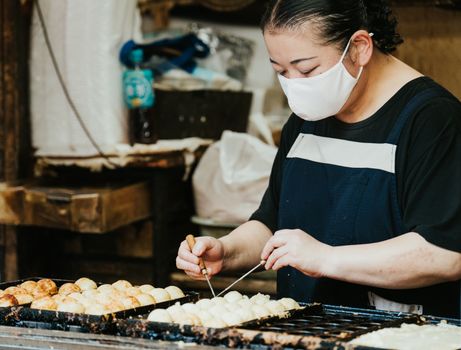
The air crackles with energy. A symphony of sizzling woks, enthusiastic hawkers, and the chatter of a thousand conversations fills your ears. Your nose is tantalized by a chaotic perfume of spices, fresh herbs, roasted meats, and something sweet, something tangy, something utterly unknown. This, my friends, is the magic of a food market – a pulsating heart of local culture, a direct line to a destination's soul.
I remember my first time in Bangkok, wide-eyed and ravenous. I stumbled into a market, drawn by the vibrant chaos, and ordered what I thought was an authentic Pad Thai. It was... fine. A little bland, a little overpriced. Later that week, a local friend pulled me down a narrow alley, past mountains of exotic fruit, to a tiny stall where an elderly woman was stirring a wok over an open flame. The Pad Thai she served was an explosion of flavor – spicy, sweet, sour, crunchy, chewy – a revelation. That moment cemented my lifelong quest: to distinguish the tourist traps from the true hidden gems, to find the authentic flavors that linger in your memory long after the trip ends.
Because let's be honest, for every incredible market experience, there's a potential pitfall. A beautiful facade hiding overpriced, inauthentic fare designed to extract maximum cash from unsuspecting travelers. But fear not, fellow food adventurers! After countless miles, countless meals, and countless conversations with local vendors, I'm here to equip you with the ultimate guide to navigating the world's food markets. Get ready to eat your way to authentic bliss.
The Allure & The Illusion: Why We Love (and Sometimes Loathe) Food Markets
Food markets are more than just places to buy groceries; they are living museums, social hubs, and culinary classrooms. They offer an unparalleled sensory experience: the kaleidoscope of colors from fresh produce, the cacophony of vendors calling out their wares, the intoxicating aroma of sizzling street food, and the opportunity to taste dishes prepared with generations of tradition. They promise a glimpse into local life, a chance to connect with the heartbeat of a city.
However, this very allure can be exploited. As travel becomes more accessible and "foodie culture" explodes, some markets transform, becoming stages rather than authentic marketplaces. They cater to the Instagram aesthetic and the tourist dollar, sometimes losing their soul in the process. The challenge, and the joy, lies in sifting through the spectacle to find the genuine article.
Spotting the Tourist Trap: Red Flags to Watch Out For
Before you dive headfirst into a bustling market, put on your detective hat. Here are some tell-tale signs that you might be entering a tourist trap:
- The English-Only Menu & Aggressive Hawkers: While some English is helpful, if every stall has a laminated menu solely in English, and vendors are aggressively pulling you in, it's a red flag. Locals usually frequent places where they can communicate in their native tongue and aren't constantly badgered.
- Exorbitant Prices (Compared to Local Standards): Do a quick mental check. If a simple snack or meal seems disproportionately expensive for the region you're in, you're likely paying the "foreigner tax." A good rule of thumb: if you see locals haggling fiercely, it's probably a sign prices are inflated for tourists.
- Lack of Local Patrons: This is perhaps the most crucial indicator. If you're surrounded by fellow tourists and hear only foreign languages, you're probably in a tourist-focused zone. Locals know where the good, affordable food is, and they frequent those spots.
- Over-the-Top "Authenticity" & Souvenir Overload: Markets that feel too curated, too clean, or have an overwhelming number of trinket stalls mixed in with the food often prioritize aesthetics and souvenir sales over genuine culinary offerings. Think novelty items over fresh produce.
- Specific Examples to Be Wary Of (and how to navigate them):
- La Boqueria (Barcelona, Spain): Visually stunning, it's become a major attraction. While you can still find incredible fresh produce and quality cured meats, many of the prepared food stalls near the main entrance are overpriced and cater purely to tourists. Tip: Venture deeper into the market, away from the main thoroughfares. Look for the older stalls where locals are buying their daily groceries. The seafood counters are still fantastic, but prepared tapas can be hit-or-miss.
- Borough Market (London, UK): A fantastic market for artisanal produce and gourmet ingredients, but the prepared food sections can be incredibly crowded and expensive. A single sandwich might set you back £10-£15. Tip: Go early on a weekday to avoid the worst crowds. Focus on buying ingredients to cook yourself, or grab a coffee and a pastry from a less prominent stall. It's beautiful, but not always the best for an affordable, authentic meal.
- Pike Place Market (Seattle, USA): Iconic and bustling, known for its fish throwing. It's a genuinely working market with fresh produce and seafood. However, many of the eateries and craft stalls are very tourist-centric and can be pricey. Tip: Enjoy the spectacle, but for a truly local meal, explore the smaller eateries and diners just outside the main market area, or head to the original Starbucks for a quick photo, then find a local coffee shop nearby.
Unearthing the Hidden Gems: Your Treasure Map to Authentic Flavors
Now for the good stuff! Finding these culinary havens requires a little effort, a dash of courage, and an open mind. Here's how to become a market master:
- Follow the Locals (Seriously!): If you see a queue of locals patiently waiting at a particular stall, join it. This is the golden rule. They know best. Observe where families are shopping, where taxi drivers are grabbing lunch, or where elderly women are meticulously selecting their ingredients.
- Go Off-Peak Hours: Tourist traps are often busiest at midday. Hidden gems are buzzing with local activity early in the morning (when ingredients are freshest) or later in the afternoon/early evening (when locals are picking up dinner). An early morning visit often reveals the true essence of a market.
- Venture Beyond the Main Drag: Don't be afraid to explore side alleys, less prominent entrances, or the back sections of a large market. Often, the most authentic and affordable stalls are tucked away from the main tourist paths.
- Learn a Few Local Phrases: Even "Hello," "Thank you," "How much?" and "Delicious!" in the local language can break down barriers and earn you a smile, better service, and sometimes even a better price. It shows respect and genuine interest.
- Look for Freshness and Simplicity: The best food often comes from places that focus on high-quality, seasonal ingredients prepared simply but expertly. Look for vibrant colors, fresh aromas, and dishes that aren't overly complicated.
- Specific Examples of True Gems (or how to find them):
- Mercado de San Juan (Mexico City, Mexico): A truly adventurous market known for exotic meats (crocodile, lion, deer) alongside more traditional fare. It's a working market for local chefs and adventurous foodies. What to eat: Tacos de venado (deer tacos), chapulines (grasshoppers), or simply marvel at the incredible array of produce and meats. Prices are incredibly reasonable for the quality and experience.
- Or Tor Kor Market (Bangkok, Thailand): Often overshadowed by the more chaotic Chatuchak, Or Tor Kor is known for its impeccably fresh, high-quality produce, seafood, and prepared Thai dishes. It's clean, organized, and frequented by middle-class Thais. What to eat: Fresh fruit platters (especially durian!), exquisite curries, vibrant Thai sweets. Expect slightly higher prices than a street stall, but the quality is unmatched. A full meal might be around 100-200 THB.
- Nishiki Market (Kyoto, Japan): While it sees its share of tourists, Nishiki is undeniably a working market deeply ingrained in Kyoto's culinary scene. Many stalls have been run by the same families for generations. What to eat: Pickles (tsukemono), matcha sweets, fresh seafood skewers, small portions of tempura, dashi rolls. Prices vary, but you can sample many small, authentic bites for a few hundred yen each. Don't be afraid to duck into the tiny side streets for even more local finds.
- Markthal (Rotterdam, Netherlands): A modern architectural marvel, Markthal beautifully blends a fresh food market with apartments. While it attracts tourists, it's also a genuine grocery hub for locals. What to eat: Stroopwafels made fresh, high-quality Dutch cheese, fresh seafood from the fish stalls, international street food. You can find everything from a quick lunch for €5-€10 to gourmet ingredients.
The Art of the Market Crawl: Practical Tips for a Flavorful Journey
So you've identified your target. Now, how do you maximize your experience?
- Do Your Homework (But Leave Room for Spontaneity): Research local food blogs, ask your hotel staff (but clarify you want local recommendations, not touristy ones), or check foodie forums. Get a general idea of what to look for, but be open to discovering something unexpected.
- Arrive Hungry (But Not Starving): You want to try a little bit of everything, so pace yourself. Share dishes with travel companions if you can.
- Carry Cash (Small Denominations): Many local stalls are cash-only, and having small bills makes transactions easier and faster.
- Be Adventurous: Point to something that looks good, even if you don't know what it is. Ask for recommendations. Be open to new textures and flavors. This is where the real magic happens!
- Engage with Vendors: A smile, a nod, a simple "thank you" goes a long way. If they're not too busy, ask about their ingredients or how a dish is made. They are often passionate about their craft.
- Hygiene Check: Trust your gut. Look for stalls that appear clean, have fresh ingredients, and where food is cooked to order or kept at appropriate temperatures. A bustling stall with high turnover is usually a good sign.
- Bring Your Own Reusable Bag: Many markets prioritize sustainability, and it's always handy for any delicious finds you want to take home.
My Unforgettable Market Moments
I once found myself in a tiny market in Oaxaca, Mexico, far from the main Zócalo. I was drawn to a stall where an elderly woman, her face a roadmap of wrinkles and smiles, was patting out tortillas by hand. She served me a simple tlayuda – a crispy tortilla topped with black beans, cheese, and avocado. It wasn't fancy, but the warmth of the tortilla, the earthiness of the beans, and the freshness of the avocado, all prepared with such evident love, was pure poetry. We chatted (mostly through gestures and my broken Spanish), and she insisted I try her homemade atole (a warm corn drink). It was a moment of genuine connection over food that transcended language.
Another time, in Ho Chi Minh City's Bến Thành Market (which can be touristy, but has its gems!), I was overwhelmed by the sheer variety. I spotted a vendor meticulously arranging colorful sticky rice desserts. Hesitantly, I pointed. She smiled, picked out a few, and wrapped them in banana leaves. Each bite was a sweet, fragrant surprise – pandan, coconut, taro. It wasn't the most mind-blowing dish, but the joy of discovery and the kindness of the vendor made it an Instagram-worthy memory I still cherish. It taught me that even in busier markets, a little curiosity can lead to delightful finds.
Beyond the Plate: More Than Just Food
Food markets are not just about eating; they are vibrant cultural experiences. They offer incredible photo opportunities – the vibrant hues of spices, the intricate designs of pastries, the animated faces of vendors and shoppers. They are perfect for people-watching, for simply sitting back with a coffee or a fresh juice and soaking in the rhythm of local life.
By seeking out these authentic market experiences, you're not just feeding your stomach; you're feeding your soul. You're supporting local economies, preserving culinary traditions, and creating memories that are far richer and more meaningful than any pre-packaged tour could offer.
The Ultimate Culinary Quest Awaits!
So, the next time you plan a trip, make "explore local food markets" a top priority. Arm yourself with these tips, an adventurous spirit, and an empty stomach. Dare to venture beyond the well-trodden path, follow the tantalizing aromas, and trust your instincts. You might just discover the most unforgettable meal of your life, a hidden gem that will forever define your travel experience.
What's your favorite hidden gem food market? Or perhaps a market experience that totally surprised you? Share your stories and tips in the comments below! Let's inspire each other to eat our way around the world, one authentic bite at a time.