The Hook: A Breath of Living History
I stepped off the train in the Kakheti region of Georgia, and the air didn't just smell like spring; it smelled alive. It was a sharp, vinegary tang mixed with the scent of damp earth and blooming jasmine. I wasn't there for a standard wine tasting. I was there to climb inside a qvevri—a massive, egg-shaped clay vessel buried in the ground—to understand how the world’s oldest fermentation tradition is currently fueling a global culinary revolution.
Fermentation isn't just a TikTok trend involving sourdough starters; it’s a portal into a country’s soul. This spring, travelers are ditching the museums for the "funk." We’re chasing the fizz, the brine, and the bloom. If you’re ready to get your hands dirty and your gut healthy, these five surprising destinations are where the magic is happening right now.
---
1. Georgia: The Cradle of the Qvevri
While the world looks to France for wine, the "cool kids" of the culinary world are heading to the Caucasus Mountains. Georgia is the undisputed birthplace of wine, but their fermentation methods apply to everything from jonjoli (pickled bladdernut flowers) to sulguni cheese.
The Workshop Experience
In the village of Alaverdi, you won't find stainless steel tanks. You’ll find monks who have been fermenting in clay for a millennium. A workshop here involves learning the "skin-contact" method—where white grapes are fermented with their skins, stalks, and pips, resulting in a complex, amber-hued nectar that tastes like dried apricots and smoke.
- Pro-Tip: Don't just focus on the wine. Ask your host about Tkemali (fermented plum sauce). The secret is the "ombalo" (pennyroyal) added at the very end to prevent the sauce from fermenting further in the bottle.
- Insider Language: Refer to the sediment at the bottom of the qvevri as the chacha. It’s the heart of the ferment.
---
2. Denmark: The Nordic Lab Revolution
Copenhagen is the epicenter of the "New Nordic" movement, and fermentation is its heartbeat. This spring, the city is buzzing with workshops that feel more like chemistry labs than kitchens.
The Workshop Experience
Head to the Refshaleøen district. Here, workshops focus on "Lacto-fermentation"—using salt to coax lactic acid bacteria out of seasonal Danish white asparagus and wild ramsons (wild garlic). You’ll learn how to use a vacuum sealer to accelerate the process, a technique popularized by the legendary Noma fermentation lab.
- Pro-Tip: Book a session at "Broaden & Build" or check for pop-ups by former Noma interns. They often host "Garum Workshops" where you’ll learn to ferment koji-based sauces made from roasted bones or even leftover bread.
- The Hidden Entrance: Many of these labs are located in repurposed shipping containers near the harbor. Look for the one with the "fermentation in progress" sign written in chalk—usually behind the Reffen street food market.
---
3. Mexico: Beyond the Taco in Oaxaca
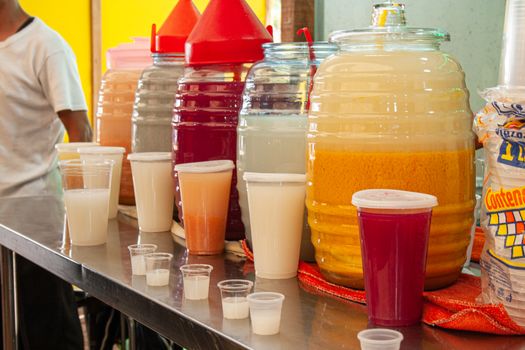
Oaxaca is trending for its mole, but the real spring secret is its fermented beverages. This isn't about tequila; it’s about Tepache, Pulque, and Tejate.
The Workshop Experience
In the Tlacolula Valley, indigenous Zapotec women lead workshops on Tepache—a fizzy, fermented pineapple brew. You’ll learn to balance the sweetness of piloncillo (unrefined cane sugar) with the wild yeasts present on the pineapple rind.
- Pro-Tip: The best workshops happen on market days (Sundays). Look for the "Maestras" who sell their brews from large clay pots covered in fabric.
- Authenticity Note: Real Tepache should have a slight "viscosity" and a head of foam. If it’s too clear, it’s just juice.
---
4. Bulgaria: The Land of the Immortal Bacteria
Bulgaria is often overlooked, but it is the home of Lactobacillus bulgaricus—the specific bacteria that gives yogurt its health-giving properties. In the spring, the Rhodope Mountains are a lush, green paradise perfect for a probiotic pilgrimage.
The Workshop Experience
In the village of Momchilovtsi, the "Yogurt Festival" prep starts in late spring. Workshops here teach you how to "catch" the bacteria from the mountain air using boiled milk and a starter passed down through generations. You’ll also learn to ferment Turshiya—a crunchy, salty mix of spring vegetables that stays crisp all year.
- Pro-Tip: The "hidden entrance" to the best local yogurt is often a literal hole in the wall of a village house with a sign that says "Kiselo Mlyako."
- Quick Fact: Bulgarians consume more yogurt per capita than almost anyone else, and they credit it for their high number of centenarians.
---
5. Sri Lanka: The Coconut Funk
Sri Lanka is seeing a massive travel surge this spring, and its fermentation scene is wild, tropical, and intensely flavorful.
The Workshop Experience
Forget sourdough; we’re talking about Toddy. In the coastal belt near Unawatuna, you can join "Toddy Tappers" who climb coconut trees to collect the sap. You’ll participate in a workshop that shows how this sap ferments within hours into a potent, yeasty alcoholic drink, which is then further fermented into the best coconut vinegar you’ve ever tasted.
- Pro-Tip: Use the fresh coconut vinegar to make Lunu Miris—a fermented onion and chili sambal. The acidity cuts through the heat perfectly.
- Logistics: Most workshops are informal. Ask your guesthouse to connect you with a "Toddy Tapper" for an authentic, non-touristy experience.
---
The Budget & Logistics: Quick Facts
| Country | Workshop Cost (Est.) | Best Time (Spring) | How to Get There |
| :--- | :--- | :--- | :--- |
| Georgia | $60 - $120 | May (Bud break) | Fly to Tbilisi, 2hr drive to Kakheti. |
| Denmark | $150 - $300 | April (Wild Garlic season) | Fly to Copenhagen, take the 2A bus to Reffen. |
| Mexico | $40 - $80 | March (Pineapple peak) | Fly to Oaxaca City, local "Colectivo" taxi to Tlacolula. |
| Bulgaria | $30 - $70 | May (Mountain herbs) | Fly to Plovdiv, 1.5hr drive to Rhodope Mountains. |
| Sri Lanka| $25 - $50 | April (Sinhala New Year) | Fly to Colombo, train to Galle/Unawatuna. |
---
Why Fermentation Travel is the Ultimate Flex
We live in an era of hyper-processed convenience. Choosing to spend your vacation hovering over a bubbling jar of cabbage or a clay pot of grape must is an act of rebellion. It’s a way to reconnect with the "slow" world.
When you return home, you won't just have a souvenir; you’ll have a living, breathing culture in your suitcase (metaphorically—check customs for the literal ones!). You'll know the difference between a commercial pickle and a "living" one. You’ll understand that the best flavors don't come from a spice rack, but from time, salt, and the invisible microbes that inhabit the places we visit.
Ready to bubble?
Pack your apron and an open mind. The world is fermenting, and it’s delicious.
---