Unfiltered Journeys: Profound Experiences Beyond the Feed
I remember standing on a makeshift pier in a small fishing village in Lombok, Indonesia, the air thick with the smell of salt and freshly cut timber. It was just months after a series of devastating earthquakes had flattened homes, schools, and livelihoods across the island. The sun beat down, but the warmth I felt had little to do with the tropical climate. It was the warmth of a hundred smiles, the shared effort of rebuilding, and the quiet dignity of people who had lost everything but their spirit.
This wasn't the Lombok you'd see on a glossy influencer's feed – no infinity pools, no perfectly posed smoothie bowls against a sunset. This was raw, real, and profoundly moving. And it made me realize something crucial: the most impactful, soul-stirring travel experiences often lie far beyond the perfectly filtered, curated narratives dominating our screens. They are the "experiences Instagram influencers don't want you to know" – not because they're dangerous or hidden, but because they're unglamorous, require genuine effort, and offer a depth that can't be captured in a 15-second reel.
Let's be clear: I am not advocating for "disaster tourism" or putting yourself in harm's way. Natural disasters are tragic events that cause immense suffering. My focus here is on the aftermath – the remarkable human spirit that emerges from adversity, the profound connections forged in shared purpose, and the unique perspectives gained by respectfully engaging with communities on their path to recovery. These are the journeys that strip away the superficial, leaving you with indelible memories and a broadened understanding of the world.
1. The Unseen Side of Travel: Beyond the Gloss
We're constantly bombarded with images of pristine beaches, luxury resorts, and perfectly styled adventures. And while there's nothing wrong with enjoying those experiences, they represent just one facet of travel. The "unseen side" is where you truly connect – not just with a place, but with its people and their stories.
Imagine visiting a coastal town in Japan's Tohoku region, years after the devastating 2011 tsunami. You won't find the scars in every selfie, but you'll feel the resilience in every conversation. You might eat at a small, family-run restaurant rebuilt with community support, or visit a memorial where locals share tales of survival and hope. These are not experiences designed for quick likes; they are designed for deep reflection and genuine human connection.
Practical Tip:
Seek out local guides and small businesses in areas that have faced challenges. Your tourist dollars go directly to supporting families and rebuilding local economies, offering a more impactful alternative to large, international chains.
2. Witnessing Resilience: The Human Spirit Unveiled
My journey to Lombok introduced me to Bapak Wayan, a fisherman who lost his home and boat. Yet, every morning, he was there, helping neighbors clear debris, sharing his meager catch, and even cracking jokes. His spirit, like so many others, was unbroken.
Witnessing this kind of resilience is humbling. It makes you re-evaluate your own challenges and appreciate the strength inherent in humanity. You see communities come together, strangers helping strangers, and the sheer determination to not just survive, but to thrive again. This isn't just about rebuilding structures; it's about rebuilding lives, hope, and futures.
Anecdote:
In New Orleans, years after Hurricane Katrina, I visited the Lower Ninth Ward. What struck me wasn't just the lingering signs of the storm, but the vibrant community spirit, the jazz music still flowing from open windows, and the palpable sense of pride in their heritage, despite everything. It was a testament to the fact that culture and community can withstand almost anything.
3. The Power of Community: Hands-On Help and Connection
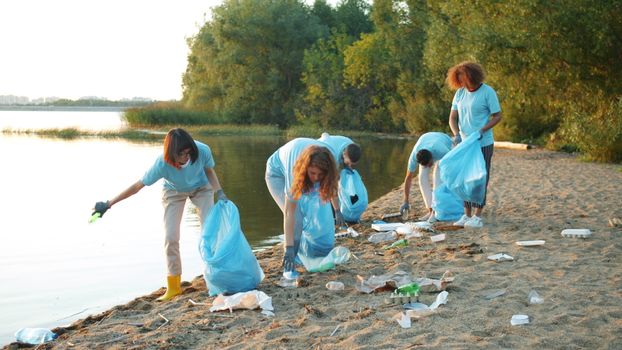
If you truly want to dive deep, consider responsible voluntourism. This isn't about "saving" anyone, but about offering respectful, meaningful support and learning in return. It’s about becoming a temporary part of a community, lending a hand, and understanding their world from the inside out.
I once spent a week with a local NGO in a remote village in the Philippines, helping to construct a typhoon-resistant school. My carpentry skills were, shall we say, "enthusiastic" rather than "expert," but my willingness to learn and work alongside the villagers was appreciated. We shared meals, laughed over language barriers, and by the end, I felt a bond stronger than any I'd formed on a typical vacation. The cost? A modest contribution to the NGO for materials and my own travel expenses, far less than a luxury resort, and infinitely more rewarding.
Actionable Advice for Responsible Voluntourism:
* Research Reputable Organizations: Look for NGOs with a proven track record, clear objectives, and strong local partnerships. Avoid organizations that seem to prioritize volunteer fees over actual impact. Websites like GlobalGiving.org or ReliefWeb are good starting points.
* Be Prepared to Learn: You're there to help their way, not yours. Be open to new methods, cultural norms, and different paces of work.
* Skills Aren't Always Essential: While specific skills (medical, construction, teaching) are valuable, often just a willingness to work hard, listen, and connect is enough.
* Don't Be a Burden: Ensure you're self-sufficient. Bring your own supplies, respect local resources, and be mindful of your impact on the community's infrastructure.
* Long-Term Impact: Focus on sustainable projects that empower local communities, rather than temporary fixes.
4. Nature's Raw Beauty & Our Place In It
Natural disasters are a stark reminder of nature's immense power. But in their wake, they can also reveal a raw, untamed beauty. Landscapes are reshaped, new geological features emerge, and the cycle of life finds a way to adapt and flourish.
Think of volcanic eruptions, which, while destructive, create stunning new landforms, black sand beaches, and fertile soil for future growth. Or the way a forest fire, though devastating, clears the way for new saplings and a re-invigorated ecosystem. Visiting these areas, once the immediate danger has passed and recovery is underway, offers a profound lesson in humility and the cyclical nature of our planet.
Specific Example:
Visiting the Mount Bromo region in Indonesia after an eruption clears the ash and the landscape begins to green again. The stark, alien beauty of the volcanic caldera, combined with the vibrant life returning, is a truly unique visual experience that speaks volumes about nature's power of renewal. You might hire a local jeep driver (supporting local tourism) to navigate the terrain, learning about the geological history and the local Tenggerese people's spiritual connection to the volcano. Prices for tours typically range from $30-$100 depending on duration and inclusions.
5. Learning Through Loss: Profound Perspectives
When you engage with people who have faced immense loss, your own perspective on life inevitably shifts. You learn what truly matters: family, community, health, and hope. The trivial concerns of daily life often fade into insignificance.
I once met a woman in a coastal town in Sri Lanka, years after the 2004 tsunami. She had lost her entire family but had dedicated her life to helping other children orphaned by the disaster. Her capacity for love and compassion, even after such tragedy, was boundless. She spoke of finding purpose in pain, of turning her sorrow into a wellspring of hope for others. These are the stories that stay with you, shaping your own values long after your journey ends.
Personal Story:
After a hurricane swept through a small island in the Caribbean, I volunteered with a group helping to clear debris. One evening, an elderly woman whose roof had been torn off invited us to share her meager dinner of rice and beans. She had so little, yet offered it all with a grace and generosity that moved me to tears. It was a powerful lesson in true hospitality and the human capacity for giving, even when faced with deprivation.
6. Responsible Engagement: How to Help, Not Hinder
The key to these experiences is responsible engagement. Your presence should always be a help, never a hindrance.
- Respect Local Culture and Grief: Understand that people may still be grieving or dealing with trauma. Be sensitive, listen more than you speak, and always ask permission before taking photos.
- Support Local Economies: When traveling to recovering areas, spend your money locally. Eat at local restaurants, stay in locally-owned guesthouses, and buy souvenirs directly from local artisans. This directly injects money into the hands of those who need it most.
- Avoid "Poverty Porn": Do not sensationalize suffering or exploit people's vulnerability for social media likes. If you share, do so with respect, focusing on resilience, hope, and the positive impact of aid or community efforts.
- Stay Informed: Before you go, understand the current situation. Is it safe for tourists? Are resources already strained? Your visit should not divert essential resources from the recovery effort. Check official government travel advisories and reputable news sources.
- Donate Wisely: If you want to help financially, donate to established, transparent organizations with a strong presence on the ground. Cash donations are often more flexible and effective than unsolicited material goods.
The True Meaning of Travel
These are the unfiltered, raw, and deeply human experiences that Instagram influencers, with their focus on aesthetics and personal branding, often miss. They don't fit neatly into a grid, but they fit perfectly into the fabric of a life well-lived and a mind well-traveled. They are the moments that challenge you, inspire you, and ultimately, change you.
So, next time you plan a trip, consider looking beyond the glossy brochures and curated feeds. Seek out the places where the human spirit shines brightest, where communities are rebuilding, and where your presence, however small, can make a meaningful difference. These aren't just trips; they are journeys of transformation.
---
Ready to embark on a journey that truly matters?
Research reputable NGOs, explore destinations known for their incredible resilience, and discover how you can contribute to positive change while experiencing the world in a profound, authentic way. Share your own stories of meaningful travel using #TripsoraUnfiltered and inspire others to look beyond the surface!
---