The Call of the Wild: Why We Crave the Extreme (Responsibly)
There’s a primal hum deep within many of us, a restless spirit that whispers, “Is this all there is?” We scroll through endless feeds of picturesque beaches and charming cafes, and while delightful, sometimes we yearn for something more… something raw. Something that makes our heart pound, our breath catch, and our very existence feel profoundly, vibrantly alive.
I’ve felt it countless times. It’s the feeling that led me to the edge of a cliff in Norway, peering down at the fjord below, or to the quiet majesty of a desert night where the stars felt close enough to touch. This isn't about flirting with danger for danger's sake, nor is it about seeking out the devastation of natural disasters – events that bring unimaginable suffering and loss, and which are never, ever tourist attractions. True adventure is about confronting your own limits in a controlled, respectful, and deeply enriching way. It’s about challenging yourself against the backdrop of Earth's most magnificent, formidable landscapes, emerging not just with incredible stories, but with a profound understanding of your own strength and the planet’s awe-inspiring power.
At Tripsora, we believe in experiences that transform you. That’s why I’ve curated a list of seven extreme adventures – journeys that demand courage, resilience, and a touch of madness – that you absolutely need to experience before you die. These aren't about chaos; they're about conquest – of mountains, of oceans, of deserts, and most importantly, of yourself.
---
1. Conquer the Roof of Africa: Kilimanjaro's Majestic Summit
The Experience:
Imagine standing above the clouds, the sun rising over the vast African plains, casting an ethereal glow on the world below. Your legs ache, your lungs burn, but a triumphant surge of adrenaline floods your veins. You've just summited Mount Kilimanjaro, Africa's highest peak and the world's tallest free-standing mountain. This isn't just a hike; it's a multi-day trek through diverse ecosystems – from lush rainforests to alpine deserts and arctic-like glaciers – culminating in a grueling but immensely rewarding final ascent.
Why it's Extreme:
While not a technical climb, Kilimanjaro's challenge lies in its altitude (5,895 meters or 19,341 feet) and the sheer physical and mental endurance required. Acclimatization is key, and the "pole pole" (slowly, slowly) pace is crucial. The final push to Uhuru Peak, often starting around midnight, tests every fiber of your being.
My Anecdote:
"I remember the final night push on the Marangu route. The air was thin, the cold biting, and all you could see was a winding string of headlamps snaking up the volcanic scree. Every step felt like a battle, but then the first hint of dawn painted the sky, and the horizon opened up to reveal the curvature of the Earth. Tears welled up – not just from the cold, but from the sheer, overwhelming beauty and the realization of what my body and mind had just achieved. It was pure, unadulterated triumph."
Practical Tips & Details:
* Location: Tanzania, East Africa.
* Duration: 5-9 days, depending on the route. The longer routes (e.g., Lemosho, Machame) offer better acclimatization.
* Cost: Expect to pay $2,000 - $4,000 USD, covering park fees, guides, porters, and food. Always choose a reputable tour operator committed to porter welfare.
* Training: Focus on cardio, leg strength, and long hikes with a weighted pack for at least 3-6 months prior.
* Gear: Essential items include layered clothing, waterproof outer shells, sturdy hiking boots, a good sleeping bag, and a headlamp.
* Instagram-Worthy Moment: The iconic sign at Uhuru Peak, with the vast cloudscape stretching behind you. #KilimanjaroSummit #RoofOfAfrica #PeakPerformance
---
2. Dive into the Abyss: Cage Diving with Great White Sharks
The Experience:
Imagine being submerged in the frigid, dark blue ocean, a mere few feet of steel separating you from one of the planet's most formidable predators. Suddenly, a massive shadow glides into view, sleek and powerful, its black eyes fixing on you. The Great White Shark. This isn't a passive observation; it's an intense, heart-stopping encounter that redefines your understanding of nature's raw power.
Why it's Extreme:
The sheer proximity to such a powerful apex predator, combined with the deep, open ocean environment, creates an unparalleled adrenaline rush. While you are safe within the cage, the primal fear is very real and incredibly exhilarating.
My Anecdote:
"The first time I saw a Great White up close, its sheer size took my breath away – literally, I gasped and swallowed a mouthful of seawater! It wasn't the monster from Jaws; it was a creature of incredible grace and power, a perfect hunter. Its eye, dark and ancient, seemed to look right through me. That moment, suspended between fear and absolute awe, was a profound reminder of who truly rules the ocean."
Practical Tips & Details:
* Location: Gansbaai, South Africa (one of the best spots globally); Port Lincoln, Australia; Guadalupe Island, Mexico (for warmer water and clearer visibility).
* Best Time: April to October in South Africa for peak shark activity.
* Cost: Tours range from $150 - $500 USD per person for a day trip, including equipment and often meals.
* Requirements: No prior diving experience is usually required as it's surface-supplied air. Just a strong stomach and a sense of adventure!
* Safety: Always choose operators with impeccable safety records and ethical practices regarding baiting and shark welfare.
* Instagram-Worthy Moment: A wide-angle shot from inside the cage, with the shark gliding past, or a dramatic surface shot of a shark breaching. #GreatWhiteShark #CageDiving #OceanPredator #DeepBlueAdventure
---
3. Traverse the Ice: A Polar Expedition to Antarctica or the Arctic
The Experience:
Step into a world of pristine, otherworldly beauty, where colossal icebergs shimmer in iridescent blues, and the silence is so profound it hums. Whether you're navigating the icy channels of Antarctica, surrounded by penguins and whales, or dog-sledding across the frozen tundras of the Arctic, this is an encounter with Earth's most extreme and untouched wildernesses. It's a journey into a realm where nature reigns supreme and humanity feels wonderfully insignificant.
Why it's Extreme:
The intense cold, the isolation, and the unpredictable nature of ice and weather make polar expeditions inherently challenging. Travel often involves navigating rough seas or remote, vast landscapes. It's a test of preparedness, resilience, and adaptability.
My Anecdote:
"Standing on the deck of our expedition ship in Antarctica, watching a pod of humpback whales breach against a backdrop of towering, sculpted icebergs was a moment of pure magic. The air was crisp, the light ethereal, and the feeling of being in such a remote, wild place was utterly intoxicating. Later, a zodiac brought us ashore to a colony of tens of thousands of penguins – the cacophony, the chaos, the sheer life force in such an unforgiving environment was astonishing. It felt like visiting another planet."
Practical Tips & Details:
* Location: Antarctic Peninsula (expedition cruises from Ushuaia, Argentina) or various Arctic regions (Svalbard, Greenland, Canadian Arctic, Alaska).
* Best Time: Antarctic summer (November-March); Arctic summer (June-August).
* Cost: This is a significant investment. Antarctic cruises typically range from $5,000 - $20,000+ USD for 10-20 days. Arctic expeditions can vary widely based on activity (dog sledding, cruise, etc.) but are similarly priced.
* Preparation: Invest in high-quality cold-weather gear, including layers, waterproof outer shells, and insulated boots. Be prepared for seasickness if cruising.
* Activities: Zodiac cruises, kayaking, hiking, wildlife viewing (penguins, seals, whales, polar bears in the Arctic).
* Instagram-Worthy Moment: A selfie with a backdrop of a massive iceberg, a close-up of a curious penguin, or the northern lights dancing over an icy landscape. #PolarExpedition #Antarctica #ArcticAdventure #IceWorld #ExtremeTravel
---
4. Trek the Ancient Paths: Multi-Day Wilderness Survival in the Australian Outback
The Experience:
Picture this: days spent under a relentless sun, navigating vast, ancient landscapes that stretch to the horizon, the only sounds the crunch of your boots and the wind whispering through sparse vegetation. Nights are spent under a canopy of stars so bright and numerous they defy description, with the primal crackle of a campfire for company. A multi-day, self-sufficient trek through the Australian Outback is not just a hike; it’s an immersion into an ecosystem forged over millennia, a test of self-reliance, and a profound journey into solitude.
Why it's Extreme:
The Outback's extreme temperatures, vast distances, limited water sources, and potentially dangerous wildlife (though often shy) demand meticulous planning, excellent navigation skills, and a high degree of physical and mental fortitude. It’s about truly disconnecting and relying on your own resources.
My Anecdote:
"There was a moment during my five-day trek through the Larapinta Trail near Alice Springs when I hadn't seen another soul for 48 hours. The silence was absolute, broken only by the buzz of flies and my own breathing. I felt utterly alone, yet completely connected to the ancient land around me. The vibrant red earth, the ghost gums, the vast, empty sky – it strips away all pretenses and leaves you with nothing but your own core self. It was both humbling and incredibly empowering."
Practical Tips & Details:
* Location: Larapinta Trail (Northern Territory), Flinders Ranges (South Australia), Cape to Cape Track (Western Australia), or guided expeditions into more remote areas.
* Best Time: Australian winter (May-September) to avoid extreme summer heat.
* Cost: Self-guided treks can be relatively inexpensive (permit fees, food, gear). Guided expeditions (recommended for true remote areas) can range from $1,500 - $5,000+ USD for multi-day trips.
* Preparation: Intense physical conditioning, navigation skills (GPS, map & compass), knowledge of bushcraft, and carrying all your water and supplies. Never go alone into truly remote areas without proper experience and a satellite communication device.
* Gear: Lightweight, durable pack, plenty of water (and filtration), sun protection (hat, sunscreen), sturdy boots, first-aid kit, emergency beacon.
* Instagram-Worthy Moment: A silhouette shot against a fiery Outback sunset, the Milky Way blazing overhead, or a dramatic panorama of the endless red landscape. #AustralianOutback #WildernessTrek #LarapintaTrail #SelfReliance #RemoteAdventure
---
5. Face the Fire: Summiting an Active (But Safe!) Volcano
The Experience:
Imagine hiking up the flanks of a mountain, not to reach a snowy peak, but to peer into the fiery heart of the Earth. The air crackles with energy, a faint smell of sulfur hangs heavy, and then, as you reach the rim, you witness a spectacle of nature's raw power: a bubbling lava lake, or incandescent ash plumes painting the night sky. This is volcano trekking, an experience that combines strenuous hiking with the thrill of being in the presence of a living, breathing geological marvel.
Why it's Extreme:
While these are carefully chosen, actively monitored volcanoes deemed safe for tourism, the inherent unpredictability of volcanic activity and the challenging terrain (often steep, rocky, and exposed) make it an extreme adventure. The atmosphere is charged with a palpable sense of geological power.
My Anecdote:
"My hike up to the crater of Stromboli in Italy was unforgettable. We started in the late afternoon, winding our way through lush vegetation, then onto black volcanic sand. As dusk fell, the sky turned inky black, and then, with a deep rumble, the volcano erupted! Fiery red lava bombs shot into the air, tracing arcs against the stars, before tumbling down the 'Sciara del Fuoco' into the sea. It was a visceral, awe-inspiring display of Earth's power, a reminder that our planet is alive and constantly reshaping itself."
Practical Tips & Details:
* Location: Stromboli (Italy), Pacaya (Guatemala), Mount Bromo (Indonesia), Erta Ale (Ethiopia - more extreme and remote). Always check current activity levels and safety warnings.
* Best Time: Dry season for easier hiking, but night views of lava are often the most spectacular.
* Cost: Guided tours range from $50 - $500 USD, depending on the volcano's accessibility and duration of the trip.
* Requirements: Good physical fitness, sturdy hiking boots, and often a local guide is mandatory. Be prepared for sulfur fumes (a scarf or mask can help).
* Safety: Only go with experienced, certified guides who monitor volcanic activity. Never stray from marked paths.
* Instagram-Worthy Moment: A long-exposure shot of lava spewing against a starry sky, your silhouette against a glowing crater, or the dramatic volcanic landscape at sunrise. #VolcanoTrek #LavaLake #EarthsPower #ExtremeNature #Stromboli
---
6. Navigate the Rapids: Class V Whitewater Rafting Expedition
The Experience:
Picture this: you're crammed into an inflatable raft with a team of strangers, paddling furiously, as your guide barks commands over the roar of a monstrous river. Towering waves crash over the bow, soaking you to the bone, as the raft plunges down a steep drop, spins, and then surges forward, everyone screaming with a mix of terror and exhilaration. A multi-day Class V whitewater rafting trip is a symphony of adrenaline, teamwork, and raw natural power.
Why it's Extreme:
Class V rapids are considered "expert" or "extremely difficult," featuring large, unavoidable waves, powerful hydraulics, steep drops, and complex maneuvers. There’s a very real risk of capsizing, and the cold water and powerful currents demand strong swimming skills and quick reflexes.
My Anecdote:
"The Zambezi River, below Victoria Falls, delivered an experience I'll never forget. Rapid after rapid, each with a name like 'The Washing Machine' or 'Oblivion,' tested our limits. At one point, we flipped in a massive wave. The icy water hit me like a shock, disorienting me for a second, but then instinct kicked in. I fought my way to the surface, grabbed onto a rope, and was pulled back into the raft, heart pounding, laughing uncontrollably. It was terrifying, exhilarating, and an incredible bonding experience with my fellow rafters."
Practical Tips & Details:
* Location: Zambezi River (Zimbabwe/Zambia), Futaleufú River (Chile), Grand Canyon (Colorado River, USA - multi-day trips are epic), Gauley River (West Virginia, USA).
* Best Time: Varies by river. For Zambezi, it's typically August-December for lower water/bigger rapids.
* Cost: Day trips can be $100-$300 USD. Multi-day expeditions (like the Grand Canyon) can range from $2,000-$6,000+ USD.
* Requirements: Good swimming ability, reasonable fitness, and a willingness to follow guide instructions. Age restrictions usually apply.
* Safety: Always go with highly experienced, certified guides and operators. Wear a properly fitted life vest and helmet.
* Instagram-Worthy Moment: A wide-angle action shot of the raft plunging into a massive wave, a group selfie covered in river water, or the stunning canyon scenery from the river level. #WhitewaterRafting #ClassVRapids #ZambeziRiver #AdrenalineRush #RiverAdventure
---
7. Float Above the World: High-Altitude Paragliding in the Himalayas
The Experience:
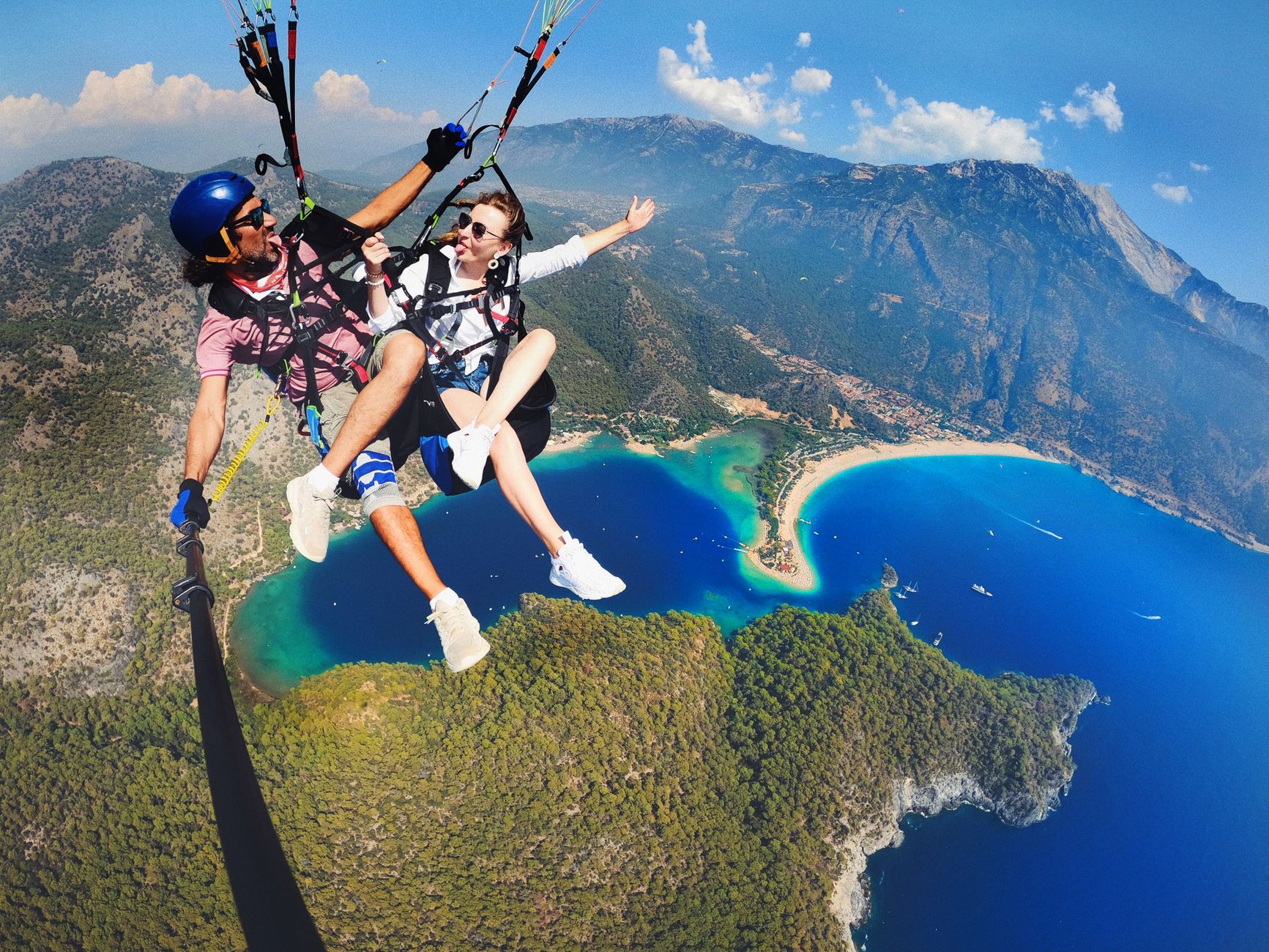
Imagine launching yourself off a mountain slope, not in a plane, but strapped into a harness beneath a massive fabric wing, the wind rushing past your ears. Below you, the world unfolds in a breathtaking tapestry of snow-capped peaks, verdant valleys, and winding rivers. You're soaring like an eagle, with the mighty Himalayas as your backdrop, suspended in serene silence thousands of feet above the Earth. This is tandem paragliding at its most epic.
Why it's Extreme:
While flying tandem with an experienced pilot makes it relatively safe, the sheer height, the exposure to the elements, and the sensation of being utterly free in the vastness of the sky are profoundly extreme. The launch and landing can be exhilaratingly abrupt.
My Anecdote:
"My paragliding experience in Bir Billing, India, was pure magic. The launch felt like stepping off the edge of the world, and then suddenly, we were airborne. The air was cool and crisp, and the panoramic views of the Dhauladhar range were simply unreal. It wasn't just a flight; it was a meditation. We circled with eagles, drifted silently over tiny villages, and for those 30 minutes, I felt an indescribable sense of freedom and perspective. The world below seemed so small, and my worries even smaller."
Practical Tips & Details:
* Location: Bir Billing (Himachal Pradesh, India - often called the 'Paragliding Capital of India'), Pokhara (Nepal - with views of Annapurna), Lauterbrunnen (Switzerland), Oludeniz (Turkey).
* Best Time: Bir Billing: March-May and October-November for best thermals and clear skies.
* Cost: Tandem flights typically range from $50 - $200 USD, depending on location and flight duration.
* Requirements: A sense of adventure, ability to run a few steps during launch/landing. No prior experience needed for tandem flights.
* Safety: Always choose certified, experienced pilots and reputable companies. Check their safety records and equipment.
* Instagram-Worthy Moment: A selfie with the vast mountain range behind you, a dramatic shot of your feet dangling thousands of feet above the valley, or a wide-angle video showing the panoramic views. #Paragliding #HimalayanAdventures #BirBilling #FlyHigh #ExtremeSports
---
Your Adventure Awaits: Choose Your Own Extreme
The world is full of incredible, life-affirming challenges that can push your boundaries and expand your horizons in ways you never imagined. These aren't about seeking out tragedy or chaos; they're about embracing the wild, untamed spirit of our planet and discovering the wild, untamed spirit within yourself.
Whether it’s scaling a majestic peak, diving deep into the ocean's mysteries, or soaring above ancient landscapes, these are the experiences that forge indelible memories, build unbreakable confidence, and connect you to the raw, pulsating energy of life itself.
So, what are you waiting for? Stop dreaming and start planning. Which extreme adventure will you conquer first? Share your ultimate bucket list adventures with us on social media using #TripsoraExtreme and inspire fellow travelers to step outside their comfort zones. The greatest stories are not just told, but lived.
---