The Silent Revolution on the Waterfront
I stepped off the Vaporetto at San Zaccaria at 7:45 AM on a crisp July morning, braced for the usual summer chaos. In years past, this exact spot felt like a transit funnel for 30,000 cruise line passengers spilling out of steel towers sixteen stories high. The air used to smell of heavy bunker fuel mixed with exhaust; the sound was an incessant drone of diesel engines competing with megaphone tours barking in four languages.
This morning, though, I heard something I hadn’t heard in Venice for two decades: the rhythmic splash of a wood-paddle gondola scraping gently against moss-covered brick, followed by the distant laughter of a barista setting up cafe chairs across the canal. The air tasted clean—sharp with sea salt, damp ozone, and the rich aroma of freshly pulled dark roast espresso blowing out of Caffè del Doge.
The megaships are gone. And the world’s most iconic ports haven't collapsed—they’ve woken up.
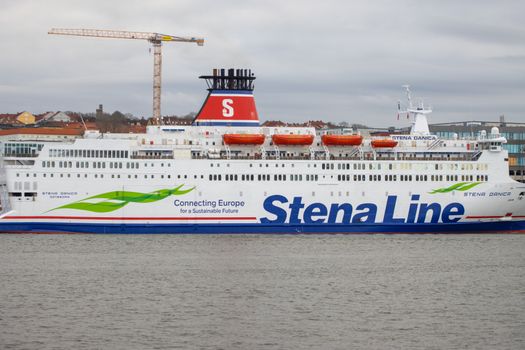
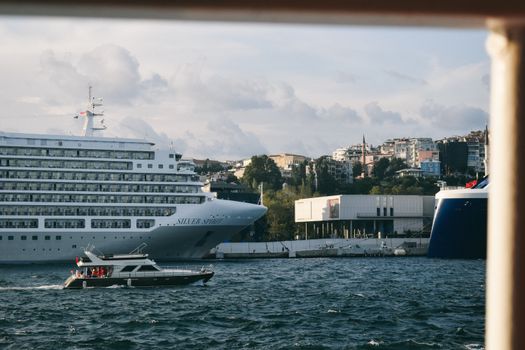
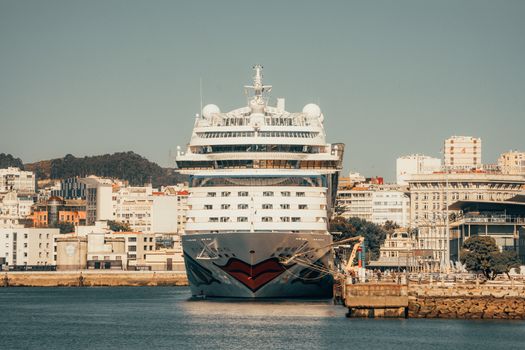
For decades, maritime tourism operated under a model of unchecked volume. But between 2024 and mid-2026, a critical mass of coastal strongholds reached their tipping point. Municipalities took radical legislative action, banning large vessels, enforcing stringent passenger caps, or relocating docking terminals far outside historic cores.
If you are planning your summer escape for July 2026, traveling to a port that restricted big ships isn't just an eco-conscious choice—it is the single best way to experience these legendary destinations as they were meant to be enjoyed. Here are six extraordinary places thriving in a post-megaship era.
---
1. Venice, Italy: The Quiet Lagoon Renaissance
```
~ ~ ~ VENICE CANAL ZONE - DIESEL-FREE ~ ~ ~
[Historic Center] <-- 0 Mega Ships Allowed
[Marghera Industrial Port] <-- Rerouted Heavy Vessels
```
When Italy banned cruise ships exceeding 25,000 gross tons from navigating the San Marco Canal and the Giudecca Canal, critics warned of economic freeze. Instead, July 2026 reveals a glorious Venetian rebirth. The absence of mass-displacement hulls has slowed underwater foundation erosion along the historic pilings, and San Marco Square is once again a place for strolling rather than survival.
The Atmosphere Now
Without 6,000-passenger floating hotels looming over the Doge’s Palace, the scale of Venice feels human again. Morning light bounces off smooth stucco in pastel pinks and ochres without being blocked by steel superstructures. You can actually hear the chatter of locals buying branzino at the Rialto Fish Market.
How to Experience It Like a Local
Head into the quiet district of Castello. Skip the overpriced gelato stands near San Marco and wander toward Osteria al Squero overlooking the historic gondola repair yard. Order a plate of cicchetti—crispy crostini topped with whipped salted cod (baccalà mantecato)—and wash it down with a €2 glass of cold Tocai Friulano.
- Pro-Tip: Book your entry to the Fondaco dei Tedeschi rooftop terrace at exactly 8:00 AM (reservations open 21 days prior). You’ll get a 360-degree panorama of the Grand Canal bathed in soft morning light, completely free of crowds.
- The Nuance: Small river-cruises and micro-yachts (under 25k tons) still dock far off at Marghera or Fusina, but they transfer guests via electric tenders, keeping the inner lagoon serene.
---
2. Dubrovnik, Croatia: Medieval Magic Unleashed
Dubrovnik’s UNESCO-protected Old Town was once ground zero for overtourism, where up to five mega-cruisers dumped nearly 10,000 visitors simultaneously into a walled area smaller than 100 acres. Through its aggressive "Respect the City" initiative and a strict 2026 cap limiting port calls to a maximum of two ships per day (capped at 4,000 total passengers timed strictly via digital passes), the "Pearl of the Adriatic" has reclaimed its dignity.
```
DUBROVNIK WALL PASSAGE
[Ploče Gate] -> Smooth Flow (Early AM)
[Pile Gate] -> Standard Access Point
[Old Town] -> Max 4,000 Cruise Visitors / Day
```
The Atmosphere Now
The sun-polished limestone of the Stradun shines like glass under the midday sun, but you no longer have to shoulder your way through tour groups carrying color-coded umbrellas. The scent in the air is wild rosemary from Mount Srđ and freshly grilled sardine fillets rubbed with cold-pressed Dalmatian olive oil.
How to Experience It Like a Local
Skip the midday heat entirely. Enter the City Walls at 7:30 AM through the Ploče Gate (the east entry, which avoids the lines at Pile Gate). Walk the perimeter counter-clockwise to capture the morning light reflecting off the terracotta roof tiles. By 11:00 AM, seek shelter inside the medieval stone alleyways of the Prijeko neighborhood.
- Pro-Tip: Take the tiny 10-minute local ferry to Lokrum Island at 1:00 PM when the town heats up. The island has a quiet botanical garden, peacocks roaming freely, and rock shelves where you can dive into deep turquoise water.
- Local Culinary Highlight: Order Crni Rižot (squid ink risotto cooked with garlic and white wine) at Kamenice in Gundulić Square.
---
3. Bar Harbor, Maine: Acadia’s Coastal Reset
In late 2022, the residents of Bar Harbor voted for an audacious citizen-led initiative: cap the number of cruise ship passengers disembarking daily at just 1,000 people. Despite legal challenges from port operators, the limits were fully cemented for the summer season of 2026.
```
ACADIA / BAR HARBOR PROFILE
+-------------------------------------+
| Old Model: 4,000+ per ship (Crowded)|
| 2026 Model: 1,000 Daily Limit (Calm) |
+-------------------------------------+
```
The Atmosphere Now
Bar Harbor in July used to mean bumper-to-bumper tour buses along Main Street and long delays at Acadia National Park’s iconic trailheads. Today, it has reverted to a quintessential New England maritime village. The air smells of wet spruce needles, woodsmoke from lobster pots, and salty ocean mist rolling off Frenchman Bay.
How to Experience It Like a Local
Forget driving to the summit of Cadillac Mountain during peak hours. Rent a gravel e-bike from Bar Harbor Bicycle Shop on Cottage Street at 6:30 AM. Glide quietly along the crushed-stone Carriage Roads built by John D. Rockefeller Jr., looping around Eagle Lake before the park shuttle buses begin their runs.
- Pro-Tip: Skip the crowded harborfront lobster shacks. Drive or take the Island Explorer shuttle 20 minutes south to Thurston’s Lobster Pound in Bernard. Sit on the covered dock over Bass Harbor, order a 1.5-pound soft-shell lobster with drawn butter and a side of blueberry pie, and watch working lobster boats unload their daily catch.
- Best Time to Visit: Mid-July afternoons, when warm sea breezes clear out morning fog banks.
---
4. Amsterdam, Netherlands: Reclaiming the IJ Waterfront
Amsterdam’s city council took bold action by voting to close the Passenger Terminal Amsterdam (PTA) near the central train station and phase out ocean cruise ships entirely from the city center. By July 2026, large maritime vessels are rerouted to ports miles away (like IJmuiden), requiring secondary transit into the capital.
```
AMSTERDAM WATERWAY SHIFT
[Central Station] <--- NO MORE CRUISE DOCKING ---> [IJ River]
|
Relocated 30km West to IJmuiden
```
The Atmosphere Now
The historic canal ring (Grachtengordel) is no longer flooded by daily swarms of 4,000 short-stay visitors rushing through red-light district tours before their 5:00 PM ship departure. The city feels localized again, dominated by the whir of bicycle bells and the sweet scent of warm, cinnamon-dusted stroopwafels.
How to Experience It Like a Local
Rent an electric whisper-boat from EcoBoats near the Buiksloterweg ferry in Amsterdam-Noord. Navigate through the lesser-known Westerdok and Prinsengracht canals early in the morning. Stop your boat at Winkel 43 in the Jordaan neighborhood right as they open at 8:00 AM for their world-famous, deep-dish Dutch apple pie (appeltaart) served with thick whipped cream.
- Pro-Tip: Swap the overcrowded Rijksmuseum queue for the Museum Van Loon, a magnificent 17th-century canal house with a hidden, tranquil formal garden in the back that feels world’s away from urban traffic.
- Sustainable Transit Note: Use the free city ferries across the IJ River to explore Noord, Amsterdam's booming arts district.
---
5. Santorini, Greece: Protecting the Caldera’s Rim
In response to infrastructure strain that saw up to 18,000 cruise passengers per day descending on an island of just 15,000 residents, Greece instituted a strict €20 per-passenger entry fee and an enforced cap of 8,000 cruise visitors per day for Santorini, controlled via mandatory timed-entry booking systems.
```
SANTORINI CALDERA CAPACITY
[Pre-2025] ||||||||||||||||||| 18,000/day (Gridlock)
[July 2026] ||||||||| 8,000/day (Managed Cap)
```
The Atmosphere Now
The cliffside walkways of Fira and Oia are no longer wall-to-wall gridlock during peak hours. While Santorini remains a top-tier world destination, the daily entry limits allow visitors staying on the island to actually see the whitewashed volcanic architecture and basalt rock faces without standing in hour-long pedestrian traffic jams.
How to Experience It Like a Local
Base yourself away from the rim in the inland medieval village of Pyrgos. Its narrow, labyrinthine alleyways, stone arches, and quiet churches receive a fraction of the coastal crowds.
- Pro-Tip: Instead of joining the selfie-stick crowds in Oia for sunset, book a wine tasting at Santo Wines on the edge of Pyrgos at 6:30 PM. Sip bone-dry, mineral-rich Assyrtiko wine grown in the island's unique circular vine nests (kouloura) while watching the sun sink into the Aegean Sea in relative peace.
- Insider Route: Hike the scenic 6-mile path between Imerovigli and Oia at 6:00 AM. You’ll have the jaw-dropping caldera views entirely to yourself as the morning sun paints the cliffs in gold.
---
6. Juneau, Alaska: Wild Solitude on the Inside Passage
In 2024, Juneau city officials and major cruise lines reached a landmark agreement: a strict daily limit capping cruise passengers, accompanied by a total ban on large cruise ships on Saturdays starting in 2026. This gives the city, its wilderness, and its residents a dedicated weekly day of quiet ("Ship-Free Saturdays").
```
JUNEAU WEEKLY SCHEDULE (2026)
Mon - Fri: Capped Vessel Entry (Max 5 Ships)
Saturday: TOTAL SHIP BAN (Wilderness Restoration Day)
Sunday: Controlled Turnaround Operations
```
The Atmosphere Now
On Saturdays in July 2026, Juneau transforms into a serene frontier capital. Marine life along the Gastineau Channel isn't disrupted by constant vessel noise, and the trails surrounding Mendenhall Glacier return to peaceful wilderness corridors where you hear wind rustling spruce needles and eagles calling overhead.
How to Experience It Like a Local
Target your visit specifically for Friday evening through Sunday morning to capitalize on the ship-free window. Rent a kayak from Alaska Kayak Academy and paddle across Fritz Cove at high tide. You stand a high chance of spotting humpback whales and harbor seals feeding in water unperturbed by commercial ship traffic.
- Pro-Tip: Skip the high-volume downtown crab shacks catered to port crowds. Take an Uber or local transit to Douglas Island and grab a table at The Island Pub. Order a wood-fired salmon pizza washed down with a cold draft of Spruce Tip Ale from Alaskan Brewing Company.
- Trail Recommendation: Hike the Perseverance Trail, a lush green canyon route leading past historic gold mine ruins and tumbling waterfalls, located just minutes from downtown Juneau.
---
Logistics & Budget Comparison: Summer 2026
To help you plan your trip, here is a quick overview of costs, entry mechanics, and travel strategies for these post-cruise-ban destinations during July 2026:
| Destination | Cruise Ban / Cap Status (2026) | Avg. Daily Budget ($ USD)* | How to Get There | Best Time for Zero Crowds |
| :--- | :--- | :--- | :--- | :--- |
| Venice, Italy | Ships >25k tons banned from San Marco/Giudecca | $180 - $320 | High-speed train (Frecciarossa) to Stazione Santa Lucia | 7:00 AM – 9:30 AM |
| Dubrovnik, Croatia | Capped at 2 ships/day (max 4,000 visitors total) | $150 - $270 | Direct flights to DBV or ferry from Split | 7:30 AM (City Walls) |
| Bar Harbor, USA | Strict 1,000 disembarking passengers/day cap | $160 - $290 | Fly to Bangor (BGR) + 1-hr car rental/shuttle | Sunrise at Carriage Roads |
| Amsterdam, Netherlands | Main central terminal (PTA) closed to ocean liners | $190 - $340 | Eurostar train or flight to Schiphol (AMS) | 8:00 AM in Jordaan |
| Santorini, Greece | Max 8,000 cruise visitors/day + €20 entry fee | $220 - $450 | Domestic flight from Athens (ATH) or blue star ferry | 6:30 AM Caldera Hike |
| Juneau, Alaska | Daily passenger cap + Total ban on Saturdays | $200 - $380 | Flight to Juneau (JNU) via Seattle (SEA) | All Day Saturday |
\*Includes boutique hotel accommodation (mid-range split), local meals, micro-transit, and activity fees.
---
Why The "No-Cruise Effect" Benefits Conscious Travelers
The shift away from high-volume maritime tourism is not about closing doors; it is about keeping destinations alive. When floating cities of 5,000+ people dock for six hours, they create severe economic imbalances: high infrastructure strain, environmental disruption, and minimal local spending (as passengers eat and sleep on board).
By capping or banning megaships, these destinations have shifted their economic model back to overnight, high-value, low-impact guests—travelers like you who stay in locally owned boutique hotels, dine at family-run tavernas, and invest in real cultural exchanges.
3 Rules for Traveling to These Reclaimed Ports in 2026
- Book Accommodations 6 Months Ahead: With cruise passenger numbers drop-capped, boutique hotel demand in historic centers has risen. Secure your stay early.
- Embrace the "Off-Hours" Matrix: Even with bans, summer brings independent travelers. Explore major sites between 7:00 AM – 9:30 AM or after 6:00 PM, spending mid-days inside galleries, shaded gardens, or local wineries.
- Use Local Water Transit: In cities like Venice and Amsterdam, support public electric water buses or independent ferry operators rather than private tour shuttles.
The golden age of mindless mass tourism is winding down. The age of thoughtful, quiet, and deeply authentic discovery has finally returned. Make July 2026 the summer you experience these world wonders the way they were always meant to be seen.
---