Escape Winter: 7 Desert Dreams You NEED to Experience Before You Die
I remember it like it was yesterday: another dreary January morning, the kind where the sky is the color of old dishwater and the only thing colder than the air is my motivation to leave the house. My fingers, still numb from scraping ice off the windshield, hovered over my laptop keyboard, searching for... escape. Not just any escape, but a complete sensory overhaul. And that's when it hit me: the desert.
See, most people think of deserts as scorching, desolate places to avoid. And yes, in summer, that's often true. But winter? Winter transforms these arid landscapes into something truly magical. The brutal heat retreats, replaced by crisp days, cool nights perfect for stargazing, and an otherworldly quiet that soothes the soul. It's hiking weather, camel-trekking weather, hot-air-balloon-at-sunrise weather. It's the perfect antidote to winter blues, a chance to connect with ancient landscapes and vibrant cultures.
Over the years, I've chased that desert magic across continents, and let me tell you, it never disappoints. So, if you're dreaming of trading your snow boots for sandals and your gray skies for endless horizons, pull up a chair. I’m about to share my absolute favorite desert destinations that are not just perfect for winter travel, but are genuine, life-altering experiences you need to put on your bucket list right now.
---
1. Jordan: Wadi Rum's Martian Landscapes & Bedouin Soul
My first encounter with Wadi Rum was like stepping onto another planet. Seriously, if you've ever seen The Martian or Dune, you've already seen this place. The towering sandstone mountains, the rust-red sands, the vast, silent expanses – it's breathtaking. And in winter, the daytime temperatures are mild and pleasant, perfect for exploring.
Why Winter is Best:
Daytime highs typically hover around 15-20°C (59-68°F), ideal for jeep tours, camel rides, and hiking. Nights are chilly, often dropping close to freezing, but that just makes snuggling up by a campfire under a blanket of stars even more magical.
My Personal Anecdote:
I'll never forget the night I spent in a Bedouin camp. After a delicious zarb (meat and vegetables cooked in an underground oven), we gathered around a roaring fire, sipping sweet mint tea. Our Bedouin hosts shared stories and songs under a sky so thick with stars I felt like I could reach out and grab them. It was a profound connection to a way of life that has endured for millennia, a feeling of deep peace that urban life rarely offers.
What to Do & See:
* Jeep Tours: The most popular way to see the highlights, from Lawrence's Spring to the towering Burdah Rock Bridge. Book a full-day tour to really immerse yourself.
* Camel Treks: For a more traditional, slower pace, a camel ride through the dunes at sunset is unforgettable.
* Hiking & Scrambling: Explore hidden canyons and ancient inscriptions. Ask your guide for less-trafficked routes.
* Stargazing: Wadi Rum is an International Dark Sky Park. Many camps offer telescopes or simply lay back and let the Milky Way unfold above you.
* Bedouin Hospitality: Stay in a traditional (or glamping) Bedouin camp. This is non-negotiable for an authentic experience.
Practical Tips:
* Getting There: Fly into Amman (AMM) or Aqaba (AQJ). Wadi Rum is about a 4-hour drive from Amman or 1.5 hours from Aqaba. You'll need to arrange transport with your camp or a local taxi.
* Accommodation: Prices for Bedouin camps range from budget-friendly ($30-50/night for basic tents with shared bathrooms) to luxury "bubble tents" with private bathrooms and AC ($150-300+/night). Most include dinner and breakfast.
* Booking: Book your camp and tours in advance, especially during peak winter months (November-March).
* Packing: Layers! Warm jacket, hat, gloves for evenings. Sunscreen, sunglasses, and a wide-brimmed hat for daytime. Sturdy walking shoes are a must.
* Cost Estimate: A 2-day/1-night trip with a full-day jeep tour and camp stay can range from $100-$250 per person depending on camp luxury.
---
2. Morocco: The Sahara's Golden Embrace – Erg Chebbi & Erg Chigaga
Ah, Morocco! The vibrant souks of Marrakech, the ancient kasbahs, and then, the majestic Sahara. Morocco offers two main desert experiences: Erg Chebbi, known for its towering, golden dunes near Merzouga, and the more remote Erg Chigaga, offering a wilder, more authentic feel. Both are utterly captivating in winter.
Why Winter is Best:
Forget the summer heat that can reach 45°C (113°F) and higher. In winter, daytime temperatures are a pleasant 18-25°C (64-77°F), perfect for camel trekking and exploring. Nights can get chilly, dropping to 5-10°C (41-50°F), but desert camps provide plenty of blankets and warmth.
My Personal Anecdote:
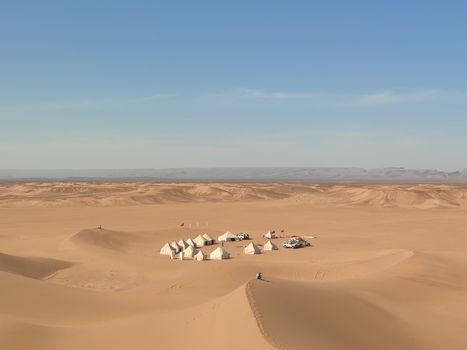
My first camel trek into Erg Chebbi was straight out of a movie. The rhythmic sway of the camel, the silence broken only by the crunch of hooves on sand, and the sun dipping below the horizon, painting the dunes in fiery oranges and purples. We arrived at our camp as stars began to pepper the darkening sky. Later, around a crackling fire, a group of local musicians played traditional Berber music, their rhythms echoing across the vast emptiness. It was pure magic, a connection to a timeless land.
What to Do & See:
* Camel Trekking: This is the quintessential Sahara experience. Multi-day treks are available, often including overnight stays in desert camps.
* Desert Camps: From traditional tents to luxurious glamping setups with ensuite bathrooms and gourmet meals, there's an option for every budget.
* Sunrise/Sunset Dune Climbing: Watching the sun transform the dunes from your vantage point atop a towering dune is unforgettable.
* Quad Biking/Dune Buggies: For the more adventurous, explore the dunes at a faster pace.
* Visit a Nomad Family: Some tours offer the chance to meet local Berber nomads and learn about their traditional way of life.
* Aït Benhaddou: On your way to or from the desert, stop at this UNESCO World Heritage site, a stunning fortified village that has served as a backdrop for countless films.
Practical Tips:
* Getting There: Most desert tours depart from Marrakech or Fes. The journey to Erg Chebbi (Merzouga) is long (10-12 hours by car), usually broken up over 2-3 days with stops along the way. Erg Chigaga is even more remote, requiring 4x4 vehicles.
* Tour Operators: Book through reputable local tour companies. Prices vary widely based on duration, camp luxury, and activities included. A 3-day/2-night tour from Marrakech to Erg Chebbi can range from $150-$500+ per person.
* What to Pack: Layers are key! Warm jacket, hat, scarf for nights. Light, breathable clothing for daytime. Comfortable closed-toe shoes. Sunscreen, sunglasses.
* Hydration: Drink plenty of water, even if you don't feel thirsty.
* Haggling: Be prepared to haggle for souvenirs in the souks, but tour prices are usually fixed.
---
3. United Arab Emirates: Dubai's Desert Playground & Beyond
When you think of the UAE, glittering skyscrapers and opulent malls might come to mind. But just beyond the city limits of Dubai and Abu Dhabi lies a stunning desert wilderness that comes alive in winter. It’s a fantastic option for those seeking a blend of luxury and adventure.
Why Winter is Best:
Winter in the UAE (November-March) is glorious. Daytime temperatures average 20-30°C (68-86°F), making it perfect for desert safaris and outdoor activities without the oppressive summer heat. Nights are pleasantly cool, ideal for al fresco dining and stargazing.
My Personal Anecdote:
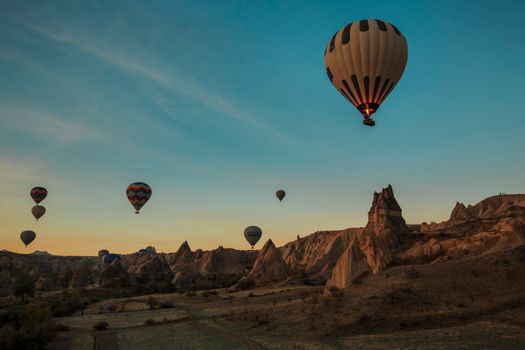
I’ll never forget my first hot air balloon ride over the Dubai Desert Conservation Reserve. As the sun rose, painting the dunes in hues of gold and orange, we floated silently above gazelles and Arabian oryx grazing below. It was an incredibly serene and breathtaking perspective, a stark contrast to the bustling city just an hour away. It truly showcased the unexpected wild beauty of the Emirates.
What to Do & See:
* Desert Safaris: A classic Dubai experience. Choose from dune bashing, camel rides, sandboarding, falconry displays, and traditional Bedouin-style dinners under the stars.
* Hot Air Ballooning: For a truly unforgettable experience, soar above the desert at sunrise.
* Overnight Desert Stays: Many luxury operators offer exclusive overnight camps with gourmet food, live entertainment, and unparalleled stargazing.
* Heritage Safaris: Opt for a more eco-friendly and cultural experience in the Dubai Desert Conservation Reserve, focusing on wildlife and Emirati heritage.
* Al Marmoom Desert Conservation Reserve: A great spot for cycling, hiking, and spotting local wildlife like gazelles and various bird species.
* Fossil Rock (Sharjah): A unique geological formation perfect for a short hike and sunset views.
Practical Tips:
* Booking: Book desert safaris and experiences well in advance, especially during peak season. Reputable companies include Platinum Heritage, Arabian Adventures, and Desert Safari Dubai.
* Cost Estimate: Standard dune bashing safaris with dinner can range from $50-$150. Luxury heritage safaris or hot air balloon rides can cost $200-$400+. Overnight stays will be higher.
* Dress Code: While more relaxed in the desert, respectful attire is always appreciated. Light, loose clothing for daytime, and a light jacket for evenings.
* Photography: The desert light, especially at sunrise and sunset, is incredible. Bring your best camera!
---
4. USA Southwest: Arid Wonders of Death Valley, Joshua Tree & Sedona
The American Southwest is a treasure trove of diverse desert landscapes, and winter is arguably the best time to explore them. From the surreal salt flats of Death Valley to the iconic Joshua trees and the spiritual red rocks of Sedona, there’s an adventure for every type of traveler.
Why Winter is Best:
Summer temperatures in Death Valley can hit 50°C (122°F), making it dangerous to even walk outside. In winter (November-March), daytime temperatures are a comfortable 15-25°C (59-77°F), perfect for hiking and exploring. Nights are cool, often dropping to near freezing. Joshua Tree and Sedona also enjoy mild, pleasant winter weather.
My Personal Anecdote:
I distinctly remember standing on Badwater Basin in Death Valley, the lowest point in North America, on a crisp February morning. The vast expanse of salt flats, stretching to the horizon under a perfectly clear blue sky, was utterly silent. It was a silence so profound it felt like I could hear my own heartbeat. Later, watching the sun set over Zabriskie Point, painting the badlands in a thousand shades of gold and amber, I felt a deep sense of awe for the raw power of nature.
What to Do & See:
* Death Valley National Park, California/Nevada:
* Badwater Basin: Walk on the salt flats, 282 feet below sea level.
* Zabriskie Point: Iconic viewpoint for sunrise/sunset over the badlands.
* Artist's Drive: A scenic loop road with colorful volcanic and sedimentary hills.
* Mesquite Flat Sand Dunes: Perfect for sandboarding and photography.
* Stargazing: Death Valley is an International Dark Sky Park, offering some of the best stargazing in the US.
* Joshua Tree National Park, California:
* Hiking: Explore trails like Hidden Valley Nature Trail or Ryan Mountain.
* Rock Climbing/Bouldering: A mecca for climbers.
* Camping: Experience the desert nights under the unique Joshua trees.
* Sedona, Arizona:
* Red Rock Hiking: Explore trails like Cathedral Rock, Bell Rock, and Devil's Bridge.
* Vortex Sites: Experience the spiritual energy Sedona is famous for.
* Stargazing: Sedona is also an International Dark Sky Community.
Practical Tips:
* Getting There: Fly into Las Vegas (LAS) for Death Valley, Palm Springs (PSP) for Joshua Tree, or Phoenix (PHX) for Sedona. A rental car is essential for exploring these vast areas.
* National Park Passes: Consider an "America the Beautiful" pass if visiting multiple national parks ($80/year).
* Accommodation:
* Death Valley: Furnace Creek Ranch/Oasis (mid-range to luxury), Stovepipe Wells Village (mid-range), or camping. Book well in advance.
* Joshua Tree: Hotels/Airbnbs in nearby Yucca Valley or Twentynine Palms, or camping within the park.
* Sedona: Wide range of hotels, resorts, and Airbnbs.
* Packing: Layers! Daytime can be warm, but evenings are cold. Sturdy hiking boots, plenty of water, sunscreen, and a hat.
* Hydration: Carry much more water than you think you'll need, especially when hiking.
---
5. Namibia: The Sossusvlei Spectacle & Ancient Deadvlei
Namibia is a land of dramatic contrasts, and its deserts are among the most stunning on Earth. Sossusvlei, with its monumental red dunes and the iconic white clay pan of Deadvlei, is a photographer's dream and an absolute must-visit in winter.
Why Winter is Best:
Namibia's winter (May-September) is actually its dry season, offering clear skies and comfortable temperatures, perfect for desert exploration. Daytime highs average 20-25°C (68-77°F), while nights can drop to 0-5°C (32-41°F), making for crisp mornings. This also coincides with excellent wildlife viewing opportunities elsewhere in Namibia, if you extend your trip.
My Personal Anecdote:
The first time I saw Deadvlei, I was speechless. The stark white clay pan, cracked like ancient pottery, punctuated by the skeletal remains of camel thorn trees, framed by colossal orange dunes against an impossibly blue sky. It felt like walking through a surrealist painting. Climbing "Big Daddy," one of the tallest dunes, as the sun began to warm the sand, and then running down its steep face, was an exhilarating, unforgettable experience.
What to Do & See:
* Sossusvlei & Deadvlei: These are the main attractions. Wake up early to catch the sunrise painting the dunes. Climb Dune 45 or Big Daddy for panoramic views.
* Sesriem Canyon: A small, picturesque canyon easily accessible from the park entrance.
* Hot Air Ballooning: Another incredible way to see the vastness of the Namib Desert and its unique formations from above.
* Scenic Flights: For a different perspective, consider a light aircraft flight over the Skeleton Coast and the Namib Desert.
* Stargazing: With minimal light pollution, the Namib Desert offers spectacular stargazing opportunities.
Practical Tips:
* Getting There: Fly into Windhoek (WDH). Sossusvlei is a 5-6 hour drive. Most visitors either rent a 4x4 for a self-drive adventure or join a guided tour.
* Permits: You'll need a permit to enter Namib-Naukluft National Park. Get it at the Sesriem gate.
* Accommodation: Stay inside the park at Sesriem Campsite or Sossus Dune Lodge for early access to the dunes. Otherwise, lodges just outside the gate offer excellent options (e.g., Sossusvlei Lodge, Desert Quiver Camp). Book months in advance.
* 4x4 Required: The last 5km to Deadvlei requires a 4x4 or a shuttle from the 2WD parking area.
* Packing: Layers are crucial. Warm clothes for chilly mornings/evenings, light clothes for daytime. Sturdy closed-toe shoes for climbing dunes. Sunscreen, hat, sunglasses.
* Cost Estimate: A 3-day guided tour from Windhoek can range from $500-$1000+. Self-drive costs depend on vehicle rental, fuel, and accommodation.
---
6. Australia: The Outback's Red Heart – Uluru & Kata Tjuta
Australia's Red Centre is not just a desert; it's a place of profound spiritual significance and breathtaking natural beauty. Uluru (Ayers Rock) and Kata Tjuta (The Olgas) are ancient monoliths that rise dramatically from the flat desert plains, and winter is the ideal time to experience their magic.
Why Winter is Best:
The Australian winter (June-August) brings clear, sunny days with average temperatures of 20-25°C (68-77°F) and cool nights (5-10°C / 41-50°F). This is perfect for walking around the base of Uluru, hiking through Kata Tjuta, and enjoying outdoor dinners without the scorching summer heat or flies.
My Personal Anecdote:
Walking the base of Uluru at sunrise, feeling the ancient rock radiate a subtle warmth, was incredibly moving. Our Aboriginal guide shared stories of the Dreamtime, connecting us to the land and its history in a way no textbook ever could. Later, watching the sunset paint Uluru in a kaleidoscope of reds, oranges, and purples, I felt a deep sense of reverence for this sacred place. It's not just a rock; it's a living, breathing entity.
What to Do & See:
* Uluru Sunrise & Sunset: Experience the iconic color changes of Uluru at dawn and dusk. Special viewing platforms are available.
* Base Walk: Walk the 10.6km (6.6 miles) around the base of Uluru. It's the best way to appreciate its scale and discover ancient rock art sites.
* Kata Tjuta (The Olgas): Hike through the Valley of the Winds or Walpa Gorge. These domed rock formations are just as spectacular as Uluru.
* Cultural Centre: Learn about the Anangu people, the traditional custodians of the land, and their spiritual connection to Uluru.
* Field of Light: Bruce Munro's stunning art installation, featuring 50,000 solar-powered lights, creates a magical glow at night (a separate ticketed event).
* Camel Tours: Experience the Outback from a different perspective on a camel.
Practical Tips:
* Getting There: Fly into Ayers Rock Airport (AYQ), also known as Connellan Airport. It's just a short drive to the Ayers Rock Resort.
* Accommodation: Stay at Ayers Rock Resort, which offers various options from camping to luxury hotels (e.g., Sails in the Desert, Desert Gardens Hotel). Book well in advance.
* Park Pass: You'll need a park pass for Uluru-Kata Tjuta National Park.
* Respect Sacred Sites: Climbing Uluru is permanently closed as it is a sacred site. Please respect the Anangu people's wishes and do not climb.
* Packing: Layers are essential, especially for early morning and evening. Comfortable walking shoes, hat, sunscreen, sunglasses.
* Cost Estimate: Flights to AYQ can be expensive. Accommodation at Ayers Rock Resort is generally mid-to-high range. A 3-day trip, including accommodation, park pass, and some tours, can easily run $800-$1500+ per person.
---
7. Chile: The Atacama Desert's Lunar Landscapes & Astronomical Wonders
If you're looking for a desert experience that's truly out of this world, head to the Atacama Desert in northern Chile. One of the driest places on Earth, its landscapes are surreal – geysers, salt flats, turquoise lagoons, and volcanoes – all under some of the clearest skies imaginable.
Why Winter is Best:
Chile's winter (June-August) in the Atacama is characterized by dry, sunny days and cool, crisp nights. Daytime temperatures average 15-25°C (59-77°F), making outdoor exploration comfortable. Crucially, the lack of humidity and cloud cover makes winter the absolute best time for stargazing.
My Personal Anecdote:
My stargazing tour in the Atacama was unlike anything I'd ever experienced. Away from any light pollution, the Milky Way exploded above us, a river of stars stretching across the inky blackness. Our guide, an astrophysicist, pointed out nebulae, galaxies, and planets with a powerful laser pointer. It wasn't just seeing stars; it was feeling the vastness of the universe, a truly humbling and awe-inspiring moment.
What to Do & See:
* Valle de la Luna (Moon Valley) & Valle de la Muerte (Death Valley): Explore these incredible lunar-like landscapes at sunset.
* El Tatio Geysers: Visit at sunrise to see the geysers erupting with steam in the cold morning air.
* Lagunas Altiplánicas (Highland Lagoons): Stunning turquoise lakes (Miscanti and Miñiques) nestled among volcanoes, often with flamingos.
* Salar de Atacama (Atacama Salt Flat): The largest salt flat in Chile, home to the beautiful Laguna Chaxa, another flamingo hotspot.
* Stargazing Tours: The Atacama is one of the world's premier astronomical destinations. Don't miss a professional stargazing tour.
* Termas de Puritama: Relax in natural hot springs after a day of exploring.
Practical Tips:
* Getting There: Fly into Calama (CJC), then take a shuttle or taxi to San Pedro de Atacama (about 1.5 hours), the main base for exploring the region.
* Altitude Sickness: Many attractions are at high altitudes (El Tatio Geysers are over 4,300m/14,000ft). Acclimatize slowly, drink plenty of water, and avoid strenuous activity on your first day.
* Tour Operators: Book tours with reputable agencies in San Pedro de Atacama. Prices for day tours range from $30-$80, excluding entrance fees. Stargazing tours are around $30-$50.
* Accommodation: San Pedro offers a range of hostels, guesthouses, and luxury hotels. Book in advance during winter.
* Packing: Layers, layers, layers! Warm hat, gloves, and a good down jacket for early mornings and evenings. Sunscreen, sunglasses, and a wide-brimmed hat for daytime. Sturdy hiking shoes.
* Cost Estimate: A 4-day trip with accommodation and several tours can range from $500-$1000+, not including flights.
---
General Tips for Your Winter Desert Adventure:
- Layers are Your Best Friend: Deserts experience huge temperature swings. Pack breathable layers for warm days, and serious insulation (down jacket, hat, gloves, warm socks) for chilly nights and early mornings.
- Hydration is Key: Even in cooler weather, the dry desert air will dehydrate you quickly. Drink more water than you think you need.
- Sun Protection: The sun is still powerful. Sunscreen, sunglasses, and a wide-brimmed hat are non-negotiable.
- Sturdy Footwear: You'll be walking on sand, rocks, and uneven terrain. Good hiking shoes are essential.
- Respect Local Culture: Especially in the Middle East and North Africa, be mindful of local customs and dress codes.
- Embrace the Silence: One of the desert's greatest gifts is its profound quiet. Take time to simply listen and be present.
- Charge Your Camera: The landscapes are incredibly photogenic, especially at sunrise and sunset. Bring extra batteries!
- Travel Insurance: Always a good idea, especially for adventure travel.
---
Ready to Trade Snow for Sand?
There's something truly transformative about the desert. It strips away the distractions of modern life, leaving you with raw, unfiltered beauty and a profound sense of peace. Whether you're seeking adventure, spiritual connection, or simply an escape from the winter chill, these desert destinations offer experiences that will stay with you long after you've dusted the sand from your shoes.
Don't let another winter pass you by dreaming of warmer climes. It's time to stop scrolling and start packing. Which desert dream will you chase first?
Share your desert travel dreams in the comments below! Have you visited any of these incredible places in winter? What was your favorite experience?
---