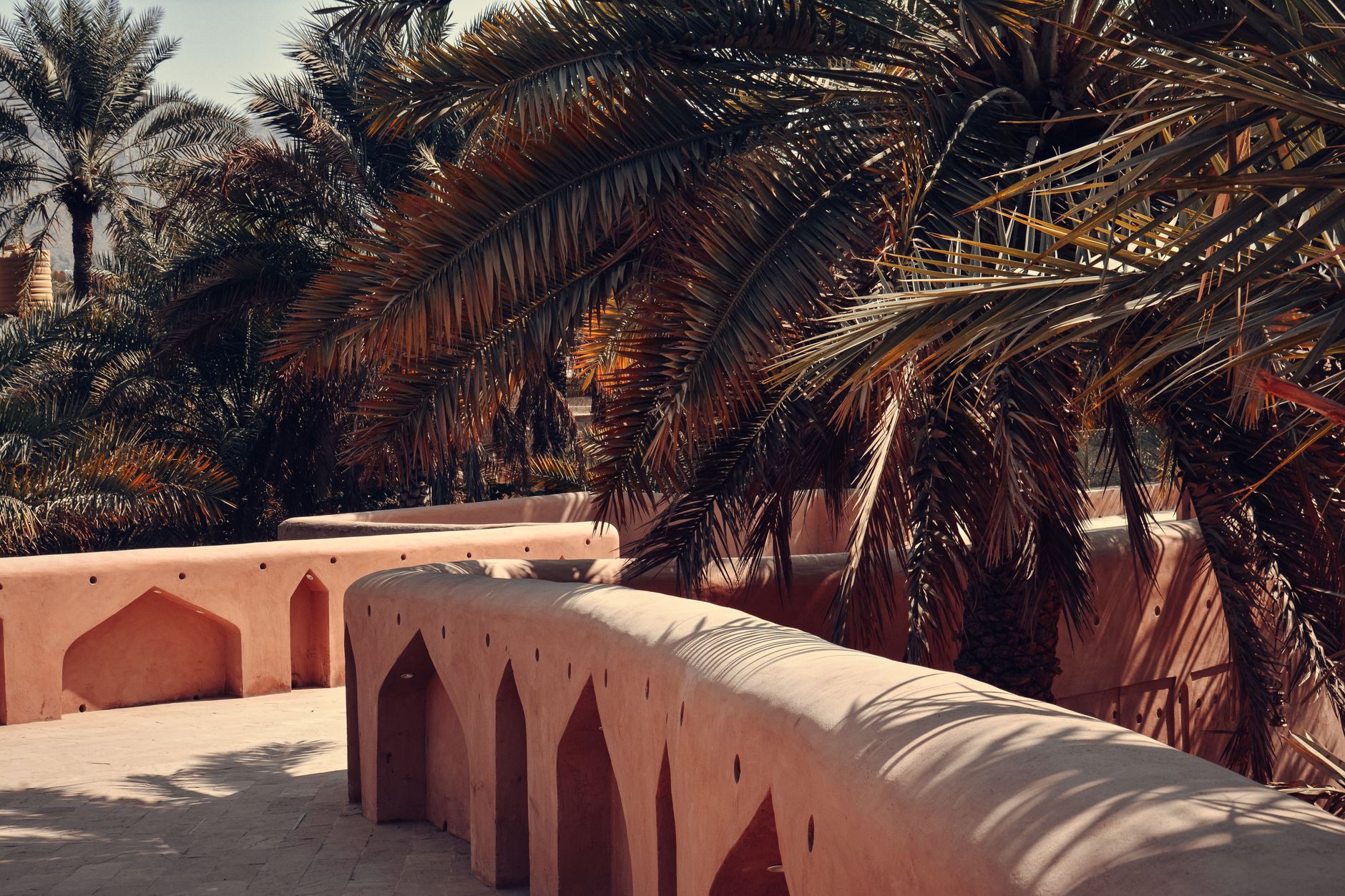
The Desert's Whisper: Unveiling Winter's Best-Kept Secrets
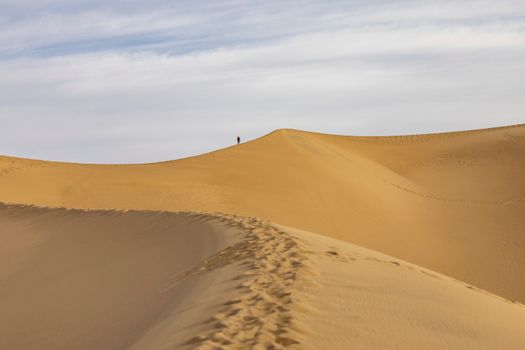
I remember my first desert winter like it was yesterday. It was December, and while my friends were bundling up against the biting cold back home, I was standing atop a dune in Jordan, a gentle breeze rustling my scarf, the sun warming my face, and the silence… oh, the glorious, profound silence. It was a revelation. I'd always pictured deserts as scorching, inhospitable places, but winter transforms them into something else entirely – a tranquil, vibrant canvas of life, history, and unparalleled beauty. And here’s the kicker: the locals know it. They cherish these cooler months, when the vast landscapes become perfect for exploration, and the stars shine with an intensity that can only be described as spiritual.
This isn't about the popular, well-trodden desert paths you've seen plastered all over Instagram (though those are beautiful in their own right). This is about going deeper, venturing where the whispers of the wind carry ancient stories, and the only "crowds" you'll encounter are perhaps a herd of wild camels or a curious desert fox. These are the hidden desert gems, the winter escapes so authentic and breathtaking, the locals secretly hope tourists never quite discover them. But you, my fellow adventurer, you're in on the secret now.
Why Winter is the Desert's True Season (and Why Locals Know It)
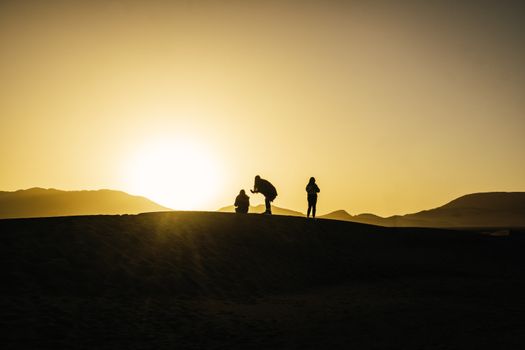
Let's be honest, trying to enjoy the desert in summer is like trying to enjoy a sauna while wearing a wool coat. It's an endurance test. But winter? Winter is when the desert truly comes alive. The scorching daytime temperatures drop to a comfortable range (think 60s-70s Fahrenheit or 15-25 Celsius), making hiking, exploring, and simply being outdoors an absolute joy. Nights are cool and crisp, perfect for gathering around a campfire, sipping sweet tea, and gazing at a Milky Way so vivid it feels like you could reach out and touch it.
Beyond the perfect climate, winter also means fewer crowds. The mass tourism that descends upon many desert regions during peak shoulder seasons or specific events often evaporates with the summer heat. This leaves you with a more intimate, authentic experience. Wildlife, often elusive during the hotter months, becomes more active. The air is clearer, the light softer for photography, and the sense of peace is palpable. Locals, who often retreat indoors during the intense heat, emerge to enjoy their land, making for genuine cultural encounters you simply won't find in busier times. It's the desert's best-kept secret, and once you experience it, you'll understand why.
1. Jordan's Forgotten Corners: Beyond Wadi Rum's Main Circuit
Wadi Rum is a masterpiece, no doubt. But for a true local experience, you need to peel back another layer. Instead of sticking to the well-worn jeep tours that hit the same handful of spots, seek out guides who are willing to take you deeper into the protected area's lesser-known valleys and canyons, or even into the untouched northern and eastern fringes.
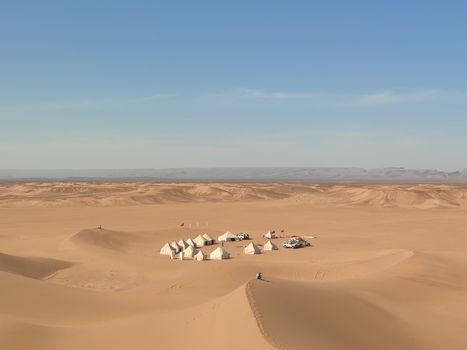
My first trip here, I was lucky enough to connect with a Bedouin guide named Salim, whose family had lived in Rum for generations. He wasn't on any major tour operator's list. We spent three days on camelback, venturing into areas where the only tracks were those of gazelles and wild donkeys. We camped under rock overhangs, cooking over an open fire, and he taught me how to identify different constellations. He showed me ancient Nabataean inscriptions tucked away in a narrow canyon that no tourist bus would ever reach, and shared stories of his ancestors that felt like they were woven into the very sand beneath our feet.
Practical Tips:
* Finding a Local Guide: Avoid booking through large agencies. Instead, upon arrival in Wadi Rum village, ask around for independent, family-run camps or guides. Look for older Bedouins with deep knowledge of the area. Expect to pay around 50-80 JOD per person per day for a multi-day trek including food, water, and camping gear.
* Hidden Gems: Ask your guide to take you to the "White Desert" (distinct from the main Red Desert), or explore the quiet canyons near Jebel Khazali. Seek out remote "burrows" (rock formations) and hidden springs.
* Best Time: November to February offers ideal temperatures (daytime 15-25°C, nighttime 0-10°C).
* What to Pack: Layers are key! Warm sleeping bag, sturdy hiking boots, headlamp, water bottle, and a good camera.
Instagram-Worthy:
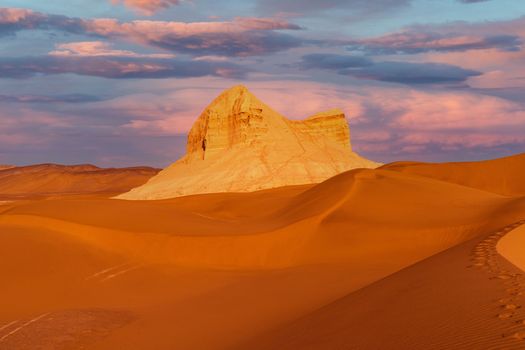
The untouched red dunes stretching into infinity, ancient petroglyphs, the ethereal glow of a desert sunrise over a silent landscape, and nights under a canopy of a million stars.
2. Morocco's Anti-Atlas Oasis: Tafraoute and the Painted Rocks
When people think of Moroccan deserts, they often picture the vast dunes of the Sahara, typically accessed via Merzouga or Zagora. But the true local secret lies further west, in the rugged, rose-hued granite mountains of the Anti-Atlas, particularly around the charming Berber town of Tafraoute. This is a land of almond blossoms, argan trees, and a unique, otherworldly landscape that feels like it belongs on another planet.
I stumbled upon Tafraoute almost by accident, driving south from Agadir. The landscape slowly transformed from green hills to a dramatic panorama of pink granite boulders, some perfectly balanced, others forming surreal sculptures. The highlight for me was discovering the "Painted Rocks" – an art installation from the 1980s where a Belgian artist, Jean Verame, painted enormous boulders in vibrant blues, reds, and purples. It’s an eccentric, beautiful juxtaposition against the natural desert hues, and often, you'll have the entire place to yourself.
Practical Tips:
* Getting There: Renting a car is highly recommended for flexibility, allowing you to explore the winding mountain roads and hidden villages. Tafraoute is about a 2.5-hour drive from Agadir. Public buses are available but less convenient for exploration.
* Accommodation: Stay in a traditional auberge or guesthouse (e.g., Auberge Chez Amaliya, around 30-50 EUR/night) for an authentic experience.
* Activities: Hike through the Ameln Valley, visit traditional Berber villages like Oumesnat, explore the weekly souk (market) in Tafraoute, and definitely spend an afternoon among the Painted Rocks (Agard-Oudadd). Don't miss the local argan oil cooperatives.
* Best Time: October to April offers pleasant temperatures (daytime 18-28°C, nighttime 5-15°C). Almond blossom season (late Jan-Feb) is particularly stunning.
Instagram-Worthy:
The vibrant Painted Rocks against the pink granite, traditional Berber architecture nestled into the mountainside, expansive views of argan tree forests, and the golden hour light painting the entire landscape in fiery hues.
3. Anza-Borrego Desert State Park, California: Slot Canyons and Stargazing Serenity
Forget Joshua Tree's crowds. For a truly wild and less-traveled desert experience in Southern California, head to Anza-Borrego Desert State Park. As California's largest state park, its vastness ensures that even on a busy weekend, you can find solitude. Locals know that the real magic lies beyond the main visitor center, deep within its labyrinthine slot canyons and remote badlands.
One time, after a rare winter rain, I ventured into "The Slot," a narrow, winding canyon that felt like walking through the belly of a giant. The walls, sculpted by millennia of flash floods, towered above me, creating an otherworldly, intimate experience. Later that night, camping under the designated Dark Sky Park, the sheer volume of stars was overwhelming. I saw meteors streak across the sky, and the Milky Way was a brilliant smear of light – a sight often lost to urban light pollution. It felt like a secret kept just for those willing to drive a little further, hike a little deeper.
Practical Tips:
* Access: Many areas require a 4x4 vehicle, especially after rain. Check park conditions before heading out. The park is free to enter, but primitive camping permits (around $5-10/night) are required for some areas.
* Hidden Gems: Explore the lesser-known slot canyons like Ladder Canyon, or venture into the badlands formations around Fonts Point for incredible sunrise/sunset views. Seek out the metal sculptures scattered throughout the desert by artist Ricardo Breceda.
* Best Time: November to March offers ideal hiking temperatures (daytime 18-25°C, nighttime 5-10°C). Late winter/early spring (Feb-March) can bring spectacular wildflower blooms after sufficient rain.
* What to Pack: Plenty of water (no services in remote areas), sturdy hiking shoes, sun protection, a star chart or stargazing app, and all your trash must be packed out.
Instagram-Worthy:
The dramatic, sculpted walls of slot canyons, the surreal metal sculptures against a desert backdrop, vibrant desert wildflowers, and breathtaking wide-angle shots of the Milky Way against the dark desert sky.
4. Australia's Outback Secrets: The Flinders Ranges, South Australia
When most people think of the Australian Outback, their minds jump to Uluru. While iconic, it's also incredibly popular. For a taste of the ancient, wild heart of Australia that fewer tourists experience, head to the Flinders Ranges in South Australia. This is a landscape carved by time, featuring dramatic ancient mountain ranges, gum-lined creeks, and a rich Aboriginal history that predates human memory.
My journey through the Flinders Ranges felt like stepping back in time. I stayed at a working sheep station that offered accommodation, and the owners, generations deep in the land, shared stories of its history and ecology. Hiking into Wilpena Pound (Ikara), a gigantic natural amphitheater, I was struck by the sheer scale and silence. I spotted rare Yellow-footed Rock-Wallabies bounding across the rocks and learned about the Adnyamathanha people's deep connection to this land. It’s rugged, remote, and utterly captivating – a place where the red dust gets under your skin and into your soul.
Practical Tips:
* Getting There: The Flinders Ranges are about a 5-6 hour drive north of Adelaide. A 4x4 is recommended for exploring some of the more remote tracks, though main roads are sealed.
* Accommodation: Options range from camping in Ikara-Flinders Ranges National Park (around AUD$10-20/night) to traditional station stays (e.g., Rawnsley Park Station, Arkaba Conservancy, prices vary widely from AUD$100-1000+ depending on luxury and inclusions).
* Activities: Bushwalking within Ikara-Flinders Ranges National Park (Wilpena Pound), scenic flights over the Pound, Aboriginal cultural tours, wildlife spotting (kangaroos, emus, wallabies, wedge-tailed eagles), and exploring ancient gorges like Brachina Gorge.
* Best Time: While April-October is generally recommended, the cooler winter months (June-August) are excellent for hiking, with daytime temperatures around 10-18°C and crisp nights.
Instagram-Worthy:
The vast, ancient landscapes of Wilpena Pound, vibrant red earth contrasting with green gum trees, unique Australian wildlife in its natural habitat, and dramatic gorges carved by millennia of water flow.
5. Namibia's Untamed Edges: The Skeleton Coast's Inland Transition
Namibia is a land of incredible deserts, from the towering dunes of Sossusvlei to the stark beauty of Damaraland. But for a truly off-the-grid, wild experience that few tourists reach, consider the inland edges bordering the infamous Skeleton Coast National Park – particularly the southern parts of the Kaokoveld and Kunene regions. This transition zone is where the desert meets the dry riverbeds and ancient landscapes, home to desert-adapted wildlife and fascinating indigenous cultures.
My most memorable experience here was tracking desert-adapted elephants with a local guide. These magnificent creatures have evolved to survive in this harsh environment, and seeing them move silently through the dry riverbeds, digging for water, was a profound privilege. We also visited a Himba village, learning about their unique traditions and way of life, untouched by much of the outside world. It’s a challenging journey, requiring careful planning and often a specialized guide, but the rewards are immeasurable – a raw, authentic connection to one of the planet's most untamed wildernesses.
Practical Tips:
* Access: This region is extremely remote and requires a 4x4 vehicle and considerable off-road driving experience. It is highly recommended to travel with an experienced local guide or as part of a specialized safari tour. Permits are required for certain areas.
* Accommodation: Expect rustic camping or very limited, high-end eco-lodges (e.g., Serra Cafema Camp, which can be very expensive, $1000+ per night). Planning is crucial as infrastructure is minimal.
* Activities: Tracking desert-adapted wildlife (elephants, rhinos, lions), visiting Himba villages (with a respectful, local guide), exploring ancient rock art at Twyfelfontein (a UNESCO site near the region's edge), and stargazing in absolute darkness.
* Best Time: May to October (Namibia's dry season) is ideal, with cooler daytime temperatures (20-25°C) and virtually no rain, making wildlife spotting easier as animals congregate around water sources.
Instagram-Worthy:
Dramatic landscapes of sand dunes meeting rocky plains, encounters with desert-adapted elephants, authentic portraits of Himba people (with permission), and the vast, untouched wilderness stretching to the horizon.
6. The Altiplano of Chile: High Desert Wonders Beyond San Pedro de Atacama
San Pedro de Atacama is a gem, but its popularity means crowds. To truly experience the breathtaking, high-altitude desert landscapes that locals cherish, venture further into the Chilean Altiplano, particularly towards the border with Bolivia and Argentina. This is a land of shimmering salt flats, vibrant flamingos, geysers, and volcanoes, all under an impossibly blue sky.
I once took a multi-day trip from San Pedro, crossing into the less-traveled parts of the Altiplano. We drove past lagoons so intensely colored they looked painted – Laguna Colorada, Laguna Verde – each teeming with flamingos. We woke before dawn to witness the steam rising from the El Tatio geysers, a surreal experience in the freezing high-altitude air. The silence was profound, broken only by the wind and the calls of vicuñas. It felt like I was on the edge of the world, witnessing nature's raw, untamed power, far from any tourist bus.
Practical Tips:
* Access: Many areas require a 4x4 and a knowledgeable guide due to the high altitude, remote conditions, and lack of signage. Join a reputable multi-day tour from San Pedro de Atacama (prices vary from $300-800+ for 3-4 day tours including accommodation and food).
* Accommodation: Basic refugios (hostels) or tent camping on multi-day tours. Be prepared for cold nights and limited amenities.
* Activities: Visiting high-altitude lagoons (Lagunas Altiplánicas), observing flamingos, exploring salt flats (Salar de Atacama), witnessing the sunrise at El Tatio Geysers, and marveling at the towering volcanoes.
* Best Time: May to November offers clearer skies and less rain, though winter (June-August) means colder temperatures, especially at night and early mornings (can drop below freezing), but often the most stunning light and fewer crowds. Be prepared for extreme temperature swings.
* Altitude Sickness: Acclimatize in San Pedro de Atacama (around 2,400m) for a few days before venturing higher (many Altiplano sites are above 4,000m). Drink plenty of water and avoid alcohol.
Instagram-Worthy:
Mirror-like reflections on salt flats, vibrant pink flamingos against turquoise lakes, steaming geysers at dawn, and the dramatic, snow-capped peaks of volcanoes under a brilliant blue sky.
Embrace the Silence, Discover the Soul
These desert destinations, especially during the cooler winter months, offer more than just pretty landscapes; they offer a profound sense of peace, a connection to ancient rhythms, and an opportunity to truly disconnect and rediscover yourself. The locals who live here understand this magic, and by venturing beyond the obvious, you can share in a piece of their world that few outsiders ever see.
So, this winter, when the world outside is gray and bustling, consider trading the familiar for the extraordinary. Let the desert's quiet grandeur captivate you. Find your own secret corner, experience the raw beauty, and bring back stories that are truly your own.
Which hidden desert gem will you explore first? Share your thoughts and dream destinations in the comments below!
---