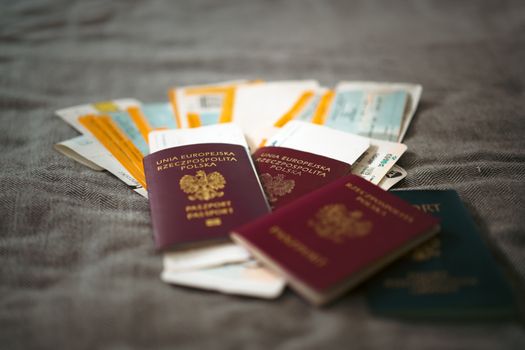
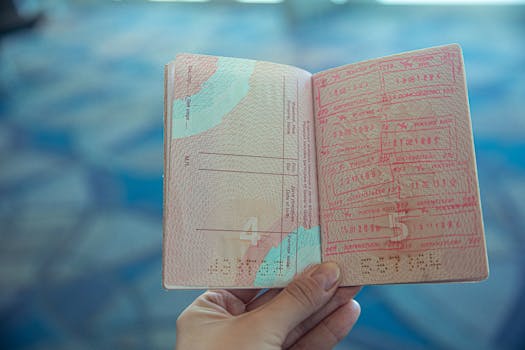
The fluorescent lights of immigration halls used to be my personal purgatory. I’d stand there, jet-lagged and weary, watching the minutes tick by, sometimes turning into hours, as lines snaked endlessly through the sterile space. My heart would sink, knowing that precious vacation time was slipping away, replaced by the dull ache of waiting. I remember one particularly brutal arrival at London Heathrow. My flight from Singapore was delayed, and by the time we landed, half the world seemed to have converged on Terminal 3's immigration hall. Three hours. Three soul-crushing hours I spent shuffling forward, inch by painful inch, just to get a stamp in my passport. That day, something snapped. I vowed I would never again be a prisoner of the border queue.
What I’ve learned since then isn't just a collection of tips; it’s a lifestyle shift. These aren't just "tricks"; they are foundational strategies that have genuinely changed my travel life forever, saving me countless hours, untold stress, and unlocking a level of travel freedom I never thought possible. If you’ve ever cursed a customs line, this post is for you. Welcome to the fast lane.
1. The Golden Ticket: Trusted Traveler Programs (Your VIP Pass to the World)
This is, without a doubt, the single greatest investment you can make in your travel life. Trusted Traveler Programs are designed to pre-screen low-risk travelers, allowing them to bypass traditional immigration lines and use expedited processing. Think of it as a VIP pass to border crossings.
What it is:
These programs vary by country but serve the same purpose. In the United States, the big one is Global Entry. For a mere $100, valid for five years, you get access to automated kiosks at major US airports. For US and Canadian citizens, NEXUS ($50 for 5 years) offers expedited processing when entering both countries by air, land, or sea. Many other countries have similar systems: the UK has Registered Traveller, Australia and New Zealand have highly efficient e-gates for eligible passports, and the EU is rolling out its own Entry/Exit System (EES) with biometric kiosks for third-country nationals.
My Game-Changing Story:
My first time using Global Entry at JFK after that Heathrow nightmare was nothing short of miraculous. I walked off a 12-hour flight from Rome, mentally preparing for the usual immigration gauntlet. But instead of joining the hundreds in the regular line, I strolled past them, a small, knowing smile playing on my lips, straight to the Global Entry kiosks. A quick scan of my passport, a photo, and a receipt later, I was through. Less than two minutes. I actually had to wait for my luggage, which felt surreal. I watched the regular line, still snaking through the hall, and felt a profound sense of victory. It wasn't just the time saved; it was the psychological relief, the feeling of reclaiming my energy and excitement for the trip ahead.
Actionable Advice:
* Research: Find out which programs are available for your nationality and primary travel destinations.
* Apply Early: The application process involves an online application, background check, and an in-person interview. It can take several weeks or even months, so don't wait until the last minute.
* Cost vs. Benefit: While there's a fee, consider the hours you save over five years. One skipped two-hour line already makes it worth it. Many premium travel credit cards even reimburse the application fee!
2. The Digital Edge: E-Gates, Mobile Passports & Online Declarations
We live in a digital age, and borders are slowly but surely catching up. Leveraging technology is one of the easiest ways to streamline your entry process.
What it is:
* E-Gates (Automated Border Control): These are self-service kiosks that use facial recognition and passport scanning to verify your identity. Common in the EU (Schengen Area for EU/EEA/Swiss citizens, and increasingly for others with the EES rollout), the UK, Australia, New Zealand, Japan, and many other countries.
* Mobile Passport Control (MPC) Apps: For US citizens and Canadian visitors, the free Mobile Passport Control (MPC) app allows you to submit your passport and customs declaration information via your smartphone or tablet upon arrival at select US airports and cruise ports. You then proceed to a dedicated MPC lane.
* Online/App-Based Customs Declarations: Many countries are moving towards digital customs declarations. Instead of filling out a paper form on the plane, you can complete it via an app or website before you even land. Australia and New Zealand are great examples where you can often pre-fill or use kiosks upon arrival.
My Game-Changing Story:
Landing in Sydney after a long haul from Los Angeles, I watched fellow passengers meticulously filling out the ubiquitous yellow paper declaration forms. I, however, had already downloaded the "Arrivals Australia" app. While waiting for my bag, I quickly answered the questions, hit submit, and received a QR code. At the customs area, I simply scanned my QR code at a designated kiosk, and it printed a receipt. I walked through the "Nothing to Declare" lane, bypassing another substantial queue. It felt like I had a secret cheat code. The time saved was easily 45 minutes to an hour, and the mental relief of not having to juggle a pen, a crumpled form, and my carry-on was priceless.
Actionable Advice:
* Download Apps Pre-Trip: Before you fly, check if your destination country has an official border control app (like MPC for the US, or specific arrival apps for Australia/New Zealand).
* Check E-Gate Eligibility: Know if your passport is eligible for e-gates at your destination. A quick Google search for "[Country Name] e-gates eligibility" will tell you.
* Use Airport Wi-Fi: If you forget to pre-fill, many airports offer free Wi-Fi, allowing you to complete digital forms before you reach the queues.
3. The Art of Preparation: Documentation & Packing Smarts
While digital tools are fantastic, good old-fashioned preparation remains paramount. Being organized isn't just about avoiding stress; it actively speeds up your border crossing.
What it is:
This involves having all your essential documents readily accessible, knowing exactly what you can and cannot bring into a country, and packing your carry-on strategically for security checks.
My Game-Changing Story:
I once saw a traveler almost denied entry to Vietnam because he couldn't quickly produce his pre-approved visa letter. He had to dig through a chaotic backpack, holding up the entire line, while the immigration officer's patience visibly waned. Since then, I’ve adopted a "Border Folder" system. For every trip, I have a small, dedicated folder (or a specific, easily accessible digital folder on my phone/cloud) containing:
* Passport (obviously)
* Visa (if required) or visa approval letter
* Return flight details
* First night's accommodation booking
* International Driving Permit (if applicable)
* Travel insurance details
* A photocopy of my passport (and digital copies stored securely online).
At customs, I simply present the requested document without fumbling. It looks professional, confident, and efficient. It signals to the officer that you are an organized, legitimate traveler, which can subtly smooth the process.
Actionable Advice:
* Dedicated Document Holder: Use a slim folder or travel wallet for all essential papers. Keep it in an easily accessible pocket of your carry-on, not buried at the bottom.
* Digital Backups: Scan your passport, visa, and important documents. Email them to yourself, save them to a secure cloud drive (e.g., Google Drive, Dropbox), and keep them in a password-protected folder on your phone.
* Know Your Limits: Before packing, research customs restrictions for your destination. Are there limits on alcohol, tobacco, or currency? Are certain foods, plants, or medications prohibited? Declare everything honestly. It's far better to declare something and have it confiscated than to try and hide it and face fines or worse.
* Smart Carry-On Packing: For security, have electronics (laptops, tablets) and liquids (in a clear, quart-sized bag) easily removable. This speeds up the x-ray process for everyone.
4. Timing is Everything: Strategic Arrival & Departure
Sometimes, the trick isn't what you do, but when you do it. Border crossings, like rush hour traffic, have peak times. Avoiding them is a simple yet effective strategy.
What it is:
This involves understanding airport and border crossing traffic patterns and adjusting your travel plans accordingly, or at least being prepared for potential delays.
My Game-Changing Story:
My flight into Cancun, Mexico, was scheduled to land around 2 PM on a Saturday – prime arrival time for many North American vacationers. I knew it would be a zoo. So, for my next trip to a popular destination (this time, Amsterdam), I specifically booked a flight that landed at 6 AM on a Tuesday. Yes, it meant an early start, but the reward was immense. Schiphol Airport, usually bustling, was eerily quiet. I was practically the only person at the immigration counter. The officer was relaxed, the process was quick, and I was out of the airport and on the train to the city center before most people had even finished their breakfast at home. I checked into my hotel early (another bonus of arriving off-peak!) and had a leisurely morning to explore before the crowds descended.
Actionable Advice:
* Check Peak Hours: Research the typical peak arrival and departure times for your specific airport or land border crossing. These are usually early mornings, late afternoons, and public holidays.
* Fly Off-Peak: If possible, choose flights that arrive or depart during off-peak hours (mid-day, late evening, or very early morning) or on less busy days of the week (Tuesdays and Wednesdays are often quieter).
* Monitor Wait Times: Many major airports and border agencies (e.g., CBP in the US, CBSA in Canada) provide real-time or historical wait time data online. Check these before you travel.
* Consider Alternative Ports of Entry: If crossing a land border, sometimes a smaller, less-used crossing point just a few miles away can save you hours compared to the main highway crossing.
5. The Power of Knowledge: Researching Your Destination's Rules
Every country has its own nuances, specific regulations, and cultural expectations at the border. Being informed shows respect and prevents unnecessary delays.
What it is:
This goes beyond just visa requirements. It's about understanding local customs, specific import laws (especially for food, medications, and even electronics), and any unique entry procedures.
My Game-Changing Story:
On a trip to New Zealand, I saw a traveler get into a serious bind because he hadn't declared a pair of muddy hiking boots. New Zealand has extremely strict biosecurity laws to protect its unique ecosystem. He thought a quick rinse was enough. It wasn't. The customs officer, while polite, was firm. The boots had to be thoroughly cleaned and inspected, causing a significant delay and a very stern lecture.
Learning from this, I now make it a point to thoroughly research specific import rules. Before a trip to Thailand, I learned about their strict laws regarding certain medications. Before Japan, I made sure my drone was registered and understood where I could and couldn't fly it. This knowledge isn't just about avoiding trouble; it's about being prepared for specific questions and demonstrating that you're a responsible visitor.
Actionable Advice:
* Visa Requirements: Double and triple-check visa requirements for your nationality and destination. Some countries require visas in advance, others offer visa-on-arrival, and some have electronic travel authorizations (ETAs) that must be secured beforehand (e.g., ESTA for the US, eTA for Canada, ETA for Australia).
* Biosecurity/Food Rules: Pay special attention to rules about bringing in food, plants, seeds, and animal products. Countries like Australia, New Zealand, and the US are particularly strict. Declare everything!
* Medication Rules: If you travel with prescription medication, carry it in its original packaging, with the prescription label, and a doctor's note (especially for controlled substances). Research if your specific medication is allowed in your destination country.
* Currency Declaration: Know the limits for declaring cash or monetary instruments when entering or leaving a country.
6. Mindset & Presentation: Be a Pro Traveler
This might sound like soft advice, but your demeanor and presentation at the border can significantly influence your experience. Customs officers are trained to read people.
What it is:
Projecting confidence, honesty, and respect, and being generally presentable, can make a difference in how quickly and smoothly your interaction goes.
My Game-Changing Story:
There was a time I was traveling through a less-frequented land border in Southeast Asia. The customs officer seemed particularly gruff. I’d seen other travelers get flustered, argue, or try to be overly casual. Instead, I approached the window with a polite smile, made eye contact, and had all my documents neatly ready. When asked about the purpose of my trip, I gave a clear, concise answer. When asked about my profession, I was honest. I even offered a simple "Thank you, have a good day" in the local language when he handed back my passport. His demeanor visibly softened. The interaction was quick, professional, and ended with a surprising smile from him. It reinforced that a positive attitude and respectful approach go a long way.
Actionable Advice:
* Dress Respectfully: You don't need to wear a suit, but avoid overly casual or provocative clothing. Aim for neat and presentable.
* Be Polite and Confident: Make eye contact, smile (genuinely), and answer questions clearly and concisely. Don't volunteer extra information unless asked.
* Be Honest: Never lie to a customs or immigration officer. If you're unsure about something you're carrying, declare it. Honesty is always the best policy.
* Stay Calm: Border crossings can be stressful, but projecting nervousness or irritation can raise suspicion. Take a deep breath and remain composed.
* Listen Carefully: Pay attention to the officer's questions. If you don't understand, politely ask for clarification.
The True Freedom of the Fast Lane
These aren't just isolated tricks; they’re a holistic approach to international travel. They’ve transformed my arrival experiences from dreaded ordeals into seamless transitions. The hours I’ve saved have translated into more time exploring vibrant cities, relaxing on pristine beaches, or simply enjoying an extra coffee before starting my day. The mental energy I used to expend worrying about border queues is now channeled into planning my next adventure.
No longer do I feel like a pawn in a bureaucratic game. I feel like a savvy, prepared traveler who has mastered the art of efficient border crossing. And you can too.
So, go ahead. Apply for that trusted traveler program. Download that mobile passport app. Organize your documents with military precision. Research your destination's quirks. And approach every border with confidence and a knowing smile. The world is waiting, and it’s time to reclaim your precious travel hours.
What are your go-to border hacks? Share your own game-changing tips in the comments below! Let's build a community of fast-lane travelers!
---