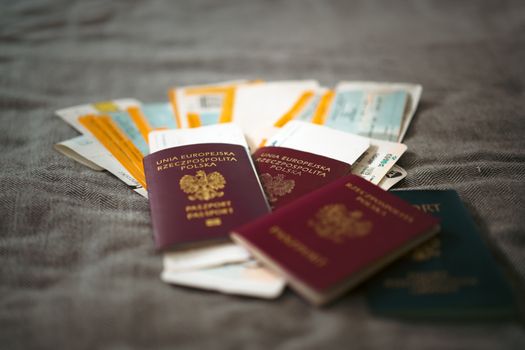
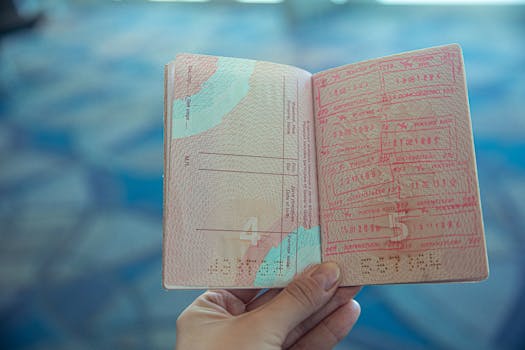
The air was thick with the smell of stale airplane and desperation. My flight from Tokyo had landed at LAX, and after 11 hours crammed into an economy seat, all I wanted was my bed. But there I was, caught in a serpentine line of weary travelers, inching forward at a glacial pace. A quick glance at the clock sent a pang of dread through me – my connecting flight to Denver was in just two hours. The line hadn't moved more than ten feet in the last twenty minutes. Panic started to set in.
"This is insane," I muttered to the stranger beside me, who merely grunted, equally defeated. Families with screaming toddlers, business travelers frantically checking their watches, backpackers slumped against their luggage – we were all united in our misery, held captive by the customs queue. I ended up missing my connection, spending an extra night in LA, and kicking myself for not knowing the tricks I now live by.
That day was a turning point. It ignited a quest to conquer the dreaded border crossing, to find every possible shortcut, every insider hack that could shave precious minutes, even hours, off the process. And let me tell you, fellow adventurers, I’ve found them. These aren't just minor adjustments; these are game-changers. Get ready to have your mind blown, because these customs tricks will not only save you hours but also transform your entire travel experience from stressful to seamless.
1. The Pre-Arrival Power Play: Your Digital Declaration & Documentation Arsenal
The biggest mistake travelers make? Treating customs like an on-the-spot pop quiz. The real pros know the battle is won before you even step foot on the plane. Think of your pre-arrival prep as your secret weapon.
Actionable Advice:
- Digital Declarations are Your New Best Friend: Many countries now offer digital customs declarations that you can complete before you land. Think of Canada’s ArriveCAN app (though its usage varies, always check current requirements), New Zealand’s Traveller Declaration, or Australia’s Digital Passenger Declaration (DPD). Filling these out on your phone or computer during your flight or even days before landing can significantly speed up your process, sometimes even allowing you to use dedicated, faster lines. Personal Anecdote: I once saw a family struggling to fill out paper forms for Australia while the digital lane zipped by. They easily lost 30 minutes. Always check the official government travel sites for your destination!
- Visa Vigilance: This sounds basic, but you’d be shocked how many people get denied boarding or entry because they didn't check visa requirements thoroughly. Don't just Google "visa for [country]"; go to the official embassy website. Some countries, like India or China, require complex applications well in advance. Others, like Vietnam, offer e-visas that need approval before arrival. Pro Tip: Some premium credit cards or travel agencies offer concierge services that can help with visa applications – a lifesaver for complex ones.
- Document Duplication & Digitalization: Always carry physical copies of your passport, visa, flight itinerary, hotel bookings, and travel insurance. But don't stop there! Scan them and save them to a cloud service (Google Drive, Dropbox) and email them to yourself. This is your emergency backup. Insider Tip: Keep a dedicated, easily accessible folder in your travel bag with all physical documents. When the customs officer asks for your passport, you’re not fumbling through your carry-on.
- Medication & Prohibited Items Check: Traveling with prescription medication? Research the destination country's rules before you go. Japan, for example, has strict rules on certain over-the-counter and prescription drugs. Always carry medication in its original packaging with a doctor's note, especially for controlled substances. And for the love of all that is holy, check prohibited items. Australia and New Zealand are notoriously strict about biosecurity – no fresh fruit, plants, or undeclared food items. Personal Story: My friend almost had her entire bag searched at Sydney Airport because she forgot about a single apple she'd packed for a snack. It took an extra 45 minutes!
2. The Tech Advantage: Global Entry, E-Gates & Mobile Magic
This is where the real time-saving magic happens. If you’re a frequent international traveler, investing in trusted traveler programs and leveraging automated systems is non-negotiable.
Actionable Advice:
- Global Entry (USA) & NEXUS (USA/Canada): If you travel to the US frequently, Global Entry is your golden ticket. For a non-refundable fee of $100 (often reimbursed by premium travel credit cards like the Chase Sapphire Reserve or Amex Platinum) for five years, you get expedited customs processing. You simply scan your passport at a kiosk, get a receipt, and head straight to baggage claim. NEXUS is similar for US-Canada travel, often even faster for land crossings. Personal Anecdote: After that LAX nightmare, I applied for Global Entry. The very next time I landed at JFK from London, I was through customs in under 5 minutes while the regular line stretched for hundreds of feet. It felt like I was cheating!
- E-Gates & Automated Border Control: Many countries, especially in Europe (Schengen Area), the UK, Australia, New Zealand, and Singapore, have E-gates for eligible passport holders. These use facial recognition or fingerprint scanning to verify your identity, allowing you to bypass human officers. Check if your passport is biometric and if your nationality qualifies. Details: UK E-gates are available to citizens of the UK, EU, EEA, Switzerland, Australia, Canada, Japan, New Zealand, Singapore, South Korea, and the USA.
- Mobile Passport Control (MPC) App (USA): This free app allows eligible travelers to submit their passport and customs declaration information via their smartphone or tablet before speaking to a Customs and Border Protection officer. You get a QR code, which you then present at a dedicated MPC lane. It's not Global Entry, but it's a fantastic alternative for those without it, often significantly faster than regular lines. Personal Story: I’ve used MPC at Miami International Airport with my family when Global Entry wasn't an option for everyone, and we sailed through in about 15 minutes while the main lines were easily an hour long.
3. Strategic Timing & Route Planning: The Art of the Uncrowded Path
Sometimes, it’s not what you do, but when and where you do it. Border crossings aren't always a free-for-all; there are rhythms and patterns you can exploit.
Actionable Advice:
- Off-Peak Perfection: Just like avoiding rush hour traffic, aim for off-peak times at borders. Early mornings (before 8 AM), late evenings (after 9 PM), and mid-week (Tuesday-Thursday) often see lighter crowds. Weekends and major holidays are generally a customs gauntlet. Specific Example: Crossing the US-Mexico border at San Ysidro in the middle of a Tuesday afternoon is a vastly different experience than a Friday evening.
- Lesser-Known Land Crossings: If you're crossing a land border, research alternative checkpoints. The main ones are always the busiest. Personal Anecdote: Traveling from Thailand to Laos, instead of using the main Friendship Bridge near Nong Khai (which can be a zoo), I opted for a smaller crossing further north. It was slower to get to, but the actual border process took minutes, not hours, and felt incredibly authentic.
- Connecting Flight Buffer: If your international flight requires you to clear customs in a transit country before continuing to your final destination, build in a generous buffer. A 2-hour layover might seem fine on paper, but after deplaning, customs, baggage claim, re-checking luggage, and security, it can easily turn into a missed flight. Pro Tip: Aim for at least 3-4 hours for international-to-domestic connections, especially at major hubs like LAX, JFK, or Heathrow.
4. Mastering the Declaration Form: Honesty, Clarity & The "Nothing to Declare" Myth
The customs declaration form, whether paper or digital, is not a suggestion – it’s a legal document. Treating it with respect and honesty is paramount.
Actionable Advice:
- Honesty is the Only Policy: Seriously, don't try to hide anything. Customs officers are trained professionals, and they've seen it all. Getting caught trying to conceal items or making false declarations can lead to fines, confiscation, or even denial of entry. It's simply not worth the risk.
- Clarity and Completeness: Fill out every section clearly and legibly. If using a paper form, use a pen (not pencil!) and print. Don't leave blanks. If something doesn't apply, write "N/A."
- Understanding "Goods to Declare": This is where many travelers stumble. It's not just about duty-free alcohol and tobacco. It includes gifts (especially if over a certain value), commercial samples, large sums of currency (often over $10,000 USD or equivalent), and specific food items (even packaged ones, depending on the country). When in doubt, DECLARE IT. Personal Story: I once bought a beautiful handmade rug in Morocco that was worth quite a bit. I declared it, explained it was a personal item, and had no issues. Had I tried to sneak it through, I could have faced a massive headache.
- The "Nothing to Declare" Line: This is for travelers who genuinely have nothing to declare beyond their personal effects within limits. If you've purchased items abroad, received gifts, or are carrying anything that might be questionable, always go through the "Goods to Declare" line. It might take a few extra minutes, but it saves you from potential secondary screening and heavy questioning at the "nothing to declare" lane if something is found.
5. The Art of Presentation & Demeanor: Your First Impression Matters
You might think customs officers are robots, but they're human. Your demeanor and presentation can subtly influence the speed and ease of your interaction.
Actionable Advice:
- Dress Presentably (Not Formally): You don't need a suit, but don't look like you just rolled out of bed after a week-long rave. Clean, tidy, and respectful attire helps create a positive first impression. It signals that you take the process seriously.
- Be Polite, Respectful, and Concise: A simple "hello" and "thank you" go a long way. Answer questions directly and honestly, without offering excessive, unsolicited information. Keep your answers brief and to the point.
- Eye Contact & Confident Posture: Look the officer in the eye (unless culturally inappropriate for the destination). Stand tall, don't slouch. Confidence, not arrogance, is key. It shows you have nothing to hide.
- Have Documents Ready: Don't wait for them to ask. Have your passport open to the photo page, boarding pass, and any other requested documents (visa, declaration form) ready in your hand. This saves time and shows preparedness.
- No Jokes About Security: This should be obvious, but never, ever joke about bombs, drugs, or anything security-related. Customs officers are not amused, and it can lead to serious delays and questioning. Personal Anecdote: I once witnessed a guy jokingly ask if his "bag of suspicious white powder" (it was protein powder) was okay. He was immediately pulled aside for a thorough search, delaying everyone else in his group. Don't be that guy.
6. Unconventional Hacks & Insider Tips: Beyond the Obvious
Sometimes, the smallest details or lesser-known programs can make the biggest difference.
Actionable Advice:
- APEC Business Travel Card (ABTC): If you're a frequent business traveler to economies in the Asia-Pacific region, the ABTC is a game-changer. It grants eligible business people fast-track entry and exit through special APEC lanes at major international airports, and in many cases, visa-free entry. It's a significant investment in time and application, but invaluable for high-frequency travelers.
- Credit Card Perks for Trusted Traveler Programs: As mentioned, many premium travel credit cards offer reimbursement for Global Entry or NEXUS application fees. Check your card's benefits! This makes the decision to apply a no-brainer.
- Always Carry a Pen: Sounds trivial, right? But how many times have you been handed a paper form at the last minute and had to hunt for a pen, only to find the one you borrowed is running out of ink? A reliable pen is a small but mighty tool.
- Pack Smart to Avoid Red Flags: While you shouldn't hide anything, how you pack can influence perceptions. Avoid overly cluttered or messy bags that might look suspicious on an X-ray. Keep electronics accessible for easy removal if required. If you have snacks, keep them in original, sealed packaging to avoid questions about fresh produce.
- Learn Basic Local Phrases: A simple "hello," "thank you," and "excuse me" in the local language shows respect and can often smooth interactions, even with customs officers.
7. Emergency Preparedness: What to Do When Things Go Sideways
Even with all the hacks, sometimes things don't go as planned. Being prepared for the unexpected is the ultimate trick.
Actionable Advice:
- Secondary Screening: Stay Calm and Comply: If you're pulled aside for secondary screening, don't panic. Stay calm, be polite, and fully cooperate with the officers. They are doing their job. Answer all questions honestly and directly. Do not argue or become agitated. This process is usually routine and resolves quickly if you have nothing to hide.
- Know Your Rights (But Don't Assert Them Aggressively): While it's good to be aware of your basic rights as a traveler, aggressively asserting them at the border is rarely productive and can escalate the situation. Focus on cooperation.
- Embassy/Consulate Contacts: Have the contact information for your country's embassy or consulate in your destination country saved in your phone and written down somewhere accessible. In rare, serious situations, they can offer assistance.
- Travel Insurance for Delays: Good travel insurance can mitigate the financial impact of missed connections due to customs delays. Check your policy for coverage related to travel interruptions.
The Ultimate Takeaway: Travel Smarter, Not Harder
My days of sweating it out in endless customs lines are long gone, and yours can be too. These aren't just tips; they're a philosophy of proactive, informed travel. By implementing these customs tricks – from leveraging tech and trusted traveler programs to strategic planning and mastering your demeanor – you’re not just saving time; you’re reclaiming your precious travel moments. You’re turning potential stress into seamless transitions, allowing you to arrive at your destination refreshed and ready to explore, not utterly exhausted.
Imagine landing after a long flight, walking past hundreds of people in line, flashing your Global Entry card, and being out in minutes. That feeling? It’s pure travel bliss. It’s what Tripsora is all about.
Now it's your turn! Which of these tips are you most excited to try? Do you have your own secret customs hack? Share your wisdom in the comments below! Let's build a community of savvy travelers who conquer borders, not dread them.
#CustomsHacks #TravelSmart #BorderBreeze #TripsoraTips #NoMoreLines
---