The year was 2019. I was fresh off a stressful trip through a major European capital, where I’d spent more time deciphering complex metro maps, calculating zone fares, and fumbling for change than I had actually enjoying the sights. My wallet felt lighter, my mind felt cluttered, and I was convinced that navigating public transport was the necessary evil of urban exploration. Then, something truly mind-blowing happened: I boarded a bus in Luxembourg City, fully prepared to purchase a ticket, only to be met with a friendly wave from the driver and the words, “No need, it’s free!”
My jaw practically hit the floor of that pristine bus. Free? Completely free? For everyone? Yes. And in that moment, a fundamental pillar of my travel philosophy crumbled and rebuilt itself anew. The concept of countries with free public transportation wasn't just a budget hack; it was a paradigm shift, a liberation that changed my life forever. It wasn't just about saving a few euros; it was about the freedom, the spontaneity, and the profound mental peace that came with truly unburdened exploration. This isn't just a travel trend; it's a movement, and it's one you absolutely need to experience.
The Grand Duchy's Grand Gesture: Luxembourg's Seamless Network
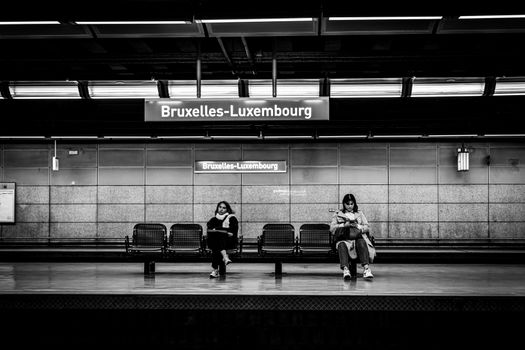
Luxembourg, a nation often overlooked in favor of its larger European neighbors, became the world's first country to make all public transport – buses, trams, and trains – entirely free for everyone, residents and tourists alike, on March 1, 2020. I was lucky enough to experience it just before the official launch, during a trial period, and the impact was immediate and profound.
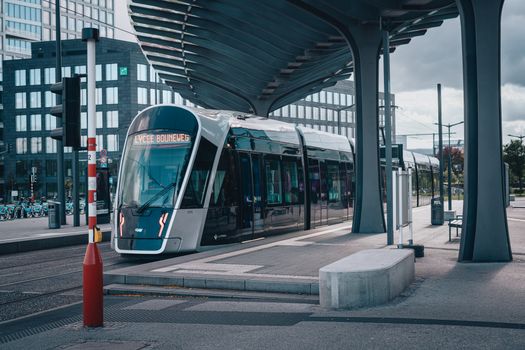
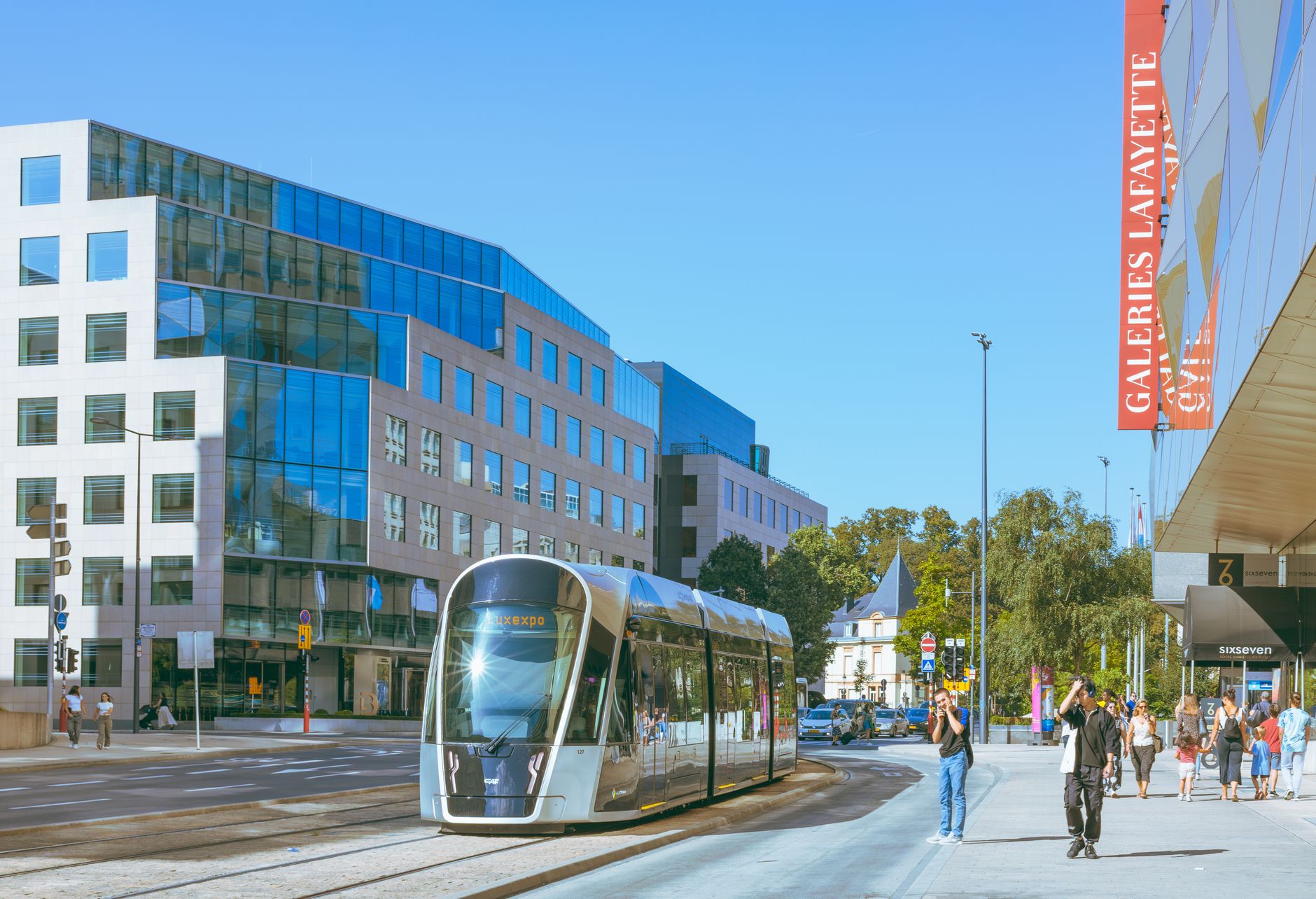
Stepping onto a tram in Luxembourg City felt different. There was no rush to find a ticket machine, no anxiety about validating a pass, no second-guessing if I was in the right zone. It was pure, unadulterated freedom. I remember hopping on the modern tram near the central station, gliding effortlessly towards the Kirchberg Plateau, a hub of European institutions. Instead of focusing on the ticket, my eyes were free to wander, absorbing the stunning mix of historic architecture and sleek, contemporary buildings.
My Personal Anecdote:
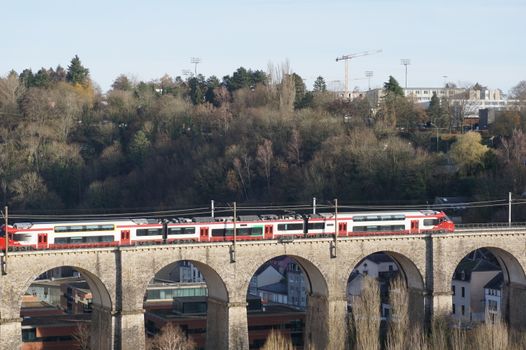
One afternoon, I found myself in the beautiful old town, known as the Grund, nestled in the valley. I'd spent hours exploring its cobbled streets and charming cafes. Usually, the thought of a steep climb back up to the city center would have me mentally calculating taxi fares or begrudgingly slogging up the hill. But with free public transport, I simply walked to the nearest bus stop, hopped on a bus, and was whisked back up to the plateau in minutes. No stress, no cost, just pure convenience. Later that week, I decided on a whim to take a train to Vianden, a picturesque town famous for its stunning medieval castle. A 45-minute train ride, completely free, transported me to a completely different landscape, allowing me to explore another facet of Luxembourg without a single ticket purchase. It felt like unlocking a cheat code for travel.
Practical Tips for Luxembourg:
* Download the "Mobiliteit.lu" app: While you don't need tickets, this app is invaluable for real-time schedules, route planning, and understanding the network.
* Embrace spontaneity: See a charming village signposted from the train? Hop off and explore! The next train is free, too.
* Combine with walking: Luxembourg City is compact, but the free transport helps you cover longer distances or navigate its hilly terrain with ease.
* Instagram Moment: Capture the juxtaposition of the modern trams against the ancient fortifications of the Grund or the panoramic views from the Kirchberg Plateau.
Beyond Borders: Dunkirk's Bold Move – A City Case Study
While Luxembourg is a country-wide phenomenon, the movement towards free public transport is also gaining traction at a city level, and Dunkirk, France, stands out as a pioneering example. Since September 2018, all buses in Dunkirk have been completely free for everyone – residents and tourists alike. This wasn't just a gesture; it was a deliberate strategy to revitalize the city, reduce car usage, and foster social cohesion.
My visit to Dunkirk was driven by curiosity. Could a city truly thrive with this model? The answer was a resounding yes. The buses were clean, frequent, and surprisingly bustling, not just with tourists but with locals going about their daily lives. The atmosphere on board was noticeably more relaxed; no one was fumbling for change, validating tickets, or arguing with drivers. It was simply a shared space for movement.
My Personal Anecdote:
I used the free buses to explore parts of Dunkirk I might never have reached otherwise. I started at the impressive Port Museum, then hopped on a bus to the expansive Malo-les-Bains beach, a beautiful stretch of sand perfect for an afternoon stroll. Later, I took another bus to the historic Fort des Dunes, a solemn but important site. The ease of getting around meant I could explore these diverse attractions without ever thinking about cost or logistics. It felt incredibly liberating to just hop on, enjoy the ride, and hop off wherever something caught my eye. This level of uninhibited exploration truly allows you to connect with the city on a deeper, more authentic level.
Practical Tips for Dunkirk:
* Check the DK'Bus network: familiarize yourself with the main routes. The network is well-designed and covers all major points of interest.
* Explore beyond the city center: Don't just stick to the main attractions. Use the free buses to discover local neighborhoods, markets, and less-visited gems.
* Observe local life: The buses are a fantastic window into the daily rhythm of Dunkirk. It's a great opportunity for people-watching and soaking in the local culture.
* Instagram Moment: The vibrant street art often found near bus stops, or a shot of the modern bus against the historic backdrop of the port.
Free Transit, Free Mind: The Mental Shift
Beyond the obvious financial savings, the most profound impact of free public transportation on my travels has been the mental liberation. Travel, even the most enjoyable kind, often comes with a subtle layer of stress: the fear of missing a connection, the confusion over ticket zones, the constant vigilance against fines, or the simple frustration of a broken ticket machine. When all that disappears, something truly magical happens.
My Personal Anecdote:
I remember a moment in Luxembourg where I was chatting with a local on a bus, asking for recommendations. He suggested a tiny bakery a few stops further than my planned destination. Normally, I'd hesitate – "Is it worth the extra ticket?" "How much will it cost?" But with free transport, the decision was effortless. "Absolutely!" I said, and hopped off at the next stop, discovering one of the most delicious pastries of my life. This kind of spontaneous exploration, driven purely by curiosity and local recommendations, becomes the norm when the barrier of cost and complexity is removed. It fosters a more relaxed, present, and joyful way of experiencing a new place. You're not just a tourist; you're an explorer, unburdened.
This mental freedom translates into:
* Reduced Decision Fatigue: No more agonizing over which ticket to buy or whether to walk or take a short ride.
* Enhanced Spontaneity: You're more likely to follow a whim, explore a new neighborhood, or revisit a favorite spot.
* Greater Engagement: With fewer logistical worries, you can focus more on the scenery, the people, and the experience itself.
* Embracing Slow Travel: You can take your time, hop on and off, and truly immerse yourself without feeling rushed or financially penalized for a short journey.
Unlocking Hidden Gems: Exploring Deeper
One of the greatest joys of free public transport is its ability to democratize access to an entire region. Tourist attractions are often clustered in city centers, but the real soul of a place often lies in its residential neighborhoods, local markets, and outlying areas. With free transport, these "hidden gems" become effortlessly accessible.
My Personal Anecdote:
During my time in Luxembourg, I decided to take a bus purely out of curiosity to a residential area outside the main city. I ended up stumbling upon a beautiful park with stunning views I wouldn't have known existed, filled with locals enjoying their afternoon. I found a charming, non-touristy cafe, had a delicious coffee, and simply watched the world go by. This kind of authentic, unscripted experience is invaluable. In a city where every bus ride is "free," you're much more inclined to venture off the well-trodden path. It encourages a more adventurous spirit, pushing you to see beyond the guidebooks and discover your own unique moments. It’s like having an all-access pass to the entire destination.
This also means:
* Connecting with Locals: You're more likely to share a ride with daily commuters, offering opportunities for brief chats or simply observing local life.
* Supporting Local Businesses: Venturing into local neighborhoods often means discovering authentic eateries, boutiques, and services that might not cater to the typical tourist crowds.
* Sustainable Exploration: By utilizing public transport, you're contributing to a more sustainable form of tourism, reducing your carbon footprint compared to taxis or rental cars.
Practicalities & Planning: Making the Most of Free Rides
While the concept of free public transport is glorious, a little preparation still goes a long way to maximize your experience.
- Verify for Tourists: Always double-check if the free transport applies to everyone or just residents. Luxembourg and Dunkirk are genuinely free for all. Tallinn, Estonia, for example, offers free public transport, but primarily for registered residents, though tourists can still purchase affordable tickets. It's crucial to confirm the specific policy of your chosen destination. A quick search for "[City/Country] free public transport for tourists" usually clarifies this.
- Download Local Transport Apps: Even without tickets, these apps are your best friend for real-time schedules, route planning, and understanding the network. Google Maps is also incredibly useful.
- Understand the Network: Take a few minutes to look at a map of the bus/tram/train lines. This helps you get a sense of the city's layout and where different lines can take you.
- Observe Local Customs: Even though it's free, respect local etiquette. Let people off before you board, offer seats to those who need them, and avoid blocking doorways.
- Safety First: While generally very safe, always be aware of your surroundings, especially during off-peak hours or in less-frequented areas. Keep your belongings secure.
- Combine with Walking/Biking: Free transport is fantastic, but don't forget the joy of exploring on foot or renting a bike for shorter distances. Often, the best way to discover a city is by combining different modes of travel.
- Share Your Experience: Use social media to spread the word! Tag your photos with #FreeTransitTravel or #TripsoraAdventures to inspire others to explore these incredible destinations.
The Future of Travel: A Call to Action
My experiences in countries and cities embracing free public transportation have been nothing short of transformative. It’s not just about saving money; it’s about a deeper, more authentic, and infinitely more enjoyable way to explore the world. It’s a vision of travel where the journey itself is as stress-free and enriching as the destination.
This movement is growing, driven by environmental concerns, social equity, and the desire to make cities more livable and accessible for everyone. As travelers, we have the power to support these initiatives by seeking out and celebrating destinations that prioritize such progressive policies.
So, next time you're planning your adventure, look beyond the usual suspects. Consider destinations like Luxembourg or Dunkirk, where the simple act of hopping on a bus or tram can unlock a whole new dimension of travel. You might just find that shedding the burden of transit tickets changes your life, and your travels, forever. Which destination will be your first free ride?
Share your thoughts in the comments below! Have you experienced free public transport? Where should Tripsora go next to explore this incredible trend?
---