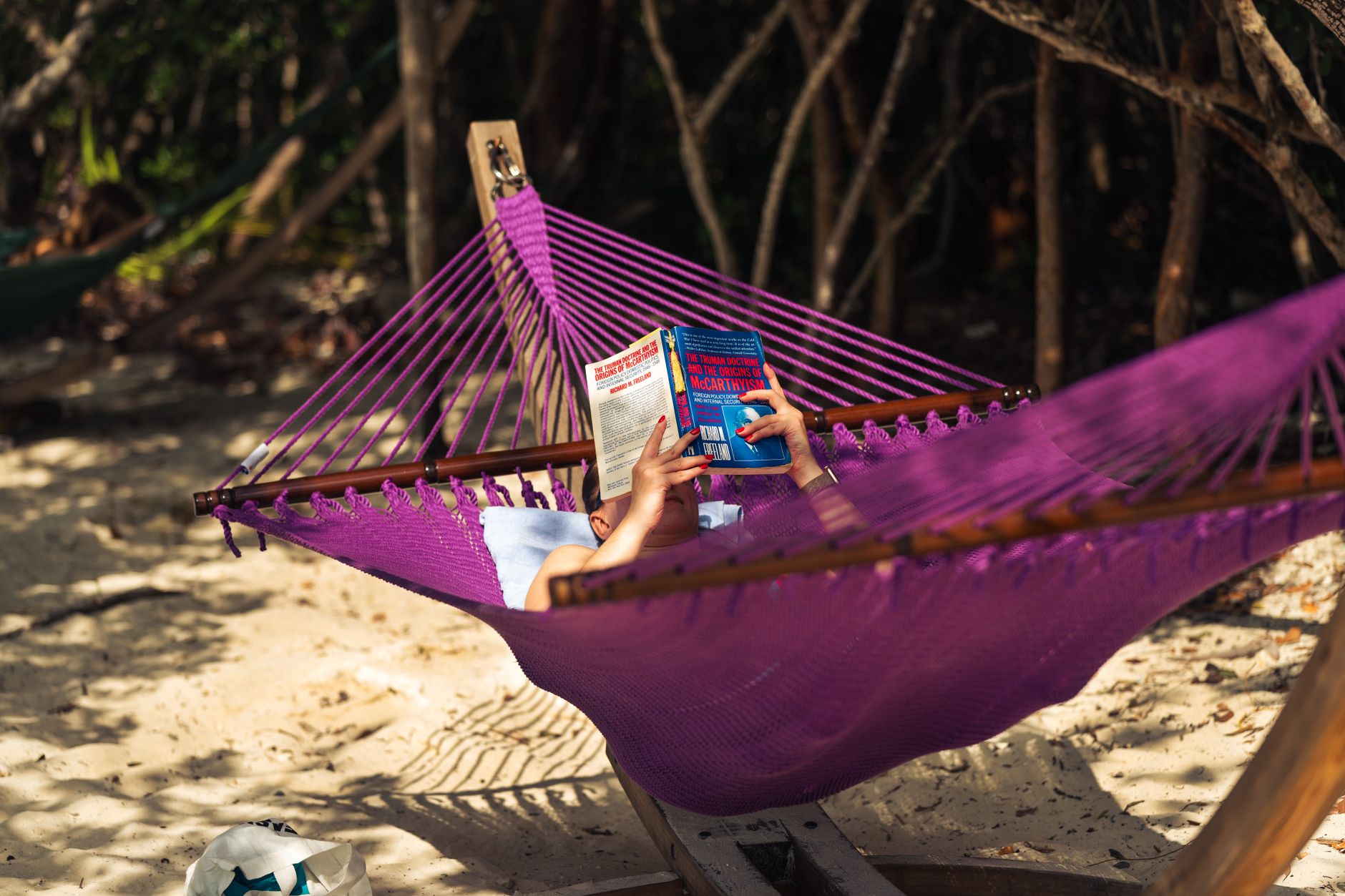
Embrace the Art of Slow: Your Spring Escape Awaits
I stepped off the train in a small Italian town, the scent of freshly baked pane mingling with the distant chime of church bells. Sunlight, warm and buttery, painted the terracotta rooftops in hues of ochre and rose. There were no rushing crowds, no frantic dash to tick off sights. Just the gentle hum of local life, the murmur of conversations in a language I barely understood, and the intoxicating promise of a day lived at a pace dictated by the sun, not a schedule. This, my friends, is slow travel. And this spring, an increasing number of countries are not just embracing it, but actively incentivizing it. Forget the whirlwind tours; it's time to dive deep, linger longer, and truly experience a place.
The Rise of the Mindful Wanderer: Why Slow Travel is Trending
The world is waking up. We're tired of the superficial, the fleeting glimpses. We crave connection, authenticity, and a deeper understanding of the places we visit. Slow travel isn't just a trend; it's a movement. It’s about immersion, not just observation. It’s about building relationships, not just collecting souvenirs. It’s about contributing positively to local communities, not just passing through. And this spring, several forward-thinking nations are recognizing this shift, rolling out initiatives to welcome those who choose to tread lighter, stay longer, and engage more profoundly.
Portugal: The Digital Nomad's Dream with a Slow Travel Twist
Portugal has been a beacon for digital nomads for years, but their incentives go beyond just Wi-Fi. They’ve actively cultivated an environment that encourages longer stays and deeper integration into local life. Imagine basing yourself in a sun-drenched Algarve villa for a month, your mornings filled with surfing lessons and your afternoons spent exploring whitewashed villages.
Lisbon & Porto: Beyond the Tourist Trail
While Lisbon and Porto are undeniable draws, the real magic of slow travel in Portugal lies in venturing beyond. Think the rolling vineyards of the Douro Valley, the historic university city of Coimbra, or the laid-back charm of the Azores islands.
Pro-Tip:
Consider the Azores for a truly unique slow travel experience. The pace of life is incredibly relaxed, and the volcanic landscapes offer unparalleled natural beauty for hiking and exploration. Look for local guesthouses (quintas) for an authentic stay.
Quick Facts: Portugal
| Feature | Details |
| :--------------- | :----------------------------------------------------------------------------------------------------------- |
| Estimated Cost | $ (Budget-friendly to Mid-range) - Portugal remains one of Western Europe's most affordable countries. |
| Best Time to Visit | Spring (March-May) for pleasant weather and fewer crowds, Autumn (September-November) for harvest festivals. |
| How to Get There | Major international airports in Lisbon (LIS) and Porto (OPO). Excellent train and bus network within the country. |
Greece: Unlocking Island Charms and Ancient Echoes
Greece, the cradle of Western civilization, is now inviting travelers to experience its timeless beauty at a more deliberate pace. Beyond the iconic Santorini sunsets, a wealth of islands and mainland treasures await those willing to linger. The Greek government has been exploring initiatives to attract longer-term visitors, particularly in less-touristed regions.
Crete: A World in Itself
Crete, the largest Greek island, is a microcosm of the country's diverse offerings. From the ancient Minoan palace of Knossos to the rugged Samaria Gorge, and the vibrant city of Chania with its Venetian harbor, you could spend weeks here and still discover new wonders.
Pro-Tip:
Explore the smaller villages in Crete’s interior. You'll find traditional tavernas serving authentic Cretan cuisine (think dakos and kalitsounia!) and experience the legendary Cretan hospitality firsthand. Look for apartments or small villas for longer stays.
The Peloponnese: History and Untamed Beauty
Venture to the Peloponnese peninsula, a land steeped in history and dramatic landscapes. Explore the ancient theaters of Epidaurus and Mycenae, wander through the charming seaside towns of Nafplio and Monemvasia, and hike through the Mani region's stark, captivating beauty.
Quick Facts: Greece
| Feature | Details |
| :--------------- | :--------------------------------------------------------------------------------------------------------------------------------- |
| Estimated Cost | $ (Mid-range) - Can be budget-friendly on less-touristed islands and in mainland towns. |
| Best Time to Visit | Spring (April-May) for wildflowers and pleasant temperatures, Autumn (September-October) for harvest and fewer crowds. |
| How to Get There | Major international airports in Athens (ATH), Thessaloniki (SKG). Frequent ferry services connect the islands. Internal flights available. |
Croatia: Adriatic Serenity and Coastal Delights
Croatia's stunning coastline, dotted with over a thousand islands, is a dream for slow travelers. While Dubrovnik and Split are popular, the country is increasingly promoting its less-visited islands and inland regions, offering incentives for longer stays, especially for remote workers and those seeking a more authentic connection.
The Dalmatian Islands: Beyond the Buzz
Move beyond the popular islands like Hvar and embrace the tranquility of Vis, Korčula, or Mljet. These islands offer crystal-clear waters, charming stone villages, and a slower rhythm of life. Imagine spending your days swimming in secluded coves, enjoying fresh seafood at a konoba, and exploring ancient vineyards.
Pro-Tip:
Look into "digital nomad villages" or co-living spaces that are emerging on some of the less developed islands. These offer community and excellent infrastructure for remote workers.
Istria: A Taste of Tuscany in Croatia
The Istrian peninsula in the north feels like a different country altogether. With its rolling hills, truffle forests, and picturesque medieval towns like Motovun and Grožnjan, it offers a distinctly Tuscan vibe. Wine tasting and olive oil sampling are a must here.
Quick Facts: Croatia
| Feature | Details |
| :--------------- | :----------------------------------------------------------------------------------------------------------------------------- |
| Estimated Cost | $ (Mid-range) - Coastal cities and popular islands can be pricier, but inland and less-visited areas offer better value. |
| Best Time to Visit | Spring (April-May) for blooming nature and pleasant temperatures, Autumn (September-October) for harvest and beautiful foliage. |
| How to Get There | Major international airports in Zagreb (ZAG), Split (SPU), Dubrovnik (DBV), Pula (PUY). Extensive ferry network to islands. |
Slovenia: The Green Heart of Europe Beckons
Slovenia, a compact country boasting incredible diversity, is a haven for nature lovers and those seeking a truly green travel experience. Its commitment to sustainability is reflected in its tourism offerings, with a growing emphasis on community-based tourism and longer stays in its picturesque valleys and alpine regions.
Lake Bled & Bohinj: Alpine Majesty
While Lake Bled is iconic, don't overlook its wilder neighbor, Lake Bohinj. Both offer stunning alpine scenery, opportunities for hiking, kayaking, and simply breathing in the crisp mountain air. Staying longer allows you to explore the surrounding Triglav National Park at a leisurely pace.
Pro-Tip:
Rent a car and explore the smaller villages surrounding the lakes. You'll find charming farm stays (turistične kmetije) offering delicious local produce and a chance to connect with Slovenian rural life.
The Soča Valley: Emerald Waters and Adventure
For the more adventurous slow traveler, the Soča Valley, with its emerald-green river, offers incredible hiking, rafting, and a rich history from WWI. The slower pace here is dictated by the natural world and the need to truly appreciate its raw beauty.
Quick Facts: Slovenia
| Feature | Details |
| :--------------- | :--------------------------------------------------------------------------------------------------------------------------------------- |
| Estimated Cost | $ (Mid-range) - Generally affordable, especially outside of peak tourist seasons. |
| Best Time to Visit | Spring (April-May) for blooming meadows and hiking, Summer (June-August) for swimming and water sports, Autumn (September-October) for vibrant foliage. |
| How to Get There | Ljubljana Jože Pučnik Airport (LJU). Well-connected by train and bus to neighboring countries. |
Italy: Beyond the Tourist Hotspots - Embracing La Dolce Vita
Italy, a perennial favorite, is also seeing a surge in initiatives encouraging slower, more immersive travel. Regions are actively promoting their lesser-known towns and villages, offering incentives for longer stays and encouraging travelers to embrace the Italian philosophy of la dolce vita – the sweet life.
Puglia: Trulli, Coastlines, and Culinary Delights
The heel of Italy's boot, Puglia, is a region of unique conical-roofed trulli houses, stunning coastlines, and incredible food. Towns like Alberobello, Ostuni, and Lecce offer a glimpse into a slower, more authentic Italian experience.
Pro-Tip:
Rent a villa or masseria (fortified farmhouse) for a longer stay. This allows you to truly settle in, explore local markets, take cooking classes, and soak up the Puglian sun at your own pace.
Umbria: The Green Heart of Italy
Often overshadowed by its Tuscan neighbor, Umbria offers equally breathtaking landscapes, medieval towns like Assisi, Orvieto, and Perugia, and a rich culinary tradition. It's the perfect region to slow down, savor the local wines and olive oils, and explore ancient abbeys.
Quick Facts: Italy
| Feature | Details |
| :--------------- | :--------------------------------------------------------------------------------------------------------------------------------------- |
| Estimated Cost | $$ (Mid-range to Higher-end) - Can vary significantly by region. Southern Italy and smaller towns are generally more affordable. |
| Best Time to Visit | Spring (April-May) for pleasant weather and fewer crowds, Autumn (September-October) for harvest season and beautiful colors. |
| How to Get There | Major international airports in Rome (FCO), Milan (MXP), Venice (VCE). Extensive high-speed rail network connects major cities. |
How to Find and Leverage Slow Travel Incentives
The landscape of travel incentives is constantly evolving. Here's how to stay ahead of the curve:
- Digital Nomad Visas: Many countries are now offering specific visas for remote workers, often with requirements for a minimum stay. These are excellent gateways to slow travel.
- Regional Tourism Boards: Directly check the websites of regional tourism boards for specific offers, discounts on longer stays, or curated itineraries designed for immersive experiences.
- Local Accommodation Platforms: Look beyond major booking sites. Platforms focusing on apartments, villas, or unique local stays often have better deals for extended bookings.
- Community-Based Tourism Initiatives: Seek out organizations that promote responsible and community-focused travel. They often have partnerships with local businesses offering discounts to longer-term visitors.
- Embrace the Off-Season: While this guide focuses on spring, remember that shoulder seasons (late spring, early autumn) often provide the best value and fewer crowds, naturally lending themselves to slow travel.
The True Reward: Connection and Lasting Memories
Slow travel isn't just about saving money or avoiding crowds. It’s about the profound satisfaction of truly knowing a place. It’s about the conversations with local artisans, the discovery of hidden trattorias, the quiet moments of reflection in ancient ruins. This spring, as these countries open their arms with enticing incentives, seize the opportunity to trade the hurried checklist for a deeply enriching, unhurried adventure. The memories you make will be far more vibrant, far more lasting, and infinitely more rewarding.