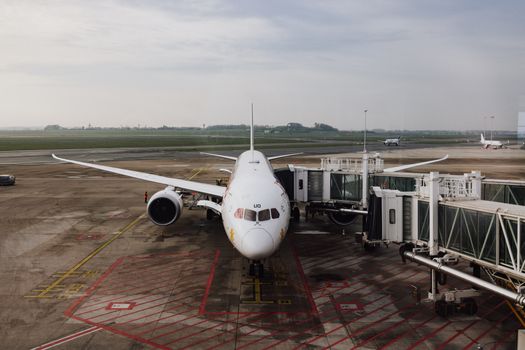
The Airport Renaissance: Unveiling Renovated Havens During Their Quietest Hours
I stepped off the train, the familiar rumble vibrating through my soles, and into the hushed grandeur of a European hub. The air, usually a cacophony of announcements and hurried footsteps, was surprisingly serene. It was early, the kind of dawn that paints the sky in soft pastels, and the usual throng of early risers was still a whisper. But what struck me wasn't just the quiet; it was the palpable sense of newness. Gleaming surfaces, thoughtfully designed seating areas bathed in the gentle morning light, and an almost tangible buzz of anticipation. This wasn't just an airport; it was a preview of something spectacular, a testament to the transformative power of focused renovation during a lull.
The Strategic Pause: Why Airports Are Embracing Closure Periods for Upgrades
The world of travel is a dynamic beast, and airports, the beating hearts of global connectivity, are constantly evolving. In recent years, many have seized upon periods of reduced passenger traffic – whether due to seasonal dips, global events, or strategic planning – to undertake ambitious renovation projects. This isn't just about a fresh coat of paint; it's about reimagining the entire passenger journey, from arrival to departure. These "closure period" renovations are often meticulously planned to minimize disruption, creating opportunities for travelers to experience these transformed spaces in a more intimate, less chaotic setting. It’s a win-win: airports get their upgrades, and savvy travelers get to witness them in their pristine, uncrowded glory.
Spotlight on Transformation: Current Airport Renovation Hotspots
While the specifics of airport renovations are often closely guarded secrets until completion, a few notable hubs are currently undergoing significant upgrades, offering a glimpse into the future of air travel. These projects often focus on enhancing passenger experience, improving efficiency, and integrating sustainable design principles.
Hartsfield-Jackson Atlanta International Airport (ATL): A Focus on Passenger Flow and Modern Amenities
ATL, the world's busiest airport, is no stranger to continuous improvement. While not a complete closure, they are strategically updating key concourses and gate areas during off-peak hours. The focus is on streamlining passenger flow, expanding concessions with a more curated selection of local and international flavors, and upgrading digital infrastructure for seamless connectivity. Imagine wider walkways, intuitive digital signage, and charging stations that actually work.
- Pro-Tip: Aim for mid-week, early morning flights to experience the freshest renovations with fewer passengers. Look for the newly installed ambient lighting in Concourse T – it’s a game-changer for pre-flight relaxation.
Changi Airport, Singapore (SIN): Beyond the Jewel – Evolving Infrastructure
Changi has long been a benchmark for airport excellence, and its commitment to innovation never wavers. While "The Jewel" continues to captivate, ongoing internal renovations are enhancing Terminal 2 and parts of Terminal 3. Expect upgraded check-in areas with more self-service options, refreshed lounges with a focus on biophilic design (think more greenery!), and improved accessibility features throughout. The goal is to make every touchpoint feel more intuitive and luxurious.
- Insider Lingo: They’re calling it the “Seamless Gateway Initiative.” Keep an eye out for the subtle integration of smart technology that anticipates your needs, like personalized gate information appearing on your phone as you approach.
Heathrow Airport, London (LHR): Terminal Redesign for the Modern Traveler
Heathrow is undertaking a phased modernization of its terminals, with significant upgrades happening in Terminal 3 and 4. This isn't just about aesthetics; it's a deep dive into operational efficiency and passenger comfort. Expect redesigned departure lounges with a greater variety of seating, enhanced retail offerings featuring British heritage brands, and a more intuitive layout that reduces the feeling of being overwhelmed. The focus is on creating a sense of calm and order amidst the inevitable hustle.
- Pro-Tip: If you're flying from Terminal 3, seek out the newly opened "quiet zones" – they’re surprisingly effective at muffling the airport din, offering a true sanctuary before your flight.
Tokyo Haneda Airport (HND): Enhancing Domestic and International Connections
Haneda, already renowned for its efficiency, is continuously refining its offerings. While major overhaul projects might not be advertised as "closures," specific areas are undergoing upgrades during off-peak times. Expect enhancements to the domestic terminal's amenities, improved signage for international arrivals, and a subtle but impactful upgrade to the baggage claim areas, aiming for faster retrieval times. The Japanese dedication to precision is evident in every detail.
- Authentic Experience: Look for the subtle integration of traditional Japanese design elements in the new waiting areas – think delicate shoji screens and natural wood accents that evoke a sense of tranquility.
Amsterdam Airport Schiphol (AMS): A Commitment to Sustainability and Passenger Wellbeing
Schiphol is making significant strides in its commitment to sustainability and passenger comfort. While not a singular "closure," various projects are underway to enhance gate areas, improve air quality through advanced filtration systems, and expand the use of natural light. They are also focusing on digital integration, making the passenger journey more seamless and informed.
- Quick Facts:
- Estimated Costs: Varies significantly, but major renovations can run into hundreds of millions of dollars.
- Best Time to Visit (for experiencing renovations): Mid-week, early mornings, or late evenings during off-peak travel seasons (e.g., late January to March, September to November).
- How to Get There: Most major airports are well-connected by public transport (trains, subways) and have extensive parking facilities. Check individual airport websites for specific transit information.
The Art of the Uncrowded Experience: Your Pro-Tips for Navigating Renovated Airports
Experiencing these newly renovated spaces during their "quiet phase" is a privilege. It allows you to appreciate the design, the functionality, and the sheer effort that goes into these transformations without the usual sensory overload. Here’s how to make the most of it:
- Embrace the Early Bird (or Night Owl): As mentioned, the hours just after dawn or late at night often offer the most serene experience. You'll find fewer queues, more available seating, and a general sense of calm.
- Follow the Signage (Intuitively): New layouts can be disorienting. Pay close attention to the updated signage, which is often a key part of the renovation. Many airports are investing in clearer, more intuitive directional systems.
- Seek Out the "Quiet Zones": Many modern renovations include designated quiet areas. These are your sanctuaries for reading, working, or simply decompressing.
- Engage with the Local Offerings: Renovations often include an upgrade to the food and beverage options. This is your chance to sample local delicacies or discover new artisan vendors before they become mainstream. Don't just grab a generic coffee; seek out the independent cafe showcasing regional roasts.
- Appreciate the Details: Look beyond the obvious. Notice the material choices, the lighting design, the integration of art, and the accessibility features. These are the elements that truly elevate the passenger experience.
- Leverage Technology: Download the airport's official app before you go. They often provide real-time updates on gate changes, amenities, and even offer interactive maps of the renovated areas.
- Travel Mid-Week: If your schedule allows, flying on a Tuesday, Wednesday, or Thursday can significantly reduce passenger volume, giving you a more personal experience with the newly renovated facilities.
Beyond the Bricks and Mortar: The Future of Airport Design
These renovations are more than just cosmetic. They reflect a broader shift in how we perceive airports – no longer just transit points, but destinations in themselves. The focus is on creating spaces that are not only efficient but also comfortable, sustainable, and even inspiring. We're seeing a rise in biophilic design, incorporating natural elements to reduce stress; advanced air filtration systems for improved health; and a greater emphasis on digital integration to personalize the travel experience.
The next time you find yourself at one of these evolving hubs, take a moment to appreciate the transformation. You're not just passing through; you're witnessing the future of air travel unfold, often during its most peaceful, unadulterated moments. So, plan your next trip strategically, and be among the first to experience these reborn gateways to the world.
---