The New Frontiers: Countries Investing Billions in Tourism Development Worth Considering
I stepped off the Afrosiyob high-speed train in Samarkand, and for a second, my brain couldn't reconcile the sensory inputs. The air smelled sharply of hot brick, cumin, and the sweet, yeasty aroma of freshly baked non flatbread dusted with black sesame seeds. Above me, the blindingly white, futuristic glass canopy of the newly built terminal gleamed in the desert sun.
Just a fifteen-minute electric taxi ride away, the 15th-century turquoise majolica tiles of the Registan glittered with the exact same intensity they did during the reign of Timur.
This is the reality of modern travel. The destinations that once required grueling overland expeditions or endless logistical headaches are being unlocked by staggering, state-funded capital injections. We aren't talking about minor airport face-lifts. We are talking about the wholesale reimagining of entire regions.
If you want to travel smarter, you need to follow the money. Here are the five countries investing billions in tourism development worth considering for your next passport stamp.
---
1. Saudi Arabia: The Trillion-Dollar Frontier
```
[ The Red Sea Project ] ---> Hyper-luxury eco-resorts on pristine archipelagos
[ AlUla Oasis ] ---> Living museum of Nabataean history and desert art
[ Diriyah Gate ] ---> The mud-brick birthplace of the kingdom reborn
```
The Playbook
Saudi Arabia’s Vision 2030 is the most ambitious tourism expansion project in human history. With over $1 trillion committed to transforming the Kingdom from an oil-dependent economy into a global leisure hub, the scale of development here is almost impossible to comprehend. They aren't just building hotels; they are creating entirely new luxury ecosystems from scratch.
The Vibe
It feels like stepping onto a sci-fi set that has been dropped into an ancient, wind-sculpted desert. In AlUla, the scent of burning frankincense and cardamom-heavy Arabic coffee drifts through sandstone canyons. At night, the sky is so dark and clear that the Milky Way looks like a solid band of light arching over hand-carved Nabataean tombs that have stood silent for two millennia.
The Elite Strategy
* Pro-Tip: Skip the standard daytime group tours of Hegra. Instead, book the exclusive Hegra After Dark experience. You will tour the illuminated tombs in a vintage, open-top Land Rover under a canopy of stars, followed by a traditional storytelling session around a bonfire.
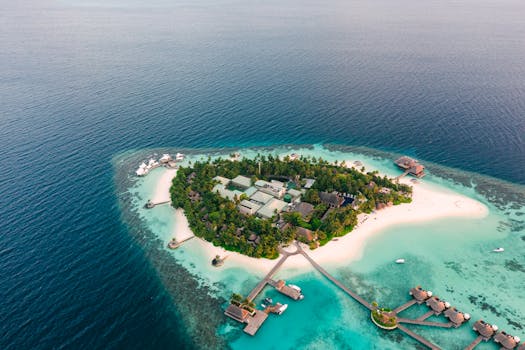
* The Hidden Route: When visiting the Red Sea Project, request a boat transfer to the uninhabited island of Duba. The water here has a clarity that rivals the Maldives, but without a single other tourist boat in sight.
---
2. Uzbekistan: The High-Speed Silk Road Renaissance
```
[ Tashkent ] == (Afrosiyob Bullet Train) ==> [ Samarkand ] == (Bullet Train) ==> [ Bukhara ]
```
The Playbook
Uzbekistan has quietly executed one of the most brilliant tourism turnarounds in Asia. By investing billions into the Spanish-built Afrosiyob high-speed rail network, upgrading international airports, and introducing visa-free entry for over 90 nationalities, this Central Asian gem has made the legendary Silk Road accessible to the modern traveler.
The crowning jewel of this investment is the $580 million Silk Road Samarkand complex, a sprawling luxury resort hub featuring world-class hotels, canal networks, and a recreation of an ancient historical town.
The Vibe
A dizzying blend of Soviet-era brutalism, hyper-modern transit, and soaring Islamic architecture. Walk through Bukhara at dusk, and you will hear the soft clacking of wooden looms from carpet weavers working in medieval trading domes. The air carries the rich, savory smell of lamb plov slow-cooking in massive cast-iron kazans over apricot wood fires.
The Elite Strategy
* Pro-Tip: Afrosiyob high-speed train tickets are notorious for selling out weeks in advance because local agencies buy them in bulk. Do not wait. Tickets open exactly 45 days prior to departure on the Uzbekistan Railways website. If you miss out, head to the ticket office at Tashkent station at 7:00 AM on the day of travel; they keep a small cache of VIP-class tickets reserved for last-minute purchase.
* The Hidden Spot: In Samarkand, skip the main tourist restaurants and head to the residential Mahalla streets behind the Bibi-Khanym Mosque. Look for unmarked wooden doors with a small sign saying "Plov." Here, you'll eat alongside local artisans for a fraction of the price.
---
3. Greece: Reimagining the Athenian Riviera via The Ellinikon
```
[ Historic Athens ] <--- 25 mins ---> [ The Ellinikon ] ---> Europe's largest smart city & coastal park
```
The Playbook
While Greece has always been a tourism powerhouse, Athens has historically been treated as a mere 24-hour stopover on the way to Mykonos or Santorini. That is changing rapidly due to The Ellinikon.
With an estimated budget of over $8 billion, this is Europe’s largest urban regeneration project. Built on the grounds of the abandoned Athens International Airport, this massive development is transforming the southern coastline into a world-class smart city, featuring a three-kilometer public beach, ultra-luxury hotels (including a new Mandarin Oriental), and the largest coastal park in Europe.
The Vibe
This is Mediterranean luxury stripped of its stuffiness. The air smells of wild thyme, pine resin, and the crisp, ozone tang of the Aegean Sea. The architecture is a study in fluid, biophilic design—sleek, glass-fronted towers that reflect the famous golden Athenian light, interspersed with thousands of newly planted native olive trees.
The Elite Strategy
* Pro-Tip: The Ellinikon’s Experience Park is already open to the public. To beat the intense summer heat, visit at 8:00 PM. The park features stunning, interactive light installations set against repurposed runway structures that look spectacular after dark.
* The Hidden Spot: Skip the crowded beaches of Vouliagmeni. Instead, take a coastal tram to the small cove of Limanakia. It’s a series of wooden decks built directly into the rocky volcanic cliffs, where locals dive straight into deep, cold, crystal-clear water. There’s a tiny, unpretentious wooden shack bar there that plays jazz and serves cold Mythos beer until sunrise.
---
4. Rwanda: The High-End Conservation Revolution
```
[ Kigali Airport ] ---> [ Volcanoes National Park ] ---> Ultra-exclusive gorilla trekking lodges
```
The Playbook
Rwanda has taken a radically different approach to tourism development. Rather than chasing mass tourism, the government has invested billions into positioning the country as Africa’s premier eco-luxury destination.
Backed by the construction of the new $2 billion Bugesera International Airport and major investments in road infrastructure, Rwanda has attracted ultra-luxury hospitality brands like Singita, One&Only, and Wilderness Safaris. By charging $1,500 for a single gorilla trekking permit, they fund world-class conservation efforts while keeping tourist numbers low and exclusive.
The Vibe
Primal, pristine, and deeply moving. Mornings in the Virunga Mountains begin with a heavy, cool mist rolling off the volcanic peaks, carrying the damp, herbaceous scent of wild eucalyptus and bamboo. It is a place of quiet luxury, where you spend your day tracking mountain gorillas through dense jungle and your evenings sipping single-origin Rwandan coffee by a roaring stone fireplace.
The Elite Strategy
* Pro-Tip: If the $1,500 gorilla trekking permit is outside your budget, do not skip Rwanda. Book a permit for Golden Monkey Trekking in Volcanoes National Park instead. It costs just $100, the hike is less strenuous, and these hyper-active, orange-furred primates are incredibly entertaining to watch.
* The Hidden Spot: Spend an afternoon at the Ellen DeGeneres Campus of the Dian Fossey Gorilla Fund. The architecture is an eco-friendly masterpiece of local volcanic stone and timber, and the interactive exhibits are entirely free to explore.
---
5. Japan: The Regional Renaissance and Osaka’s Mega-Project
```
[ Tokyo/Kyoto ] ======= (Hokuriku Shinkansen Extension) ======> [ Fukui & Ishikawa Prefectures ]
```
The Playbook
Japan is facing an overtourism crisis in the Tokyo-Kyoto-Osaka corridor. In response, the government is investing billions to divert travelers into lesser-known prefectures. The biggest infrastructure play of late is the extension of the Hokuriku Shinkansen (bullet train) line, which now connects Tokyo directly to the rugged, hot-spring-rich Fukui Prefecture.
Concurrently, Osaka is preparing for the 2025 World Expo with massive investments, including a planned $10 billion integrated resort on Yumeshima Island, which will house Japan's very first legal casino.
The Vibe
A beautiful contrast between the neon-drenched, high-energy bustle of Osaka’s street-food scene and the deep, meditative silence of Fukui’s cedar forests. In the regional areas, you will smell the clean, woody aroma of Hinoki cypress baths and the delicate scent of simmering dashi broth.
The Elite Strategy
* Pro-Tip: Use the newly opened Shinkansen extension to visit Eihei-ji Temple in Fukui. Founded in 1244, it is one of the main temples of Soto Zen Buddhism. Unlike the temples in Kyoto, you won't have to battle crowds here. You can even book an overnight stay (shukubo) to practice Zen meditation side-by-side with resident monks.
* The Hidden Spot: In Osaka, avoid the tourist trap restaurants of Dotonbori. Head instead to Toyo, an outdoor stand in the Kyobashi neighborhood. The legendary chef uses a blowtorch to sear tuna right in front of you while cracking jokes in thick Kansai dialect.
---
The Logistics: Quick Facts & Budget Breakdown
To help you plan your next move, here is a quick-reference guide to the logistics, costs, and best times to visit these rapidly developing destinations.
| Destination | Major Investment Focus | Best Time to Visit | Est. Daily Budget (USD) | How to Get There |
| :--- | :--- | :--- | :--- | :--- |
| Saudi Arabia | Hyper-luxury eco-resorts, heritage preservation (AlUla) | October to April | $250 - $700 (Mid to High) | Fly to Riyadh (RUH) or Jeddah (JED); domestic connection to AlUla (ULH). |
| Uzbekistan | High-speed rail expansion, modern airport hubs | April to June, Sept to Nov | $60 - $150 (Budget-friendly) | Fly to Tashkent (TAS) or Samarkand (SKD) via Turkish Airlines or flydubai. |
| Greece (Athens) | The Ellinikon coastal smart city, luxury hotels | May to June, Sept to October | $150 - $400 (Moderate) | Fly directly to Athens International Airport (ATH), then take the metro or taxi south. |
| Rwanda | Premium eco-tourism, national park conservation | June to September (Dry season) | $400 - $1,200+ (Luxury-focused) | Fly to Kigali International Airport (KGL) via Brussels Airlines, Qatar Airways, or RwandAir. |
| Japan (Fukui/Osaka) | Shinkansen rail extensions, Osaka Expo & Integrated Resort | October to November (Fall foliage) | $120 - $350 (Moderate to High) | Fly to Osaka (KIX) or Tokyo (HND/NRT), then utilize the JR Pass for bullet trains. |
---
The Verdict: Where Should You Go First?
If you are looking for the absolute best value for money before prices catch up to the infrastructure, Uzbekistan is the clear winner. The ease of the Afrosiyob bullet train combined with the sheer wealth of preserved history makes it an unbeatable destination for cultural explorers.
If you want to experience the cutting edge of luxury and witness a country being actively reshaped before your eyes, book a trip to Saudi Arabia. The sheer audacity of the architecture and the pristine nature of the Red Sea coast are unlike anything else on Earth.
The map is changing. Don't wait for these destinations to become household names—go while the paint is still fresh.
---