The Thwack of Progress: A New Era of Entry
I stepped off the high-speed Afrosiyob train in Samarkand, and the air smelled of toasted cumin, diesel, and ancient dust. Just five years ago, the process of getting here involved a grueling three-week wait, a stack of notarized letters, and a stern interview at an embassy that looked like a bunker. Today? I scanned a QR code on my phone, the border guard gave me a curt nod, and the "thwack" of the ink hitting my passport page felt like the sound of a door swinging wide open.
The map of the world is being redrawn, not by conquest, but by codes. According to recent data from the Henley Passport Index and IATA, the "Global South" and several historically closed-off nations are aggressively deregulating their borders. Whether it’s to court digital nomad dollars or to pivot away from oil-dependency, these are the countries accepting previously restricted nationalities according to recent data.
---
1. The Kingdom’s Pivot: Saudi Arabia’s Tourism Renaissance
For decades, Saudi Arabia was the "final frontier" for non-religious travelers. Unless you were a Muslim pilgrim or a high-level oil consultant, the Kingdom was a black box. That changed almost overnight with the introduction of the Saudi e-Visa.
Recent data shows that citizens from over 63 countries—including many previously restricted Western and Asian nationalities—can now secure an entry permit in under 10 minutes online. The goal? 100 million visitors by 2030. They aren't just letting people in; they are rolling out the red carpet.
- The Vibe: A dizzying mix of hyper-modernity (NEOM) and ancient Nabataean ruins (Hegra) that rival Petra but without the 5,000 tourists in selfie-sticks.
- Pro-Tip: Don't just stick to Riyadh. Take the "Haramain" high-speed rail to Medina. While non-Muslims cannot enter the Prophet's Mosque, the city itself is now open, and the architecture of the new stations is a masterclass in desert-futurism.
- Insider Detail: When visiting AlUla, skip the mainstream hotels and look for "Shaden Resort." It’s built into the sandstone canyons; the silence at night is heavy enough to feel.
2. The Silk Road Unlocked: Uzbekistan & Kazakhstan
Central Asia used to be the boss-level of visa bureaucracy (the dreaded LOI—Letter of Invitation). However, Uzbekistan’s 2019 pivot and Kazakhstan’s recent expansion of visa-free entry for over 80 nationalities have turned the region into a traveler’s playground.
Data indicates a 40% year-on-year increase in arrivals from previously restricted South Asian and European markets. They’ve replaced KGB-style surveillance with high-speed trains and English-speaking "Tourist Police."
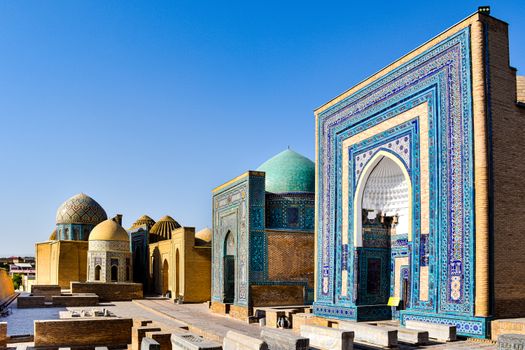
- The Vibe: Brutalist Soviet architecture meeting turquoise-domed mosques. It feels like being in a Wes Anderson film set in the 14th century.
- Pro-Tip: In Tashkent, the metro stations are underground palaces. Visit the Kosmonavtlar station—it’s a blue-hued tribute to Soviet space exploration that will make your Instagram feed go nuclear.
- Insider Detail: Order "Plov" at the Central Asian Plov Centre at 11:30 AM sharp. If you arrive after 1 PM, the giant cauldrons are scraped clean.
3. The Balkan Bridge: Albania’s Mediterranean Secret
Albania was once the North Korea of Europe—completely sealed off under a paranoid communist regime. While it has been "open" for a while, recent data shows a massive shift in its visa-liberalization policy for previously restricted nationalities from the Middle East and South America.
Albania is positioning itself as the "Anti-Greece." It’s affordable, rugged, and has a hospitality code called Besa—a sacred promise to protect any guest.
- The Vibe: Turquoise water that puts the Amalfi Coast to shame, backed by the jagged "Accursed Mountains."
- Pro-Tip: Head to the village of Theth. The "Blue Eye" (Syri i Kaltër) is a water spring of such intense sapphire that photos look photoshopped. Arrive at 7:00 AM to beat the hikers coming from Shkodër.
- Insider Detail: Try Flija—a multi-layered crepe-like dish cooked over coals. It takes five hours to make; if someone offers it to you, it’s a high honor.
4. The Digital Nomad Wave: Brazil & Southeast Asia
Brazil recently made headlines by delaying visa requirements for US, Canadian, and Australian citizens, but the real data story is their new Digital Nomad Visa. They are opening doors to nationalities that previously struggled with long-term residency.
Similarly, Thailand’s "Long-Term Resident" (LTR) visa is a direct response to data showing that high-skill travelers from previously restricted "developing" nations provide more economic stability than short-term backpackers.
- The Vibe: High-speed Wi-Fi in a jungle hut.
- Pro-Tip: In Brazil, skip the Rio beaches for a weekend and go to Ouro Preto. It’s a colonial gold-rush town with steep cobblestone streets and baroque churches dripping in real gold.
- Logistics: The Brazilian nomad visa requires proof of $1,500 monthly income—a low bar compared to European counterparts.
5. The Gulf Shift: Qatar and the UAE
Post-World Cup, Qatar has leveraged its "Hayya" platform to allow easier access for nationalities that were historically scrutinized. The UAE has followed suit with "Green Visas" and "Golden Visas," decoupling residency from employer sponsorship. This is a seismic shift for Indian, Pakistani, and Filipino professionals who previously faced restricted mobility.
- The Vibe: Luxury that feels like it’s from the year 3000.
- Pro-Tip: In Qatar, don't just stay in the Pearl. Go to the Souq Waqif at night. The falcon hospital is right there—you can watch as million-dollar birds get "pedicures."
- Insider Detail: The best Karak tea in Doha isn't in a cafe; it’s from the "Tea Time" window where locals honk their horns for service.
---
Quick Facts: The Logistics of the "New Open"
| Country | Entry Type | Avg. Cost (Visa) | Best Time to Visit | Primary Draw |
| :--- | :--- | :--- | :--- | :--- |
| Saudi Arabia | E-Visa / VOA | ~$120 | Nov – March | AlUla & Red Sea |
| Uzbekistan | Visa-Free / E-Visa | $0 - $20 | May & September | Silk Road Cities |
| Albania | Visa-Free (mostly) | $0 | June & September | The Albanian Riviera |
| Brazil | E-Visa / Nomad | $80 | Dec – March | Fernando de Noronha |
| Kazakhstan | Visa-Free | $0 | May – June | Almaty Mountains |
---
The "Why" Behind the Data
Why is this happening now? Three reasons:
1. Economic Diversification: Tourism is the fastest way to inject foreign currency into an economy.
2. Soft Power: A country that is easy to visit is a country that is hard to hate.
3. The Remote Work Revolution: Countries are now competing for "human capital," not just tourists.
How to Navigate the "New Open"
Even though the data says these countries are accepting previously restricted nationalities, the "ground truth" can be different.
- Check the IATA Travel Centre: This is the same database airlines use. If they say you’re good, you’re usually good.
- The "Dual Passport" Strategy: If you hold dual citizenship, recent data suggests using the passport with the strongest diplomatic ties to the destination—but always ensure your entry and exit stamps match the same book.
- Respect the Pivot: These nations are in a state of transition. Be a "good" guest. In Saudi, dress modestly even where it’s not strictly required. In Albania, learn the word Faleminderit (thank you). It goes miles.
Final Thoughts
The "restricted" label is dying. As we move into 2025, the data suggests that the "Passport Power" gap is narrowing. The world is no longer a gated community; it’s an open market. The only question left is: which newly opened border will you cross first?
---