The Hook: Salt, Sweat, and the Sound of the Pacific
I stepped off the small prop plane in Puerto Jiménez, and the air hit me like a warm, damp towel soaked in the scent of fermenting cacao and crushed hibiscus. My shirt was plastered to my back within minutes, but I didn't care. I wasn't there for a resort pool. I was there because, according to recent biodiversity data, the Osa Peninsula holds 2.5% of the world’s living species, and they needed boots on the ground.
That night, patrolling a black-sand beach under a moon so bright I could see the individual grains of sand, I helped a nesting Olive Ridley sea turtle navigate back to the surf. No filtered photos, no "white savior" fluff—just the rhythmic heave of a prehistoric creature and the gritty reality of conservation. This is the new era of travel: data-driven, short-term, and deeply impactful.
---
1. The Shift from "Voluntourism" to "Impact Science"
For years, the travel industry was plagued by "voluntourism"—expensive trips where unskilled travelers performed tasks that locals could do better. Recent data from the Global Sustainable Tourism Council (GSTC) shows a massive pivot. Travelers are now seeking "Citizen Science" roles where their presence provides the one thing conservationists lack: raw manpower for data collection.
Short-term visitors (defined as 1 to 14 days) are now being integrated into high-level projects because technology has simplified the data entry process. You don't need a PhD to log sightings on an iPad or transplant coral fragments into a pre-engineered frame.
2. Blue Carbon: Marine Restoration in the Maldives
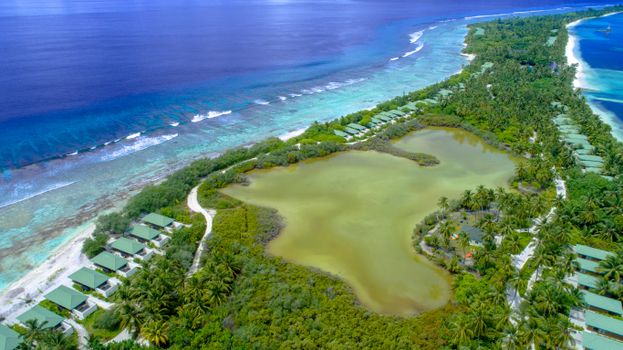
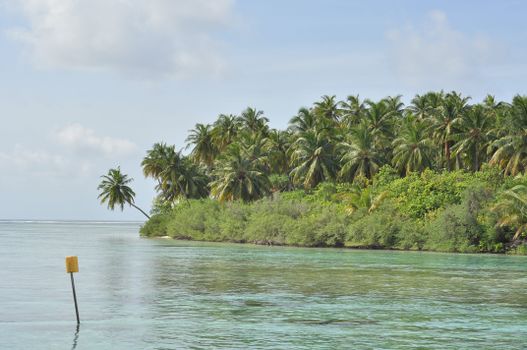
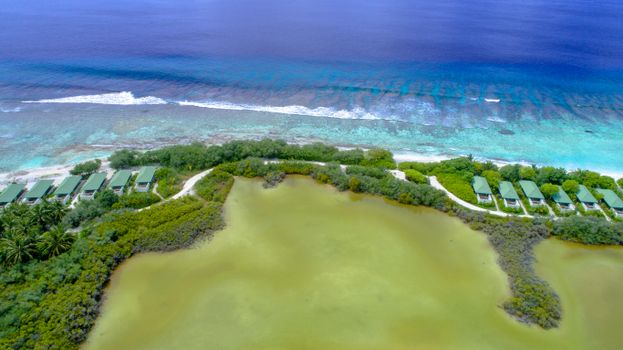
While most tourists see the Maldives as a honeymoon backdrop, the Reefscapers program at Landaa Giraavaru is turning guests into marine biologists.
The Mission:
Combatting coral bleaching caused by rising sea temperatures.
The Work: You’ll spend your morning in a "Coral Lab," attaching harvested fragments to hexagonal rebar frames. These frames are then GPS-tagged and lowered into the lagoon.
Insider Detail: Ask for the "Satellite Feed" login. The project provides photographic updates every six months, so you can literally watch your specific coral colony grow from your desk back in London or New York.
- Pro-Tip: Visit during the "shoulder season" (May to October). While there’s more rain, the water clarity is actually better for seeing the nutrient-rich plankton that attracts manta rays to the cleaning stations.
3. Rewilding the Highlands: Scotland’s Green Revolution
In the shadows of the Caledonian forest, a movement is afoot to bring back the wild. Trees for Life at the Dundreggan Rewilding Centre is a prime example of a project accepting short-term "Day Rewilders" and week-long residential volunteers.
The Mission:
Re-establishing the native Scots Pine and restoring peat bogs to sequester carbon.
The Work: It’s muddy, it’s cold, and it’s incredibly rewarding. You’ll be planting saplings, removing invasive rhododendrons, or monitoring the progress of the newly reintroduced red squirrels.
Authenticity Note: This isn't a manicured park. You will deal with "the midge"—the tiny, biting gnats of the Highlands. Bring a head net and Smidge-brand repellent; don't say I didn't warn you.
4. The Rhino Guardians of the Zululand Bushveld
South Africa’s rhino poaching crisis is a data war. Projects like the Zululand Conservation Trust allow short-term participants to join "Conservation Safaris."
The Mission:
Biodiversity monitoring and anti-poaching support.
The Work: This isn't a "pet the rhino" experience. You’ll be in the back of an open-top Land Rover at 4:00 AM, using telemetry gear to track collared cheetahs or checking camera traps for leopard activity. The data you collect goes directly into the reserve's weekly management report.
Insider Detail: The smell of the bushveld at dawn is intoxicating—a mix of dry sage, wild jasmine, and the metallic tang of red dust.
- Pro-Tip: The hidden entrance to the main research hub is behind a nondescript green gate labeled "Private—Authorized Personnel Only." If you book through the official trust, they’ll give you the code.
5. Rainforest Resilience: Costa Rica’s Osa Peninsula
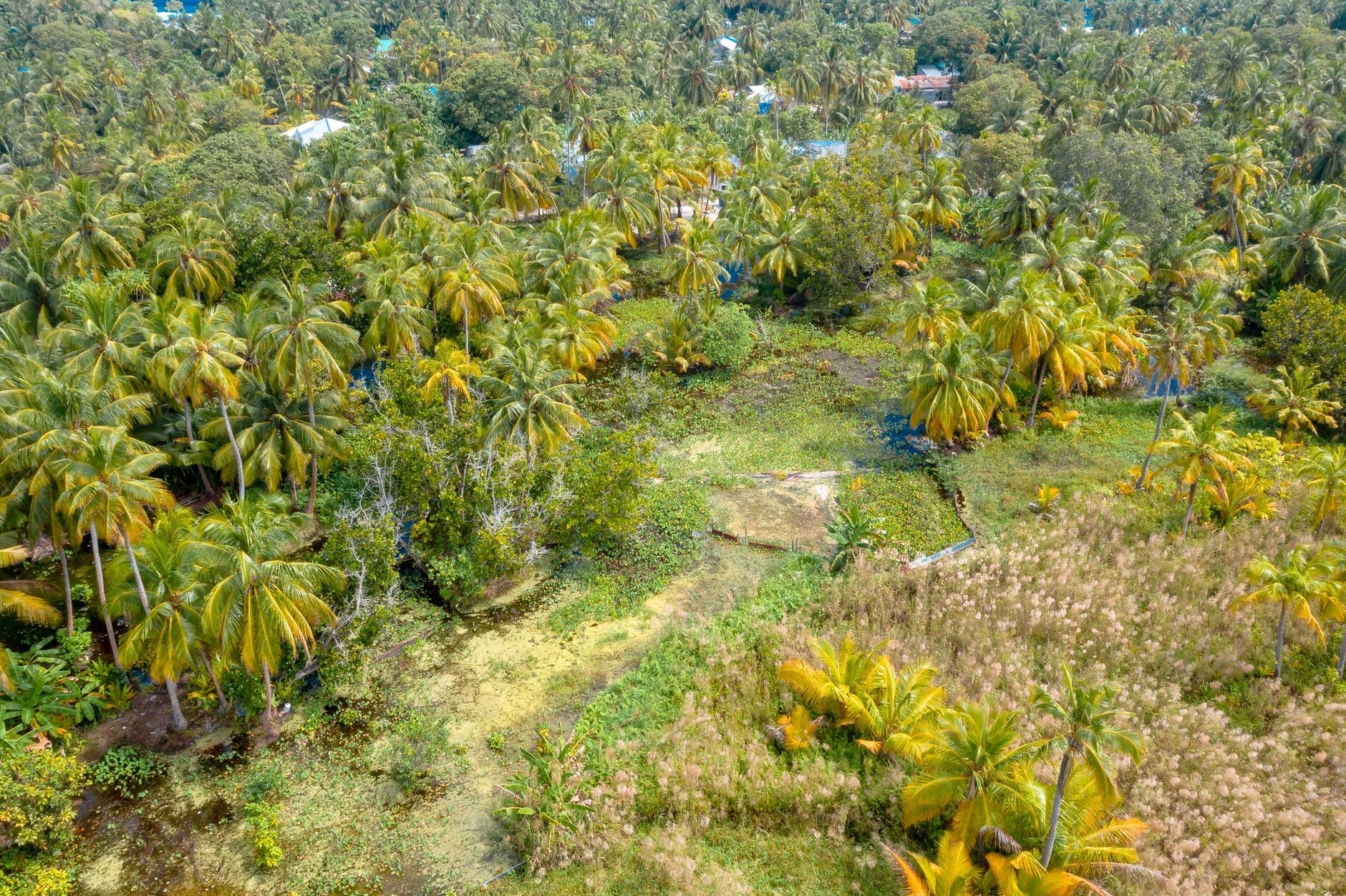
Returning to where we started, the Osa Peninsula is the gold standard for short-term conservation. Osa Conservation offers "Day of Discovery" passes and short-term residential stays.
The Mission:
Protecting the "biological corridor" between Corcovado National Park and the mainland.
The Work: You might find yourself in the sea turtle hatchery, carefully excavating a nest to count unhatched eggs (vital data for survival rate statistics), or working in the arboretum to identify rare tropical hardwoods.
Logistics: Take the boat from Sierpe through the mangroves to reach the peninsula. It’s a 90-minute ride through some of the most intense bird-watching territory on the planet.
6. Quick Facts & Logistics Table
| Project Name | Location | Est. Cost (USD) | Best Time | Focus Area |
| :--- | :--- | :--- | :--- | :--- |
| Reefscapers | Maldives | $150 - $500 | Nov - April | Coral Restoration |
| Trees for Life | Scotland | $50 - $600 | March - Oct | Reforestation |
| Osa Conservation| Costa Rica | $100 - $1,200 | Dec - May | Biodiversity |
| ZCT | South Africa | $1,500+ (Incl. Lodging)| May - Sept | Wildlife Tracking |
| Cloud Forest Org | Ecuador | $400 - $800 | June - Sept | Hummingbird Data |
7. How to Spot "Greenwashing" Before You Book
Data shows that for every legitimate project, there are three "tourist traps." Use this checklist to ensure your short-term visit is actually helping:
- The "No-Touch" Rule: If a project allows you to hold, cuddle, or ride a wild animal (especially lions or elephants), it is not conservation. It is exploitation.
- Transparency: Does the organization publish an annual impact report? If they can’t show you where their data goes, your work is likely "busy work."
- Local Employment: A real project employs more locals than international volunteers. You should be there to assist the local experts, not replace them.
8. The Gear List: What the Pros Pack
Don't show up in brand-new, bright white sneakers. You’ll look like a novice and ruin them in ten minutes.
1. Darn Tough Socks: Merino wool is essential for preventing blisters in both the Highlands and the jungle.
2. Rite in the Rain Notebook: Because data collection doesn't stop when the monsoon starts.
3. Grayl Water Purifier: Avoid adding to the plastic crisis you’re trying to solve.
4. Red-Light Headlamp: Essential for night-time turtle patrols or nocturnal wildlife spotting without disrupting their natural behavior.
---