The Definitive Guide to Coffee Plantation Tours for True Enthusiasts Worth Considering
I stepped off the rickety bus, the humid air thick with the scent of damp earth and something undeniably sweet, floral, and intoxicating. It wasn't just the aroma of coffee; it was the very essence of its birthplace. The distant, rhythmic thud of machetes against bamboo, the chatter of local workers in a language I barely understood, and the vibrant green of endless rows of coffee plants stretching towards a sky painted in hues of ochre and rose – this was it. This was the pilgrimage every true coffee lover dreams of. This wasn't just a tour; it was an immersion into the soul of coffee.
For too long, coffee plantation tours have been relegated to a quick snapshot for the casual traveler. But for us, the true enthusiasts, the ones who dissect tasting notes and agonize over roast profiles, there’s a deeper yearning. We crave authenticity, knowledge, and a visceral connection to the journey of our beloved bean. This guide is your passport to those extraordinary experiences, the ones that go beyond the surface and truly resonate with the coffee aficionado.
1. Beyond the Bean: Understanding the Terroir and the People
The magic of coffee begins long before it hits the roaster. It starts with the soil, the altitude, the climate – the terroir. The most rewarding tours don't just show you the plants; they unravel the story of the land.
H3: The Dance of Altitude and Soil
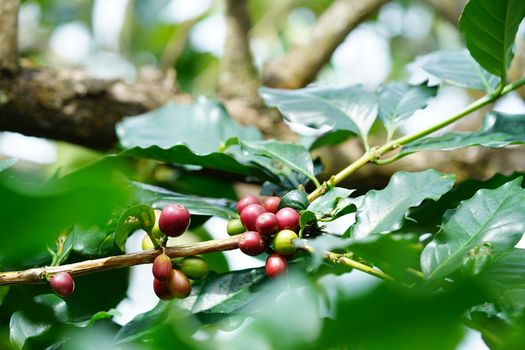
Imagine standing amidst rows of Bourbon or Geisha varietals, their leaves glistening under the tropical sun. A truly insightful tour will explain why this specific altitude (often above 1,500 meters for specialty beans) and volcanic soil are crucial. You'll learn about the delicate balance of sun and shade, the impact of rainfall, and how these elements contribute to the complex sugar development and acidity that define a coffee's character.
H3: The Heartbeat of the Farm: The Farmers
The unsung heroes of our morning brew are the farmers. The best tours offer genuine interactions, not staged performances. I recall a tour in Colombia where Doña Elena, her hands weathered from decades of tending her land, walked me through her small plot, explaining the meticulous process of hand-picking only the ripest cherries. She shared stories passed down through generations, her pride evident in every word. This is the authenticity we seek.
Pro-Tip:
Look for tours that emphasize direct relationships with farmers or cooperatives. These often provide a more authentic and ethical glimpse into the coffee-growing process.
2. From Cherry to Green Bean: The Intricate Processing Journey
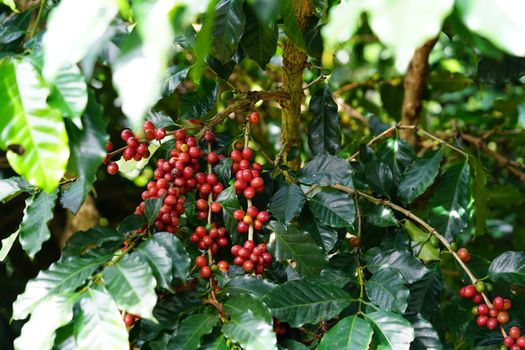
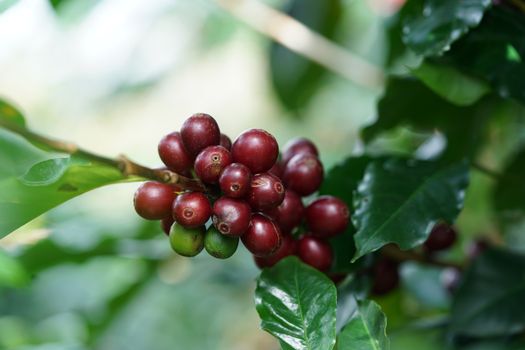
The transformation from a bright red coffee cherry to a green bean ready for export is a fascinating, often complex, and crucial stage. This is where the true potential of the bean is unlocked, or sadly, lost.
H3: Washed, Natural, Honey: Decoding the Methods
This is where you'll get your hands dirty, metaphorically or literally. A top-tier tour will guide you through the different processing methods:
- Washed Process: Witness the depulping of the cherry, followed by fermentation in water tanks to remove the mucilage, and then thorough washing. This method typically results in a cleaner, brighter cup with pronounced acidity.
- Natural Process: See the cherries dried whole in the sun, allowing the fruit's sugars to permeate the bean. This can lead to more complex, fruity, and wine-like flavors.
- Honey Process: A hybrid where some or all of the mucilage is left on the bean during drying. This offers a balance of sweetness and acidity, often with notes of caramel and stone fruit.
H3: The Art of Drying and Sorting
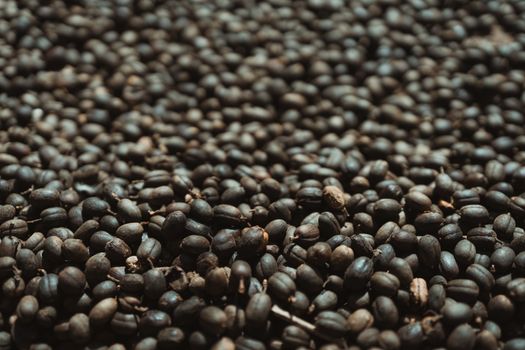
You’ll learn about the critical importance of drying the beans to the correct moisture content (around 10-12%). Observe the meticulous sorting process, often done by hand, to remove any defects. This is where meticulous attention to detail truly shines.
Pro-Tip:
Ask about the farm's specific drying patios or beds. Are they raised African beds for better airflow, or traditional ground patios? The nuances matter.
3. The Roasting Revelation: Unlocking the Aroma and Flavor
While many farms focus on cultivation and processing, the truly exceptional tours extend to the roasting stage, or at least provide a deep understanding of how their beans are roasted.
H3: The Roaster's Touch: From Green to Golden Brown
If the plantation has its own roastery, you’re in for a treat. You’ll witness the Maillard reaction and caramelization firsthand, understanding how heat transforms the chemical compounds within the bean, developing hundreds of aromatic compounds. Learn about different roast profiles – light, medium, dark – and how they impact the final taste.
H3: The Sensory Symphony of Cupping
The pinnacle of any coffee tour is the cupping session. This is not just casual tasting; it's a professional evaluation. You'll learn to slurp coffee from a spoon (yes, slurp!), swirl it in your mouth, and identify delicate aromas and flavors using a flavor wheel. Expect notes of citrus, berries, chocolate, nuts, and spices.
Pro-Tip:
If the farm doesn't roast on-site, inquire about their roasting partners. A good farm will have a clear philosophy on how their beans are roasted to best showcase their origin characteristics.
4. Sustainable Practices and Ethical Sourcing: Coffee with a Conscience
In today's world, true coffee enthusiasts care not only about taste but also about the impact of their consumption. The best tours highlight farms committed to sustainability and ethical labor practices.
H3: Environmental Stewardship
Look for farms that practice agroforestry, integrating shade trees that provide habitat for biodiversity and improve soil health. Learn about water conservation techniques, organic farming methods, and waste management.
H3: Fair Wages and Community Support
Understanding how the farm supports its workers and the local community is paramount. Are there fair wage policies? Are there educational or healthcare initiatives? This knowledge adds another layer of appreciation to every sip.
Pro-Tip:
Seek out certifications like Fair Trade, Organic, or Rainforest Alliance, but also look for farms that can articulate their commitment to sustainability beyond certifications.
5. Immersive Experiences: Beyond the Standard Tour
For the truly dedicated, the ultimate coffee adventure involves more than just a guided walk. These are experiences that allow you to become part of the process.
H3: Hands-On Harvests and Processing
Some farms offer opportunities to participate in the coffee harvest, picking cherries alongside the workers. Others allow you to help with the washing or drying stages. These are unforgettable, labor-intensive, but incredibly rewarding experiences.
H3: Homestays and Farm Stays
For the ultimate immersion, consider staying on a coffee farm or in a local guesthouse run by a coffee-growing family. This allows for deeper cultural exchange and a more intimate understanding of daily life.
Pro-Tip:
Many of these immersive experiences require advance booking, sometimes months in advance, especially during harvest season.
Quick Facts: Planning Your Coffee Pilgrimage
| Feature | Estimated Cost ($) | Best Time to Visit (Harvest Season) | How to Get There |
| :------------------ | :----------------- | :---------------------------------- | :--------------------------------------------------------------------------------------- |
| Colombia | $100 - $500+ | April-June, October-December | Fly into Bogotá (BOG) or Medellín (MDE), then local flights or private transfer to coffee regions (e.g., Salento, Manizales). |
| Ethiopia | $150 - $700+ | October-January | Fly into Addis Ababa (ADD), then domestic flights or overland travel to Yirgacheffe, Sidamo. |
| Costa Rica | $80 - $400+ | November-March | Fly into San José (SJO), then shuttle services or rental car to regions like Tarrazú, Poás. |
| Guatemala | $70 - $350+ | November-March | Fly into Guatemala City (GUA), then shuttle or private transport to Antigua, Huehuetenango. |
| Indonesia (Sumatra) | $100 - $600+ | May-September | Fly into Medan (KNO) or Banda Aceh (BTJ), then overland travel to Gayo Highlands. |
Note: Costs are estimates for tours and basic lodging/transport. International flights are not included. Prices can vary significantly based on the exclusivity and duration of the tour.
Insider Language & What to Look For
When you're talking to guides or reading brochures, listen for these terms:
- Varietal: The specific type of coffee plant (e.g., Typica, Caturra, Pacamara).
- Altitude: Crucial for specialty coffee quality. Higher is often better.
- Processing Method: Washed, natural, honey, anaerobic fermentation – these dramatically affect flavor.
- Cupping Score: A rating system for coffee quality, often out of 100. Enthusiasts aim for 80+.
- Micro-lot: A small, specific section of a farm that produces exceptional coffee.
- Shade-grown: Coffee grown under a canopy of trees, promoting biodiversity and slower maturation.
- Fermentation: A critical stage in washed and natural processing where flavor development occurs.
Pro-Tip:
Don't be afraid to ask detailed questions. The more engaged you are, the more the guides will share. Ask about the specific fermentation times, the varietals they're experimenting with, or the challenges they face with pests or climate change.
My Personal Top Picks for True Enthusiasts
While this guide is about empowering you to find your perfect tour, here are a few experiences that have left an indelible mark on my coffee journey:
- Hacienda La Esmeralda, Panama (Geisha Varietal): While notoriously exclusive and expensive, their commitment to innovation and the unparalleled quality of their Geisha beans is legendary. This is the pinnacle for many.
- Finca El Injerto, Guatemala (Award-Winning Bourbon): Known for its meticulous processing and consistently high cupping scores, a visit here offers a deep dive into what makes Guatemalan coffee so revered.
- Kofele Coffee Plantation, Ethiopia (Birthplace of Coffee): To walk the land where coffee legend says coffee was discovered is an experience of profound historical and sensory significance. The wild heirloom varietals are unlike anything else.
These aren't just tours; they are educational pilgrimages that will fundamentally change how you perceive and appreciate coffee. They offer a tangible connection to the earth, the labor, and the artistry that goes into every single cup. So, pack your bags, hone your palate, and prepare for an adventure that will brew memories to last a lifetime.
---