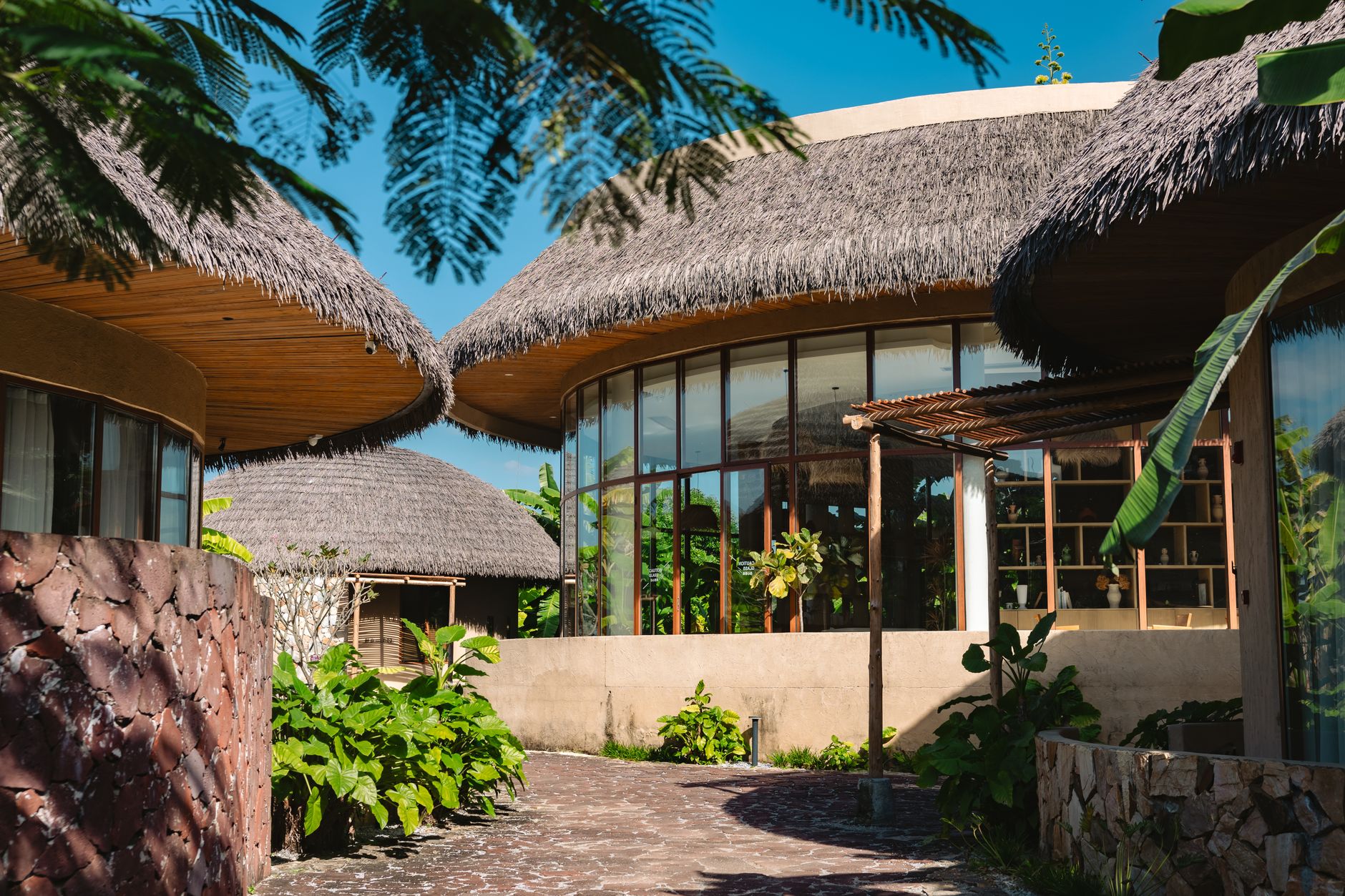
The Awakening: Beyond the Greenwash
The scent of crushed lemongrass and damp earth hit me the moment I stepped off the wooden dhoni. There were no plastic keycards, no hum of diesel generators in the distance, and absolutely no shoes. "No News, No Shoes" isn't just a clever marketing slogan at Soneva Fushi; it is a philosophy that forces you to physically connect with the earth.
As a travel journalist who has spent a decade auditing hotels claiming to "save the planet" while merely hiding plastic water bottles under sinks, I arrived in the Maldives with a healthy dose of skepticism. But as I watched the resort’s glassblowing team melt down thousands of discarded wine bottles into bespoke tableware, I realized the industry was shifting.
```
[ THE ECO-LUXURY PARADIGM SHIFT ]
OLD GREENWASHING TRUE DECARBONIZATION
┌──────────────────────┐ ┌──────────────────────┐
│ 🚫 Reused towels │ ───► │ ☀️ 100% Solar Power │
│ 🚫 Paper straws │ │ 🔄 Circular Waste │
│ 🚫 Carbon offsets │ │ 🌊 Seawater Cooling │
└──────────────────────┘ └──────────────────────┘
```
Leading hospitality experts are no longer recommending properties that simply offset their emissions by buying questionable carbon credits. The gold standard has evolved. Today, the elite properties are those achieving operational net-zero through hyper-local sourcing, closed-loop waste systems, and pioneering engineering.
Here are the six carbon-neutral resorts that the world’s top travel experts are booking right now.
---
1. Soneva Fushi (Baa Atoll, Maldives)
The Pioneer of Barefoot Decarbonization
Soneva Fushi is the blueprint for modern eco-luxury. While most Maldivian resorts rely on massive diesel imports to keep the AC running, Soneva has spent decades perfecting a decentralized, circular-economy model.
```
[ SONEVA'S CLOSED-LOOP ECO-CENTRO ]
┌──────────────┐ ┌──────────────┐ ┌──────────────┐
│ Waste Glass │ ───► │ Art Studio │ ───► │ Tableware │
└──────────────┘ └──────────────┘ └──────────────┘
┌──────────────┐ ┌──────────────┐ ┌──────────────┐
│ Food Waste │ ───► │ Hot Compost │ ───► │ Herb Garden │
└──────────────┘ └──────────────┘ └──────────────┘
```
The resort's heart is its Eco Centro Waste-to-Wealth facility. Here, 90% of the property's solid waste is recycled, composted, or repurposed on-site. The villas themselves are architectural triumphs, constructed from sustainably harvested timber, bamboo, and thatch, designed to maximize natural ventilation and minimize the need for mechanical cooling.
- The Green Tech: A massive solar photovoltaic array paired with battery storage systems that power a significant portion of the island's grid.
- The Vibe: Robinson Crusoe meets high-fashion intellectual. Think open-air bathrooms surrounded by lush jungle and private water slides that drop you directly into the Indian Ocean.
> Pro-Tip: Ask for a tour of the Eco Centro with the resident sustainability manager. If you go at 4:00 PM, you can catch the glassblowing team in action and even try blowing your own wine-bottle-derived glass souvenir.
---
2. The Brando (Tetiaroa, French Polynesia)
The Gold Standard of Deep-Ocean Cooling
Located on Marlon Brando’s private atoll, this ultra-luxury enclave is one of the very few resorts in the world to achieve LEED Platinum certification. The Brando’s crown jewel is its Sea Water Air Conditioning (SWAC) system.
```
[ SWAC: SEA WATER AIR CONDITIONING ]
🌊 Ocean Surface (Warm)
───────────────────────────────────────────
⬇️ 3,000 Feet Down (Deep Cold Water - 4°C)
┌─────────────────────────────────────────┐
│ Cold water pumped up ───► Heat Exchanger│ ───► 100% Eco AC
└─────────────────────────────────────────┘
```
By pumping cold water from 3,000 feet below the ocean surface through a closed-loop system, the resort reduces its air conditioning energy consumption by a staggering 90%.
- The Green Tech: SWAC technology, combined with over 4,000 solar panels and a coconut-oil-fueled generator system that uses locally sourced copra oil.
- The Vibe: Unapologetic, high-end privacy. The villas are tucked away in the coconut palms, completely invisible from the lagoon.
> Pro-Tip: Book Villa 102. It has the most unobstructed sunset views and sits closest to the Tetiaroa Society research station, where you can chat with visiting marine biologists over a gin and tonic.
---
3. Mashpi Lodge (Chocó Cloud Forest, Ecuador)
The Cloud Forest Carbon Sink
Mashpi Lodge looks like a futuristic research station dropped into the middle of a prehistoric jungle. Built on a former logging concession, this steel-and-glass masterpiece was constructed using pre-assembled techniques to avoid cutting down a single tree.
```
┌────────────────────────────────────────────────────────┐
│ MASHPI LODGE BY THE NUMBERS │
├───────────────────────┬────────────────────────────────┤
│ Forest Protected │ 2,500 Hectares (6,177 Acres) │
│ Carbon Footprint │ 100% Offset via Conservation │
│ Endemic Species Found │ 15+ (and counting!) │
└───────────────────────┴────────────────────────────────┘
```
The lodge acts as a massive carbon sink. By protecting 2,500 hectares of highly threatened Chocó cloud forest, the property offsets its minimal operational emissions many times over. The cuisine is hyper-local, utilizing ingredients found within the reserve, such as wild garlic, forest chillies, and native fruits.
- The Green Tech: Water-efficient micro-turbines, state-of-the-art biological wastewater treatment plants, and a strict zero-single-use-plastic policy.
- The Vibe: High-concept design meets intense biodiversity. You’ll be dining behind 15-foot glass walls watching hummingbirds dart through the mist.
> Pro-Tip: Wake up at 5:30 AM for the morning walk to the observation tower. The mist rising off the canopy is spectacular, and it’s the best time to spot the elusive Chocó toucan.
---
4. Borgo Pignano (Tuscany, Italy)
The Regenerative Estate of the Future
Carbon neutrality isn't reserved for tropical islands and rainforests. In the rolling hills of Tuscany, Borgo Pignano has quietly built a fully circular, carbon-neutral agricultural estate centered around a painstakingly restored 18th-century villa.
```
[ BORGO PIGNANO'S REGENERATIVE LOOP ]
┌────────────────┐ ┌────────────────┐ ┌────────────────┐
│ Estate Forests │ ───► │ Woodchips │ ───► │ Biomass Boiler │ ───► Heating
└────────────────┘ └────────────────┘ └────────────────┘
│
┌────────────────┐ ┌────────────────┐ ▼
│ Swale Systems │ ───► │ Natural Lakes │ ───► Irrigation Water
└────────────────┘ └────────────────┘
```
The entire estate is heated using local woodchips sourced from their own sustainable forests, run through high-efficiency biomass boilers. Rainwater harvesting is integrated into a network of natural lakes and swales, which completely eliminates the need for municipal water for agriculture.
- The Green Tech: Biomass heating, natural wastewater filtration using vetiver grass and gravel beds, and a fully organic, biodynamic farm that supplies 90% of the resort’s kitchen needs.
- The Vibe: Aristocratic rusticism. Think frescoed ceilings, stone-paved courtyards, and the rich scent of freshly pressed olive oil.
> Pro-Tip: Sign up for the herbalist workshop. The estate’s resident herbalist will guide you through gathering wild rosemary and lavender to distill your own organic essential oils.
---
5. Singita Kwitonda Lodge (Volcanoes National Park, Rwanda)
Reforestation and High-Design Conservation
Singita Kwitonda sits on the edge of Volcanoes National Park, home to the endangered mountain gorilla. The lodge’s existence is rooted in a massive reforestation project that has reclaimed over 178 acres of agricultural land, expanding the natural habitat of the gorillas and creating a critical buffer zone.
```
┌────────────────────────────────────────────────────────┐
│ SINGITA KWITONDA'S ECO-CONSTRUCTION │
├───────────────────────┬────────────────────────────────┤
│ Bricks │ Volcanic clay, fired on-site │
│ Labor │ 500+ Local artisans employed │
│ Thermal Insulation │ Natural volcanic tuff stone │
└───────────────────────┴────────────────────────────────┘
```
The lodge was built using volcanic clay bricks fired on-site, reducing transport emissions to zero. The walls are insulated with natural volcanic tuff stone, providing exceptional thermal massing that eliminates the need for energy-intensive heating or cooling systems.
- The Green Tech: Geothermal-inspired heat pumps, greywater recycling systems that irrigate the newly planted forest, and highly efficient LED lighting systems throughout.
- The Vibe: Monolithic, soulful, and deeply grounded. The interiors feature hand-woven screens, local volcanic stone, and open fireplaces that crackle in the cool mountain evenings.
> Pro-Tip: Spend an afternoon at the Akarabo Nursery on-site. You can personally plant a native tree that will help expand the gorilla habitat, complete with GPS coordinates so you can track its growth on Google Earth.
---
6. Explora Patagonia (Torres del Paine, Chile)
The B-Corp Icon of the Southern Wilds
Explora Patagonia is a masterclass in low-impact architecture. Positioned directly over the Salto Chico waterfall, the hotel was designed to mimic the contours of the Patagonian wind, minimizing its physical and visual impact on the landscape.
```
[ THE EXPLORA B-CORP METRICS ]
┌───────────────────────────────┬───────────────────────────────┐
│ CARBON FOOTPRINT │ LOCAL ENGAGEMENT │
│ 100% Neutralized │ 95% Local Staffing │
│ (Certified B-Corp) │ Gaucho Culture Support │
└───────────────────────────────┴───────────────────────────────┘
```
As a certified B-Corp, Explora meets the highest standards of verified social and environmental performance. The property has been carbon-neutral since 2020, achieving this through strict internal emission reductions, local wind-energy sourcing, and regional reforestation partnerships.
- The Green Tech: Advanced water-treatment plants that return pure water to the Paine River, high-efficiency heat exchangers, and a zero-waste kitchen protocol.
- The Vibe: High-octane exploration. This is for travelers who want to spend eight hours hiking the French Valley and return to a wood-fired outdoor hot tub overlooking a turquoise glacial lake.
> Pro-Tip: Skip the standard catamaran crossing. Book the private horseback excursion to the Estancia 2 de Enero, where you’ll share a traditional mate tea with authentic Patagonian gauchos who work on the resort’s conservation lands.
---
Quick Facts: Comparing the Elite Eco-Resorts
| Resort | Location | Est. Cost per Night ($) | Best Time to Visit | How to Get There |
| :--- | :--- | :--- | :--- | :--- |
| Soneva Fushi | Baa Atoll, Maldives | $2,200 - $6,500 | November to April | 35-minute seaplane from Velana International Airport (MLE). |
| The Brando | Tetiaroa, French Polynesia | $3,800 - $8,000 | May to October | 20-minute private flight from Faa'a International Airport (PPT) in Tahiti. |
| Mashpi Lodge | Chocó Forest, Ecuador | $1,100 - $1,800 | June to September | 3.5-hour private overland transfer from Quito (UIO). |
| Borgo Pignano | Tuscany, Italy | $450 - $1,200 | May to September | 1-hour drive from Florence Airport (FLR) or Pisa International (PSA). |
| Singita Kwitonda | Volcanoes NP, Rwanda | $2,400 - $4,500 | June to September | 2.5-hour scenic drive from Kigali International Airport (KGL). |
| Explora Patagonia | Torres del Paine, Chile | $1,500 - $2,800 | November to March | 2-hour drive from Puerto Natales (PNT) or 5 hours from Punta Arenas (PUQ). |
---
The Verdict: How to Choose Your Green Escape
When choosing a carbon-neutral resort, look beyond the marketing. True sustainability is quiet. It lives in the mechanical rooms, the compost heaps, the greywater pipes, and the employment contracts of the local staff.
If you want barefoot indulgence, head to Soneva Fushi. If you want cutting-edge engineering, The Brando remains unmatched. For biodiversity and deep science, Mashpi Lodge is your sanctuary.
Whichever you choose, you are proving to the global hospitality market that the ultimate luxury is a clean conscience.
---