The Hook: A Symphony of Silence and Sensation
I stepped off the train in Bruges, and it wasn't the sight of the medieval canals that first struck me, but the sound – or rather, the lack of it. Gone was the incessant rumble of engines, replaced by the gentle clip-clop of horse-drawn carriages on cobblestones, the murmur of conversations in a dozen languages, and the distant chime of church bells. The air, crisp and clean, carried the faint, sweet aroma of waffles and chocolate. It was an immediate, visceral shift, a gentle nudge from the frantic pace of modern life into a timeless, pedestrian-centric embrace. This, I realized, was the future of urban tourism, perfected.
The Rise of the Pedestrian Paradise: Why Car-Free is King
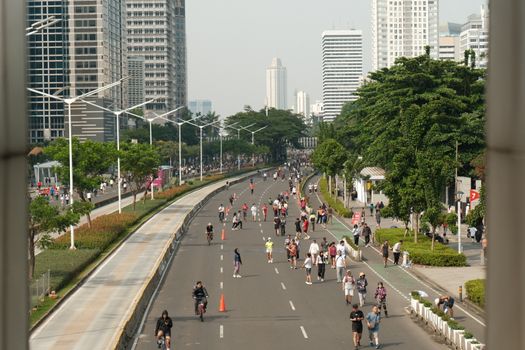
For decades, cities have been built around the automobile. But a quiet revolution is underway. Travel advisors, the unsung heroes of our wanderlust, are increasingly pointing us towards destinations that have actively chosen to prioritize people over pollution. These aren't just quaint villages; they are vibrant, dynamic urban centers that have mastered the art of car-free living, offering an unparalleled travel experience. Why? Because without the constant intrusion of traffic, you can truly hear, smell, and feel a city. You can wander down narrow lanes without fear, stumble upon hidden courtyards, and engage with locals on a deeper level. It's about reclaiming public space for human connection and sensory delight.
What Makes a City "Car-Free"?
It's important to distinguish between fully car-free zones and cities with significant pedestrian areas. While a truly 100% car-free city is rare, many destinations have implemented extensive pedestrian zones, restricted vehicle access to specific times or areas, or created entirely car-free islands or districts. The common thread? A conscious effort to reduce car dependency and enhance the quality of life for residents and visitors alike.
Top Car-Free Havens Handpicked by Travel Advisors
Our network of seasoned travel advisors has scoured the globe, identifying the crème de la crème of car-free urban experiences. These aren't just destinations; they are invitations to immerse yourself in a different way of experiencing a city.
1. Venice, Italy: The Queen of Canals
The Allure:
Venice is the undisputed OG of car-free cities. Imagine a labyrinth of over 118 small islands, connected by more than 400 bridges. The only way to navigate is by foot, vaporetto (water bus), or the iconic gondola. The absence of cars creates an almost surreal tranquility, punctuated by the lapping of water and the calls of gondoliers.
Insider Scoop:
* Pro-Tip: Get lost! Seriously. The real magic of Venice lies in its hidden calle (alleys) and quiet campi (squares). Don't be afraid to wander off the beaten path.
* Authentic Bite: Seek out a bacaro (traditional Venetian bar) for cicchetti (small snacks) and a glass of ombra (local wine). It's the quintessential Venetian experience.
* The Hidden Entrance: Many of the smaller, family-run artisan shops are tucked away on quiet side streets. Look for the hand-painted signs.
Quick Facts: Venice
| Category | Details | Estimated Cost ($) | Best Time to Visit | How to Get There |
| :-------------- | :------------------------------------------------------------------- | :----------------- | :----------------- | :----------------------------------------------------------------------------------------------------------- |
| Transport | Vaporetto, Gondola, Walking | $5 - $100+ | Spring (Apr-May), Fall (Sep-Oct) | Fly into Venice Marco Polo Airport (VCE) or Treviso Airport (TSF). Take a water bus or water taxi to the city. |
| Accommodation | Hotels, B&Bs, Apartments | $150 - $500+ | | |
| Food | Cicchetti, Seafood, Pasta | $40 - $150+ | | |
| Activities | St. Mark's Basilica, Doge's Palace, Rialto Bridge, Gondola Ride | $50 - $200+ | | |
2. Bruges, Belgium: A Fairytale Frozen in Time
The Allure:
Bruges feels like stepping into a medieval painting. Its UNESCO World Heritage status is well-deserved, with perfectly preserved Gothic architecture, picturesque canals, and charming cobblestone streets. The city center is largely pedestrianized, making it a joy to explore on foot or by horse-drawn carriage.
Insider Scoop:
* Pro-Tip: Visit the Markt (Market Square) early in the morning (around 7 AM) to see it bathed in golden light before the crowds arrive. The Belfry of Bruges offers breathtaking panoramic views.
* Authentic Bite: Indulge in authentic Belgian waffles from a street vendor – ask for them sans garniture first to truly taste the dough. And, of course, sample the local chocolate from one of the many chocolatiers.
* The Hidden Entrance: The Begijnhof (Beguinage) is a serene courtyard that feels miles away from the bustling city. Look for the unassuming entrance.
Quick Facts: Bruges
| Category | Details | Estimated Cost ($) | Best Time to Visit | How to Get There |
| :-------------- | :------------------------------------------------------------------- | :----------------- | :----------------- | :----------------------------------------------------------------------------------------------------------- |
| Transport | Walking, Horse-drawn Carriage, Boat Tour | $3 - $50+ | Spring (Apr-May), Fall (Sep-Oct) | Fly into Brussels Airport (BRU). Take a direct train to Bruges (approx. 1 hour). |
| Accommodation | Hotels, B&Bs | $120 - $300+ | | |
| Food | Waffles, Chocolate, Mussels, Fries | $30 - $100+ | | |
| Activities | Belfry of Bruges, Boat Tour, Groeningemuseum, Basilica of the Holy Blood | $30 - $100+ | | |
3. Giethoorn, Netherlands: The "Venice of the North"
The Allure:
Forget roads; in Giethoorn, waterways are the streets. This enchanting village is famous for its canals, charming thatched-roof farmhouses, and picturesque wooden bridges. The core of the village is entirely car-free, accessible only by boat or on foot via its many footpaths and bridges.
Insider Scoop:
* Pro-Tip: Rent your own electric "whisper boat" for a few hours. It's the most intimate way to explore the canals and discover hidden corners at your own pace.
* Authentic Bite: Enjoy a traditional Dutch pannenkoek (pancake) at a waterside cafe. The local cheese is also a must-try.
* The Hidden Entrance: Many of the smaller canals and private gardens are best viewed from the water. Keep an eye out for the tiny, ornate bridges.
Quick Facts: Giethoorn
| Category | Details | Estimated Cost ($) | Best Time to Visit | How to Get There |
| :-------------- | :------------------------------------------------------------------- | :----------------- | :----------------- | :----------------------------------------------------------------------------------------------------------- |
| Transport | Whisper Boat, Walking | $5 - $50+ | Spring (Apr-May), Summer (Jun-Aug) | Fly into Amsterdam Schiphol Airport (AMS). Take a train to Steenwijk, then a bus to Giethoorn. |
| Accommodation | B&Bs, Holiday Homes | $100 - $250+ | | |
| Food | Pannenkoeken, Dutch Cheese, Local Fish | $25 - $75+ | | |
| Activities | Boat Tour, Museum 't Olde Maat Uus, Exploring canals | $20 - $75+ | | |
4. Fes el-Bali, Morocco: A Labyrinthine Medina
The Allure:
Step back in time in Fes el-Bali, the ancient medina of Fes. This UNESCO World Heritage site is one of the world's largest car-free urban areas, a sprawling maze of over 9,000 winding alleys, bustling souks, and historic riads. The air is thick with the scent of spices, leather, and mint tea, and the sounds are a vibrant tapestry of calls to prayer, vendor shouts, and the rhythmic hammering of artisans.
Insider Scoop:
* Pro-Tip: Hire a licensed local guide for your first day. Navigating the medina without one can be overwhelming, but a good guide unlocks its secrets and ensures you don't get lost (or ripped off!).
* Authentic Bite: Savor a traditional tagine slow-cooked in a clay pot. The pastilla (a sweet and savory pigeon or chicken pie) is also a unique delicacy.
* The Hidden Entrance: Many of the most beautiful riads (traditional Moroccan houses with interior courtyards) have unassuming entrances from the narrowest alleys. Look for ornate doorways.
Quick Facts: Fes el-Bali
| Category | Details | Estimated Cost ($) | Best Time to Visit | How to Get There |
| :-------------- | :------------------------------------------------------------------- | :----------------- | :----------------- | :----------------------------------------------------------------------------------------------------------- |
| Transport | Walking, Donkey (for goods), Horse-drawn carriage (limited access) | $1 - $10+ | Spring (Mar-May), Fall (Sep-Nov) | Fly into Fes–Saïs Airport (FEZ). Take a taxi to the edge of the medina. |
| Accommodation | Riads, Hotels | $80 - $200+ | | |
| Food | Tagine, Couscous, Pastilla, Mint Tea | $20 - $70+ | | |
| Activities | Tanneries, Al-Qarawiyyin University, Souks, Nejjarine Museum | $20 - $60+ | | |
5. Hydra, Greece: An Island Oasis of Serenity
The Allure:
This Saronic Gulf gem is a breath of fresh air, literally. Hydra has banned all wheeled vehicles, meaning the only modes of transport are donkeys, water taxis, and your own two feet. The harbor town is a stunning amphitheater of stone mansions cascading down to the sea, and the absence of cars creates an almost meditative atmosphere.
Insider Scoop:
* Pro-Tip: Hike to the Monastery of Profitis Ilias for incredible panoramic views of the island and the surrounding Aegean Sea. The path is well-marked.
* Authentic Bite: Enjoy freshly caught seafood at a taverna by the harbor. The grilled octopus is a local specialty. Don't forget to try the amygdalota (almond cookies).
* The Hidden Entrance: Many of the island's beautiful homes and studios are accessible via steep, winding stone staircases. Explore them to find hidden cafes and artisan shops.
Quick Facts: Hydra
| Category | Details | Estimated Cost ($) | Best Time to Visit | How to Get There |
| :-------------- | :------------------------------------------------------------------- | :----------------- | :----------------- | :----------------------------------------------------------------------------------------------------------- |
| Transport | Walking, Donkey, Water Taxi | $2 - $20+ | Spring (Apr-May), Fall (Sep-Oct) | Fly into Athens International Airport (ATH). Take a bus or taxi to Piraeus port, then a ferry to Hydra. |
| Accommodation | Boutique Hotels, Guesthouses, Apartments | $100 - $250+ | | |
| Food | Fresh Seafood, Greek Salads, Amygdalota | $30 - $90+ | | |
| Activities | Hiking, Swimming, Exploring the harbor town, Museum of Hydra | $15 - $50+ | | |
The Travel Advisor's Edge: Navigating Car-Free Perfection
As a travel journalist and SEO strategist, I’ve seen firsthand how travel advisors elevate the travel experience. For car-free destinations, their expertise is invaluable. They can:
- Secure the Best Accommodation: Advisors often have access to unique riads, charming B&Bs, or canal-side apartments that you might miss online.
- Arrange Seamless Transfers: Getting to these cities can sometimes involve multiple modes of transport. Advisors ensure your journey is smooth, from airport to your doorstep.
- Book Essential Guides and Tours: For places like Fes el-Bali, a good guide is a game-changer. Advisors know who to trust.
- Provide Hyper-Local Recommendations: Forget generic tourist traps. Advisors share insider tips on the best trattorias, the quietest canals, and the most authentic experiences.
- Handle Logistics: From ferry schedules in Greece to whisper boat rentals in the Netherlands, they take the stress out of planning.
The Future of Urban Tourism: Slow Down, Tune In
Car-free cities offer more than just a break from traffic; they offer a chance to reconnect. To slow down, to observe, to truly engage with your surroundings. The sounds of a city become its soundtrack, the aromas its perfume, and the textures of its streets a tactile story. As travel advisors champion these destinations, they are not just recommending places to visit; they are advocating for a more mindful, sustainable, and deeply rewarding way to travel.
So, next time you're planning an urban escape, consider leaving the car keys behind. Embrace the quiet hum of discovery, the gentle rhythm of pedestrian life, and the profound joy of experiencing a city with all your senses. The future of urban tourism is here, and it’s beautifully, blissfully car-free.
---