The Car-Free Revolution: Why March 2026 is Your Ticket to Smarter Urban Exploration
I stepped off the overnight train into Venice, and the first thing that struck me wasn't the grandeur of St. Mark's Square, but the profound absence of something. No honking horns, no rumbling engines, no fumes stinging my nostrils. Instead, the air was alive with the gentle lapping of water against ancient stone, the distant melody of a gondolier's song, and the murmur of excited chatter from fellow explorers. This was it – the pure, unadulterated essence of a city designed for human connection, not combustion engines. And as we hurtle towards March 2026, more and more urban destinations are embracing this transformative, car-free ethos, offering us travelers a glimpse into the future of sustainable and deeply enriching city breaks.
1. Venice, Italy: The Timeless Queen of Car-Free Charm
Let's start with the OG. Venice isn't just car-free; it is car-free. Every canal is a street, every vaporetto a bus, and every footstep a discovery. In March, the crowds haven't yet reached their summer crescendo, meaning you can truly soak in the magic. The air is crisp, the light is soft, and the city feels more intimate, more yours.
The Vibe:
Imagine getting lost in the labyrinthine calli (narrow streets), stumbling upon hidden campi (squares) where locals play cards, and the scent of freshly baked fritole (doughnuts) wafting from a tiny pasticceria. The rhythmic swish of oars and the echoing calls of “Acqua alta!” (for the occasional high tide, a unique Venetian experience) become the soundtrack to your adventure.
Insider Scoop:
* Pro-Tip: Explore the Dorsoduro district early in the morning (around 7 AM) for a truly serene experience before the day-trippers arrive. The light hitting the colorful buildings is breathtaking.
* Pro-Tip: Rent a rowboat for a few hours. It’s a completely different perspective than a gondola and offers a more active, authentic way to navigate the smaller canals.
* Pro-Tip: Don't just stick to the main islands. Take a vaporetto to Burano for its impossibly bright, candy-colored houses or to Torcello for a taste of ancient Venetian history.
Quick Facts: Venice
| Category | Details | Estimated Cost ($) |
| :-------------- | :-------------------------------------- | :----------------- |
| Best Time | March (shoulder season, fewer crowds) | Moderate |
| How to Get There | Fly into Venice Marco Polo (VCE) or Treviso (TSF), then take a water bus (Alilaguna) or land bus + water taxi. | $50-$100 (airport transfer) |
| Getting Around | Vaporetto (water bus), water taxi, Traghetto (gondola ferry across Grand Canal), walking. | $25-$50/day (vaporetto pass) |
| Accommodation | Wide range from hostels to luxury hotels. | $100-$400+/night |
2. Amsterdam, Netherlands: Cycling into the Future
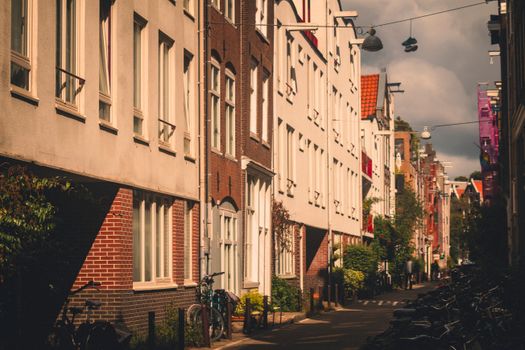
By March 2026, Amsterdam will have solidified its reputation as a cycling paradise. While not entirely car-free, the city's infrastructure prioritizes bikes and pedestrians, making it feel remarkably so. The canals, the gabled houses, the liberal spirit – it all comes alive when you’re moving at a human pace.
The Vibe:
Picture yourself gliding along the iconic canals, the gentle breeze carrying the scent of stroopwafels and blooming tulips (if you're lucky with an early spring!). The friendly ding-ding of bicycle bells is the dominant sound, a cheerful melody of urban life. You'll feel a sense of freedom as you navigate charming, narrow streets that cars simply can't access.
Insider Scoop:
* Pro-Tip: Rent a bike from a local shop, not a major chain. You'll get a more authentic, well-maintained Dutch bike. Ask for a lock with a strong chain!
* Pro-Tip: Explore the Jordaan district on foot or by bike. It’s a maze of charming courtyards, independent boutiques, and cozy "brown cafés" where you can savor a local craft beer.
* Pro-Tip: Visit the Van Gogh Museum or the Rijksmuseum right when they open. Booking tickets online in advance is essential.
Quick Facts: Amsterdam
| Category | Details | Estimated Cost ($) |
| :-------------- | :-------------------------------------- | :----------------- |
| Best Time | March (fewer tourists, potential early blooms) | Moderate |
| How to Get There | Fly into Amsterdam Airport Schiphol (AMS), then take a direct train to the city center (15-20 mins). | $15-$30 (train) |
| Getting Around | Cycling, trams, buses, metro, walking, canal boats. | $15-$30/day (public transport pass) |
| Accommodation | Diverse options, book ahead for March. | $120-$350+/night |
3. Freiburg, Germany: The Green Heart of the Black Forest
Freiburg im Breisgau is a pioneer in sustainable urban living, with a large pedestrian zone and excellent public transport that makes owning a car optional, even for locals. In March, it's the perfect gateway to the awakening Black Forest.
The Vibe:
Imagine the crisp, clean air carrying the scent of pine and freshly baked bread from the Münsterplatz market. The gentle gurgle of the Bächle (small water channels that run through the streets, a unique Freiburg feature) is a constant, soothing presence. You'll hear the cheerful chatter of students (Freiburg is a university town) and the distant chime of the cathedral bells.
Insider Scoop:
* Pro-Tip: Wander through the Old Town (Altstadt) and explore the Münsterplatz market on a Saturday morning. Sample local cheeses, honey, and Schwarzwälder Kirschtorte (Black Forest gâteau).
* Pro-Tip: The hidden entrance to the Schlossberg (Castle Hill) cable car is often missed. Look for the small sign near the university library. The views are spectacular.
* Pro-Tip: Take a day trip to the Black Forest via the efficient tram system. Triberg Waterfall or the picturesque village of Titisee are easily accessible.
Quick Facts: Freiburg
| Category | Details | Estimated Cost ($) |
| :-------------- | :----------------- | :----------------- |
| Best Time | March (crisp air, fewer crowds, start of hiking season) | Affordable |
| How to Get There | Fly into EuroAirport Basel Mulhouse Freiburg (BSL), then take a bus/train. Or fly into Stuttgart (STR) or Zurich (ZRH). | $30-$70 (airport transfer) |
| Getting Around | Walking, trams, buses, cycling. | $10-$20/day (day ticket) |
| Accommodation | Cozy guesthouses and modern hotels. | $80-$200+/night |
4. La Rochelle, France: Coastal Breezes and Maritime History
This historic port city on the Atlantic coast boasts a significant pedestrian zone and a strong reliance on public transport and cycling. Its charming old harbor and maritime heritage make it a delightful destination for a car-free March escape.
The Vibe:
Imagine the salty tang of the Atlantic mixing with the aroma of freshly baked croissants from a local boulangerie. The soundscape is dominated by the cries of seagulls, the gentle creak of docked sailboats, and the lively buzz of conversation spilling from waterfront bistros. You’ll feel the refreshing sea breeze as you explore the arcaded streets.
Insider Scoop:
* Pro-Tip: Walk the ramparts of the Old Port for stunning views of the towers and the sea. Go at sunset for a truly romantic experience.
* Pro-Tip: Visit the Aquarium La Rochelle early in the morning. It’s one of Europe’s largest and offers a fascinating glimpse into marine life.
* Pro-Tip: Take a ferry to the Île de Ré, a beautiful island just off the coast, which is also highly pedestrian and bike-friendly. Rent a bike upon arrival and explore its charming villages and oyster farms.
Quick Facts: La Rochelle
| Category | Details | Estimated Cost ($) |
| :-------------- | :-------------------------------------- | :----------------- |
| Best Time | March (mild weather, quiet before Easter rush) | Moderate |
| How to Get There | Fly into La Rochelle – Île de Ré Airport (LRH), or fly into Bordeaux (BOD) and take a train. | $30-$80 (airport transfer/train) |
| Getting Around | Walking, cycling, local buses, ferries. | $10-$20/day (day pass) |
| Accommodation | Boutique hotels and apartments. | $90-$250+/night |
5. Ghent, Belgium: Medieval Charm Meets Modern Sustainability
Ghent is rapidly transforming its city center into a car-free zone, emphasizing its medieval beauty and vibrant cultural scene. In March, you can explore its canals and cobblestone streets without the summer crowds.
The Vibe:
Imagine the scent of rich Belgian chocolate and waffles mingling with the slightly damp, ancient stone of its magnificent medieval architecture. The gentle lapping of water in its canals is a constant companion, punctuated by the friendly greetings of locals and the occasional clatter of a tram. You'll feel a sense of stepping back in time, yet with all the modern conveniences of a thriving city.
Insider Scoop:
* Pro-Tip: Climb the Belfry of Ghent for panoramic views of the city. The narrow, winding stairs are part of the adventure.
* Pro-Tip: Take a canal boat tour. It’s the best way to appreciate the stunning architecture lining the waterways and learn about the city's history from a unique vantage point.
* Pro-Tip: Explore the Patershol district. This incredibly well-preserved medieval neighborhood is now home to some of Ghent's best restaurants, offering everything from traditional Flemish stew to innovative fusion cuisine.
Quick Facts: Ghent
| Category | Details | Estimated Cost ($) |
| :-------------- | :-------------------------------------- | :----------------- |
| Best Time | March (quieter, cooler, good for indoor exploration) | Affordable |
| How to Get There | Fly into Brussels Airport (BRU), then take a direct train to Ghent-Sint-Pieters station (approx. 45 mins). | $15-$25 (train) |
| Getting Around | Walking, trams, buses, cycling. | $10-$20/day (day ticket) |
| Accommodation | Charming hotels and B&Bs. | $90-$220+/night |
The Future is Now: Embracing Car-Free Travel
As we look ahead to March 2026, the appeal of car-free cities is undeniable. These destinations offer a more authentic, immersive, and sustainable way to experience urban life. They force us to slow down, to engage with our surroundings on a deeper level, and to appreciate the simple joy of walking, cycling, and breathing cleaner air.
Why Choose Car-Free in March 2026?
- Sustainable Travel: Reduce your carbon footprint and support cities committed to a greener future.
- Authentic Experiences: Connect with locals and discover hidden gems without the barrier of traffic.
- Healthier Travel: Enjoy more walking and cycling, making your trip both enjoyable and beneficial for your well-being.
- Reduced Stress: Say goodbye to parking nightmares and traffic jams.
- Enhanced Sensory Experience: Truly hear and smell the city, from local market sounds to the aroma of blooming flowers.
The car-free movement is more than just a trend; it's a blueprint for a better way to travel and live. So, for your March 2026 adventures, consider trading the car keys for comfortable walking shoes and an open mind. The most rewarding urban explorations are often found on foot, powered by curiosity, and embraced by the vibrant pulse of a city designed for people.
---