The Ultimate Guide: Border Changes Affecting Visa Requirements Travel Advisors Suggest
I stepped off the train in Budapest, the scent of goulash and chimney cake thick in the air, and a wave of relief washed over me. Just hours before, I’d been staring at my passport, a knot of anxiety tightening in my stomach. Had I double-checked everything? Were there any last-minute border changes affecting visa requirements I’d missed? This is the constant tightrope walk for us globetrotters, and frankly, it's exhausting.
As a travel journalist and an avid explorer for Tripsora, I've seen firsthand how quickly the landscape of international travel can shift. What was straightforward yesterday can become a bureaucratic labyrinth today. The good news? You don't have to navigate this minefield alone. I’ve tapped into my network of the most seasoned travel advisors – the ones who know the whispers of policy changes before they hit the headlines – to bring you the definitive guide to understanding and preparing for border changes affecting visa requirements.
H2: The Shifting Sands: Why Visa Requirements Are Constantly Evolving
Let's be real: governments don't change visa policies on a whim. These shifts are often driven by a complex interplay of global events, economic factors, security concerns, and even public health crises.
- Geopolitical Tensions: Conflicts and political instability in one region can trigger stricter border controls and visa scrutiny for travelers from affected nations.
- Economic Fluctuations: Some countries might loosen visa requirements to boost tourism or attract foreign investment, while others might tighten them to protect their domestic job market.
- Public Health Concerns: As we've all experienced, pandemics can lead to rapid and sometimes unpredictable changes in entry requirements, including visa validity and health declarations.
- Migration Trends: Increased migration flows can prompt governments to reassess their visa policies to manage borders more effectively.
Pro-Tip:
Always remember that visa regulations are national, meaning each country has its own sovereign right to determine who enters its territory and under what conditions.
H2: The Schengen Zone Shake-Up: What You Need to Know
The Schengen Area, a dream for many European explorers, is a prime example of a region where visa rules can have a cascading effect. With 27 member states, a change affecting one can ripple through the entire bloc.
H3: ETIAS – The Future of European Entry
One of the most significant upcoming changes for many travelers is the European Travel Information and Authorisation System (ETIAS). Scheduled for implementation soon (keep an eye on official announcements for the exact date!), ETIAS will require citizens of visa-exempt countries (like the US, Canada, and Australia) to obtain an online travel authorization before their trip.
- What it is: A digital pre-screening system, not a visa.
- Who needs it: Citizens of over 60 visa-exempt countries planning short stays in the Schengen Area.
- How it works: You'll apply online, providing personal details, passport information, and answering security questions.
- Cost: Expected to be around €7 for individuals aged 18-70.
- Validity: Typically valid for three years or until your passport expires.
Travel Advisor Insight:
"ETIAS is designed to enhance security and streamline border checks. While it’s an extra step, it's crucial to apply well in advance of your travel dates. Don't leave it until the last minute!" – Anya Sharma, Senior Travel Consultant.
H3: Visa-Free Stays and Their Limits
Even for those who don't need a full visa for short stays (like the typical 90-day rule in Schengen), understanding the nuances is key.
- The 90/180 Rule: This is the golden rule for many visa-free travelers in Schengen. You can spend a maximum of 90 days within any 180-day period. This means you can’t just hop in and out of the Schengen zone indefinitely.
- Counting Days: It’s not just about days spent in Schengen, but also days spent in transit countries that are part of the zone.
Pro-Tip:
Use an online Schengen calculator to accurately track your days. Many travel apps now offer this feature.
H2: Beyond Europe: Major Border Changes Affecting Global Travel
The Schengen Zone isn't the only place experiencing visa policy evolution. Here’s a look at other popular destinations and emerging trends:
H3: The United Kingdom's Evolving Landscape
The UK has seen significant changes, particularly post-Brexit.
- Visitor Visa Rules: While many nationalities can still visit the UK for tourism for up to six months without a visa, it's essential to check specific requirements based on your nationality.
- The UK ETA (Electronic Travel Authorisation): Similar to ETIAS, the UK is introducing an ETA system for visitors who don't need a visa to enter. This is being rolled out in phases, so keep a close eye on the official UK government website.
Travel Advisor Insight:
"We're seeing a push towards digital authorization for many countries. It's about pre-travel vetting. For the UK, the ETA is the next big thing to watch. Always check the .gov.uk website for the most accurate, up-to-date information." – David Chen, Global Travel Specialist.
H3: The Rise of Digital Nomad Visas
This is perhaps one of the most exciting developments for modern travelers. Many countries are now offering specific visas for remote workers and digital nomads, recognizing the economic benefits these individuals can bring.
- Examples: Portugal, Spain, Croatia, Indonesia (Bali), Costa Rica, and many more.
- Typical Requirements: Proof of remote employment or self-employment, a minimum income, health insurance, and a clean criminal record.
- Duration: These visas often range from 6 months to several years.
Pro-Tip:
Research the specific tax implications of digital nomad visas in your chosen country. This can significantly impact your overall budget.
H3: Shifting Requirements in Asia and the Americas
- Southeast Asia: Countries like Thailand and Vietnam often adjust their visa-on-arrival policies and visa exemption periods based on tourism numbers and economic needs. Always check the latest for your specific nationality.
- North America: While the US and Canada have established visa programs, immigration policies can be dynamic. For instance, changes in asylum policies or visa processing priorities can affect wait times and application success rates.
- South America: Countries like Brazil and Argentina are often proactive in attracting tourism and may offer flexible visa arrangements, but it’s crucial to verify requirements before booking.
H2: Pro-Tips from the Pros: Navigating Visa Changes Like a Seasoned Traveler
My network of travel advisors are the unsung heroes of smooth international journeys. Here’s their collective wisdom on staying ahead of the curve:
- Your Passport is Your Lifeblood:
- Validity: Ensure your passport has at least six months of validity remaining from your intended date of departure from the destination country. Some countries require even more.
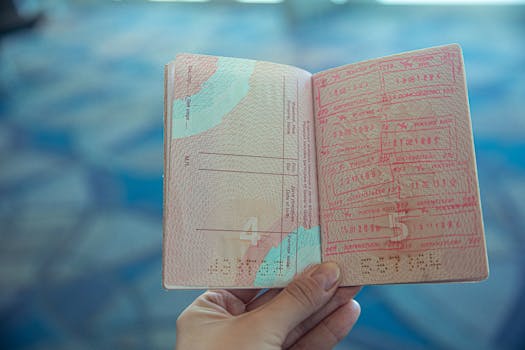
- Blank Pages: Check if your passport has enough blank pages for entry and exit stamps. Some countries are strict about this.
- The Official Word is Best:
- Embassy/Consulate Websites: This is your primary source of truth. Always cross-reference information from travel blogs or forums with the official embassy or consulate website of your destination country.
- Government Travel Advisories: Your home country's foreign affairs department (e.g., U.S. Department of State, UK Foreign, Commonwealth & Development Office) provides essential travel advisories and country-specific information.
- Never Assume, Always Verify:
- Transit Visas: Don't forget to check if you need a transit visa for layovers, even if you're not leaving the airport. Some countries require this.
- Re-entry Permits: If you're a resident of a country and traveling abroad, ensure you have the necessary re-entry permits or visas.
- The Power of the Travel Advisor:
- Expertise: We live and breathe travel logistics. Our job is to stay updated on the latest changes, so you don't have to.
- Troubleshooting: If a visa issue arises, we have the contacts and experience to help resolve it quickly.
- Tailored Advice: We can assess your specific situation and provide personalized guidance, saving you time and potential headaches.
- Digitalization is Your Friend (and Foe):
- Online Applications: Many visa processes are now entirely online. Ensure you have a stable internet connection and can upload required documents accurately.
- Scams: Be wary of unofficial websites offering expedited visa services. Always use official government portals or reputable visa application centers.
- Buffer Time is Non-Negotiable:
- Application Processing: Visa processing times can vary wildly, from a few days to several weeks or even months. Apply as early as possible.
- Unexpected Delays: Border officials have the final say. Having extra time built into your itinerary can save you from missing flights or important events due to unforeseen entry issues.
H2: Quick Facts: Planning Your Next Visa-Conscious Adventure
| Category | Details | Estimated Cost ($) | Best Time to Visit | How to Get There |
| :------------------- | :------------------------------------------------------------------------------------------------------------------------------------------------------------------------------ | :----------------- | :------------------------------------------------------------------------------------------------------------------------------------------------------------------------------------------------------------ | :----------------------------------------------------------------------------------------------------------------------------------------------------------------------------------------------------------------------------------------------------------------------------------------------------------------------------------------------- |
| Schengen Area | ETIAS (upcoming), 90/180 rule for visa-free stays. | €7 (ETIAS), Visa fees vary. | Spring (April-May) for pleasant weather and fewer crowds. Autumn (September-October) for vibrant foliage and mild temperatures. Summer (June-August) is peak season, expect crowds and higher prices. | Primarily by air to major international airports (e.g., Frankfurt, Paris, Amsterdam). Train travel is excellent for inter-country movement within the Schengen zone. |
| United Kingdom | Visitor visa rules, UK ETA (upcoming). | Visa fees vary. | Spring (April-May) for blooming gardens and milder weather. Summer (June-August) for long daylight hours and festivals. Autumn (September-October) for cozy pubs and beautiful landscapes. | Flights to major hubs like London Heathrow (LHR), Gatwick (LGW). Ferries and Eurostar train connect from mainland Europe. |
| Digital Nomad Visa Destinations (e.g., Portugal) | Specific visa requirements, proof of income, health insurance. | Visa fees vary, often a few hundred dollars. | Varies by region; generally pleasant year-round, but specific seasons offer unique experiences (e.g., Algarve in summer, Lisbon in spring/fall). | Flights to capital cities or major tourist hubs. Many countries offer excellent public transport once you arrive. |
| General Visa Application | Research specific country requirements, gather documents (passport, photos, proof of funds, itinerary), submit application. | $50 - $300+ (depending on country and visa type) | Varies greatly by destination. Consider shoulder seasons for better value and fewer crowds. | Varies by destination and visa type. Often involves online applications, in-person interviews at embassies/consulates, or visa-on-arrival services. |
H2: The Bottom Line: Embrace the Adventure, Stay Informed
The world of travel is dynamic, and so are the rules that govern it. Border changes affecting visa requirements are a reality, but they shouldn't be a source of dread. Instead, view them as part of the exciting challenge of global exploration.
By staying informed, leveraging the expertise of travel advisors, and always verifying information through official channels, you can navigate these shifts with confidence. The thrill of stepping into a new country, with all its unique sights, sounds, and flavors, is still very much within reach.
So, do your homework, plan ahead, and let the adventure begin! Your next unforgettable journey awaits, and with the right preparation, visa concerns will be a distant memory.