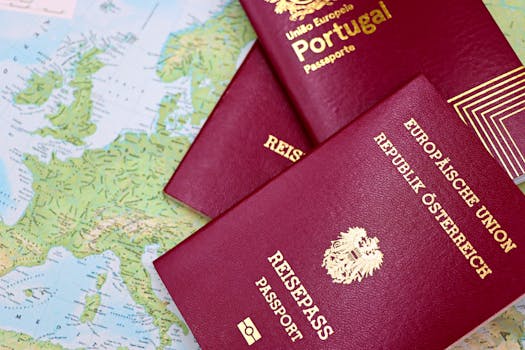
Navigating the Shifting Sands: Your Definitive Guide to Recent Visa Requirement Changes
I stepped off the overnight train in Istanbul, the air thick with the intoxicating blend of roasted chestnuts and the salty tang of the Bosphorus. The cacophony of the Grand Bazaar was already in full swing – a symphony of hawkers' calls, the clatter of teacups, and the low hum of a thousand conversations. My visa had been a breeze to obtain online months ago, a simple click and a few days' wait. But as I navigated the bustling streets, a nagging thought lingered: how many other travelers were facing unexpected hurdles, their meticulously planned adventures suddenly thrown into disarray by ever-changing border policies?
In today's dynamic global landscape, staying informed about visa requirements isn't just a good idea; it's an absolute necessity. The world of travel is in constant flux, with nations frequently updating their entry protocols. For the intrepid explorer, the business traveler, or the digital nomad seeking new horizons, understanding these border changes affecting visa requirements according to recent data is paramount. This guide is your compass, designed to equip you with the knowledge to traverse these evolving landscapes with confidence and ease.
The Global Visa Gauntlet: What's New and What It Means for You
The days of a one-size-fits-all approach to international travel are long gone. Governments are adapting to economic shifts, security concerns, and the growing desire for more streamlined, yet controlled, immigration. This has led to a fascinating tapestry of new visa policies, e-visas, visa-free agreements, and, yes, some unexpected tightening of rules.
Europe: The Schengen Shuffle and Beyond
The Schengen Area, a dream for many backpackers and European explorers, is always a hotbed of visa discussion. Recently, we've seen discussions and implementation of the ETIAS (European Travel Information and Authorisation System). While not a traditional visa, this pre-travel authorization for visa-exempt nationals from over 60 countries will become mandatory.
- What it means: Think of it as a digital permit to enter the Schengen zone. It's designed to enhance security by screening visitors before they arrive.
- Pro-Tip: Apply for ETIAS well in advance of your travel dates. While advertised as a quick process, unexpected technical glitches or additional checks can cause delays. Aim for at least 72 hours before your flight, but ideally, a few weeks.
- Insider Lingo: "Schengen Shuffle" – the sometimes complex process of calculating your 90/180-day stay within the Schengen zone. Keep a meticulous record of your entry and exit dates!
Beyond Schengen, individual European nations are also tweaking their policies. The UK, for instance, continues to refine its post-Brexit immigration system, impacting both short-term visitors and those seeking longer stays.
Asia: The Rise of the Digital Nomad and E-Visas
Asia has been at the forefront of embracing digital nomadism, with countries like Thailand, Bali (Indonesia), and Malaysia actively introducing or refining digital nomad visas. These are designed to attract remote workers, offering longer stay periods than traditional tourist visas.
- What it means: If you can work remotely, you might be eligible for a visa that allows you to live and work from some of Asia's most stunning locations for an extended period.
- Pro-Tip: Research the specific income requirements and supporting documentation for each digital nomad visa. They often require proof of stable income and health insurance.
- Authentic Insight: The food scene alone is worth the visa hustle! From the fragrant street food stalls of Bangkok to the serene rice paddies of Ubud, these visas unlock incredible cultural immersion.
Furthermore, many Asian countries are expanding their e-visa programs, making application processes smoother and faster. India has significantly streamlined its e-visa system, and Vietnam has also expanded its e-visa offerings.
The Americas: Shifting Dynamics and Reciprocity
The United States continues to be a major destination, and its visa policies, particularly for tourist and business visas (B1/B2), remain a focal point. While there haven't been drastic overhauls recently, the demand remains high, and processing times can fluctuate significantly depending on the applicant's country of origin and the specific consulate.
- What it means: Patience and meticulous preparation are key when applying for US visas. Understanding the nuances of the interview process and required documents is crucial.
- Pro-Tip: If you have a complex travel history or previous visa denials, consider consulting with a reputable immigration lawyer.
- Budget Note: The application fee for a US B1/B2 visa is currently $185, but this can change. Always check the official US Department of State website for the most up-to-date fees.
Canada is also actively promoting immigration and has various programs, including those for skilled workers and temporary residents, but also requires careful attention to visa requirements for many nationalities.
Decoding the Data: Where to Find Reliable Information
Navigating this complex web of regulations requires access to accurate and up-to-date information. Relying on outdated blog posts or hearsay can lead to significant travel disruptions.
Official Government Sources: Your First Stop
The most reliable information will always come directly from the official government websites of the countries you intend to visit.
- Embassy and Consulate Websites: These are treasure troves of information regarding visa requirements, application forms, fees, and processing times.
- Immigration Department Websites: Look for the official immigration or home affairs department of the country. For example, the US Citizenship and Immigration Services (USCIS) and the UK's Home Office.
Reputable Travel Organizations and News Outlets
While official sources are paramount, reputable travel organizations and international news outlets often provide excellent summaries and analyses of significant visa changes.
- International Air Transport Association (IATA): Their " Timatic" system is a comprehensive database used by airlines to verify travel document requirements.
- Major News Agencies: BBC Travel, CNN Travel, and Reuters often report on significant shifts in immigration and visa policies.
Pro-Tips for Seamless Travel in a Changing World
Beyond understanding the rules, adopting smart travel habits will ensure your journeys are as smooth as possible.
1. The Pre-emptive Passport Check
- What it is: Before even booking flights, check the validity of your passport. Many countries require your passport to be valid for at least six months beyond your intended stay.
- Pro-Tip: If your passport is nearing its expiry date, renew it immediately. Processing times for passport renewal can be lengthy, especially during peak seasons.
2. Embrace the E-Visa Revolution
- What it is: Many countries have moved to electronic visa systems. These are typically applied for online and processed digitally, saving you a trip to the embassy.
- Pro-Tip: Always use the official government e-visa portal for the country you're visiting. Beware of third-party websites that may overcharge or be fraudulent.
3. The Power of the 'Buffer Zone'
- What it is: When calculating travel times and visa durations, always add a buffer. Unexpected flight delays, border queues, or additional immigration checks can add hours to your journey.
- Pro-Tip: For visa-free countries, understand the exact duration of stay allowed (e.g., 30 days, 90 days). Don't push the limits; it's better to be a day early departing than a day late.
4. Document, Document, Document!
- What it is: Keep digital and physical copies of all your important travel documents: passport, visa, flight confirmations, hotel bookings, and any supporting financial documents.
- Pro-Tip: Store digital copies in a secure cloud service (like Google Drive or Dropbox) and email them to yourself. This ensures you can access them even if your phone is lost or stolen.
5. Understand Visa-on-Arrival vs. Pre-Arranged Visas
- What it is: Some countries offer 'visa on arrival' (VOA), where you can obtain your visa upon landing. Others require you to secure your visa before you travel.
- Pro-Tip: Even if a VOA is available, check if pre-arranging your visa online or through an embassy offers faster processing at the border. Sometimes, VOA queues can be exceptionally long.
The Budget Traveler's Visa Checklist
Navigating visa requirements doesn't have to break the bank. Here's a quick overview of what to consider:
| Category | Details | Estimated Cost ($) | Best Time to Apply | How to Get There |
| :------------------- | :------------------------------------------------------------------------------------------------------------------------------------ | :----------------- | :------------------------------------------------ | :------------------------------------------------------------------------------------------------------------------------------------------------------------------------------------------------------------------------------------------------------ |
| Visa Fees | Varies wildly by country and visa type (tourist, business, student, digital nomad). | $0 - $500+ | As soon as you know your travel dates. | Online application portals, embassy/consulate submissions, or visa application centers. |
| ETIAS (Europe) | For visa-exempt nationals entering Schengen. | ~€7 | At least 72 hours before departure, ideally sooner. | Official ETIAS website. |
| Passport Renewal | If your passport is expiring or doesn't meet the 6-month validity rule. | $100 - $200+ | Months before expiry. | National passport issuing agency (e.g., US Department of State, UK HM Passport Office). |
| Visa Photos | Some visas require specific passport-style photos. | $10 - $30 | When you begin your visa application. | Local photo studios, some post offices, or professional passport photo services. |
| Travel Insurance | Often a mandatory requirement for visa applications and always recommended for your safety. | $50 - $300+ | Before applying for your visa/booking flights. | Online insurance providers, travel agents, or through your airline/credit card benefits. |
| Visa Agent Fees | If you choose to use a third-party visa service for assistance. | $50 - $200+ | When you feel overwhelmed by the process. | Reputable visa service agencies (do thorough research!). |
The Future of Travel: Adapting to a Connected World
As technology advances, we can expect further integration of digital systems in border control and visa management. Biometrics, advanced identity verification, and even blockchain-based travel documents are on the horizon. For now, however, the key to successful international travel lies in preparedness, diligence, and a proactive approach to understanding border changes affecting visa requirements.
So, the next time you dream of stepping off a train into a new city, remember that a little bit of research and a keen eye on the latest visa news can transform a potential headache into an unforgettable adventure. Happy travels!