The Hook: More Than Just a Postcard View
I stepped off the ferry, and the air hit me – a heady mix of salt, wild thyme, and something else… a quiet promise of discovery. It wasn't the frantic buzz of Oia at sunset, the kind that feels more like a stampede than a moment. This was different. This was the gentle hum of a village waking up, the clinking of coffee cups on a sun-drenched terrace, the distant bleating of goats on a hillside. I’d come seeking the magic of the Greek islands, the iconic whitewashed charm, the impossibly blue Aegean Sea, but I was determined to find it without the shoulder-to-shoulder crowds. And this island, this unsung hero, was already delivering.
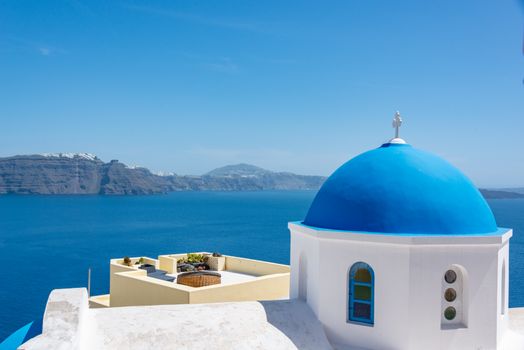
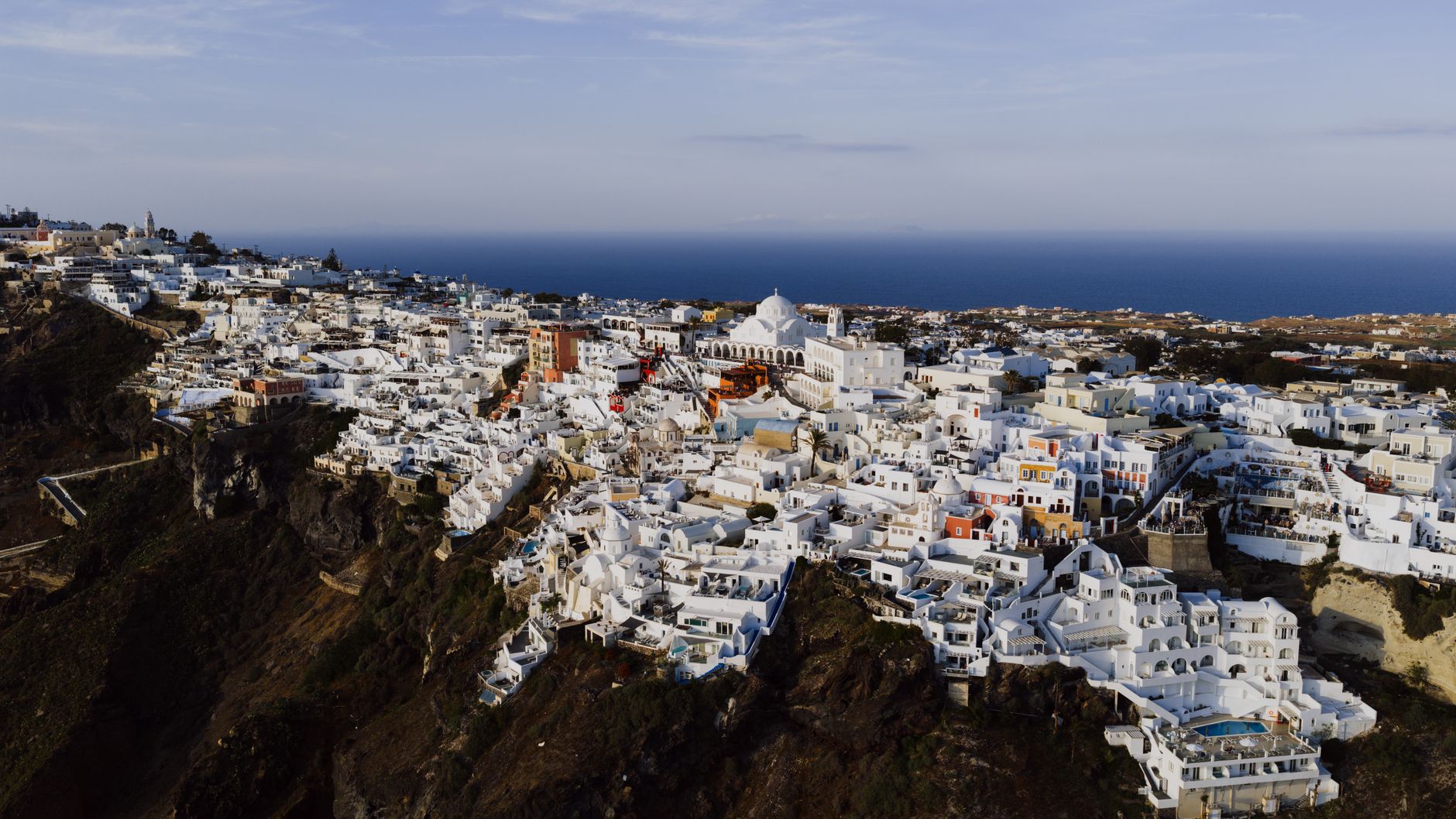
Santorini, let’s be honest, is spectacular. It’s the stuff of travel dreams, the caldera views, the sunsets that paint the sky in fire. But in recent years, that dream has become… a little too popular. Spring is a magical time to visit Greece, before the summer heat and the peak tourist season descend. Yet, even then, the iconic spots can feel less like a serene escape and more like a theme park. That’s why I’ve been on a mission, exploring Greece’s archipelago to uncover the truly trending, yet delightfully uncrowded, alternatives that capture Santorini’s spirit, but with a generous dose of authentic island life.
Beyond the Caldera: Unveiling Greece's Trending Spring Escapes
This spring, savvy travelers are looking for experiences that offer the same breathtaking beauty and charm as Santorini, but with a more relaxed, authentic vibe. They want to wander through charming villages without fighting for a photo op, savor local cuisine without a reservation months in advance, and truly connect with the soul of Greece. I’ve handpicked a few gems that are absolutely buzzing with potential, offering a perfect blend of postcard-perfect scenery and genuine island living.
1. Folegandros: The Wild, Untamed Sister
If Santorini is the glamorous, well-dressed elder sister, Folegandros is the effortlessly chic, slightly rebellious younger one. It’s rugged, dramatic, and unapologetically beautiful. The main town, Chora, clings precariously to a cliff edge, a labyrinth of whitewashed alleys, vibrant bougainvillea, and shaded squares where locals gather. The views here? Just as jaw-dropping as Santorini’s, but you’ll likely have them all to yourself.
Pro-Tip:
Hike up to the Church of Panagia for sunset. The panoramic views of the Aegean are simply sublime, and the path is dotted with wildflowers. It’s a sacred, soul-stirring experience, not just a photo opportunity.
What to Expect:
Think dramatic cliffs, secluded beaches accessible only by boat or foot, and a pace of life that encourages you to slow down and breathe. The architecture here is a testament to Cycladic simplicity, with stark white buildings and vibrant blue shutters that pop against the stark landscape.
Insider Lingo:
You won't find "tourist traps" here. Instead, you'll discover tavernas serving psari plaki (baked fish) and mastelo (a local cheese). The locals are warm and welcoming, proud of their island’s unspoiled nature.
2. Amorgos: The Mystical Aegean Heartbeat
Known as the island that featured in Luc Besson's "The Big Blue," Amorgos possesses a raw, spiritual energy. It’s an island for the soul, with ancient monasteries perched on sheer cliffs, crystal-clear waters that beckon exploration, and a sense of timelessness that is utterly captivating.
Pro-Tip:
Visit the Monastery of Hozoviotissa. This incredible structure is built into a cliff face, 300 meters above the sea. Dress respectfully (shoulders and knees covered) and be prepared for breathtaking views and a humbling spiritual atmosphere. The monks often offer psimeni raki (a spiced honey liquor) and loukoumi.
What to Expect:
Amorgos offers a more rugged, adventurous experience. Hiking trails crisscross the island, leading to hidden coves and ancient ruins. The villages, like Chora and Aegiali, are incredibly picturesque, with traditional Cycladic architecture and a genuine local feel.
Insider Lingo:
The island is famous for its fava (split pea puree) and its potent psimeni raki. The locals are fiercely proud of their traditions and their island's unique character. You might hear them talking about the panigiria (local festivals) – these are the heart of island life.
3. Milos: The Volcanic Canvas of Beauty
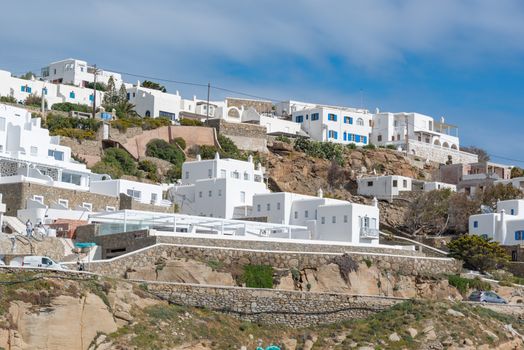
While Santorini boasts its volcanic origins, Milos is a volcanic canvas, a geological wonderland sculpted by nature into extraordinary shapes. Its coastline is a masterpiece of natural artistry, with dramatic rock formations, colorful cliffs, and over 70 unique beaches, each with its own distinct charm.
Pro-Tip:
Rent a small boat or join a boat tour to explore the Kleftiko sea caves. The turquoise water and the towering white rock formations are simply surreal. This is where you’ll feel like you’ve stumbled upon a secret pirate cove.
What to Expect:
Milos offers a more diverse landscape than many other Cycladic islands. You'll find lunar-like landscapes, colorful fishing villages like Klima with its syrmata (boat garages carved into the rock), and ancient sites like the Catacombs and the theatre.
Insider Lingo:
Keep an eye out for the syrmata – these colorful, boathouse homes carved directly into the volcanic rock are unique to Milos. You’ll also find incredible seafood at the harborside tavernas. Don't miss trying the pitarakia (small cheese pies).
4. Naxos: The Green Heart of the Cyclades
For those seeking a blend of stunning beaches, ancient history, and lush interiors, Naxos is an absolute revelation. It’s the largest of the Cycladic islands and offers a more grounded, family-friendly experience, without sacrificing beauty or authenticity.
Pro-Tip:
Explore the inland villages like Apeiranthos and Halki. Apeiranthos, with its marble streets and traditional houses, feels like stepping back in time. Halki is known for its citrus liqueur distillery. The air in these villages is thick with the scent of wild herbs and mountain blooms.
What to Expect:
Naxos boasts some of the most beautiful sandy beaches in the Cyclades, like Agios Prokopios and Plaka. Inland, you’ll find fertile valleys, ancient ruins (including the unfinished Kouros statues), and charming mountain villages.
Insider Lingo:
Naxos is famous for its potatoes and its delicious local cheeses, particularly graviera. The island also has a strong tradition of music and dance, so if you're lucky, you might catch a lively panigiri.
5. Sifnos: The Culinary Gem of the Aegean
If you’re a foodie who also appreciates understated beauty, Sifnos is your calling. This island is renowned throughout Greece for its exceptional cuisine, its charming pottery villages, and its network of ancient walking trails. It’s a place where every meal is an event and every walk a discovery.
Pro-Tip:
Take a pottery workshop in the village of Kamares or Vathi. Sifnian pottery is famous for its unique glaze and traditional designs. It’s a fantastic way to connect with a centuries-old craft. And of course, savor the island's signature dishes like revithada (chickpea stew slow-cooked in a clay pot) and mastelo lamb.
What to Expect:
Sifnos offers a gentler, more cultivated beauty. Its villages are meticulously kept, with charming squares and bougainvillea-draped courtyards. The beaches are lovely, and the hiking trails are well-maintained, offering stunning views of the coastline and the surrounding islands.
Insider Lingo:
The island's culinary reputation is legendary. You'll hear locals talk about the importance of their clay pots for cooking. Look for tsikali (a type of ceramic cooking pot) and don't leave without trying the melopita (honey pie).
Quick Facts: Your Spring Island Hopping Cheat Sheet
| Island | Estimated Costs ($) | Best Time to Visit (Spring) | How to Get There | Vibe |
| :----------- | :------------------ | :-------------------------- | :-------------------------------------------------- | :------------------------------------------- |
| Folegandros | $$ - $$$ | April - May | Ferry from Piraeus (Athens) or other Cyclades islands | Rugged, dramatic, authentic, peaceful |
| Amorgos | $$ - $$$ | April - May | Ferry from Piraeus (Athens) or other Cyclades islands | Mystical, spiritual, adventurous, raw |
| Milos | $$ - $$$ | April - May | Ferry from Piraeus (Athens) or other Cyclades islands | Volcanic, diverse landscapes, artistic, unique |
| Naxos | $$ | April - May | Ferry from Piraeus (Athens) or other Cyclades islands | Green, family-friendly, beaches, history |
| Sifnos | $$ - $$$ | April - May | Ferry from Piraeus (Athens) or other Cyclades islands | Culinary, charming villages, walking trails |
Note: Costs are estimates for mid-range accommodation, dining, and activities. Spring shoulder season often offers better value.
Logistics & Getting There: Navigating the Aegean
The primary gateway to the Cycladic islands is Athens International Airport (ATH). From Athens, you have two main options for reaching these island paradises:
- Ferries: This is the quintessential Greek island experience. Ferries depart regularly from the port of Piraeus (near Athens) to most of the Cycladic islands. High-speed ferries are quicker but more expensive, while conventional ferries offer a more relaxed journey and are generally more budget-friendly. Booking tickets in advance, especially for popular routes or during shoulder seasons, is highly recommended. Websites like Ferryhopper or Direct Ferries are invaluable for checking schedules and booking.
- Flights: Some larger islands, like Naxos, have small airports with domestic flights from Athens. This is the fastest option but can be more expensive and less common for the smaller, trending alternatives.
Pro-Tip:
Consider island hopping! Many of these islands are well-connected by ferry, allowing you to experience multiple unique destinations on a single trip. For example, you could easily combine Folegandros with Milos or Naxos with Sifnos.
Embracing the Authenticity: What Makes These Alternatives Shine
What I’ve discovered on these islands, and what makes them truly special, is their unwavering authenticity. It’s in the way the older women still hang their laundry from balconies adorned with vibrant geraniums, the way fishermen mend their nets by the harbor, and the way the aroma of slow-cooked lamb fills the air in the evening.
These aren't islands that have been manicured solely for tourism. They are living, breathing communities where tradition is cherished. You’ll find yourself engaging in conversations with locals, learning about their way of life, and feeling a genuine connection that’s often lost in more commercialized destinations. The architecture isn't just picturesque; it's functional, reflecting centuries of adaptation to the climate and the landscape. The food isn't just delicious; it's a reflection of the island's bounty and its history.
Choosing one of these alternatives means opting for a deeper, more meaningful travel experience. It’s about savoring the quiet moments, appreciating the unscripted beauty, and returning home with stories that go beyond the usual tourist snapshots. This spring, step off the well-trodden path and discover the true heart of the Aegean.
---