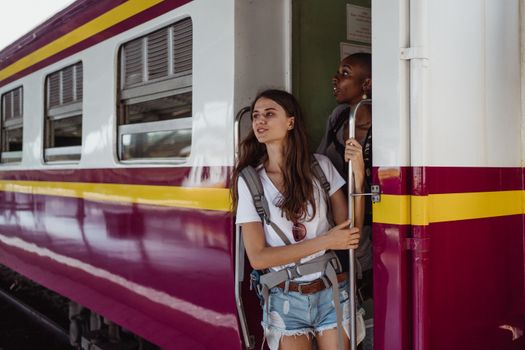
A full day or a single night away from a major city can deliver a surprising amount of variety. Travelers often look for short trips that fit between work commitments or weekends, and many cities sit within reach of forests, coasts, historic towns and outdoor parks. This guide describes how to choose a 24-hour adventure, how to plan the logistics and how to keep the experience safe and rewarding. Distances, opening times and transport schedules change, so verify details before you leave.
Choosing the right kind of short adventure
Start by deciding what you want from a short break. Some travelers prefer physical activity such as hiking, cycling or paddling, while others want a cultural outing to a historic town, a museum or a market. Consider how much time you have, since a late start leaves little room for travel delays. Adventures built around one main activity, such as a guided climb or a gentle river paddle, tend to work well in twenty-four hours, whereas multi-day itineraries usually do not fit.
It also helps to think about the season. Mountain trails may close after heavy snow, coastal paths can be affected by tides and storms, and some attractions operate only seasonally. Checking these factors early avoids disappointment on the day.
Logistics and getting there
Map out travel time from the city center to your destination in both directions. Public transport may be the most sensible option, but check schedules carefully, especially on weekends and holidays when services can change. If you drive, check parking availability at trailheads and whether a reservation or permit is required. Ride-hailing services may not cover remote areas, so confirm coverage before relying on them for a return trip.
Pack for the conditions rather than for the city. A backpack with water, snacks, a light waterproof layer and a basic first-aid kit covers most short outings. If you plan to stay overnight, check whether accommodation is available and whether you need to book in advance.
Safety and preparation
Even short outings can become challenging if the weather changes or a route is more demanding than expected. Check the forecast from a reliable meteorological service on the day of travel and again shortly before departure. Share your plans with someone at home, including your route and expected return time. Carry a fully charged phone and download offline maps, because mobile signal may be weak. Learn the local emergency number, and remember that it can vary by country.
Be honest about your fitness and experience. If a trail is described as strenuous, allow more time than the stated duration and turn back if conditions deteriorate. For water activities, check whether a guide, life jacket or local rules apply.
Making the most of one day or night
A good 24-hour plan balances movement and rest. Start early to make the most of cooler hours and quieter trails, and plan a midday break for food and shade. If you stay overnight, choose accommodation close to your main activity to save time. Evenings can be good for a short walk through a village, a sunset viewpoint or a dinner at a local restaurant, though opening hours in smaller towns are often shorter than in cities. Check ahead rather than assuming a restaurant or shop will be open.
Consider adding a cultural element, such as a historic site or a local market, to add depth to the trip. Many regions also have visitor centers that offer maps, seasonal advice and details of guided tours.
Practical tips
Set a firm turnaround time for hikes and stick to it. Carry more water than you think you will need, especially in warm weather. Wear footwear suited to the terrain and break in new boots before the trip. Check whether a route requires a permit, and obtain it in advance where possible. Keep valuables out of sight in parked cars. Leave a note of your plans with your accommodation or a friend, and let them know when you have returned safely.
Common mistakes to avoid
Planning too many stops is the most common error, since a 24-hour window rarely allows for delays on both legs of the journey. Travelers also tend to set off late and then rush the most demanding part of the route. Another mistake is treating a city's public transport timetable as fixed on every day, when holiday services and engineering works can change it. Some people pack as if for a longer trip, and a heavy bag becomes tiring on every climb. Others assume the best-rated restaurant in a small village will be open at their preferred hour, when opening times there are often shorter. Finally, it is easy to underestimate the cost of a last-minute taxi or the lack of a cash point in remote places, so carry some local currency and check whether card payment is widely accepted.
Who this suits and who it doesn't
A 24-hour adventure suits people who have a single free day or evening, who enjoy one clear activity and who can travel light. It can work well for solo travelers, couples and friends who are comfortable with early starts and simple logistics, and for those who want a change of scene without booking accommodation. It is less suitable for people who need a relaxed multi-stop itinerary, for those with limited mobility who depend on accessible transport and facilities, and for groups with very different fitness levels. Families with young children may prefer a shorter, low-effort outing with a fixed meeting point. Anyone who gets anxious about being far from help, or who has a medical condition that could be affected by exertion or heat, should discuss their plans with a clinician before setting out.
Frequently asked questions
Is an overnight stay necessary?
Not always. A day trip with a clear return time can be more practical, but an overnight stay can make a long walk or an evening activity easier to enjoy.
What should I do if the weather turns?
Shorten or change the route, and respect any official warnings. Turning back early is usually better than pressing on.
How do I choose between a hike and a cultural outing?
Think about the energy you will have at the end of the day and the transport needed to return. A cultural visit may suit a day when you are tired, while a hike suits a day when you want movement.
A 24-hour adventure from a major city is a practical way to change pace without a long journey. With realistic timing, a clear plan and attention to conditions, one short day can feel like a genuine escape from the routine of the city.