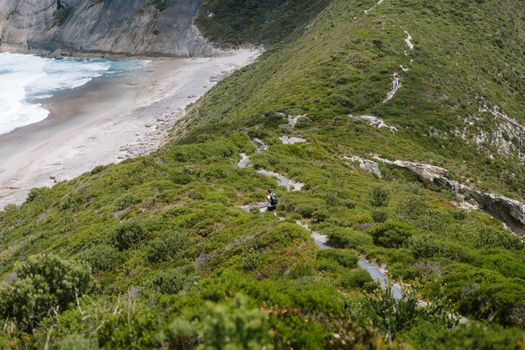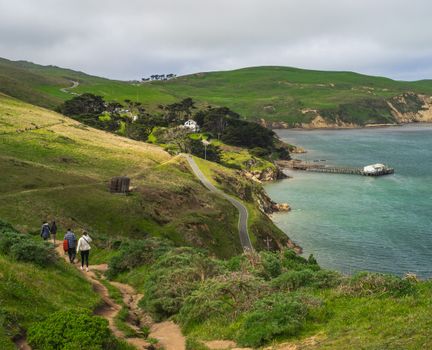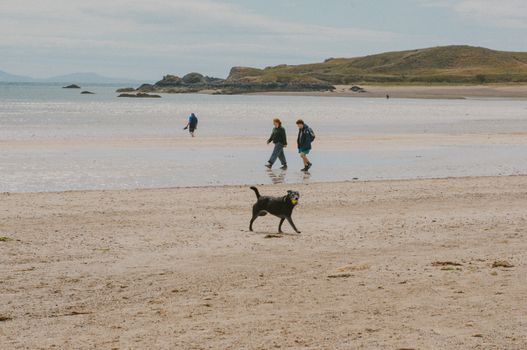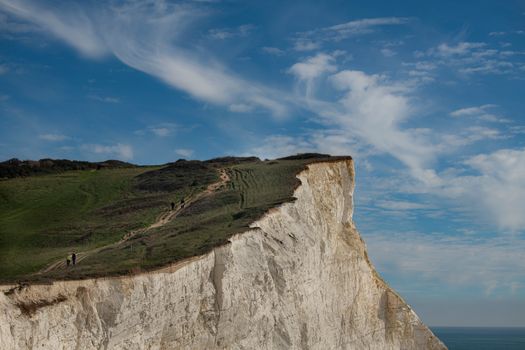
A coastal walk is one of the most rewarding ways to spend a day away from the city. Sea views, cliff paths, beaches and harbor villages can all be reached on foot, and many routes can be shortened, extended or split into sections to suit your energy level. Some coastlines are served by waymarked paths that are well maintained, while others follow rougher tracks along cliffs and shorelines. The right walk for a day trip depends on your fitness, the time available and conditions on the day. This guide explains how to choose a route, plan transport and stay safe on exposed terrain.
Choosing a route for a day
For a day trip, a loop or a point-to-point walk with reliable transport at both ends often works best. Look for routes that are described with distance, estimated time and grade, and check whether they follow the coast continuously or cut inland in places. Many coastal paths include steep sections, steps and uneven ground, which can add time and fatigue that maps do not always show. Reading recent descriptions from walking guides or official park sites will help you judge whether a route suits your group. Families may prefer a shorter stretch with a café or beach at the end, while more experienced walkers may enjoy a longer section with fewer facilities.
Reading tides and weather
Tides affect many coastal routes. Some sections pass beaches that are accessible only at low tide, and some rock platforms or causeways can become impassable quickly as the water rises. Check tide tables for the specific location, and plan your walk so that any tide-dependent parts are passed at a safe time. Weather matters just as much. Strong winds can make cliff edges more dangerous, and rain can turn paths slippery. Check a reliable forecast on the morning of your walk, and be prepared to shorten the route or choose an alternative if conditions deteriorate.
Arranging transport
Getting to the start and home from the end of a coastal walk is one of the main logistical challenges. Public buses often serve coastal towns, but timetables can be limited outside peak seasons, particularly on weekends and public holidays. Some regions run seasonal shuttle services or coastal trains that stop at walking points. If you plan to drive, consider leaving a car at the end of the route or arranging a taxi in advance, and check parking regulations. Plan buffer time so that a delayed bus does not leave you walking after dark.
Staying safe on cliffs and exposed shorelines
Cliff edges can be unstable and may crumble without warning, so keep well back from the edge and follow fences and signs. Do not climb on rock faces or sit directly beneath cliffs. Watch for loose stones and slippery sections, especially after rain. Coastal areas can also have strong winds and sudden changes in weather, so carry a windproof and waterproof layer. Sea conditions may change quickly, and waves can reach further up rocks than expected. Keep children close and avoid walking along the base of cliffs at high tide. If you feel unsure about a section, turn back, since there is usually an alternative route.
What to bring
Sturdy footwear with good grip is essential for most coastal routes. Carry enough water and some food, as some sections have no facilities. Pack a small first aid kit, sun protection and a hat, since open coastlines can be exposed to sun and wind. A charged phone with offline maps and a small power bank is useful, and telling someone your planned route and return time is a good habit. Binoculars can enhance birdwatching and sightseeing along the way.
Practical tips
- Check the tide and weather forecast on the morning of your walk.
- Confirm return transport times before you set out.
- Keep to marked paths and stay well back from cliff edges.
- Carry water, snacks, layers and a basic first aid kit.
- Pick a route with a clear turnaround point, so you can shorten the day if needed.
Common mistakes to avoid
A common mistake is trusting the stated distance without allowing for elevation, steps and frequent photo stops. Travelers may also assume a point-to-point walk is simply the reverse of a loop, when the return bus may leave from a different place. Another error is starting late in the day, which leaves little margin if the path proves slower than expected. Some walkers follow a trail through fog or low cloud without a clear route, and lose the markings. Finally, relying on a single app for navigation can be unreliable if the battery runs low or the signal is weak, so a printed or downloaded map is worth carrying.
Who this suits and who it doesn't
Coastal walks suit travelers who enjoy steady activity, sea air and changing views, and most people with reasonable fitness can manage them by choosing a suitable grade. They can work well for solo walkers, friends and families when the route is short and level. They are less suitable for people with a fear of heights, those with balance problems, or anyone needing wheelchair access, since many coastal paths have steps, stiles and uneven surfaces. Walkers recovering from injury should seek advice before attempting long stretches near cliffs.
Frequently asked questions
Is a coastal walk safe in bad weather?
Strong wind and rain increase risk, so it is often wiser to choose a sheltered route or a different day.
Can I swim along the way?
Some routes lead to beaches with safe bathing, but check local conditions and warning flags before entering the water.
How do I pick between two similar walks?
Compare the grade, the distance to the next facility and where the return transport stops.
A well-chosen coastal walk can give you a full day of scenery, fresh air and variety without needing a long journey. Planning around tides, transport and weather, and respecting the power of cliffs and open water, will help the day feel relaxed rather than rushed, and it will leave you with memories of the coastline at its best.