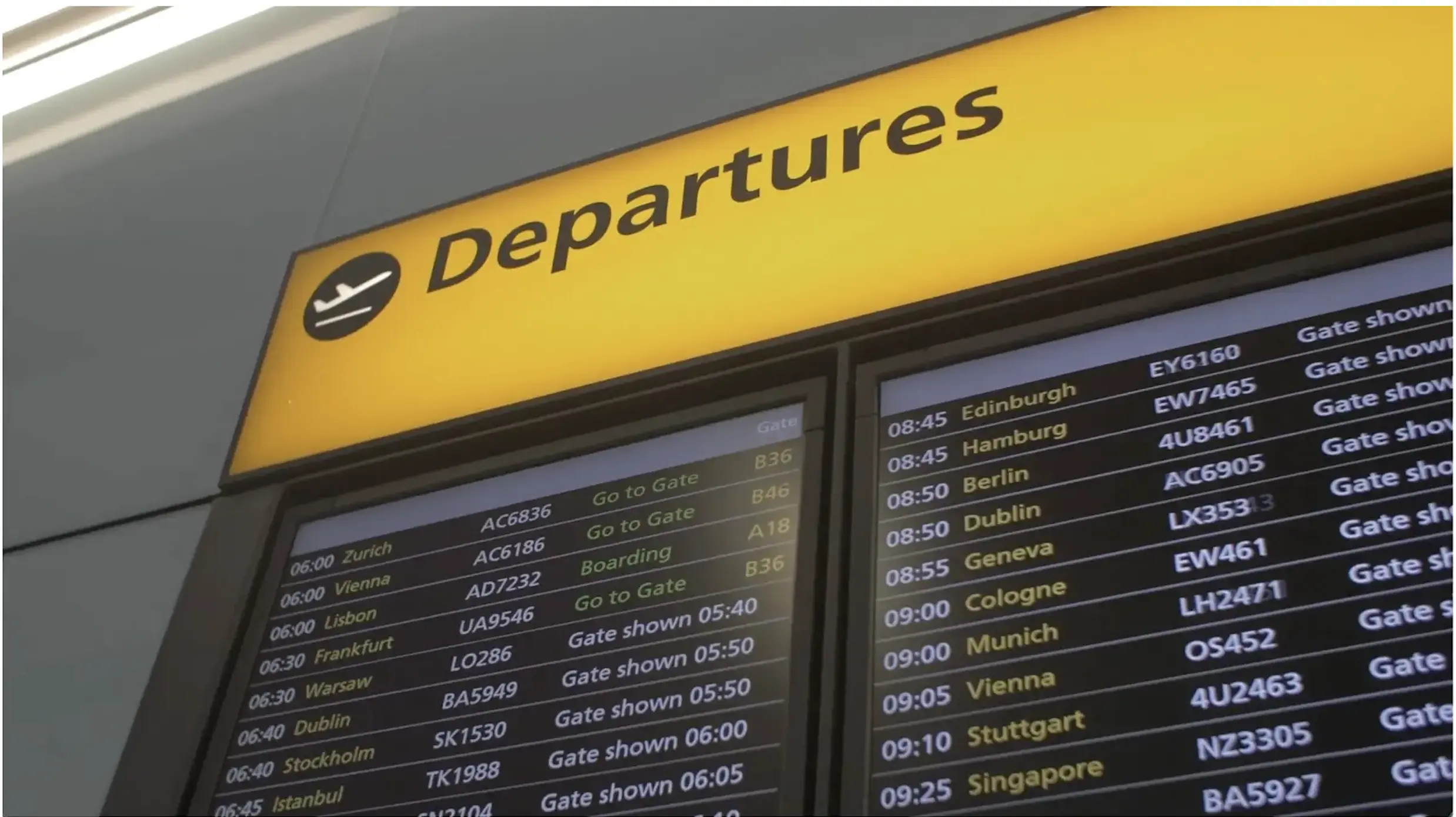
Strikes
From airline and airport ground staff to railway workers, strikes have become increasingly common across the continent. Demands for higher wages to keep up with inflation, and for better working conditions, have led to widespread walkouts that can bring travel to a halt.
Staff shortages
Aviation, especially airlines and airports, has struggled with serious staff shortages. The pandemic brought mass layoffs, and recruitment and training have struggled to keep pace with the rebound in travel demand. The result: long queues at airports, baggage delays and cancelled flights.
Soaring costs
Inflation has pushed the cost of travel up sharply. Higher fuel prices raise airlines' operating costs and, in turn, ticket prices. Accommodation, food and local transport have also become more expensive, squeezing travellers' budgets.
The impact
These disruptions hit travellers and the tourism industry alike. Passengers face inconvenience, missed connections and ruined plans. For tourism, a major part of many European economies, they mean lost revenue and a damaged reputation.
Looking ahead
Fixing these problems takes several things at once: resolving labour disputes, investing in recruitment and training, and finding lasting answers to rising costs. All are needed to bring back smooth, affordable travel across Europe.
This is a general overview and doesn't describe the situation at any particular time. Conditions vary by season and by region, so check with your airline, rail operator or accommodation for the latest updates before you travel.