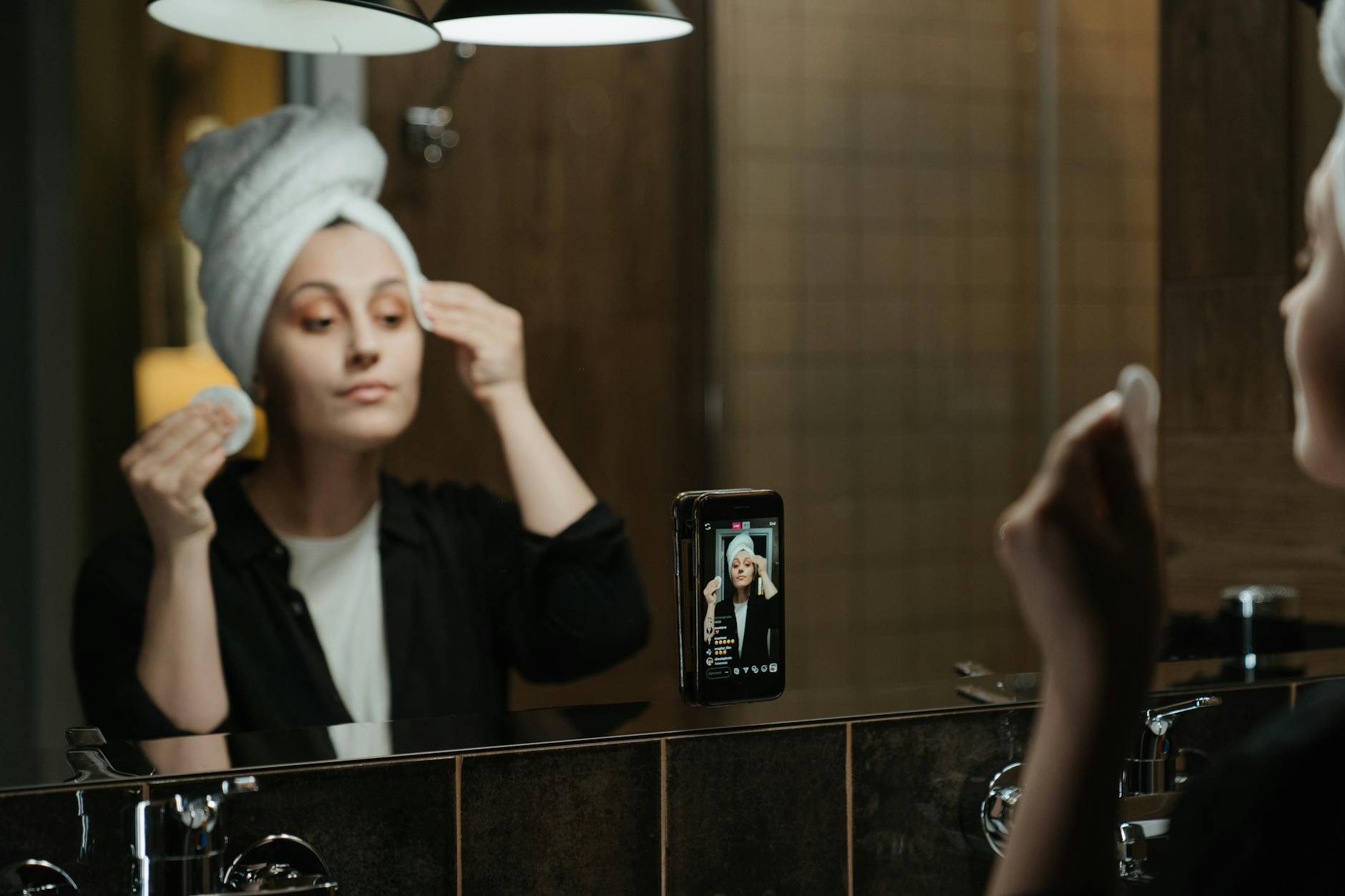
"Put away that bulky camera, tourist!"
The voice was gruff, yet friendly, belonging to an elderly fisherman I’d encountered on a remote island off the coast of Thailand. I was wrestling with my DSLR, trying to capture the perfect golden hour shot of his vibrant longtail boat against the fiery sky. He, meanwhile, had effortlessly pulled out his battered smartphone, snapped a quick photo, and then, with a mischievous twinkle in his eye, showed me a shot that was, frankly, far superior to anything I’d managed.
It was a humbling, yet eye-opening, moment. For years, I’d believed that professional-grade travel photos required professional-grade equipment. My backpack was a chiropractor’s nightmare, filled with lenses, tripods, and filters. But that fisherman, with his simple phone and innate understanding of his surroundings, had just proven me spectacularly wrong.
That day sparked a revelation: the best travel photos aren't about the gear; they're about the eye, the timing, and understanding a place like a local. It's about seeing what others miss, capturing the essence, not just the postcard. And guess what? Locals have been doing this for centuries, long before Instagram, long before smartphones. They possess an intuitive knowledge of their homeland that allows them to effortlessly frame a scene, find the perfect light, and tell a story with a single click.
And that, my fellow wanderers, is the secret sauce I'm here to share with you. Forget those expensive workshops or bulky gear lists. This isn't about fancy apps or filters you have to pay for. This is about unlocking your phone's full potential by learning to see like a local. These are the "secrets" they don't necessarily want tourists to know, because it's their special sauce – their unique perspective on their own backyard. But I’ve learned a few things over my years of chasing sunsets and bustling markets, and I’m ready to spill the beans.
Let's turn your smartphone into a storytelling powerhouse and get you those jaw-dropping, share-worthy shots that scream "authentic travel" rather than "generic tourist trap."
### 1. The Local’s Lens: Mastering Light Beyond Golden Hour
Everyone talks about golden hour, right? That magical time just after sunrise or before sunset when the light is soft, warm, and utterly flattering. And yes, it’s fantastic. But relying only on golden hour is a tourist move. Locals know that great light exists at other times too, and often, those are the times when a place truly comes alive, free from the crowds.
The "Secret" Angle:
Locals understand the unique light of their specific location. In places with narrow streets and tall buildings, like the historic centers of Rome or the bustling souks of Marrakech, the sun's angle can create dramatic shadows and pockets of intense light even at midday. Instead of avoiding the midday sun, look for these contrasts. Seek out the slivers of light illuminating a vendor’s face, the way it highlights the intricate carvings on an old doorway, or the dramatic shadows it casts down an ancient alley.
Blue Hour's Enchantment:
This is a local favorite, often overlooked by tourists rushing to dinner. Blue hour, the period of twilight each morning and evening where the sun is significantly below the horizon, casts a beautiful, cool, ambient glow. Think Paris at dusk with the Eiffel Tower sparkling against a deep indigo sky, or a quiet fishing village in Vietnam as the first lights flicker on. The sky isn't black, but a rich, deep blue, providing a stunning backdrop. Your phone's camera excels in this low, even light, capturing details without harsh contrasts.
Overcast Day Opportunities:
"Oh, it's cloudy, bad for photos," says the tourist. "Perfect for portraits and vibrant colors!" thinks the local. Overcast days act like a giant softbox, diffusing light evenly and eliminating harsh shadows. This is ideal for capturing vibrant street art, colorful markets, or close-up details of food and textiles. The colors pop, and you don’t have to worry about squinting subjects.
Actionable Tip:
Before you even pull out your phone, observe. Where is the light coming from? How does it interact with your subject? Tap on your phone screen to adjust exposure; tap on the brightest part of your scene to darken it overall, or the darkest part to brighten it. Lock your exposure (usually by long-pressing on the screen) once you’ve found the sweet spot.
My Story: I once spent a frustrating morning in Hoi An, Vietnam, trying to photograph the iconic lanterns under a bright, harsh sun. Everything was blown out. Later that evening, during blue hour, I saw locals casually strolling, their phones out, snapping incredible shots. I followed suit, and the lanterns glowed with an otherworldly magic against the deep blue sky, their colors rich and saturated. It was a revelation!
### 2. Composition Beyond the Rule of Thirds: Framing Your World Like a Local
The Rule of Thirds is a great starting point, but it's just that – a starting point. Locals, often unconsciously, employ more sophisticated compositional techniques because they understand the natural flow and focal points of their environment. They don't just look at a scene; they feel it.
Natural Framing is King:
This is perhaps the biggest "secret." Locals instinctively use their surroundings to frame a shot. Think about a bustling market: instead of just shooting the vendor, they might shoot through the gap between two hanging rugs, or use the archway of an ancient building to frame the street beyond. Look for doorways, windows, tree branches, even gaps between people. This adds depth, context, and a sense of discovery to your photos. It invites the viewer into the scene.
Leading Lines to Discovery:
Locals know which paths draw the eye. A winding cobblestone street, the edge of a canal, a row of market stalls – these are all natural leading lines. Use them to guide the viewer’s eye towards your main subject. This creates a dynamic and engaging image that pulls the viewer deeper into the story.
Symmetry & Patterns in Everyday Life:
Many cultures incorporate symmetry and intricate patterns into their architecture, textiles, and even food presentation. Locals see these patterns every day and know how to highlight them. Look for repeating elements, reflections (puddles are your best friend after a rain!), and balanced compositions. A perfectly symmetrical shot of a temple entrance or a repeating pattern on a colorful wall can be incredibly striking.
Actionable Tip:
Don't just point and shoot. Take an extra 30 seconds to move around. Get low, get high, peek through gaps. Experiment with your phone’s grid lines (usually found in camera settings) to help you align your shots, but don't be afraid to break the rules once you understand them.
My Story: In Venice, I was frustrated by the sheer number of tourists. Every "iconic" shot felt cluttered. Then I saw a local taking a photo from a tiny bridge, using the arch of the bridge as a frame for a gondola passing underneath. It was genius! I started looking through things – windows of cafes, gaps between buildings – and suddenly, Venice felt intimate and magical, even amidst the crowds.
### 3. The Art of the Detail: Telling a Story Beyond the Landmark
Tourists photograph landmarks. Locals photograph life. This is the core difference. While the Eiffel Tower or the Colosseum are magnificent, true local photography captures the nuanced details that make a place unique – the textures, the colors, the human interactions, the food. These are the elements that tell a deeper, more authentic story.
Focus on the Micro:
Zoom in (digitally or, better yet, physically move closer!) on the intricate details. The worn texture of an ancient stone wall, the vibrant spices in a market stall, the delicate patterns on a piece of pottery, the steam rising from a bowl of street noodles. These close-up shots add richness and authenticity to your travel gallery. They evoke a sense of touch, taste, and smell.
Capture Human Interaction (Respectfully):
Locals are part of the landscape. Instead of just a posed portrait, look for candid moments: a vendor haggling good-naturedly, a child playing in a fountain, friends laughing over coffee, an artisan meticulously crafting their wares. These interactions breathe life into your photos and tell a story about the culture. (More on respectful photography below!)
Food as Art:
Food isn't just fuel; it's a window into culture. Locals take immense pride in their cuisine. Capture the vibrant colors of a fresh market produce, the meticulous plating of a dish, or the steam rising from a street food cart. Get close, use natural light, and focus on the textures and details that make the food look irresistible.
Actionable Tip:
Think like a journalist. What five details would you use to describe this scene if you couldn't show a picture? Now, go and photograph those five details. Don't be afraid to get really close. Use your phone's portrait mode (if available) to blur the background and make your subject pop.
My Story: I was in Jaipur, India, overwhelmed by the sensory explosion of the markets. I kept trying to capture the "big picture," but my photos felt flat. Then I saw a local woman, with a simple phone, meticulously photographing a vendor's spice display – the rich reds, yellows, and oranges piled high. I tried it, focusing on the texture, the light, and the tiny details, and suddenly, my photos came alive, telling a story of vibrant culture and sensory delight.
### 4. Unleashing Your Phone’s "Pro" Mode: Editing Like a Local (Subtly)
Forget expensive cameras; your smartphone is a powerhouse. Most modern phones have incredible camera capabilities, including "Pro" or "Manual" modes that give you DSLR-like control. Locals might not know the technical jargon, but they intuitively understand what makes a good photo, and they know how to make their phone deliver.
Manual Control – Your Superpower:
Dive into your phone’s camera settings.
Editing: Enhance, Don't Overhaul:
The best editing is subtle. Locals aren't trying to create a fantasy; they're enhancing reality.
Favorite Free Editing Apps:
* Snapseed (Google): Incredibly powerful and intuitive. Selective adjustments, healing brush, perspective correction – it’s a pro tool in a simple package.
Actionable Tip:
Spend 15 minutes playing with your phone's "Pro" mode. Set the ISO to auto, but manually adjust exposure and focus. Then, pick one photo and edit it in Snapseed. Focus on making it look better, not different. A good rule of thumb: if someone asks "what filter did you use?", you've probably over-edited.
My Story: I used to just rely on auto mode, then slap a bright filter on my photos. My shots were okay, but not great. A young street artist in Lisbon, who took incredible photos of his own work with his phone, showed me how he used Snapseed’s "selective adjust" tool to brighten just the details of his mural, and then subtly boosted the shadows to add depth. It transformed my understanding of mobile editing. Now, my photos have a natural vibrancy that feels authentic.
### 5. The Human Element: Capturing Authentic Moments (The Ethical Way)
This is perhaps the most crucial "local secret" of all: respect. Locals interact with their community daily. They understand the nuances of when and how to photograph people. They don't treat people as props; they see them as part of the living tapestry of their home.
Blend In, Don't Barge In:
This is foundational. Dress respectfully, learn a few local phrases ("hello," "thank you," "may I take your photo?"), and observe before you shoot. Don't be the loud, intrusive tourist with a camera shoved in someone's face. The more you blend in, the more natural and authentic your photo opportunities will be.
Ask for Permission (When Possible):
For close-up portraits, especially of individuals, always ask first. A simple gesture, a nod, or a few words in the local language can go a long way. Most people are happy to be photographed if asked politely. If they say no, respect it immediately and move on with a smile.
Candid Over Posed:
While asking for permission is vital for direct interaction, often the most powerful human shots are candid. This requires patience. Sit down, order a coffee, and wait. Look for natural interactions: a child laughing, an elder telling a story, a couple sharing a moment. Use your phone's optical zoom (if available) or simply zoom with your feet (move closer) to capture these moments from a respectful distance without being intrusive.
Focus on Interaction, Not Just Faces:
Sometimes, capturing the back of someone, their hands working, or their interaction with an object or another person can be more powerful than a direct portrait. This respects privacy while still telling a compelling human story.
Actionable Tip:
Practice "street photography" in your own town first. Go to a busy park or market and try to capture candid moments without being noticed. Learn to anticipate moments. Remember, your phone is less intimidating than a DSLR, making it easier to capture natural expressions.
My Story: In a remote village in Peru, I wanted to photograph the women weaving vibrant textiles. My initial attempts felt awkward and forced. Then, I sat down, bought a small souvenir, and simply watched for a while. I learned a few words in Quechua. Eventually, one of the women smiled at me, and I gestured, asking if I could take a photo. She nodded, and I captured a beautiful, authentic shot of her hands working, her face serene. The connection made the photo truly special.
### 6. Unconventional Perspectives: See Your Destination Anew
Locals don't just see famous landmarks; they see the world around them from unique angles, born from familiarity and a different rhythm of life. They notice the reflections in a puddle, the interesting shadow cast by a building, or the unexpected view from a slightly elevated spot.
Get Low, Get High:
Don't just shoot at eye level. Get down on the ground to capture a child's perspective, or to emphasize leading lines. Find a rooftop bar, a hill, or even just stand on a bench to get an elevated view that offers a fresh perspective of a familiar scene.
Reflections are Free Magic:
After a rain shower, puddles become natural mirrors, offering stunning reflections of buildings, people, or the sky. Look for shiny surfaces – windows, polished floors, even car hoods – that can create interesting mirrored images.
Look Up, Look Down:
The ceiling of a grand cathedral, the intricate patterns on a tiled floor, the colorful laundry hanging overhead in a narrow alley – these are all often overlooked details that can make for incredibly compelling photos. Don't forget to rotate your phone for portrait orientation when shooting upwards!
Actionable Tip:
For your next photo, challenge yourself: take it from an angle you wouldn't normally consider. Try shooting through something, or from a very low perspective. You'll be amazed at the fresh compositions you discover.
My Story: I was walking through the streets of Lisbon, and it started to rain. Annoyed, I was about to duck into a cafe when I saw a local man crouched down, taking a photo of the reflection of a historic tram in a large puddle. It was pure magic! From then on, rainy days became my favorite for photography, offering a whole new dimension to cityscapes.
### 7. The Ultimate Local Secret: Patience and Presence
This isn't a technical tip, but it's the most profound "secret" locals embody. They are present in their environment. They don't rush. They observe. They wait for the right moment. Tourists, often on tight schedules, rush from one highlight to the next, missing the subtle beauty unfolding around them.
Slow Down:
Put your phone away for a bit. Sit on a bench, sip a coffee, and just watch. Observe the rhythm of life, the interactions, the changing light. The best photo opportunities often arise when you’re not actively looking for them, but rather experiencing the place.
Anticipate the Moment:
By slowing down, you start to anticipate. You see the vendor about to hand over a purchase, the child about to chase a pigeon, the wave about to crash. These anticipated moments make for truly dynamic and authentic shots.
Embrace Imperfection:
Not every shot needs to be perfectly composed or technically flawless. Sometimes, a slightly blurry shot of a bustling market, or a candid, slightly off-center photo of a genuine laugh, conveys more emotion and authenticity than a "perfect" one. Locals aren't chasing perfection; they're chasing feeling.
Actionable Tip:
Dedicate one hour of your trip to simply being present. No phone, no agenda. Just observe. Then, after that hour, pick up your phone and try to capture the essence of what you just observed.
My Story: My most cherished travel photos aren't always the ones of famous landmarks. They're the candid shot of a street musician’s soulful gaze in Barcelona, captured after I'd listened to his set for 20 minutes. Or the quiet moment of a fisherman mending his nets in Croatia, taken after I'd sat on the dock, sharing a silent morning with him. These photos aren’t just images; they’re memories of connection and presence.
---
So there you have it, fellow adventurers. The real "local secrets" to taking Instagram-worthy photos with just your phone aren't about fancy gear or expensive workshops. They're about learning to see – truly see – the world around you, just like the people who call that place home. It's about understanding light, mastering composition, focusing on the details, using your phone's power wisely, respecting those you photograph, and above all, being patient and present.
Ditch the heavy camera bag, embrace your smartphone, and start seeing your travels through a fresh, local lens. Your Instagram feed (and your memories!) will thank you.
Now it's your turn! Head out there, try these tips, and show us what you've captured! Share your most authentic phone photos using #TripsoraLocalLens on Instagram, and tell us which "secret" tip made the biggest difference in your photography. I can't wait to see your incredible stories unfold!

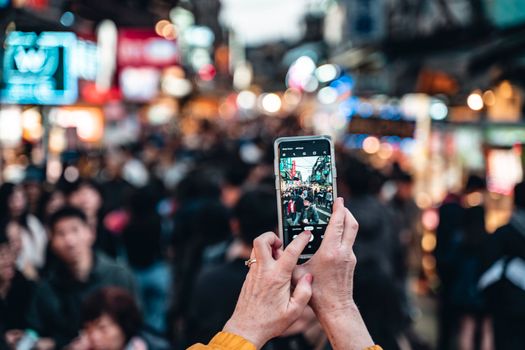
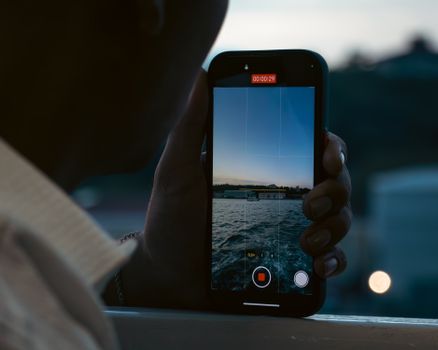

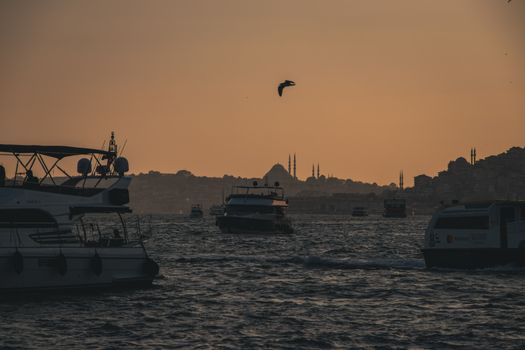
Reader Comments (0)
Share Your Thoughts
Join the conversation and share your travel insights
Thank You!
Your comment has been submitted and is awaiting moderation. We'll review it shortly and publish it if it meets our community guidelines.