## My Secret to Cheap Gas Worldwide: How I Fuel My Endless Adventures for Less
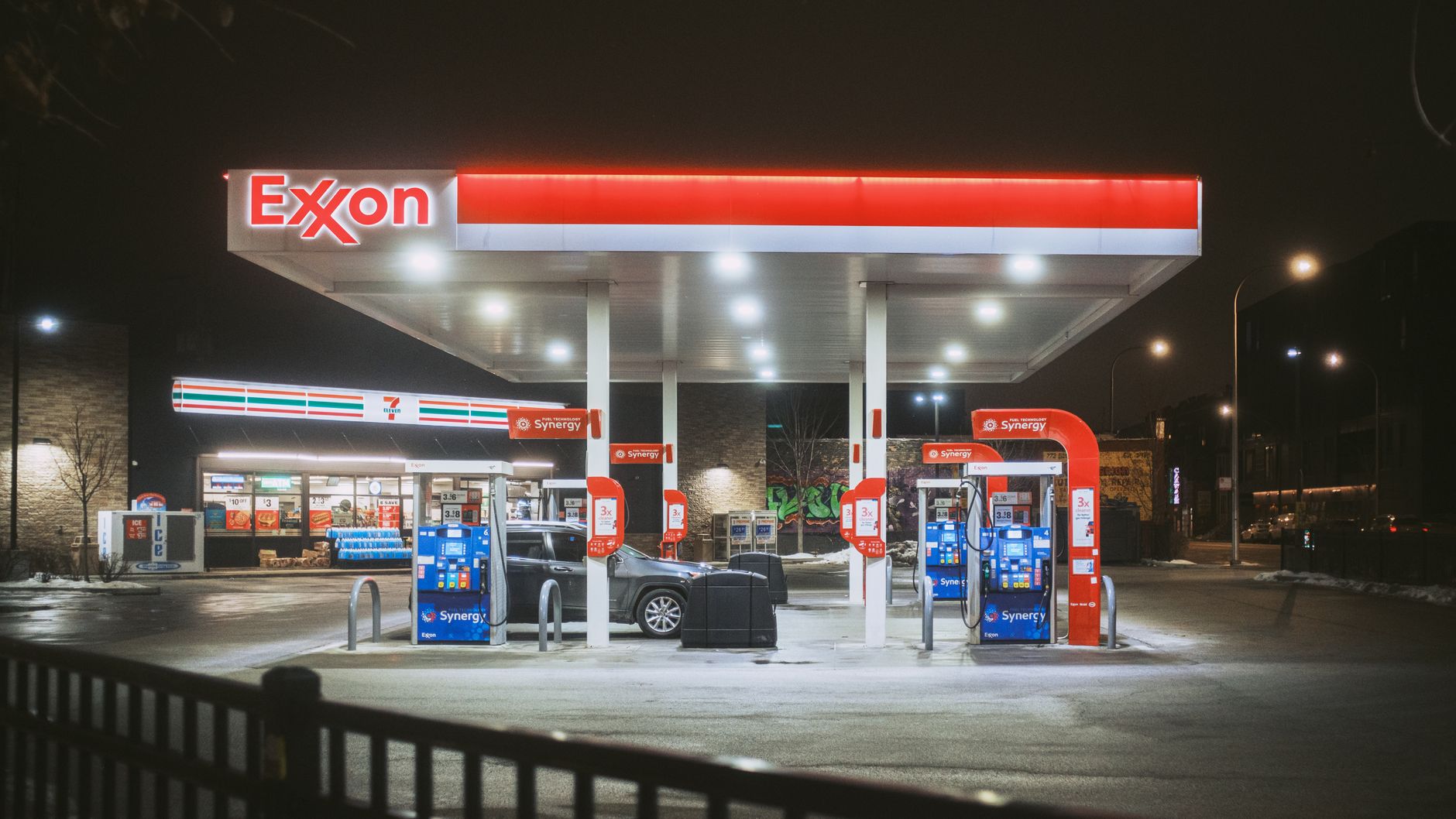
The sun was dipping below the horizon, painting the vast Icelandic landscape in hues of orange and purple. My partner and I were cruising along the Ring Road, windows down, singing along to our favorite tunes – a perfect travel moment. Then, the dreaded fuel light flickered on. We pulled into the next available gas station, a lone beacon in the middle of nowhere. My heart sank as I watched the numbers on the pump display spin faster than a roulette wheel in Vegas. By the time it clicked off, I’d paid what felt like a small fortune for a tank of gas. I remember thinking, "This is going to bankrupt us before we even see the Northern Lights!"
That moment, the sting of overpaying for a basic necessity, was my rude awakening. It was the catalyst that changed my entire approach to road-tripping and budget travel forever. I realized that while I meticulously planned flights, accommodations, and activities, I was completely blind to one of the biggest variable expenses: fuel. And if you're like me – someone who believes the best way to see a place is often from behind the wheel, chasing sunsets down winding roads – then mastering the art of finding cheap gas isn't just a hack; it's a superpower.
Since that fateful Icelandic pit stop, I’ve traversed continents, from the bustling highways of the USA to the remote outback of Australia, and the picturesque villages of Europe. Along the way, I've developed a system that consistently saves me hundreds, sometimes thousands, of dollars on gas. This isn't just about pinching pennies; it’s about freeing up funds for that extra night in a charming B&B, an unforgettable local meal, or extending your trip by another week. This isn't just a guide; it's the key to unlocking more adventures. Ready to fuel your wanderlust without emptying your wallet? Let's dive in.
### 1. The Digital Nomad's Fuel Kit: Essential Apps & Websites
Forget driving around aimlessly hoping for a good price. In the age of smartphones, finding cheap gas is literally at your fingertips. These apps and websites are my absolute ride-or-die companions on every road trip.
* GasBuddy (North America): If you're driving in the US or Canada, GasBuddy is your undisputed champion. It's a community-driven app where users report real-time gas prices. You can filter by fuel type, amenities (car wash, restaurant), and even see price history. I've used it countless times to find stations just a few miles off the highway offering significantly lower prices – sometimes saving me $0.30-$0.50 per gallon! Their "Pay with GasBuddy" program offers even further discounts. I once saved $25 on a single fill-up in rural Montana just by driving an extra 10 minutes to a station GasBuddy flagged. That's a fancy coffee and a pastry right there!
* Waze (Global): While primarily a navigation app, Waze's community reporting extends to gas prices. Users update prices as they drive past, making it a fantastic real-time resource, especially in areas where dedicated gas apps might be less prevalent. I've found Waze particularly useful in parts of Europe where other apps might not have as robust data. It’s like having thousands of eyes on the road reporting prices for you.
Google Maps (Global): While not its primary function, Google Maps can show you gas stations along your route and often displays their current prices. It’s not always the cheapest* but it’s a good quick reference, especially if you’re already using it for navigation and need a quick overview of options.
* Regional Specifics: Don't forget to research local apps! * Europe: Apps like Tankerkoenig (Germany), Fuel Flash (UK), PetrolPrices.com (UK), or country-specific equivalents can be goldmines. They often have better coverage and more accurate data for their specific regions than global apps. * Australia: FuelWatch (Western Australia) and MotorMouth (national) are excellent for tracking prices. * France: The official government site, prix-carburants.gouv.fr, provides real-time prices. * Spain: Geoportal Carburantes is another official site.
Pro Tip:
Always check a few apps if possible, especially in unfamiliar territories. Prices can change rapidly, and one app might have more up-to-date information than another. Download them before you lose signal!
### 2. Beyond the App: Smart Strategies for Fuel Savings
While apps are indispensable, they're just one piece of the puzzle. Real fuel savings come from combining technology with smart planning and savvy habits.
* Timing is Everything: Gas prices fluctuate not just by location, but by day of the week and even time of day. Generally, prices tend to be highest on weekends and Monday mornings, and lowest mid-week (Tuesday, Wednesday, Thursday mornings). Tank up early in the week if you can! I've seen prices jump 10-15 cents per gallon from Wednesday to Friday in the US.
* Location, Location, Location: This is a huge one. * Avoid Highway Rest Stops: The convenience comes at a premium. Gas stations directly on major highways or at service plazas almost always charge more. Drive a few miles off the exit into a local town, and you’ll often find significantly lower prices. * Supermarket & Big Box Stores: In many countries, gas stations attached to large supermarkets (e.g., Tesco in the UK, Carrefour in France, Kroger/Safeway in the US) or big box retailers (Costco, Sam's Club in the US) often have the lowest prices. They use gas as a loss leader to get you into their stores. My Costco membership has paid for itself many times over just in gas savings alone. * Border Towns: If you’re crossing an international border, research gas prices in both countries beforehand. I once saved over €30 by filling up in Slovenia before crossing into Italy, where prices were noticeably higher. The same applies to the US-Mexico border or even US states with wildly different gas taxes (e.g., California vs. Arizona).
* Membership Matters: * Loyalty Programs: Sign up for loyalty programs with major gas chains (Shell Fuel Rewards, BPme, ExxonMobil Rewards+). These often offer instant discounts or points that accumulate to free gas. * Grocery Store Rewards: Many grocery chains offer fuel points based on your spending. These can translate to significant per-gallon savings at their partner gas stations. * Warehouse Memberships: As mentioned, Costco and Sam's Club consistently have some of the lowest prices. If you're a frequent road-tripper, a membership is a no-brainer.
* Credit Card Perks: Some travel credit cards offer bonus points or cashback on gas purchases. Others, like specific gas station brand cards, provide direct discounts. Check your card benefits! My Chase Sapphire Reserve often gives me bonus points on travel-related purchases, which can include gas.
* Understand Fuel Types & Octane: Abroad, fuel names might differ. "Petrol" is gas. "Diesel" is usually the same. "Unleaded" might be "sans plomb" (France) or "sin plomo" (Spain). Octane levels vary (91, 95, 98), but unless your car specifically requires premium, sticking to the standard unleaded is usually fine and cheaper. Be mindful of E10 vs. E5 in Europe; E10 has more ethanol and can sometimes be cheaper but offers slightly lower fuel economy and isn't suitable for all older engines. Always double-check your rental car's fuel type requirement!
### 3. The Art of the Road Trip: Driving Habits that Save Fuel
The cheapest gas in the world won't save you much if your driving habits are wasteful. Optimizing your vehicle and your driving style can add miles to every tank.
* Maintain Your Vehicle: This is foundational. * Tire Pressure: Underinflated tires increase rolling resistance, meaning your engine works harder. Check your tire pressure regularly (especially before a long trip) and keep it at the manufacturer's recommended level. This alone can improve fuel efficiency by up to 3%. I noticed a significant difference in fuel consumption on a trip through the Dolomites after I properly inflated my tires. * Oil Changes & Air Filter: A clean air filter ensures your engine breathes easily, and fresh oil reduces friction. Simple, regular maintenance keeps your engine running efficiently.
* Drive Smoothly: Imagine you have an egg under your accelerator pedal. * Avoid Aggressive Driving: Rapid acceleration and sudden braking are fuel guzzlers. Smooth, gradual acceleration and anticipating traffic to coast to a stop are far more efficient. * Use Cruise Control: On highways, cruise control helps maintain a consistent speed, preventing unnecessary acceleration and deceleration. This is a huge saver on long, flat stretches. * Observe Speed Limits: The faster you drive, the more aerodynamic drag your vehicle experiences, and the more fuel it consumes. Fuel efficiency typically peaks around 50-60 mph (80-100 km/h) and then drops off significantly.
* Reduce Weight & Drag: * Unload Unnecessary Weight: Every extra pound requires more fuel to move. Remove anything heavy from your trunk that you don't need for the trip. * Remove Roof Racks: If you're not using a roof rack or cargo box, take it off! It creates significant aerodynamic drag, especially at highway speeds, and can decrease fuel efficiency by 10-20%. My partner learned this the hard way after leaving our bike rack on for an entire cross-country trip.
* Air Conditioning Usage: While essential in hot climates, AC uses engine power. Use it sparingly, especially at lower speeds. At highway speeds, the aerodynamic drag from open windows can sometimes be worse than the AC, so use your judgment.
* Plan Your Route Carefully: Use navigation apps to avoid heavy traffic, construction, and excessively hilly terrain where possible. Stop-and-go traffic and climbing steep inclines burn a lot more fuel.
### 4. Global Gas Price Realities: What to Expect Where
Gas prices are a global lottery. Understanding regional differences can help you plan your budget and even your itinerary.
* North America: Prices in the USA vary wildly by state due to different taxes and regulations. California is notoriously expensive, while Texas or Mississippi can be significantly cheaper. Canada typically has higher prices than the US, with some provinces like British Columbia being particularly pricey. * Europe: Generally, Europe has some of the highest gas prices globally due to high taxes. However, there's significant variation. Countries like Norway, the Netherlands, and Italy are often among the most expensive. On the other hand, Poland, the Czech Republic, Slovenia, and Spain tend to be more budget-friendly. My trip through the Balkans was a breath of fresh air after the sticker shock of Scandinavia! * Asia/Africa/South America: Prices in these regions can be incredibly diverse. Oil-producing nations (e.g., Saudi Arabia, parts of Africa) often have very cheap fuel. However, in remote areas or countries with less developed infrastructure (e.g., parts of Peru, Ethiopia), prices can skyrocket due to transportation costs, and quality might be inconsistent. Always fill up when you have the chance in remote areas, even if it's not the absolute cheapest. I learned this lesson driving through the desolate stretches of the Atacama Desert in Chile. * Oceania: Australia can be expensive, especially in remote areas or at peak times in cities. Prices often follow a weekly cycle, so knowing the cheapest day to buy (often a Tuesday) is crucial. New Zealand generally has high prices.
Currency Fluctuations:
Don't forget that exchange rates play a huge role. A seemingly cheap price in local currency might still be expensive once converted to your home currency, and vice versa. Keep an eye on the current exchange rates when budgeting.
### 5. Gas Station Culture & Safety Abroad
Navigating gas stations in a foreign country can be an adventure in itself. A little preparation goes a long way.
* Self-Service vs. Full-Service: In most of North America and Western Europe, self-service is standard. You pump your own gas and then pay inside or at the pump. However, in some parts of the USA (like Oregon and New Jersey), South America, Africa, and even parts of Canada, full-service is common, where an attendant pumps the gas for you. A small tip is often appreciated for full-service. * Payment Methods: * Credit Cards: Many automated pumps in Europe require a "chip and PIN" card. If your US card only has a chip and signature, it might not work at the pump, forcing you to pay inside. Always have cash as a backup. * Cash: In many developing countries or rural areas, cash is king. Make sure you have small denominations of local currency. * "Pay at the Pump" vs. "Pay Inside": In some countries, you might need to pre-pay inside before pumping, or tell the attendant how much you want. Ask if you're unsure! * Language Barriers: Learn a few key phrases: "Diesel, por favor" (Diesel, please), "Gasolina sin plomo" (Unleaded gas), "Lleno, por favor" (Fill it up, please), "Cuánto?" (How much?). A translation app can be your best friend. * Safety: Just like anywhere, be aware of your surroundings. Keep your car doors locked, especially in less developed regions. Avoid leaving valuables visible. In some areas, be wary of scams where attendants might try to shortchange you or add extra services. A quick check of the pump reading before and after is always a good idea.
I distinctly remember a gas station experience in rural Argentina. I pulled up, slightly confused by the full-service setup. A friendly attendant quickly appeared, asked what I needed (in Spanish, of course!), filled my tank, and even cleaned my windshield. It was a pleasant surprise and a reminder that while the process might be different, the goal is the same: to keep the adventure going.
### The Road Ahead: Fuel Your Wanderlust, Not Your Worries!
My transformation from a gas-price-ignorant traveler to a savvy fuel-saver has genuinely changed my life, or at least my travel life. It's not just about the money; it's about the freedom and peace of mind that comes with knowing you're getting the best deal. It means I can extend my road trips, explore more off-the-beaten-path destinations, and worry less about the cost of getting there. It means more scenic detours, more unplanned stops, and more unforgettable memories.
Imagine hitting the open road, wind in your hair, knowing you’ve optimized every penny of your fuel budget. That extra €50 you saved on gas could buy you a delicious local dinner in Rome, a stunning souvenir from Thailand, or an extra night under the stars in the Grand Canyon. These small savings add up to big adventures.
So, next time you plan a road trip, whether it’s across your home country or a continent away, arm yourself with these tips. Download those apps, plan your stops, adjust your driving habits, and watch your travel fund grow. The world is waiting, and it’s time to explore it without constantly checking your fuel gauge or your bank account.
What are your best gas-saving tips from your travels? Share them in the comments below! Let’s build the ultimate community resource for cheap gas worldwide!
#FuelHacks #RoadTripSavings #TravelSmart #WanderlustOnABudget #CheapestGas
---


Reader Comments (0)
Share Your Thoughts
Join the conversation and share your travel insights
Thank You!
Your comment has been submitted and is awaiting moderation. We'll review it shortly and publish it if it meets our community guidelines.