The mountain air was crisp, carrying the scent of damp earth and woodsmoke. My boots crunched on ancient cobblestones, each step echoing a history far removed from the buzzing notifications on my phone. An elderly woman, her face a roadmap of sun-kissed wrinkles, looked up from mending a fishing net, a genuine smile crinkling the corners of her eyes. No selfie sticks. No perfectly posed lattes. Just life, unfolding as it had for generations.
I’d stumbled upon it almost by accident, after months of feeling a creeping dissatisfaction with my travels. My Instagram feed was a kaleidoscope of perfectly filtered beaches, artfully arranged brunches, and "spontaneous" moments that felt anything but. Every "hidden gem" I visited seemed to have a queue of fellow travelers waiting for their turn to replicate the exact same shot. It was beautiful, yes, but it felt... hollow. Curated. Like a stage set where I was merely an extra.
I craved something real. Something raw. I wanted to feel the pulse of a place, not just capture its aesthetic. And that’s when I started my quest: to find the villages where time literally stopped 100 years ago. The places Instagram influencers don't want you to know about, not because they’re ugly (far from it!), but because their charm lies in their untouched authenticity, in their quiet defiance of the modern world. They’re not about the perfect photo; they’re about the perfect feeling. And trust me, those feelings are far more 'gram-worthy' than any filter could ever create.
The Lure of the Unfiltered: Why We Crave These Time Capsules
In an age of instant gratification and constant connectivity, there's a profound yearning for simplicity. For places where the rhythm of life is dictated by the sun, the seasons, and ancient traditions, not Wi-Fi signals or trending hashtags. These villages are more than just pretty backdrops; they are living museums, breathing archives of human history.
Visiting them isn't just a trip; it's a pilgrimage. It's a chance to disconnect from the digital noise and reconnect with something fundamental – the land, the community, and often, yourself. It’s about understanding a different pace of life, appreciating craftsmanship that pre-dates mass production, and experiencing hospitality untainted by commercialism. It's about finding beauty in the imperfections, the worn edges, the quiet resilience. It's about truly being there, not just passing through.
My journey took me to some truly extraordinary corners of the world, places that demanded effort to reach but rewarded me with memories that shimmer brighter than any pixelated image. Here are a few that stole my heart, along with the practicalities of experiencing them for yourself.
1. Portugal's Schist Gem: Piodão, Serra da Estrela
Imagine a village cascading down a hillside, its houses built entirely of dark schist stone, their roofs shimmering with the same material. Piodão, nestled deep within Portugal's Serra da Estrela mountains, is often called the "Nativity Scene Village" because of its unique, amphitheatrical layout and the warm glow of its few lights at night. It looks like something plucked straight from a fairytale, yet it's incredibly real.
My Experience:
The drive to Piodão was an adventure in itself, winding through ancient forests and past terraced fields. As I rounded the final bend, the village suddenly appeared, a monochromatic marvel against the lush green backdrop. I checked into a small guesthouse, 'Casa da Padaria' (around €60-€80/night), run by a wonderfully chatty woman named Maria, whose family had lived in Piodão for generations. She served me a hearty breakfast of local bread, homemade jam, and strong coffee, sharing stories of village life.
I spent my days simply wandering. Getting lost in the labyrinthine alleys, discovering hidden courtyards, and admiring the vibrant blue doors and window frames that provided the only splash of color against the dark stone. The air smelled of woodsmoke and damp earth. I saw an elderly man tending his small vegetable patch, a woman hanging laundry to dry, and children playing a game with stones. There's a tiny, beautiful church, Igreja Matriz de Piodão, with a charming interior. I bought a jar of local honey and some artisanal cheese from a small shop, supporting the local economy directly. Evenings were spent at the village's only tavern, 'O Solar dos Pachecos', enjoying simple, delicious Portuguese comfort food – think slow-cooked lamb or codfish – and a glass of local wine, listening to the murmur of conversations in Portuguese.
Getting There:
Piodão is remote. The easiest way is to rent a car from Lisbon or Porto (about a 3-4 hour drive). Public transport is challenging; there are occasional bus services from Coimbra or Arganil, but they are infrequent. Embrace the journey; it’s part of the charm.
Best Time to Visit: Spring (April-May) for wildflowers or Autumn (September-October) for mild weather and beautiful foliage. Avoid peak summer if you dislike crowds (though "crowds" in Piodão are relative!).
What to Do: Explore the village on foot, hike in the surrounding Serra da Estrela Natural Park, visit the small museum dedicated to local traditions, and simply soak in the atmosphere. Digital detox guaranteed!
2. Cyprus's Timeless Troodos: Omodos Village
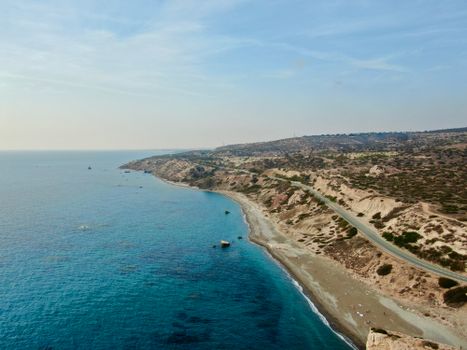
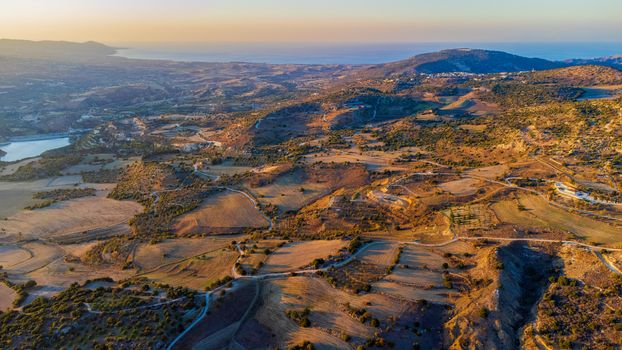
Perched in the heart of Cyprus's Troodos Mountains, Omodos is a jewel box of traditional architecture, ancient monasteries, and a deep-rooted winemaking heritage. Unlike some of the more touristy coastal towns, Omodos feels like stepping back into a simpler, more authentic Cypriot life, where time moves at a leisurely, sun-drenched pace.
My Experience:
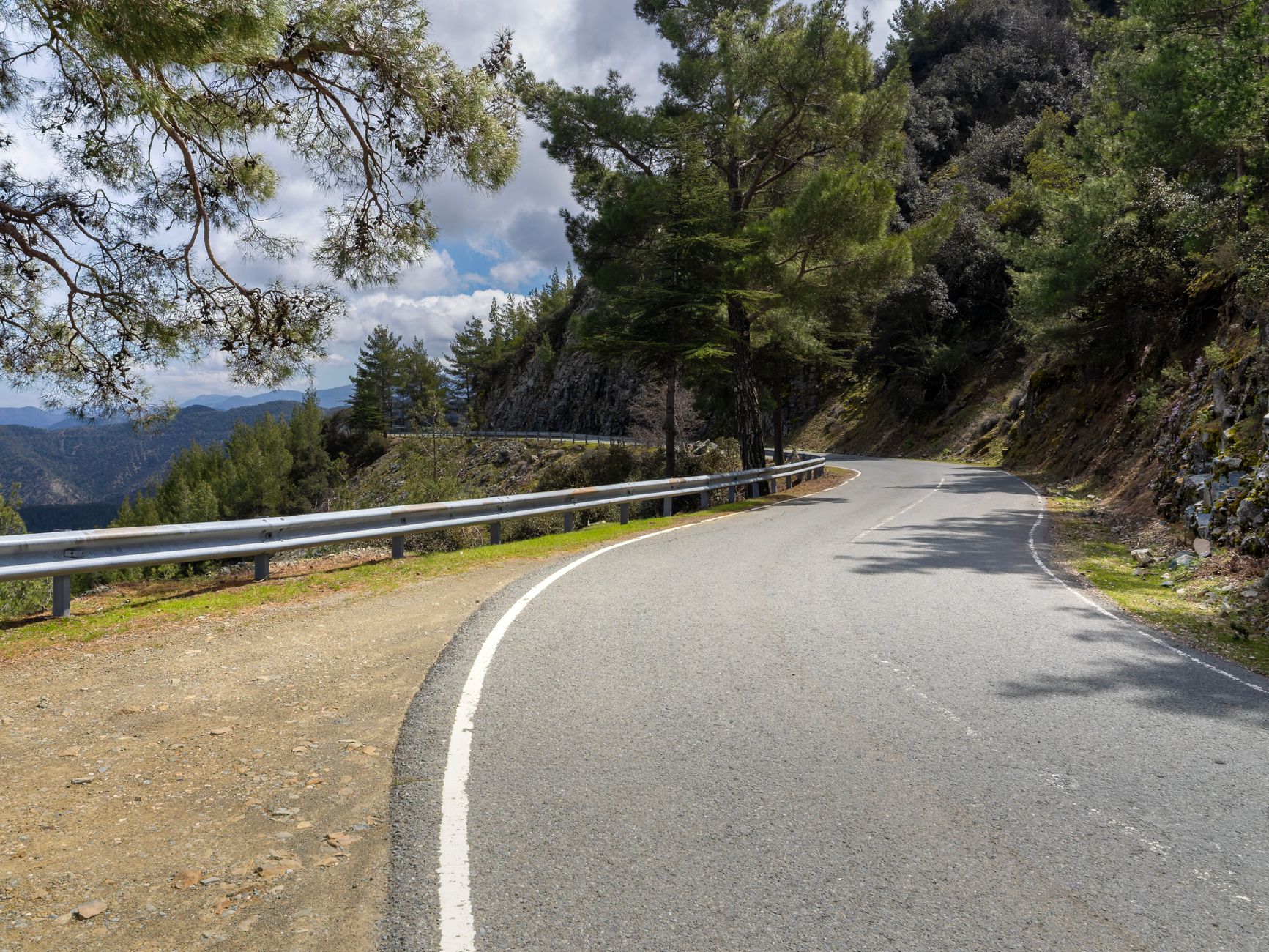
I arrived in Omodos after a scenic drive through vineyards and pine forests, staying at a charming stone guesthouse called 'Vardis Hotel Apartments' (around €70-€90/night), complete with a vine-covered courtyard. The village square, paved with cobblestones, is dominated by the imposing Timios Stavros Monastery (Monastery of the Holy Cross), one of the oldest and most historic monasteries on the island. Its ornate interior and quiet courtyards offered a profound sense of peace.
My days were a delightful blend of exploration and indulgence. I spent hours meandering through the narrow, winding streets, admiring the traditional stone houses with their wooden balconies and terracotta roofs. The air was often fragrant with the scent of jasmine and freshly baked bread. I watched local women meticulously crafting pipilla lace, a traditional Cypriot art form, and even attempted a few stitches myself (with limited success!).
Omodos is famous for its wine, especially the sweet, amber-hued Commandaria. I visited a small, family-run winery, 'Linos Winery', where the owner proudly walked me through his cellars and offered generous tastings, sharing stories of his ancestors who had cultivated grapes here for centuries. Lunch was always a feast at a local taverna like 'Stou Kir Yianni', savoring meze platters overflowing with halloumi, souvlaki, fresh salads, and local olives, all accompanied by a glass of robust Cypriot red. Evenings were quiet, punctuated by the distant sound of church bells and the gentle hum of conversation from the village square.
Getting There:
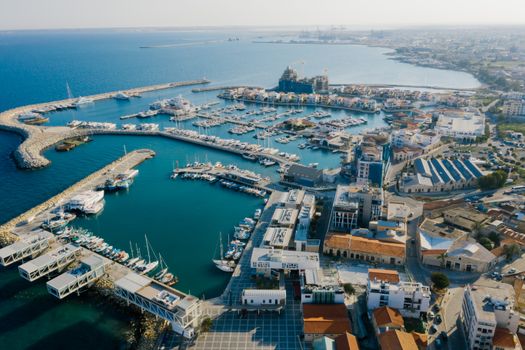
Omodos is about a 45-minute drive from Limassol. Renting a car is highly recommended to explore the Troodos region at your own pace. There are also organized bus tours, but they offer less flexibility.
Best Time to Visit: Spring (March-May) when the mountains are green and wildflowers bloom, or Autumn (September-November) for grape harvesting season and cooler temperatures.
What to Do: Visit the Timios Stavros Monastery, explore the village's narrow streets, enjoy wine tasting at local wineries, learn about traditional lace-making, and hike in the surrounding Troodos mountains.
3. Himalayan Echoes: Gorkha Region, Nepal
While the Everest region draws the trekkers, and Kathmandu the cultural explorers, the Gorkha region remains a magnificent, less-trodden path into Nepal's heart. It's here, amidst terraced hillsides and ancient kingdoms, that you truly find villages where life revolves around farming, community, and ancient spiritual practices, largely untouched by mass tourism. Forget the fancy lodges; think simple teahouses and homestays.
My Experience:
My journey to the Gorkha region began with a local bus from Kathmandu – a vibrant, sometimes chaotic, but always authentic experience (costing around 500-700 NPR, approx. $4-6 USD). I based myself in a small village near the historic Gorkha Durbar (the ancestral palace of the Shah dynasty), staying at a humble teahouse for about 1000-1500 NPR/night (approx. $8-12 USD), which included simple meals. My room was basic but clean, with breathtaking views of the Annapurna and Manaslu ranges on clear days.
Days were spent trekking through verdant hills, past rice paddies and mustard fields, encountering farmers tilling their land with oxen, and children walking to school in crisp uniforms. The air was clean and thin, carrying the distant sound of prayer flags fluttering in the breeze. I’d often stop at small roadside stalls for a cup of sweet, milky chai (around 50 NPR). The warmth of the local people was overwhelming; I was often invited for a cup of tea or a simple meal of dal bhat (lentil soup with rice and vegetables) by families who had little but offered everything.
One particularly memorable afternoon, I helped a family harvest corn, sharing laughter and broken English phrases. It was a moment of pure connection, far more profound than any curated experience. The ancient Gorkha Durbar, perched high on a ridge, offered not just historical insight but panoramic views that stretched for miles, a testament to the enduring beauty of this overlooked region. Evenings were spent under a blanket of stars, listening to the sounds of crickets and distant village life, feeling completely at peace.
Getting There:
The nearest major town is Gorkha Bazar, accessible by local bus from Kathmandu or Pokhara. From there, local jeeps or further trekking will take you to smaller villages. For deeper immersion, consider a guided trek.
Best Time to Visit: Autumn (September-November) for clear skies and pleasant temperatures, or Spring (March-May) for rhododendron blooms. Avoid monsoon season (June-August).
What to Do: Trek between villages, visit Gorkha Durbar, explore local markets, engage with villagers, and experience authentic Nepali culture. This is a place for slow travel and genuine interaction.
4. Greece's Stone Heart: Zagori Region (Papingo)
Forget the whitewashed islands; the Zagori region in Epirus, Northern Greece, is a world of dramatic gorges, ancient stone bridges, and exquisite traditional villages built entirely of grey stone. Papingo, often divided into Mikro Papingo and Megalo Papingo, is perhaps the most famous of these, yet it retains an incredible sense of untouched authenticity, nestled beneath the towering peaks of the Pindus mountains.
My Experience:
The drive into Zagori was spectacular, a winding road through a landscape of rugged mountains and deep ravines. As I approached Papingo, the stone houses, seamlessly blending into the rocky slopes, appeared almost camouflaged. I booked a room at 'Astra Inn' (around €80-€120/night), a beautiful guesthouse with incredible views and a cozy fireplace, managed by a family who were passionate about their region.
My days began with a hearty breakfast of local yogurt, honey, and savory pies, fueling me for the day's adventures. The highlight was hiking to the 'Kolymbithres' or 'Ovires', natural rock pools formed by the Rogovo stream, perfect for a refreshing (and chilly!) dip on a warm day. The path was lined with wildflowers, and the air was filled with the scent of pine. I spent hours simply walking the cobblestone paths of both Mikro and Megalo Papingo, admiring the unique architecture, the intricate slate roofs, and the sense of timelessness that permeated every corner.
One evening, I found myself at a small local taverna, 'Astraka', known for its traditional Epirus cuisine. I feasted on kontosouvli (spit-roasted pork), wild mushroom pie, and tsipouro (a potent local spirit), sharing stories with the owner, a man whose family had farmed these mountains for generations. He spoke of the harsh winters and the tight-knit community spirit that kept these villages alive. The absence of mass tourism infrastructure meant genuine interactions, heartfelt conversations, and a feeling of being truly welcomed into a local way of life.
Getting There:
Ioannina has the nearest airport, from where you can rent a car (highly recommended) for the 1.5-hour drive to Papingo. Public transport is very limited.
Best Time to Visit: Late Spring (May-June) for pleasant hiking weather and lush greenery, or early Autumn (September-October) for stunning fall foliage. Winters can be harsh with snow.
What to Do: Hike to the Kolymbithres, explore the stone villages of Mikro and Megalo Papingo, trek in the Vikos-Aoos National Park, cross ancient stone bridges (like the Kokkori Bridge), and savor traditional Epirus cuisine.
Finding Your Own Time Capsule: Practical Tips for the Discerning Traveler
These are just a few examples, but countless other villages around the world offer similar, soul-stirring experiences. How do you find them? It requires a different kind of research and a commitment to respectful travel.
- Go Beyond Google's First Page: Dig deeper. Look at local tourism board websites (often in local languages, use a translator!), academic papers on cultural preservation, or niche travel forums. Satellite maps can also reveal isolated settlements.
- Embrace the Journey, Not Just the Destination: The most untouched places are often the hardest to reach. This might mean long bus rides, shared taxis, or even hiking. See it as part of the adventure.
- Learn Basic Phrases: A simple "hello," "thank you," and "please" in the local language goes a long way. It shows respect and opens doors to genuine interactions.
- Dress Respectfully: Especially in more traditional or religious communities, modest clothing is appreciated.
- Support Local, Genuinely: Stay in family-run guesthouses, eat at local tavernas, buy handicrafts directly from artisans. Your money directly supports the community's ability to preserve its way of life.
- Ask Before You Photograph: While many people are happy to be photographed, always ask for permission first, especially for close-up portraits. A simple gesture or "photo?" can suffice.
- Manage Your Expectations (and Connectivity): Wi-Fi might be non-existent or unreliable. Embrace it as a digital detox. Accommodation might be basic. Hot water might be intermittent. This is part of the authentic experience.
- Pack Smart: Comfortable walking shoes are a must. Layers for varying temperatures. A reusable water bottle and purification tablets/filter. A power bank for your phone (for emergencies, not endless scrolling).
- Leave No Trace: Pack out everything you pack in. Respect natural environments and cultural sites.
- Be Open and Curious: Strike up conversations. Accept invitations for tea. Try local foods. These are the moments that truly enrich your travel.
The True 'Gram-Worthy' Moment
The irony isn't lost on me. I'm writing about places influencers don't want you to know, yet I'm sharing them with you. But there's a crucial difference: my hope is that you seek these places out for the experience, not just the photo. That you go with an open heart, a curious mind, and a deep respect for the communities you encounter.
The real 'gram-worthy' moments in these villages aren't about perfect angles or trending filters. They're about the feeling of warm hospitality, the taste of a meal prepared with generations of love, the sound of ancient traditions, the quiet beauty of a life lived simply. They are the memories etched in your soul, the stories you'll tell long after your phone battery dies.
So, ditch the curated feed, silence the notifications, and step back in time. Discover the villages where true beauty lies in their untouched authenticity. Go find your own time capsule.
Have you discovered a village where time stood still? Share your stories and tips in the comments below! Let's inspire each other to travel more authentically.
---